Julius Evola
Giulio Cesare Andrea Evola was an Italian thinker born in Rome in eighteen ninety-eight. During the First World War, he served as an artillery officer. Early in his life, he participated in the Dada movement as an artist before abandoning painting in his youth following a moment of personal crisis averted through reading a Buddhist text.
Moving away from art, he turned his attention toward the occult during the twenties, authoring works on Eastern mysticism and Western esotericism. His intellectual system combined German idealism, the Conservative Revolution of the interwar period, and traditional doctrines, culminating in his philosophy of magical idealism. He viewed humanity as existing within the Kali Yuga, which he described as a Dark Age dominated by material appetites. To resist this period, he argued for a return to the world of Tradition, conceptualized not as Christian belief, but as supernatural knowledge focused on hierarchy, order, discipline, and authority.
Politically, his trajectory was tied to fascism and Nazism. He advocated for racial laws in Italy, acted as a primary racial philosopher, and associated with the intelligence agency of the Nazi Schutzstaffel. Following the collapse of the Italian Fascist regime, he fled to Nazi Germany before returning to Rome under a German puppet state to form a radical-right faction. In Vienna, a shell fragment from Soviet forces caused permanent paralysis from the waist down. Put on trial for glorifying fascism, he rejected the label of fascist, preferring to call himself superfascist, and although initially acquitted, a later conviction was neutralized by a general amnesty.
Visitors browsing Esoterica Books encounter his name because he remains a significant figure in modern traditionalist circles and served as an ideological mentor to post-war militant and neo-fascist movements. His written output combined anti-egalitarian, anti-liberal, racist, antisemitic, and misogynistic views, making him a central yet controversial reference point for those studying twentieth-century radical ideologies.
Christianity tore the spirit from this world; and worldly reality, rendered foreign, mute, lifeless, external, material — such reality became the object of Western science.
In relation to the supernatural, we have said, two fundamental attitudes are possible: the solar, masculine, affirmative one, corresponding to the ideal of traditional sacred kingship, and the lunar, feminine, religious, passive one, corresponding to the sacerdotal ideal.
Be radical, have principles, be absolute, be that which the bourgeoisie calls an extremist: give yourself without counting or calculating, don't accept what they call ‘the reality of life' and act in such a way that you won't be accepted by that kind of ‘life', never abandon the principle of struggle.
A political, economic, and social order created merely for the sake of temporal life is exclusively characteristic of the modern world, that is, of the antitraditional world.
As a social bond, now one does not find even a faith of the warrior kind, that is, relationships of loyalty and honour. The social bond assumes a utilitarian and economic character; it is an agreement based on convenience and material interest — a type only a merchant would accept.
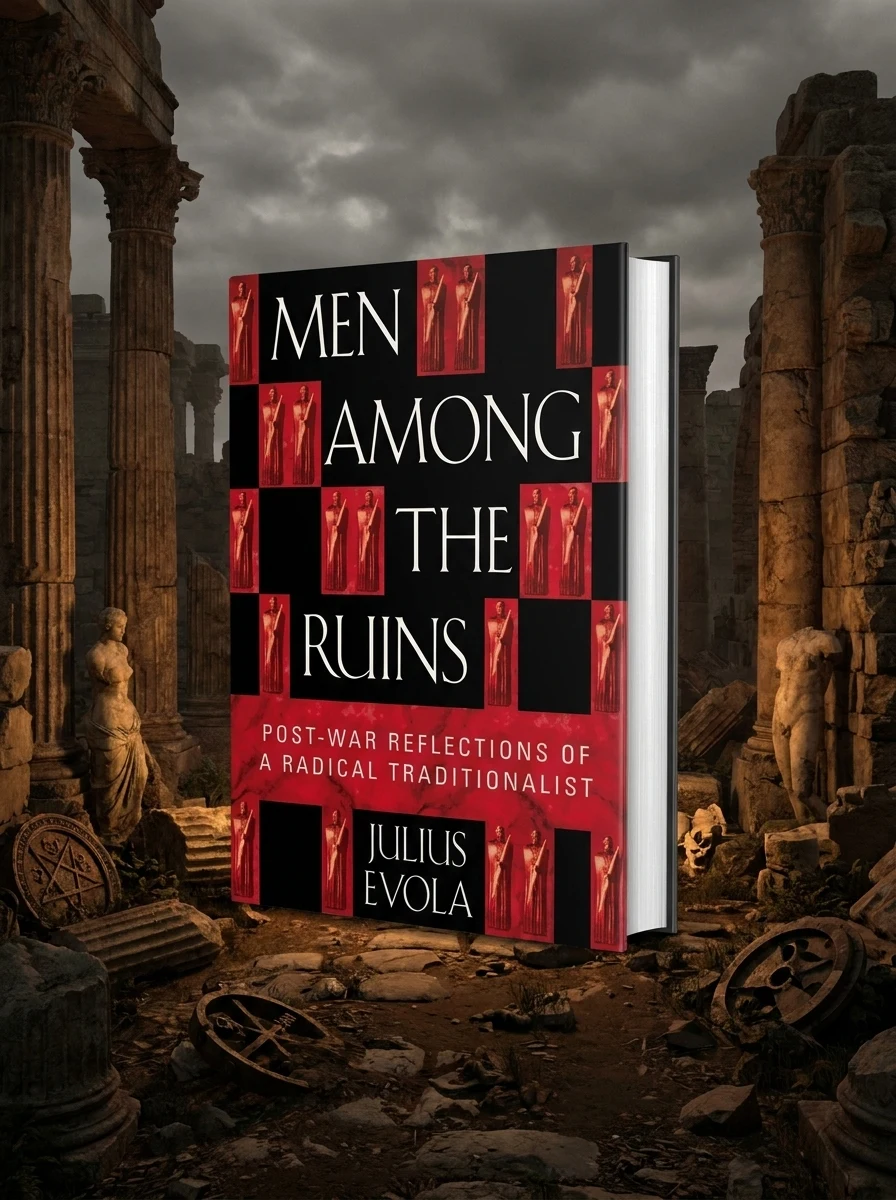
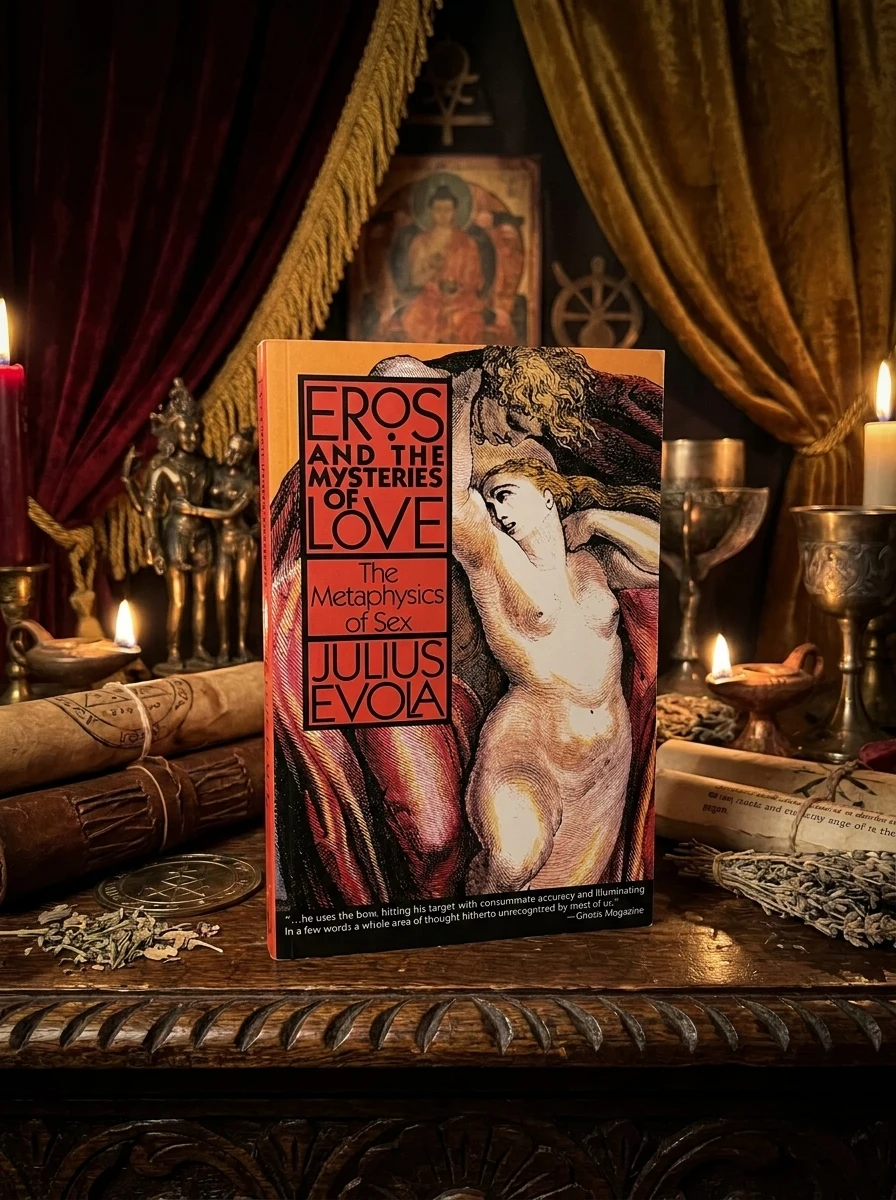
Books by and about Julius Evola



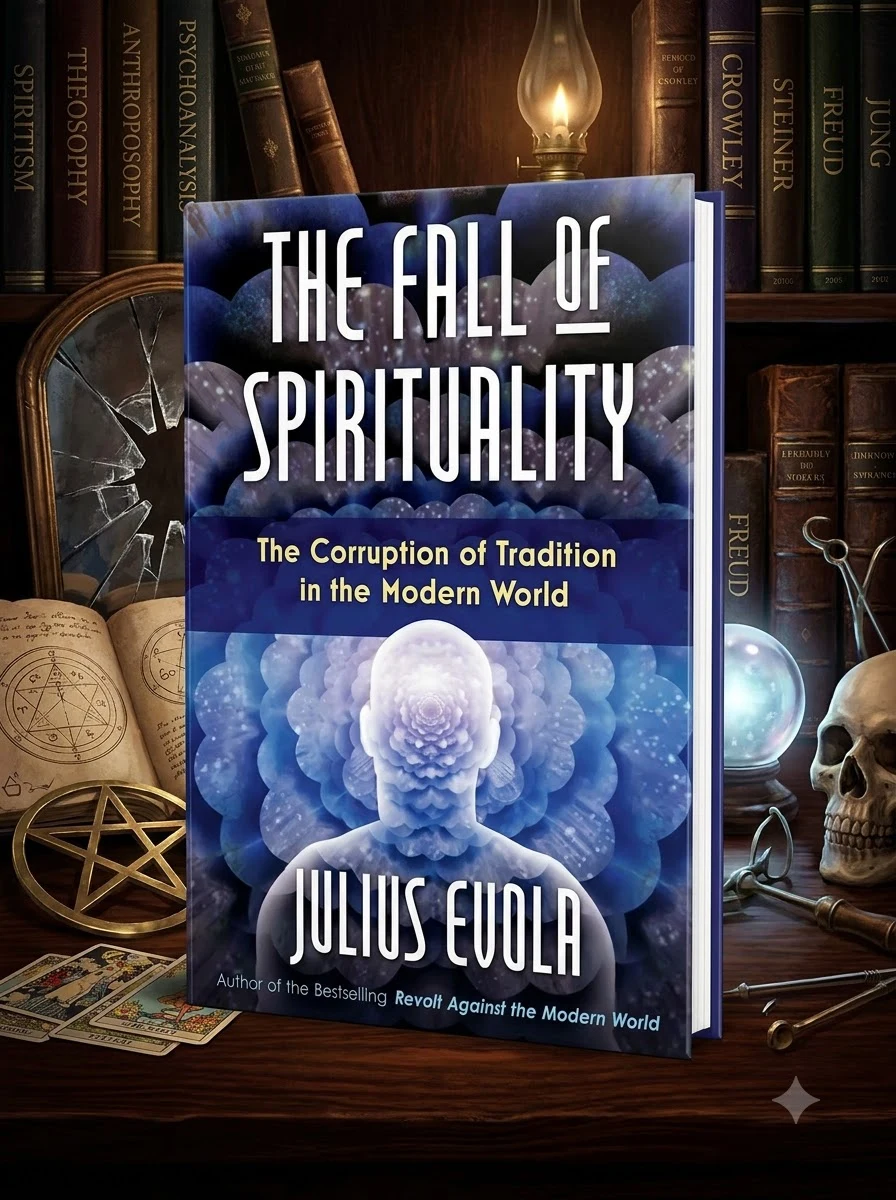
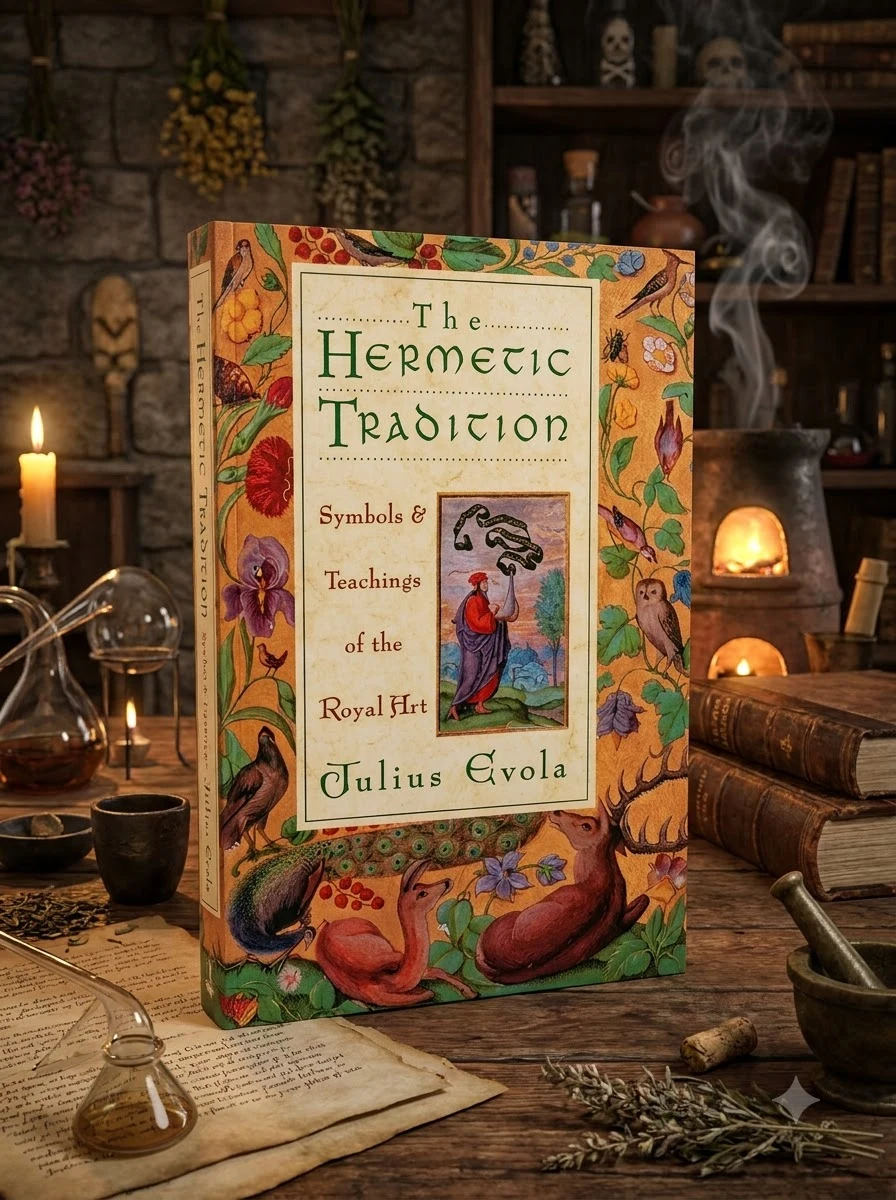

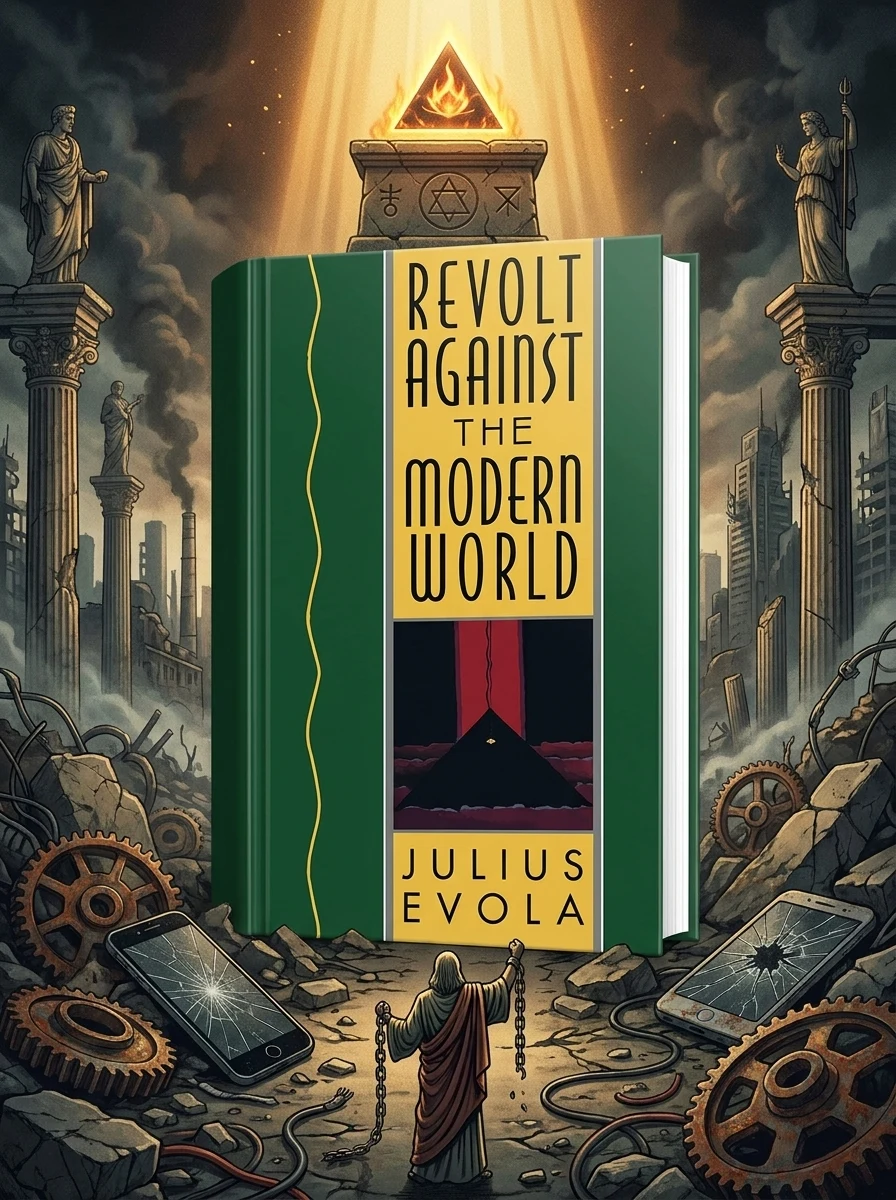
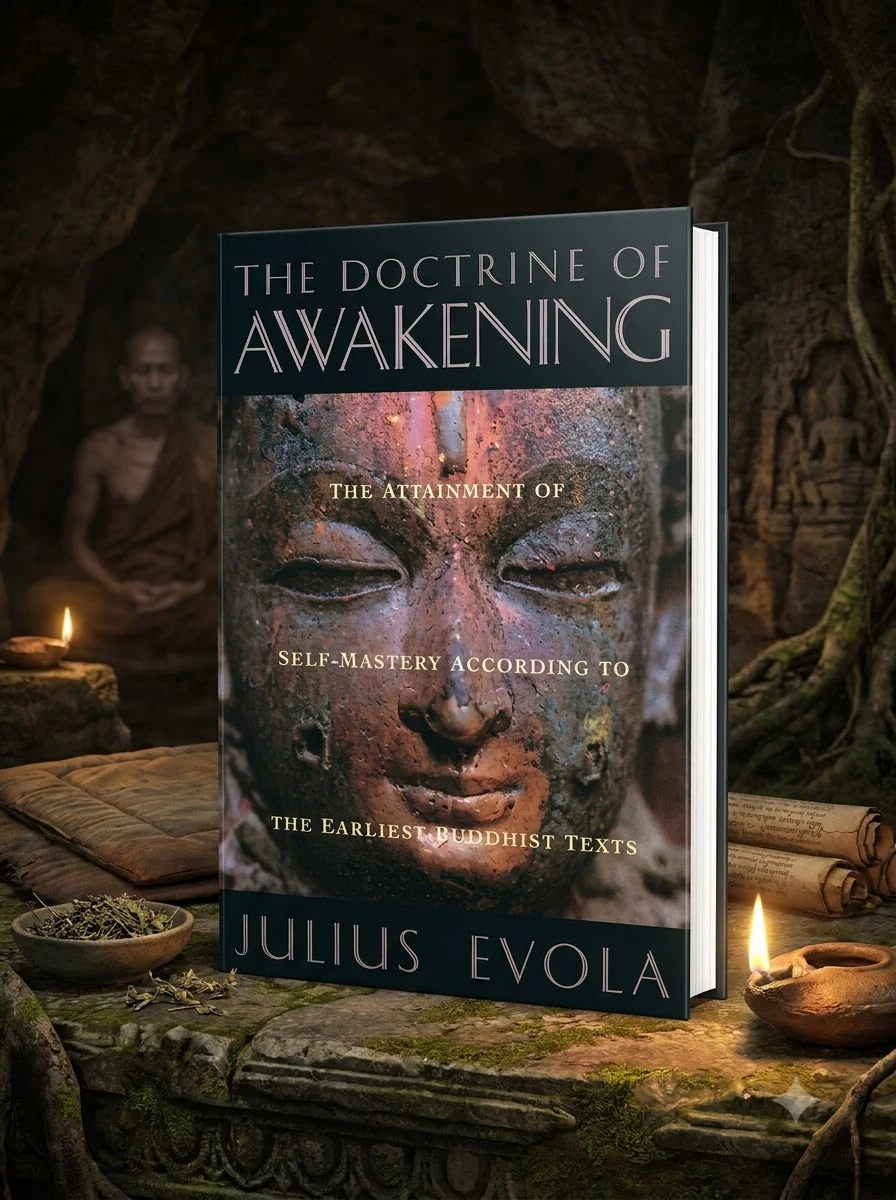
Immortality is the privilege of the few, and, according to the Aryan conception, specifically the privilege of heroes. Continuing to live – not as a shadow, but as a demigod – is reserved to those which a special spiritual action has elevated from the one nature to the other.
Love for distance and order, the ability to subordinate one's individualistic and passionate element to principles, the ability to take action and work above mere personhood, a feeling of dignity devoid of vanity are features of the true warrior spirit as essential as those which refer to actual combat.
In dealing with relationships, not only man-to-man, but also State-to-State and race-to-race, it is necessary to be able to conceive again of that obedience which does not humiliate but exalts, that command or leadership which commits one to superiority and a precise responsibility.
