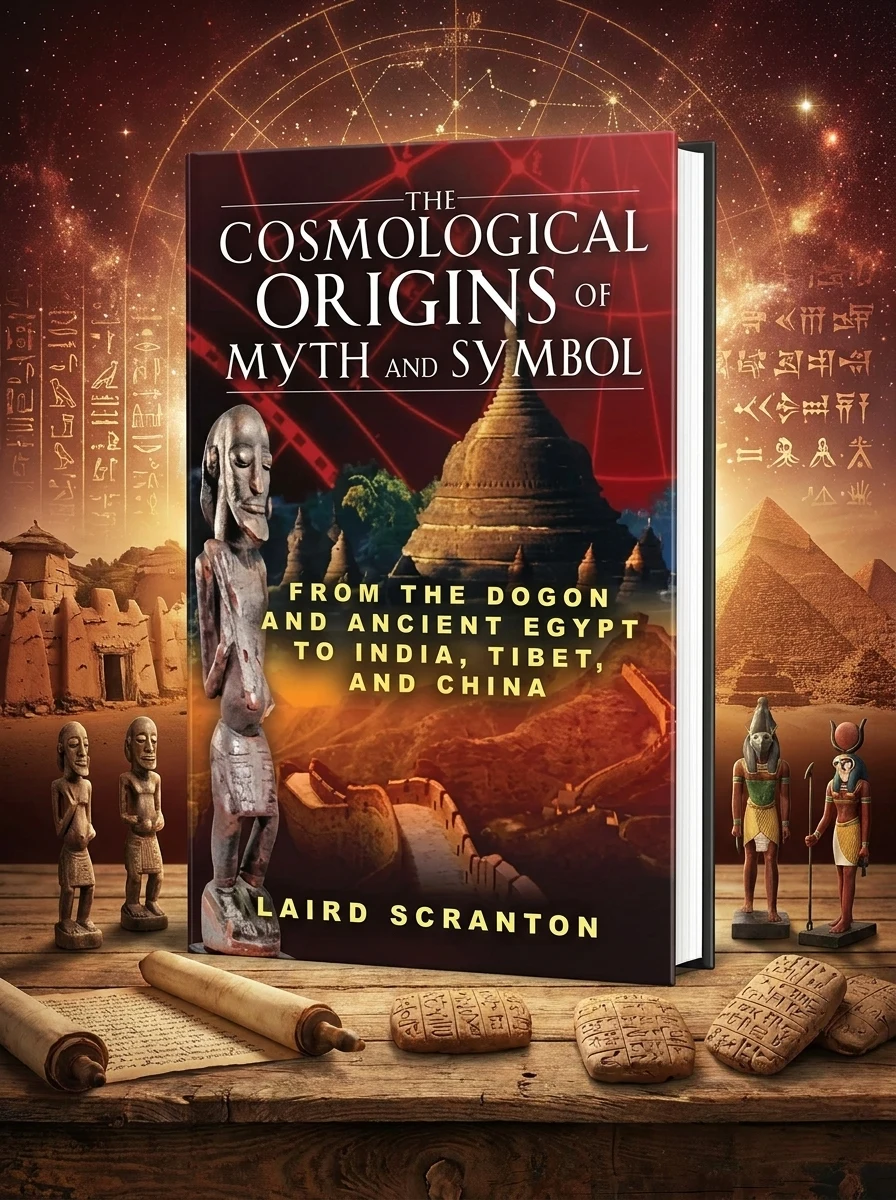
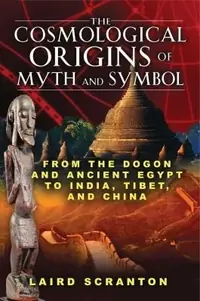
The Cosmological Origins of Myth and Symbol: From the Dogon and Ancient Egypt to India, Tibet, and China
Scranton, Laird

This edition can be ordered. No arrival date is confirmed.
Unearth the profound, hidden blueprint connecting the world's most ancient myths and sacred languages.
Laird Scranton embarks on a fascinating intellectual journey, proposing a singular, ancient parent cosmology that underpins the spiritual traditions of diverse cultures. He meticulously demonstrates how this universal framework not only shaped their understanding of the cosmos but also provided the foundational concepts for the very invention of written language. Through a rigorous comparative analysis of the Dogon, ancient Egyptians, and early Buddhists, Scranton unveils striking parallels in their creation narratives and symbols, including the architectural similarities between Dogon granaries and Buddhist stupas, arguing for a shared, deliberate system of instruction.
This work sits firmly within the comparative mythology and esoteric philosophy tradition, exploring the deep structural connections between ancient spiritual systems. It bridges anthropological study with metaphysical inquiry to reveal a unified cosmological framework.


📝 Description: The Cosmological Origins of Myth and Symbol: From the Dogon and Ancient Egypt to India, Tibet, and China
💎 Expert review
📖 Why choose it
Why this book is worth reading
Readers fascinated by the hidden architectures of human thought and the origins of sacred symbolism will find this book deeply rewarding. It offers a rigorous intellectual journey for those seeking to understand how ancient cultures encoded universal truths into their myths, languages, and architecture. If you are intrigued by the idea that disparate traditions like Dogon, Egyptian, and Buddhist systems share a common pedagogical blueprint, this text provides compelling evidence. It is ideal for scholars, esotericists, and curious minds who wish to unearth the profound connections that bind the world's oldest spiritual heritage together, revealing a singular parent cosmology beneath cultural diversity.
⭐ Reader reviews
Reader rating
Scranton presents a bold thesis linking ancient cosmologies through symbolic parallels, offering a fresh perspective on mythic origins. However, this book is not for casual readers seeking simple narratives or those who prefer established historical consensus over speculative comparative analysis. Skeptics of esoteric connections may find the arguments strained or overly abstract. It requires patience and an openness to interdisciplinary synthesis. While the architectural comparisons are striking, the claims about written language invention demand careful engagement. This is a specialized work for dedicated students of occult philosophy, not a general introduction to mythology.
❓ Frequently asked questions
📖 Who should read this
If you are drawn to uncovering the hidden threads woven through ancient wisdom traditions, or if you suspect a deeper unity behind global mythologies, this book offers a compelling and scholarly exploration. Prepare to challenge conventional historical narratives and re-evaluate the origins of human knowledge.
🎯 Key themes and symbolism
A Unified Cosmic Blueprint
Scranton posits the existence of a sophisticated, primordial cosmological system from which many ancient spiritual traditions diverged. This foundational "parent" provides a coherent explanation for the recurring patterns in myths, symbols, and even sacred architecture across geographically disparate civilizations, suggesting a shared genesis for their spiritual wisdom.
Language's Cosmic Genesis
The book explores the revolutionary idea that the fundamental principles of this ancient cosmology weren't just abstract beliefs but actively informed the development of early written communication. Scranton argues that the conceptual framework of this universal knowledge system provided the very building blocks and symbolic logic that allowed for the formation of structured language.
Cross-Cultural Myth Analysis
Employing a meticulous comparative methodology, Scranton draws compelling connections between the creation myths and symbolic systems of the Dogon, ancient Egyptians, and early Buddhist traditions. He highlights profound, often overlooked, parallels—such as the structural echoes between Dogon granaries and Buddhist stupas—to reveal a deeper, interconnected cosmic narrative.
💬 Quotes from the book
“The striking resonance between a West African granary and a Tibetan stupa is not merely coincidental but hints at a shared instructional source, a universal language of sacred geometry.”
“To understand the genesis of written symbols, we must first decipher the cosmic map that early humans encoded within their foundational myths, for language itself sprang from these celestial blueprints.”
📜 Historical context
📚 Glossary
- Cosmology
- Dogon
- Stupa
📔 Questions to reflect on
- Consider a myth or symbol from your own cultural background. How might Scranton's theory of a "parent cosmology" offer a new interpretation of its origins or deeper meaning?
- If ancient civilizations shared a foundational cosmological understanding, what implications does this have for our modern scientific and spiritual paradigms?
- Reflect on the idea that language itself might be rooted in cosmic principles. How would this change your perception of communication and its power?
✍️ More books by this author Scranton, Laird
All books by this author →
🏛 Books from this publisher Inner Traditions International
All books from this publisher →




You might also like
See more →