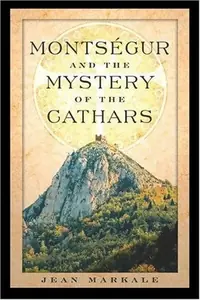
Montsegur and the Mystery of the Cathars
Markale, Jean

This edition can be ordered. No arrival date is confirmed.
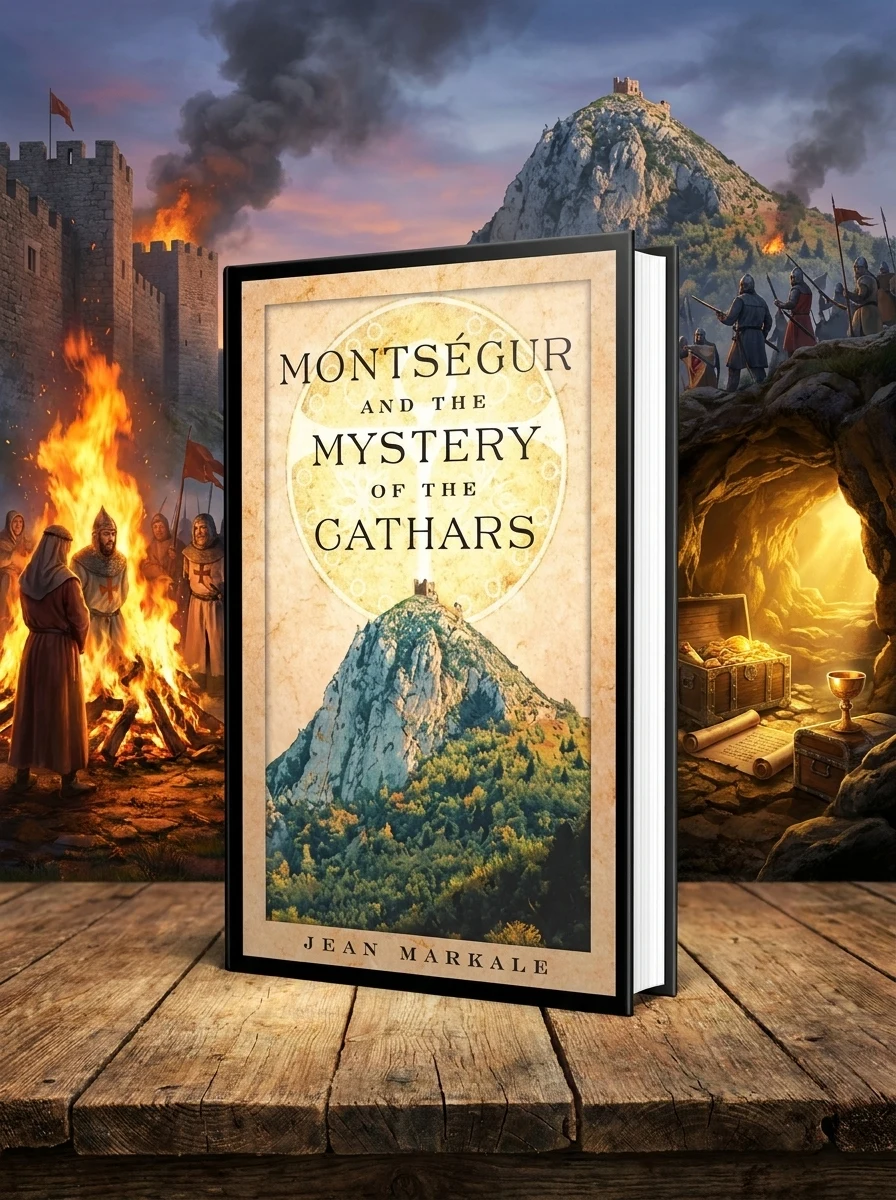
Uncover the spiritual legacy of Montségur beyond the Inquisition's fire and Grail legends.
Jean Markale dismantles the caricature of the Cathars as mere heretics, revealing a profound mystical tradition rooted in ancient wisdom. This volume explores the tragic fall of Montségur in 1244 not just as a military defeat, but as the suppression of a powerful sovereign spiritual force. Markale meticulously traces the sect's Zoroastrian and Celtic origins, offering a scholarly yet accessible narrative that separates historical fact from the romanticized myths of lost treasures and magical weapons. It is an essential guide for understanding the true philosophical depth of this persecuted movement.
This work sits within the tradition of esoteric history and comparative religion, challenging mainstream narratives of medieval Christianity by exploring alternative spiritual lineages. It bridges scholarly historical analysis with occult interests in suppressed mystical traditions.


📝 Description: Montsegur and the Mystery of the Cathars
💎 Expert review
📖 Why choose it
Why this book is worth reading
Readers deeply interested in the hidden currents of Western spirituality will find this book a revelatory experience. It is specifically designed for those weary of the standard Inquisition-centric narratives that reduce complex spiritual movements to mere criminality. By dismantling caricatures, Markale offers a profound look at the Cathars as custodians of ancient wisdom rather than simple heretics. Those seeking to understand the philosophical depth behind the tragic fall of Montségur will gain a clearer picture of this sovereign spiritual force. It is ideal for historians of ideas and occultists alike who wish to separate factual history from romanticized myths about lost treasures or magical weapons, providing an essential guide to a persecuted movement's true legacy.
⭐ Reader reviews
Reader rating
Finally got around to ordering this. The historical context alone makes it worth the price. Deserves a place on any esoteric bookshelf.
Long-time student of the esoteric here. I found myself reading passages aloud just to sit with them. The language takes some getting used to, but it becomes part of the charm. My only quibble is the cover feels thinner than expected. Still worth having on the shelf.
Bought this as a gift for my sister and ended up ordering a second copy for myself. Some chapters demand a slow, careful read, and that's exactly the point. The material is presented clearly and the structure makes it easy to revisit key passages.
Long-time student of the esoteric here. There's real depth here that reveals itself on a second reading. Challenging in places, but never needlessly obscure. My only regret is not ordering it sooner.
Markale provides a compelling counter-narrative to the dominant historical record, successfully humanizing the Cathars and illuminating their Zoroastrian and Celtic roots. The prose is accessible enough for general readers while maintaining scholarly rigor regarding their philosophical underpinnings. However, this book does not suit those seeking dry, strictly academic historiography devoid of interpretive theory, nor will it appeal to readers who prefer traditional Catholic apologetics or who are solely interested in the romanticized legends of the Holy Grail rather than the actual spiritual practices. It is a strong choice for those open to alternative religious histories but may frustrate purists who demand secular detachment.
❓ Frequently asked questions
📖 Who should read this
Readers interested in medieval history, Christian mysticism, and the suppression of alternative spiritual paths. Ideal for those tired of Grail fantasies and seeking a rigorous, scholarly look at the Cathars' actual beliefs and political context.
🎯 Key themes and symbolism
Cathar Origins and Roots
The author traces the sect's lineage back to ancient Zoroastrianism and Celtic dualism, arguing that their beliefs were not a Christian deviation but a synthesis of older, pre-Christian spiritual traditions that emphasized the duality of light and matter.
Montségur as Spiritual Center
Rather than a simple fortress, Montségur is presented as the heart of Occitan sovereignty and spiritual resistance. The text examines the 1244 siege as a pivotal moment where political power clashed with a deeply entrenched mystical community, highlighting the cost of their defiance.
Debunking Treasure Myths
Markale critically analyzes the legend of the 'lost treasure' carried out by perfecti, distinguishing between the historical escape of the clergy and the later romantic fantasies of Huguenots and Nazi occultists who sought a magical artifact rather than understanding the sect's philosophy.
💬 Quotes from the book
“The fire of Montségur was not merely an execution, but the extinguishing of a unique spiritual light in Western history.”
“To find the treasure, one must look beyond the legends of gold and toward the wisdom they carried.”
📜 Historical context
📚 Glossary
- Perfecti
- Dualism
- Occitain Sovereignty
📔 Questions to reflect on
- How does the suppression of a spiritual tradition affect the way history records its beliefs?
- In what ways do modern myths about 'lost treasures' distract from the actual philosophical contributions of persecuted groups?
- Reflect on the concept of sovereignty: can a spiritual community hold political power without becoming the very thing it opposes?
✍️ More books by this author Markale, Jean
All books by this author →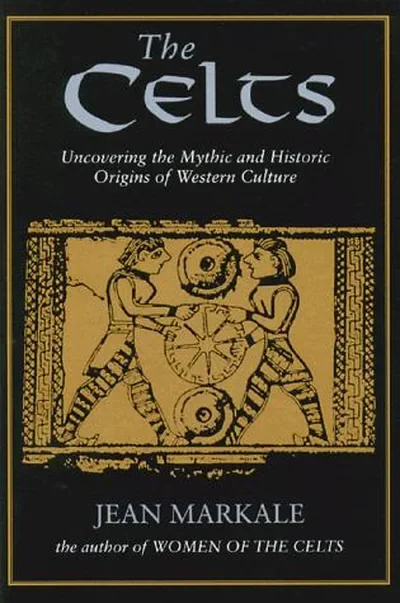
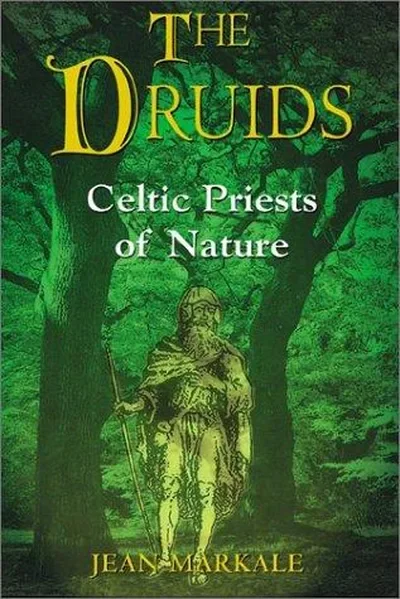
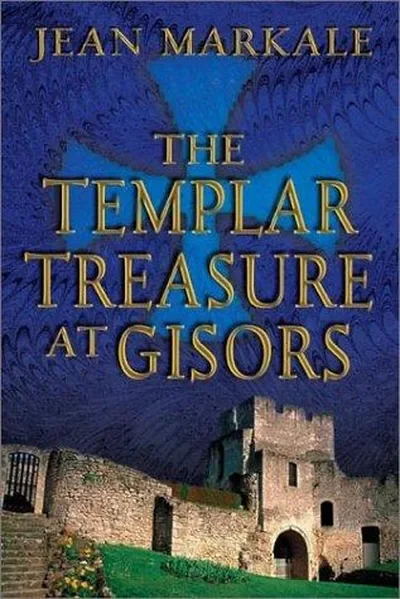
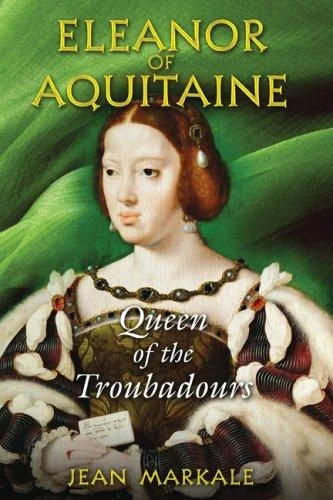
🏛 Books from this publisher Inner Traditions International
All books from this publisher →



You might also like
See more →