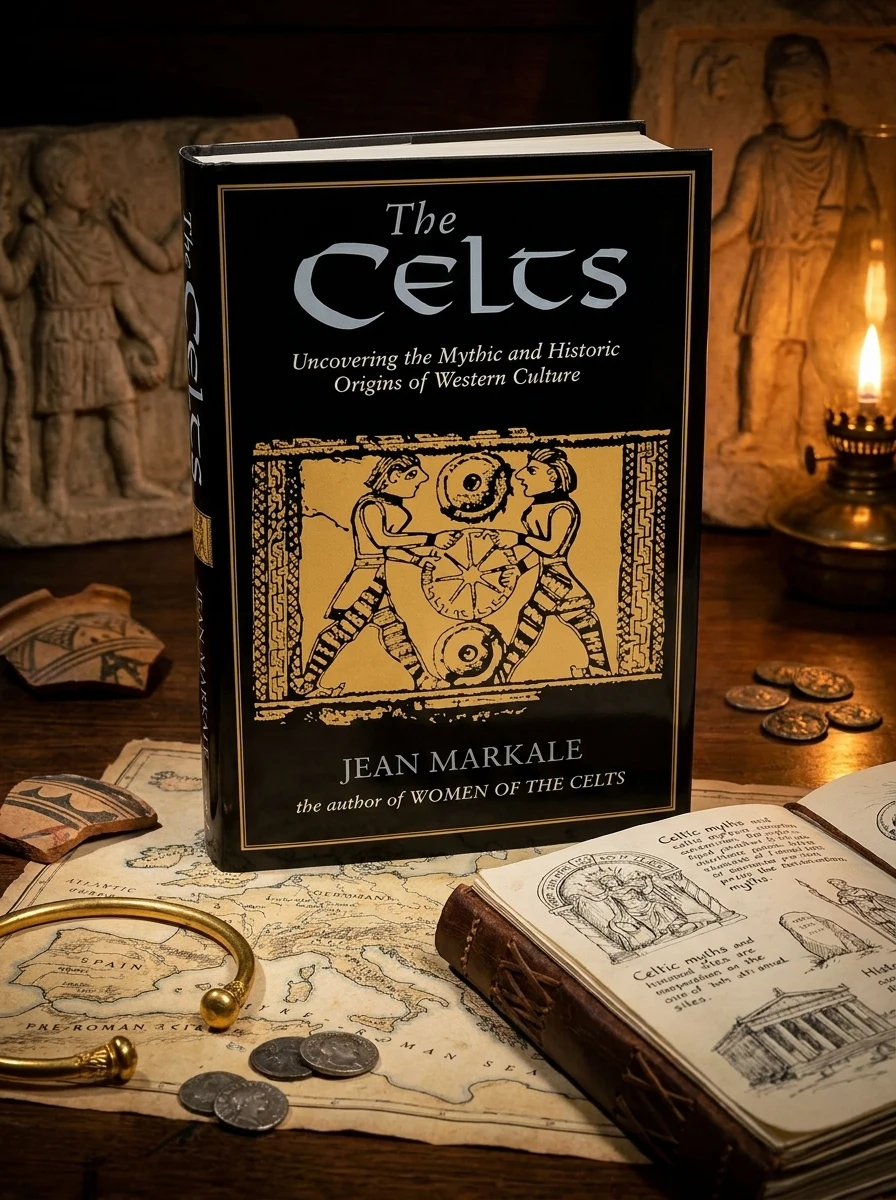
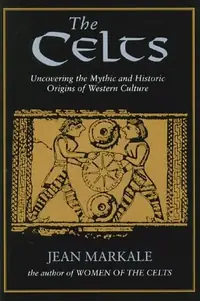
The Celts: Uncovering the Mythic and Historic Origins of Western Culture
Markale, Jean

This edition can be ordered. No arrival date is confirmed.
Celtic myth is not mere fantasy, but the living root of European civilization.
Jean Markale challenges the historical marginalization of the Celts, positioning them as the true architects of Western identity rather than a footnote to Rome. By treating mythology as historical data, he reconstructs a society that shaped social, political, and literary values across a millennium. This work restores dignity to a culture often dismissed as primitive, revealing a vibrant, enduring spirit that continues to influence modern thought and spirituality.
This work sits firmly within the tradition of esoteric historiography and mytho-historical reconstruction, challenging mainstream academic narratives by treating Celtic mythology as primary historical data. It aligns with Inner Traditions' focus on recovering pre-Christian spiritual frameworks that inform Western identity.


📝 Description: The Celts: Uncovering the Mythic and Historic Origins of Western Culture
💎 Expert review
📖 Why choose it
Why this book is worth reading
Readers seeking to understand the spiritual foundations of European culture will find profound value in this text. It is ideal for those who feel disconnected from traditional historical accounts that marginalize indigenous wisdom. By repositioning the Celts as architects rather than footnotes, Markale offers a dignified restoration of a vibrant spirit. This book serves anyone interested in how ancient mythic structures continue to shape modern social and literary values. It is particularly rewarding for seekers of alternative histories who desire a narrative that honors the enduring influence of pre-Christian thought on Western civilization.
⭐ Reader reviews
Reader rating
My third book from this store and this one might be the best. The historical context alone makes it worth the price. A few pages arrived with light corner wear, though nothing serious.
Grabbed this during a weekend order. A text you study rather than simply read.
I keep coming back to this one. The language takes some getting used to, but it becomes part of the charm. I found myself reading passages aloud just to sit with them. Definitely recommend.
I keep coming back to this one. It rewards patience more than any book I've bought this year. The text itself is dense but rewarding — you get out what you put in. Deserves a place on any esoteric bookshelf.
First purchase from this shop. The typesetting is comfortable for study, with good margins for notes. It connects ideas I'd only seen treated separately elsewhere. A keeper.
Markale’s approach is bold, treating mythology as literal history to reconstruct a society often dismissed as primitive. While this perspective effectively restores dignity to Celtic culture, it may alienate readers strictly adhering to conventional academic historiography or those skeptical of mythic literalism. The work shines for its passionate defense of Celtic identity and its claim to Western origins. However, scholars demanding rigorous archaeological citation rather than mythic interpretation might find the methodology lacking. It is an essential read for spiritual explorers but less suitable for rigid positivists who reject the validity of myth as historical evidence.
❓ Frequently asked questions
📖 Who should read this
Readers seeking to understand the spiritual foundations of Europe beyond the Greek and Roman narratives. Ideal for those interested in pre-Christian history, the continuity of pagan traditions, and the intellectual heritage that underpins modern Western culture.
🎯 Key themes and symbolism
Celtic historiography
Myth as history
European cultural roots
💬 Quotes from the book
“Celtic civilization occupied the whole of Western Europe for more than a millennium.”
“Unlike the Middle Eastern forerunners of the Greco-Roman world, Celtic civilization is still alive today.”
📜 Historical context
📚 Glossary
- Hegemony
- Mythic History
- Precedent
📔 Questions to reflect on
- How might your understanding of European history change if myth were treated as primary source material?
- In what ways do you see Celtic values reflected in modern social or political structures?
- What does it mean for a 'dead' civilization to remain spiritually alive in the present day?
✍️ More books by this author Markale, Jean
All books by this author →
🏛 Books from this publisher Inner Traditions International
All books from this publisher →


You might also like
See more →