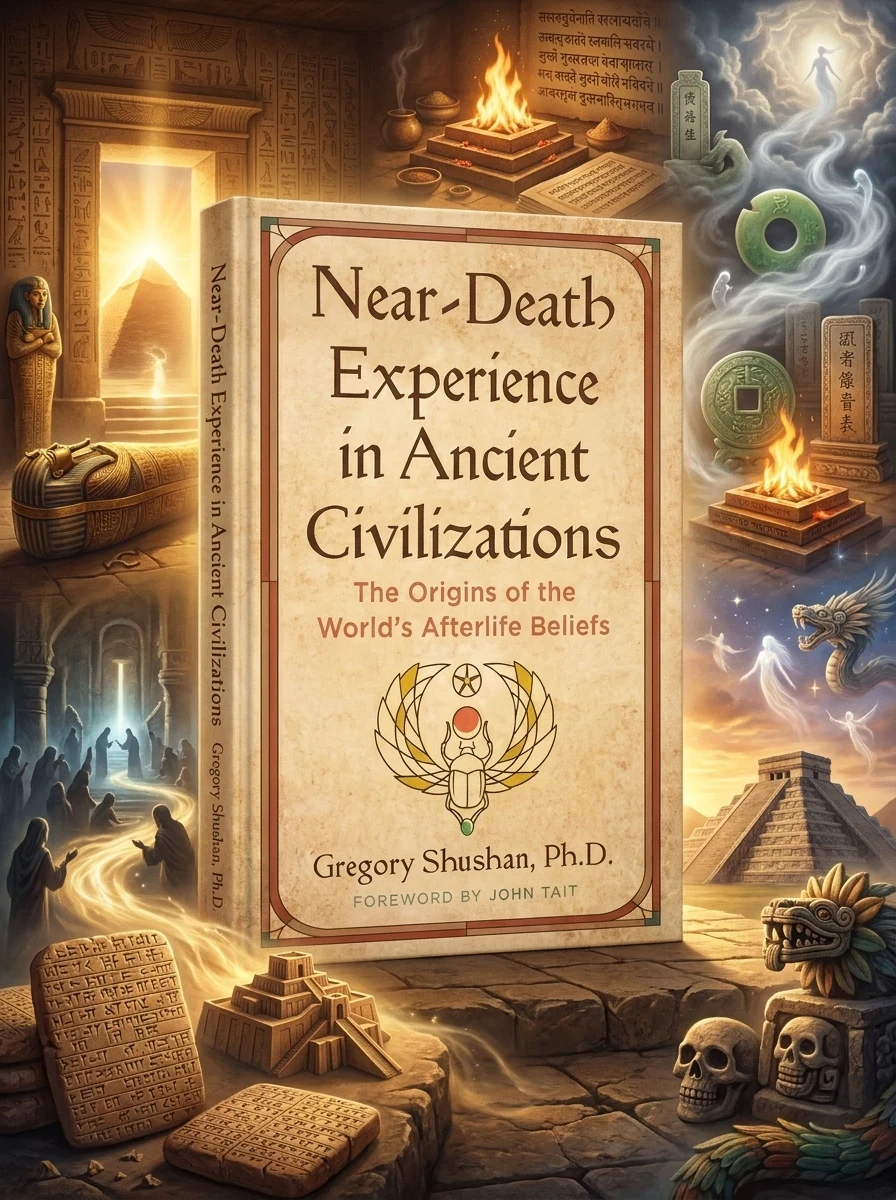
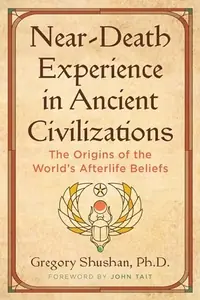
Near-Death Experience in Ancient Civilizations: The Origins of the World's Afterlife Beliefs (Edition, Revised and Updated of Conceptions of the After
Stock reported in the catalog; fulfillment is confirmed with your request.
Did ancient near-death experiences carve the very foundations of our deepest afterlife beliefs?
This compelling work delves into the profound connection between near-death experiences (NDEs) and the foundational afterlife beliefs of antiquity. Dr. Shushan meticulously examines the eschatological traditions of Old and Middle Kingdom Egypt, Mesopotamian civilizations, Vedic India, pre-Buddhist China, and Mesoamerican cultures like the Maya and Aztec. He posits that the striking parallels found across these independently developed societies are not mere chance, but rather evidence of NDEs universally shaping humanity's understanding of death and the beyond, profoundly influencing early religious thought and ritual practices.
This work sits at the intersection of comparative religion and esoteric history, investigating how ancient civilizations formulated their spiritual views on death. It bridges the gap between modern psychological phenomena and traditional mythological frameworks across multiple global cultures.


📝 Description: Near-Death Experience in Ancient Civilizations: The Origins of the World's Afterlife Beliefs (Edition, Revised and Updated of Conceptions of the After
💎 Expert review
📖 Why choose it
Why this book is worth reading
Readers fascinated by the universal threads of human spirituality will find this book a captivating exploration of how near-death experiences shaped ancient afterlife beliefs. Gregory Shushan and John Tait offer a rigorous yet accessible analysis of eschatological traditions from Egypt, Mesopotamia, India, China, and Mesoamerica. It is ideal for those seeking to understand the psychological and cultural roots of religious thought. By highlighting striking parallels across independent societies, the authors provide a compelling argument for a shared human experience of death. This book is perfect for students of comparative mythology, historians of religion, and anyone curious about the origins of our deepest spiritual convictions regarding the beyond.
⭐ Reader reviews
Reader rating
This scholarly yet accessible text provides a robust examination of how near-death experiences influenced ancient religious frameworks across diverse cultures. The authors successfully argue that these universal parallels are not coincidental but foundational to early eschatological thought. However, readers seeking light entertainment or purely fictional narratives will find this dense academic work unsuitable. It demands attention to historical detail and comparative analysis, making it less appropriate for those uninterested in rigorous theological or anthropological study. The book is best suited for dedicated scholars and serious enthusiasts of occult philosophy who appreciate detailed cross-cultural comparisons rather than casual readers looking for quick spiritual insights or simple answers.
❓ Frequently asked questions
📖 Who should read this
If you're fascinated by the origins of religious belief, the mysteries of consciousness, or the timeless human quest to understand death, this book offers a groundbreaking perspective. It's for anyone seeking to bridge ancient wisdom with modern understanding of transformative experiences.
🎯 Key themes and symbolism
Near-Death Experience Influence
This book argues that encounters with the threshold of death, or NDEs, weren't just personal events but formative experiences that deeply influenced the mythological and spiritual frameworks of ancient societies. It explores how these profound moments shaped early religious doctrines and ritual practices.
Universal Afterlife Concepts
Shushan undertakes a rigorous comparative study of afterlife beliefs from diverse ancient civilizations, highlighting remarkable similarities that defy purely cultural or independent development. The work suggests these consistent threads point towards a common, universal origin for core eschatological ideas across cultures.
Ancient World Eschatology
The text provides an in-depth look at the death and afterlife conceptions prevalent in specific ancient societies: Egypt, Mesopotamia, India, China, and Mesoamerica. It carefully dissects their unique beliefs while simultaneously drawing connections to the broader thesis of NDE impact on their spiritual frameworks.
💬 Quotes from the book
“The recurring motif of a luminous guide or a journey through a tunnel, so prevalent in modern NDE accounts, echoes eerily in the earliest mythologies of the underworld.”
“While geographically disparate, these ancient cultures independently conceived of an afterlife structured by remarkably similar trials, guardians, and realms, suggesting a common experiential root.”
📜 Historical context
📚 Glossary
- Eschatology
- Near-Death Experience (NDE)
- Cross-Cultural Comparison
📔 Questions to reflect on
- How might ancient humanity's understanding of consciousness have been shaped by experiences at the brink of death, and how does that compare to modern perspectives?
- Considering the striking similarities in ancient afterlife beliefs, what does this imply about the universality of human experience or the nature of reality itself?
- If NDEs are indeed a source of religious and mystical traditions, what new interpretations might we derive from sacred texts or rituals when viewed through this lens?
🏛 Books from this publisher Inner Traditions International
All books from this publisher →


You might also like
See more →
 91
91