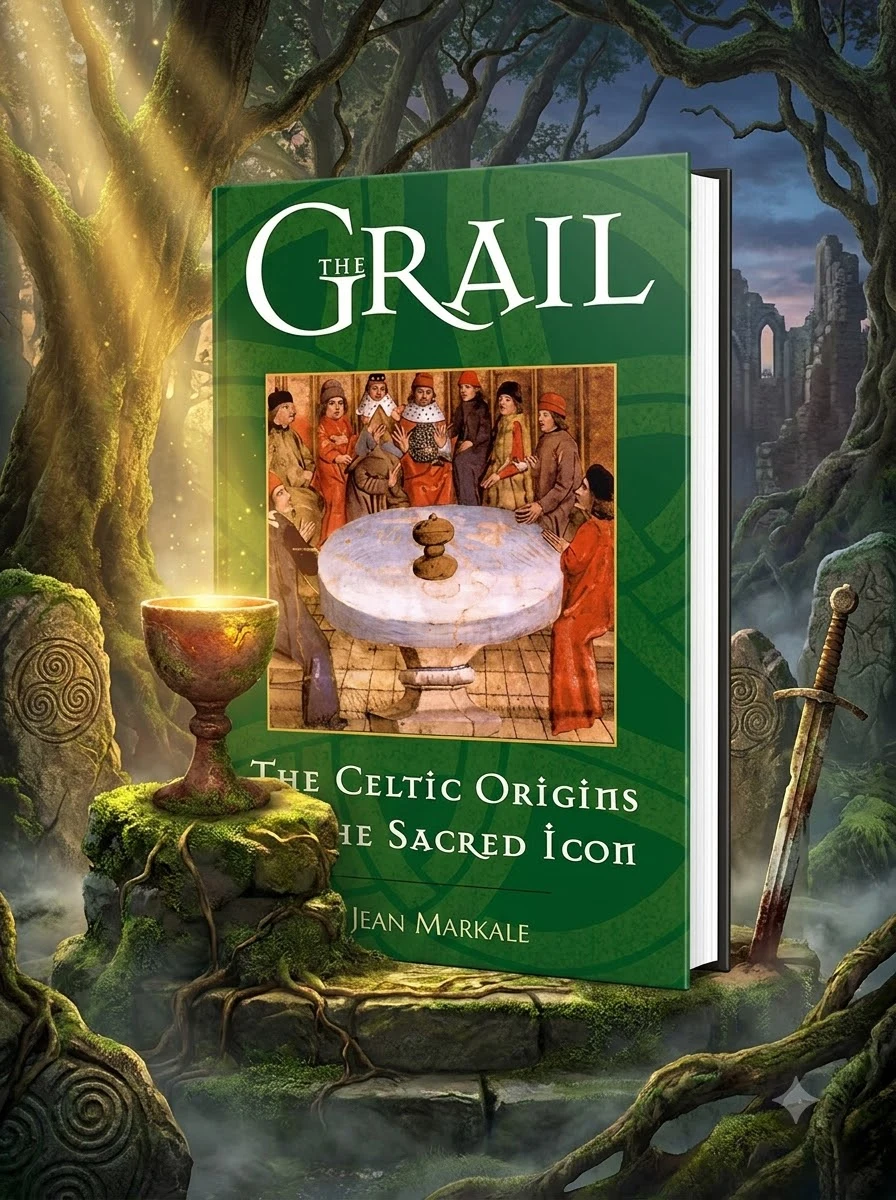
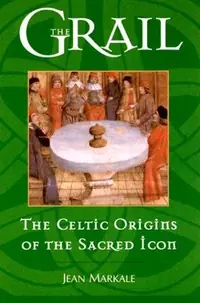
The Grail: The Celtic Origins of the Sacred Icon (Us)
Markale, Jean

This edition can be ordered. No arrival date is confirmed.
Uncover the Grail's true lineage, stripping away centuries of Christian myth to reveal its ancient Celtic heart.
Dive into Jean Markale's groundbreaking exploration of the Grail, a sacred icon often misunderstood. This seminal work meticulously peels back layers of Christian interpretation to expose the potent, pre-Christian Celtic origins of the Grail legend. Markale, a leading authority on Celtic civilization, argues convincingly that the Quest itself, rather than a singular object, embodies the archetypal human journey for spiritual meaning. Discover how these ancient narratives, rich with distinct spirituality, influenced the Arthurian cycles and continue to resonate deeply with seekers today.
This work sits firmly within the study of Celtic civilization and esoteric history, challenging established Christian interpretations of Arthurian legend. It bridges ancient pagan spirituality with modern occult inquiry by focusing on pre-Christian origins.


📝 Description: The Grail: The Celtic Origins of the Sacred Icon (Us)
💎 Expert review
📖 Why choose it
Why this book is worth reading
Readers deeply interested in the roots of Western spirituality will find this book essential for understanding the Grail not merely as a relic, but as a profound spiritual archetype. Jean Markale offers a compelling alternative to traditional religious narratives, appealing to those who seek the ancient Celtic heart behind famous legends. It is ideal for seekers exploring the archetypal human journey for meaning beyond conventional dogma. By stripping away centuries of Christian myth, the text reveals potent pre-Christian origins that continue to resonate with modern spiritual explorers. This guide serves as a vital key for anyone wishing to grasp the distinct spirituality influencing Arthurian cycles and the broader quest for inner truth in an esoteric context.
⭐ Reader reviews
Reader rating
Markale provides a rigorous deconstruction of the Grail mythos, offering fresh insights into its Celtic foundations. However, readers seeking traditional religious devotion or strict historical chronology may find the spiritual reinterpretation unsatisfying. It is less suited for those who prefer established theological frameworks over esoteric speculation. The work excels in connecting ancient narratives to modern spiritual quests, yet it demands an open mind regarding non-Christian interpretations of sacred iconography. While authoritative on Celtic culture, its focus on the Quest as an archetype rather than a physical object might disappoint literalists. Ultimately, it is a stimulating challenge to conventional wisdom for those ready to engage with alternative spiritual histories.
❓ Frequently asked questions
📖 Who should read this
If you're drawn to the profound mysteries of Arthurian legend, Celtic spirituality, or the esoteric meaning behind sacred symbols, this book is essential reading. It offers a paradigm shift for anyone seeking to understand the Grail beyond its conventional Christian interpretations.
🎯 Key themes and symbolism
Celtic Roots of the Grail
Markale demonstrates that the Grail's core identity is deeply embedded in ancient Celtic traditions, existing long before its appropriation into Christian narratives. He meticulously traces its mythical lineage to pre-existing sacred objects and spiritual concepts within Celtic lore, highlighting its pagan essence rather than its later religious symbolism. This re-establishes its indigenous spiritual significance.
The Archetypal Quest
This volume posits the Quest for the Grail as a universal human archetype for spiritual seeking, transcending specific religious contexts. Markale illustrates how the journey itself, with its trials and transformations, is more fundamental than the object sought. It represents an inward odyssey towards enlightenment or self-discovery, a potent symbol for any individual's pursuit of profound meaning.
Deconstructing Christian Layers
The book systematically dismantles the pervasive Christian veneer that has obscured the Grail's original meaning for centuries. Markale reveals how medieval storytellers adapted Celtic myths, often subtly, to align with emerging Christian doctrines. By stripping away these overlays, he empowers readers to access the raw, untamed spirituality of the original tales and their profound cultural impact.
💬 Quotes from the book
“The true Grail is not merely a vessel of salvation, but a primal cauldron of transformation, echoing the untamed magic of the ancient world.”
“To truly comprehend the Grail, one must first recognize the Quest not as a journey to a thing, but as an awakening within the self.”
📜 Historical context
📚 Glossary
- Grail
- Archetype
- Celtic Spirituality
📔 Questions to reflect on
- Reflect on a 'quest' in your own life. How did the journey itself, rather than the ultimate goal, define your experience or transformation?
- Consider a sacred symbol or story you're familiar with. What hidden or alternative interpretations might lie beneath its commonly accepted meaning?
- How might understanding the Celtic roots of familiar myths deepen your connection to ancient traditions or inform your personal spiritual path?
✍️ More books by this author Markale, Jean
All books by this author →
🏛 Books from this publisher Inner Traditions International
All books from this publisher →



You might also like
See more →