
US shipping Secure card payment Occult and esoteric books

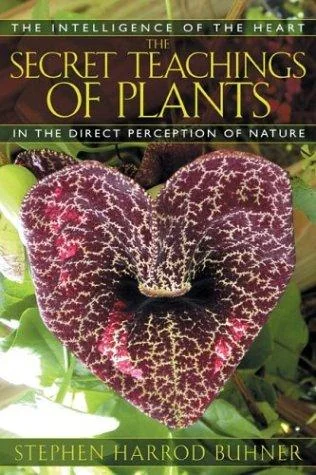
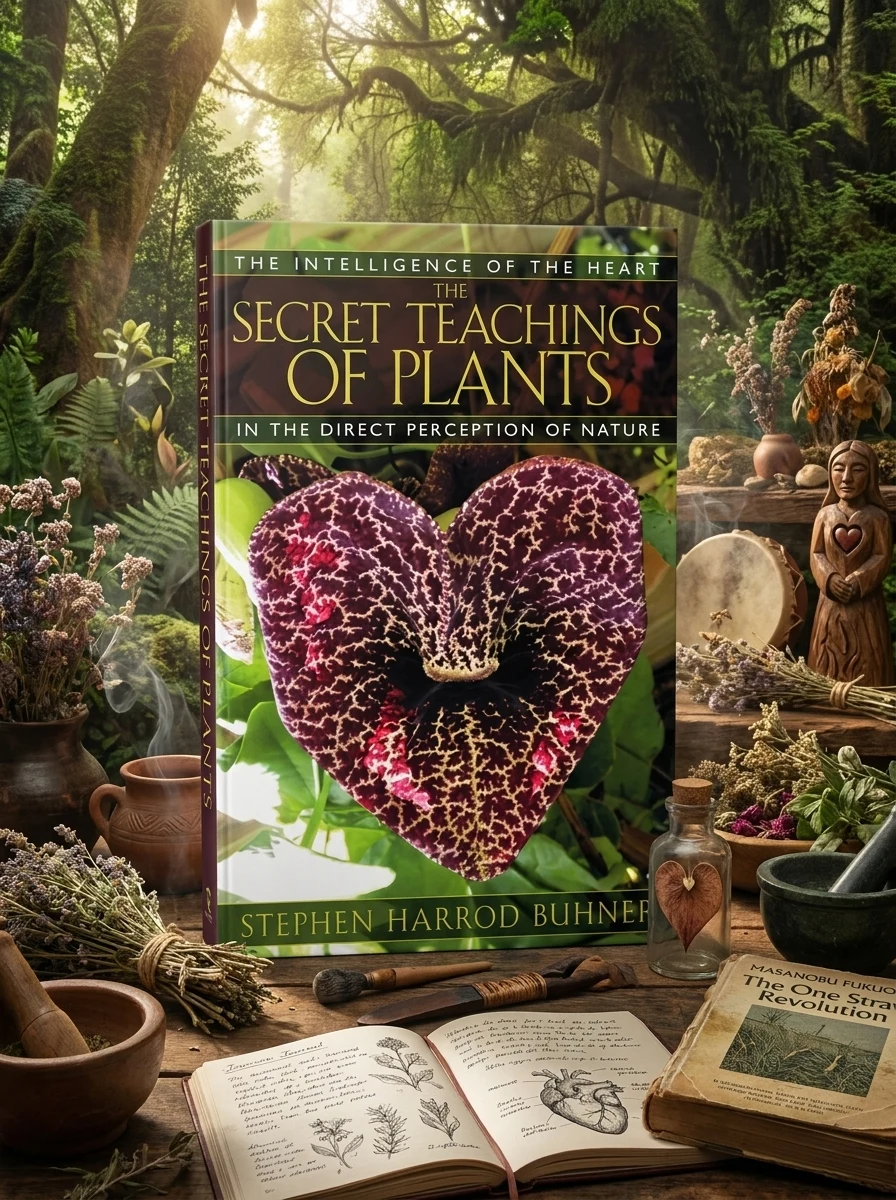
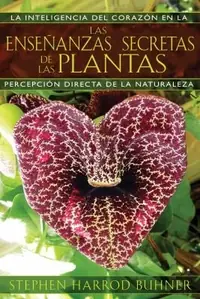
Las Enseñanzas Secretas de Las Plantas: La Inteligencia del Corazón En La Percepción Directa de la Naturaleza Buhner, Stephen Harrod

Buhner, Stephen Harrod
Reader rating
4.7
(1 reviews) 60 sold
Availability to be confirmed

This edition can be ordered. No arrival date is confirmed.

📚 ABOUT THE BOOK

Unveil the ancient art of listening to plants, unlocking their secret wisdom.

Stephen Harrod Buhner's work invites readers to rediscover a profound way of knowing nature, one rooted in direct perception rather than mere scientific observation. This book delves into the methodologies, both historical and indigenous, for intimately understanding plants and their medicinal properties. It argues that true botanical knowledge stems from a deep, heart-centered connection with the green world itself, a connection often dismissed by modern Western thought. By exploring the practices of figures like Thoreau and the wisdom of aboriginal cultures, Buhner guides us toward a more intuitive, holistic interaction with plant intelligence for healing and ecological balance.

Key themes
Direct Plant Perception Indigenous Botanical Wisdom Holistic Healing Intelligence
Historical context

This work sits firmly within the contemporary esoteric and herbalist tradition, bridging indigenous wisdom with modern ecological consciousness. It challenges the dominant Western scientific paradigm by advocating for a heart-centered, intuitive approach to botany.


Difficulty
●● Moderate
Fans will love it
Matthew Wood · David Frawley · Robin Wall Kimmerer
🕯️ Occult Philosophy
🏛 Inner Traditions International 📅 2012 📖 352 pages 📔 Paperback 📐 Paperback ISBN: 9781594774140
Fun fact
Buhner offers a truly transformative perspective, challenging the mechanistic view of nature prevalent in modern society. This work excels at articulating a path towards re-enchanting our relationship with the plant kingdom, drawing on compelling examples from diverse traditions. While it might disappoint those seeking a straightforward 'how-to' guide for herbalism, it will deeply resonate with readers eager to cultivate a more spiritual and intuitive understanding of ecology and healing. It stands as a vital voice advocating for a return to heart-centered wisdom in a world starved for genuine connection.

📝 Description: Las Enseñanzas Secretas de Las Plantas: La Inteligencia del Corazón En La Percepción Directa de la Naturaleza Buhner, Stephen Harrod

Revela el uso de la percepción directa en la comprensión de la naturaleza, las plantas medicinales, y la sanación de las enfermedades humanas - Explora las técnicas utilizadas por los pueblos aborígenes y occidentales para aprender directamente de las propias plantas, incluidas las técnicas de Henry David Thoreau, Goethe, y Masanobu Fukuoka, autor de The One Straw Revolution [ La revolución de una brizna de paja] La humanidad no puede sobrevivir sin las propiedades nutricionales y medicinales de las plantas. Se ha calculado que el número de especies vegetales que hay en nuestro planeta oscila alrededor de 400.000, y muchas de estas especies son aún desconocidas para la humanidad. Si bien los botanistas occidentales sólo han identificado y clasificado una pequeña fracción de ese total, se puede afirmar con seguridad que muchas de las plantas desconocidas en Occidente son conocidas para los pueblos aborígenes que viven en los entornos naturales de esas plantas. Todos los pueblos antiguos y aborígenes afirman que sus conocimientos sobre remedios botánicos provienen de las propias plantas y no de la experimentación a través de pruebas y errores. Un dato menos conocido es que estas enseñanzas sobre las plantas constituyen la base de muchos de los descubrimientos modernos tanto en la medicina como en la alimentación de origen vegetal. En todas partes del mundo existe la tradición de la percepción directa de la naturaleza a través de la "inteligencia del corazón". Los descubrimientos recientes de la neurociencia han demostrado que más del 50 por ciento del corazón está compuesto por células neurales. En realidad, el corazón es un cerebro por derecho propio. La percepción centrada en el corazón puede ser excepcionalmente precisa y detallada en lo que respecta a su potencial de recopilación de información, como afirman los pueblos antiguos y aborígenes. Stephen Harrod Buhner explora minuciosamente esta modalidad de percepción centrada en el corazón. Incluye información de vanguardia sobre los mecanismos físicos de la cognición basada en el corazón y explora las obras de muchos autores extraordinarios que percibieron el mundo con el corazón, como Henry David Thoreau; Luther Burbank, quien cultivó la mayoría de las plantas alimenticias que ahora consumimos sin pensar en su procedencia; George Washington Carver; Masanobu Fukuoka, y el gran poeta y científico alemán Goethe, que estudió la metamorfosis de las plantas. Buhner nos muestra cómo estos grandes pensadores adquirieron una percepción directa de la naturaleza mediante el uso de las capacidades cognitivas del corazón. El autor proporciona el conocimiento y las técnicas necesarios para desarrollar la percepción basada en el corazón, que es nuestro derecho de nacimiento. Nos enseña a ir descubriendo directamente de las propias plantas los usos medicinales de cada una de ellas y a comprender el proceso de creación de alma que se engendra mediante esa profunda conexión con el mundo.

💎 Expert review

💎
Esoterica Books editorial team
Occult literature desk
Buhner presents a compelling alternative to reductionist botany, emphasizing heart-centered perception over mere observation. However, skeptics or those strictly adhering to empirical scientific methods may find the reliance on 'direct perception' and 'plant intelligence' frustratingly vague. It is not suited for readers seeking clinical, data-driven pharmacological studies. Instead, it serves as a philosophical and practical manual for those willing to explore the mystical dimensions of plant communication. The prose is accessible, but the concepts require an open mind and a willingness to suspend disbelief regarding non-material forms of knowledge.
✓ EDITOR'S REVIEW

📖 Why choose it

📖

Why this book is worth reading

Readers seeking a deeper, spiritual connection with the natural world will find profound value in this guide. It is ideal for herbalists, ecologists, and philosophers who feel that conventional science lacks soul or emotional resonance. Those interested in indigenous methodologies and historical figures like Thoreau will appreciate the practical steps for direct perception. If you desire to heal your relationship with nature through intuition rather than just data, this book offers a transformative path toward holistic understanding and ecological balance.

⭐ Reader reviews

The starting rating comes from the team Esoterica Books —
⭐ Esoterica editorial review Editorial rating 4.7/5
★★★★
This book is for those yearning for a deeper, more intuitive connection with the natural world. If you're a budding herbalist, an ecological thinker, or simply curious about ancient ways of knowing, prepare to have your perceptions challenged and your spirit re-enchanted by the green intelligence…

Reader rating

4.7
Based on 1 reviews
5
0
4
1
3
0
2
0
1
0
E
Esoterica Books editorial team

Buhner presents a compelling alternative to reductionist botany, emphasizing heart-centered perception over mere observation. However, skeptics or those strictly adhering to empirical scientific methods may find the reliance on 'direct perception' and 'plant intelligence' frustratingly vague. It is not suited for readers seeking clinical, data-driven pharmacological studies. Instead, it serves as a philosophical and practical manual for those willing to explore the mystical dimensions of plant communication. The prose is accessible, but the concepts require an open mind and a willingness to suspend disbelief regarding non-material forms of knowledge.

❓ Frequently asked questions

While it discusses medicinal plants, its primary focus is on the *method* of perceiving plant intelligence rather than providing a compendium of specific remedies. It aims to teach you how to *learn from* plants yourself, not just what to use them for.
The book champions a form of direct perception that transcends conventional scientific validation, drawing from spiritual, indigenous, and intuitive traditions. While it acknowledges scientific observations, its core premise invites a paradigm shift beyond purely empirical proof.

📖 Who should read this

This book is for those yearning for a deeper, more intuitive connection with the natural world. If you're a budding herbalist, an ecological thinker, or simply curious about ancient ways of knowing, prepare to have your perceptions challenged and your spirit re-enchanted by the green intelligence around you.

🎯 Key themes and symbolism

Direct Plant Perception

The book challenges conventional scientific approaches, advocating for a return to direct sensory and intuitive engagement with plants. It explores techniques for cultivating a non-intellectual, heart-based understanding, suggesting that plants communicate their healing properties and wisdom directly to those who learn to perceive it beyond the five senses. This method bypasses trial-and-error, tapping into an ancient, inherent human capacity.

Indigenous Botanical Wisdom

Buhner highlights the knowledge systems of aboriginal and ancient peoples, asserting that their profound understanding of botanical remedies wasn't derived from experimentation but from direct communion with the plants themselves. This section underscores the invaluable, yet often overlooked, insights held by cultures that maintain a symbiotic relationship with their natural environments, offering a stark contrast to Western scientific paradigms.

Holistic Healing Intelligence

Central to the book is the idea that plants possess an inherent intelligence capable of guiding human healing. It moves beyond simply identifying plant compounds to understanding plants as sentient beings with whom we can establish a reciprocal relationship for health and well-being. This theme connects the perception of plant consciousness directly to the efficacy of herbal medicine and the restoration of human health.

💬 Quotes from the book

“The deepest truths of healing are whispered, not written, by the green world itself, if only we learn to truly listen.”

“Generations before us understood plants not as mere resources, but as sentient teachers, a forgotten wisdom we must reclaim for our own health and the planet's.”

📜 Historical context

Buhner's work stands firmly within a lineage of thinkers who champion intuitive and holistic approaches to nature, drawing explicit parallels to figures like Henry David Thoreau and Johann Wolfgang von Goethe, whose scientific observations were deeply entwined with direct sensory experience. It also resonates with indigenous epistemologies that prioritize a reciprocal relationship with the Earth, positioning itself as a vital counterpoint to purely reductionist scientific traditions.

📚 Glossary

Direct Perception
Aboriginal Knowledge
Plant Intelligence

📔 Questions to reflect on

  1. Reflect on a time you felt a profound connection to a plant or natural space. How did that experience differ from merely observing it?
  2. Consider the idea of plants as 'teachers.' What might they be trying to communicate to humanity right now, and how could you begin to listen?
  3. If you were to approach a plant with the intention of direct perception, what steps would you take to open yourself to its intelligence?

🏛 Books from this publisher Inner Traditions International

All books from this publisher →

You might also like

See more →