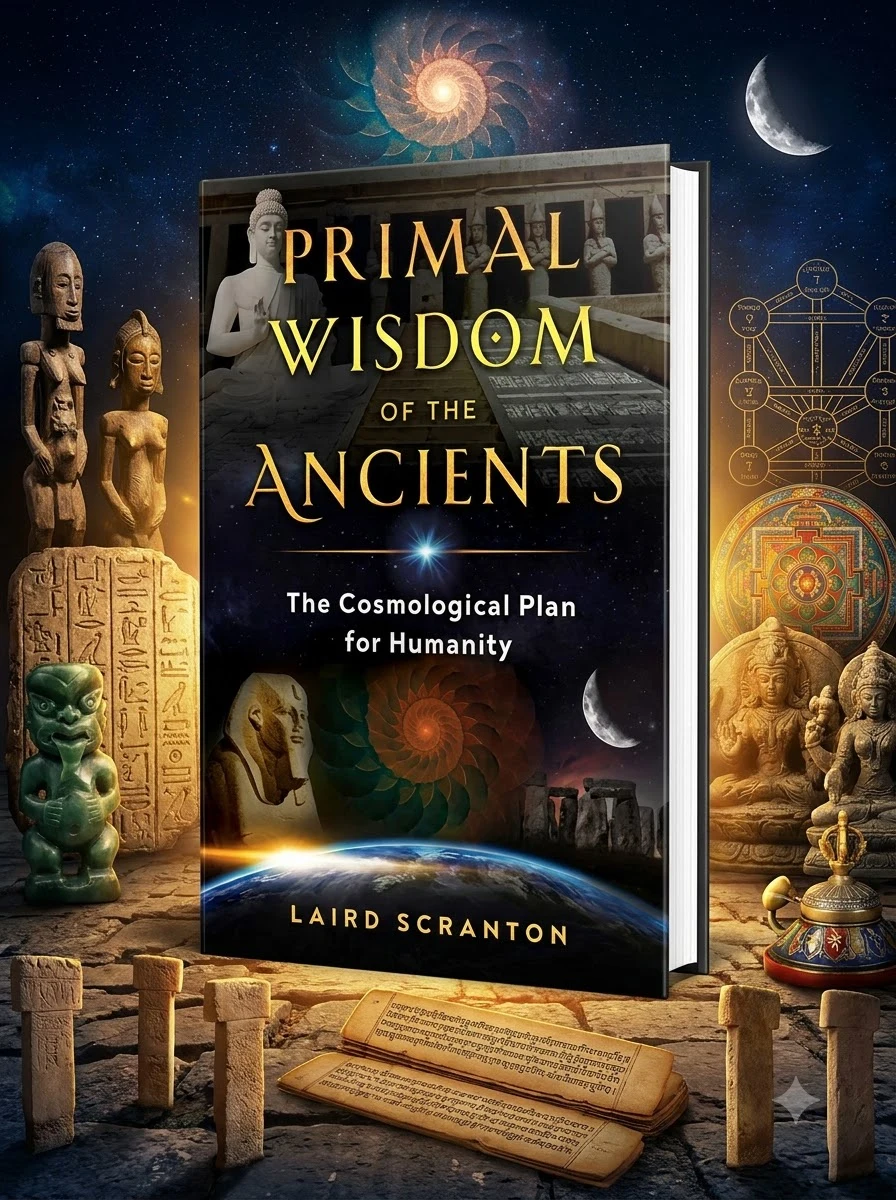
Primal Wisdom of the Ancients: The Cosmological Plan for Humanity
Scranton, Laird

Stock reported in the catalog; fulfillment is confirmed with your request.
Uncover the forgotten blueprint guiding humanity's ancient civilizations.
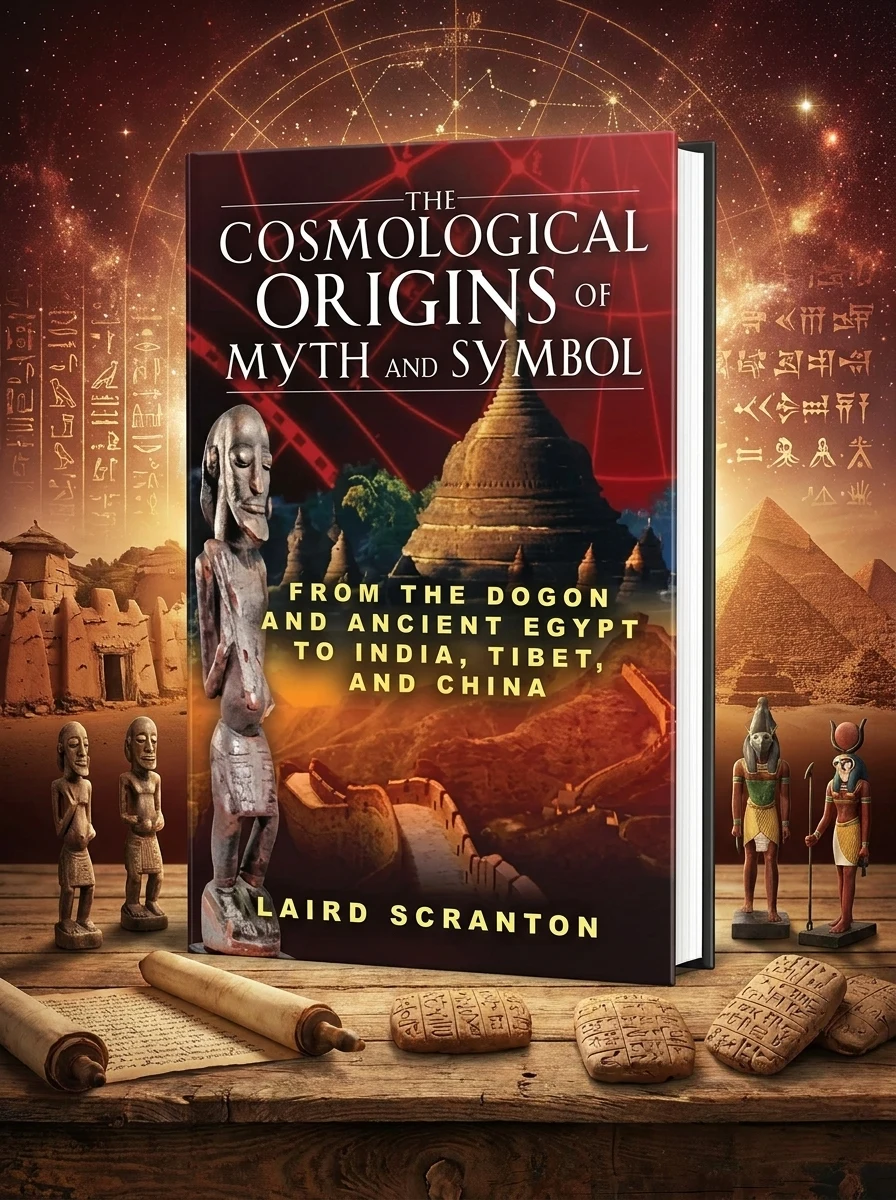
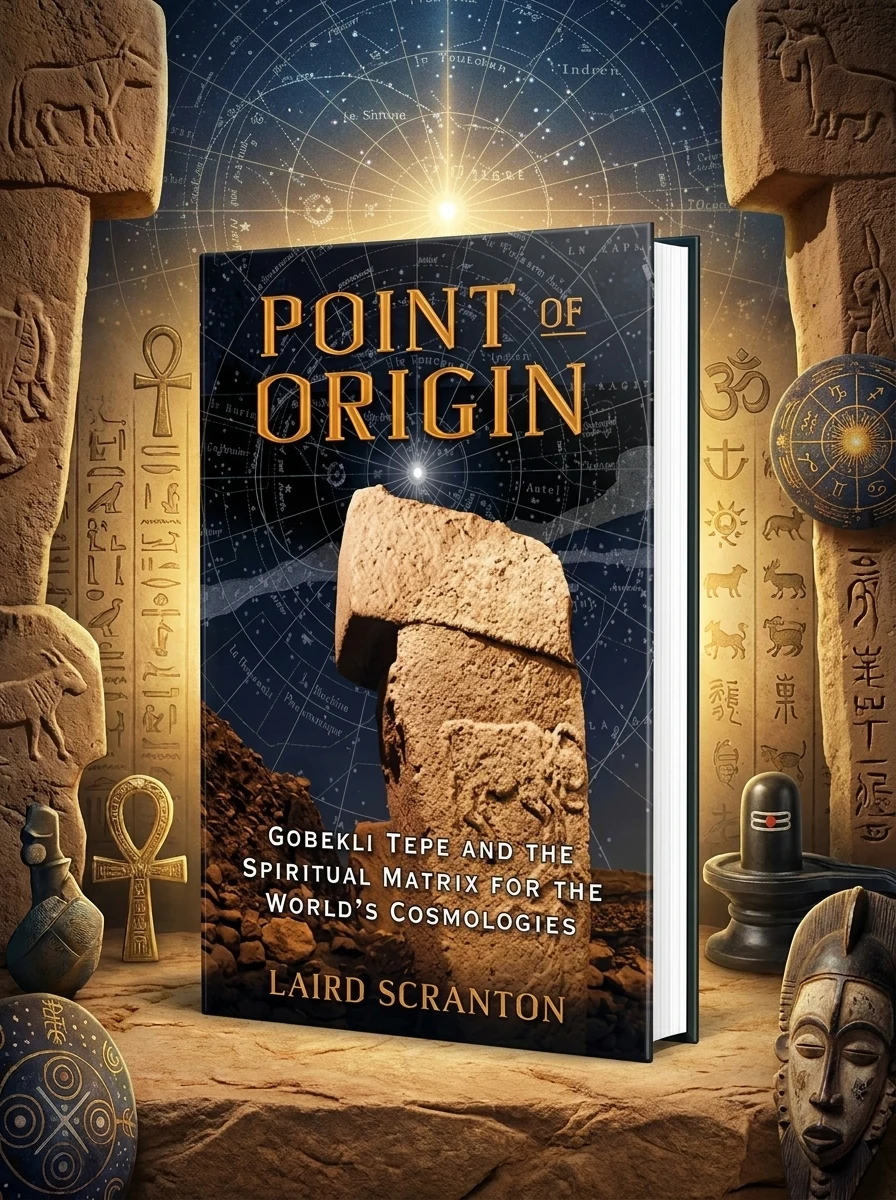
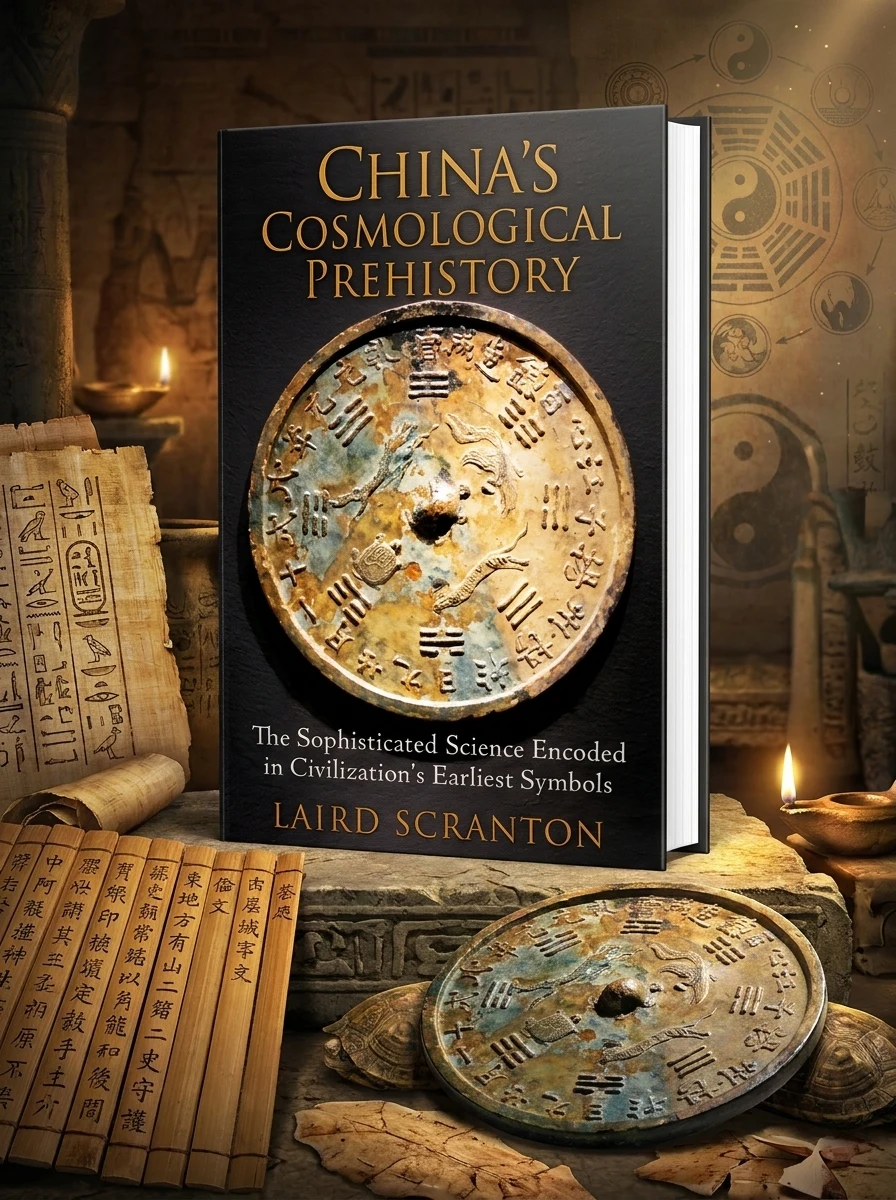
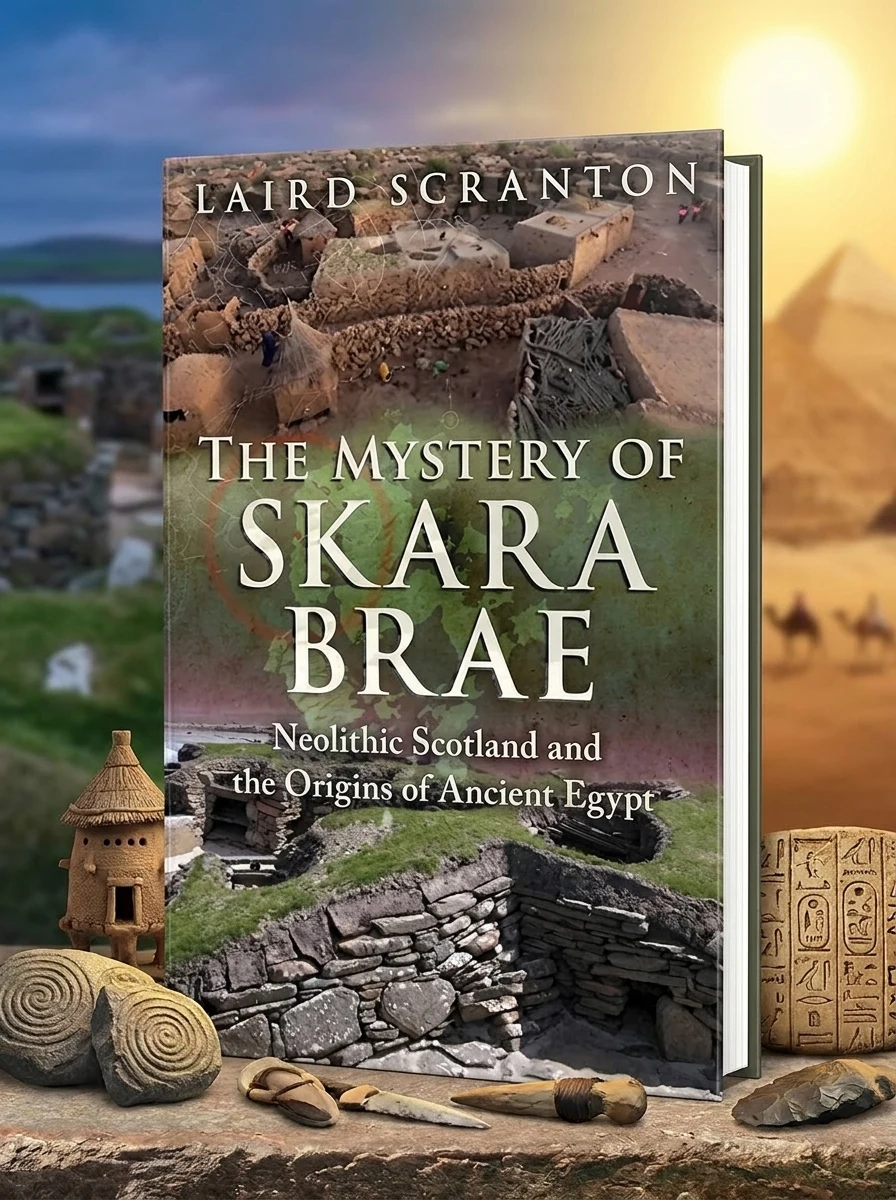
Laird Scranton delves into the profound mystery of why disparate ancient cultures, from the Dogon to the Maori, share strikingly similar cosmological beliefs and symbolic systems. This compelling work proposes that these parallels are not coincidental but rather evidence of a sophisticated, ancient "civilizing plan" — a foundational instruction transmitted across the globe. Scranton meticulously examines how this knowledge, often encoded in symbols and oral traditions, points to a shared origin, challenging conventional understandings of human development and the origins of wisdom.
This work sits firmly within the esoteric tradition of comparative mythology and ancient cosmology, exploring the hidden connections between disparate global cultures. It challenges standard historical narratives by suggesting a unified, sophisticated blueprint underlying human civilization.


📝 Description: Primal Wisdom of the Ancients: The Cosmological Plan for Humanity
💎 Expert review
📖 Why choose it
Why this book is worth reading
Readers deeply fascinated by the interconnectedness of ancient wisdom traditions will find this book profoundly rewarding. It offers a compelling framework for understanding why symbols and cosmological beliefs appear across vastly separated cultures like the Dogon and Maori. If you are tired of viewing these parallels as mere coincidence, Scranton provides a rigorous, alternative perspective that validates the depth of ancestral knowledge. This text is ideal for those seeking to uncover the forgotten blueprint of humanity's past and understand the shared origins of our symbolic systems. It invites you to look beyond conventional history and embrace a more unified view of human development.
⭐ Reader reviews
Reader rating
Scranton presents a bold thesis regarding a universal civilizing plan, yet this approach demands an open mind from the reader. While the exploration of parallels between cultures like the Maori and Dogon is intriguing, those preferring strictly empirical archaeological evidence may find the speculative nature of the 'shared origin' theory frustrating. The book requires patience with its dense symbolic analysis and may not appeal to readers seeking quick, definitive historical answers rather than philosophical inquiry. It is best suited for those already inclined toward esoteric interpretations of history.
❓ Frequently asked questions
📖 Who should read this
If you're captivated by the enduring enigmas of ancient history, comparative mythology, or the possibility of a lost, advanced human lineage, this book is for you. Prepare to have your perceptions of civilization's origins profoundly expanded.
🎯 Key themes and symbolism
Universal Ancient Instruction
Scranton argues for a singular, overarching source of advanced knowledge that informed early human societies. He highlights how diverse cultures, geographically separated, exhibit consistent patterns in their foundational myths, sacred architecture, and spiritual practices, suggesting a common origin for their "civilizing" principles.
Symbolic Knowledge Transmission
The book explores the ingenious methods ancient peoples used to preserve and pass down complex wisdom. It reveals how abstract symbols, oral narratives, and ritualistic practices served as sophisticated vehicles for transmitting cosmological understanding across generations, ensuring the continuity of these vital lessons despite the absence of widespread written records.
Cosmic Cycles & Human Destiny
A central tenet of this ancient wisdom, as presented by Scranton, is its deep connection to celestial mechanics, particularly the precessional year and the concept of 'yugas.' The text elucidates how these cosmic cycles were integrated into humanity's understanding of time and evolution, guiding their spiritual and societal development.
💬 Quotes from the book
“Across continents and millennia, the serpent coiled, the pyramid rose, bearing witness to a singular, forgotten source of cosmic understanding.”
“The very fabric of our earliest civilizations seems woven with threads of a master instruction, a cosmic blueprint once universally understood.”
📜 Historical context
📚 Glossary
- Cosmological Plan
- Precessional Year
- Yugas
📔 Questions to reflect on
- If ancient cultures shared a 'cosmological plan,' how might this alter our understanding of human ingenuity versus received knowledge?
- Consider a symbol or myth from your own cultural background. How might Scranton's ideas lead you to re-evaluate its origins or deeper meaning?
- What implications does the concept of 'cycles of time' (like yugas) have for our modern perception of progress and historical development?
✍️ More books by this author Scranton, Laird
All books by this author →
🏛 Books from this publisher Inner Traditions International
All books from this publisher →



You might also like
See more →