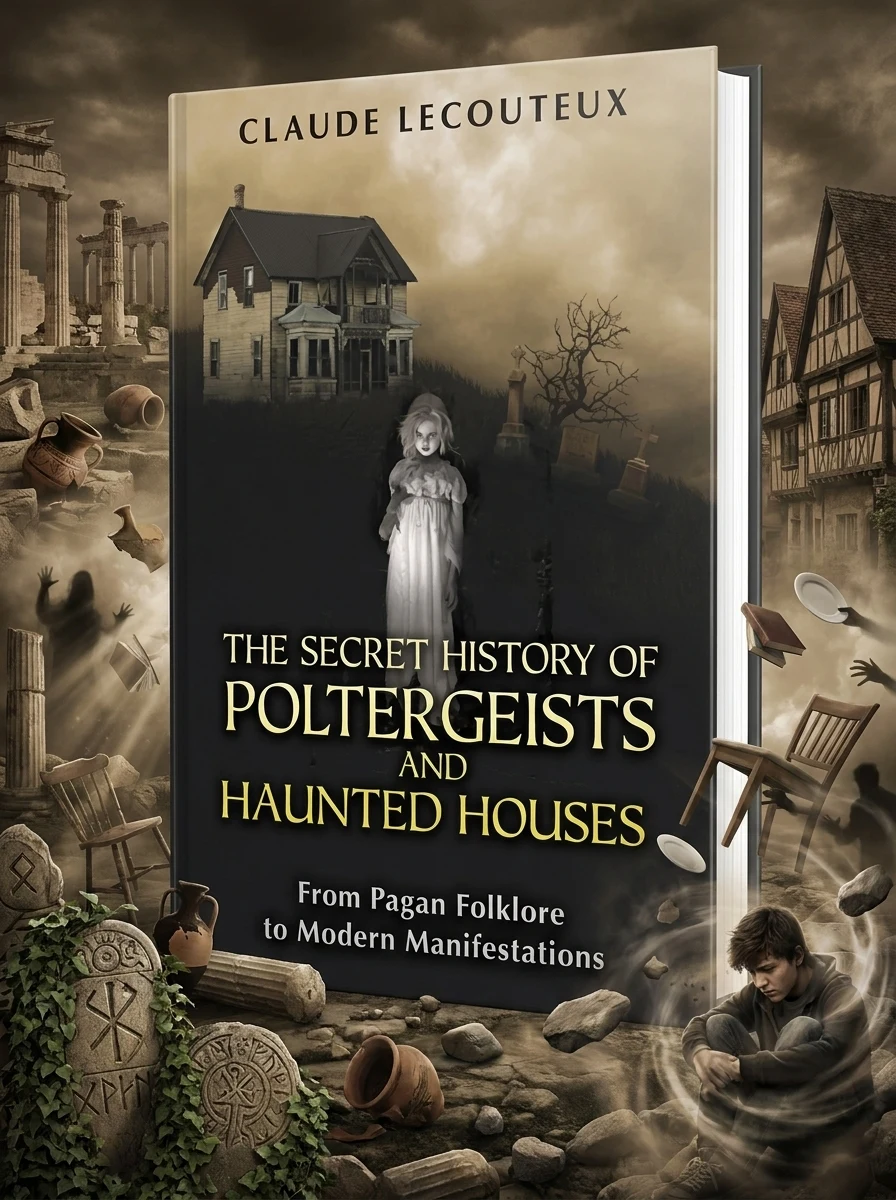
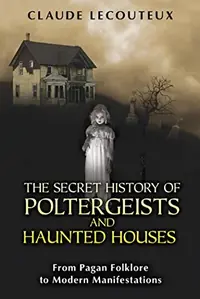
The Secret History of Poltergeists and Haunted Houses: From Pagan Folklore to Modern Manifestations
Lecouteux, Claude

This edition can be ordered. No arrival date is confirmed.
Uncover the shifting interpretations of unseen forces, from ancient spirits to modern hauntings.
Claude Lecouteux delves into the enigmatic world of poltergeists and haunted dwellings, tracing their perception across millennia. This compelling work moves beyond simple ghost stories, revealing how societal beliefs — from pagan animism to Christian demonology and Enlightenment skepticism — have shaped our understanding of these persistent, often disruptive phenomena. Through a rich collection of cross-cultural case studies, Lecouteux illuminates the profound connection between the unseen and our evolving human worldview, suggesting deeper truths behind the knocking and moving objects.
This work situates itself within the rich tapestry of occult and esoteric literature, bridging ancient pagan folklore with modern manifestations of the paranormal. It serves as a scholarly yet accessible exploration of how cultural shifts from animism to demonology have defined our relationship with unseen forces.


📝 Description: The Secret History of Poltergeists and Haunted Houses: From Pagan Folklore to Modern Manifestations
💎 Expert review
📖 Why choose it
Why this book is worth reading
Readers fascinated by the intersection of history, psychology, and the paranormal will find profound value in this exploration. It is ideal for those who seek to understand the 'why' behind hauntings rather than just the 'what'. By tracing the evolution from pagan spirits to Christian demonology, Lecouteux offers a nuanced perspective that challenges simplistic ghost stories. This book appeals to historians of religion, occult practitioners, and anyone curious about how societal beliefs shape our perception of reality. It provides a deeper truth behind the knocking and moving objects, satisfying intellectual curiosity while honoring the mystery of the unseen.
⭐ Reader reviews
Reader rating
Lecouteux delivers a compelling scholarly analysis that may disappoint readers seeking thrilling narrative horror or practical ghost-hunting guides. The text prioritizes historical context and cultural interpretation over sensationalism, making it less suitable for those who prefer straightforward supernatural fiction. However, for those willing to engage with complex ideas about animism, skepticism, and demonology, the cross-cultural case studies offer a rewarding intellectual journey. It is a serious examination of human worldview rather than a spooky bedtime read.
❓ Frequently asked questions
📖 Who should read this
If you're fascinated by the intersection of folklore, history, and the unexplained, and seek a scholarly yet accessible journey through humanity's enduring encounters with unseen forces, this book is for you. It challenges conventional views and invites deeper contemplation.
🎯 Key themes and symbolism
Historical Interpretation Shifts
The book meticulously charts how different eras, from pagan antiquity to the present, have explained poltergeist activity. It shows that while the manifestations remain consistent, the cultural lens through which they are viewed — be it helpful spirits, malevolent demons, or mere hoaxes — dramatically alters their meaning and the societal response to them.
Pagan Roots Revealed
Lecouteux unearths the pre-Christian origins of poltergeist beliefs, revealing how these phenomena were once understood as actions of ancestral or 'helper' spirits expressing dissatisfaction. He explores how these ancient traditions were later suppressed, distorted, or reinterpreted by dominant Christian narratives, obscuring their original significance.
Adolescent Manifestations
A significant theme explores the recurring link between poltergeist manifestations and the tumultuous period of adolescence. The book investigates potential psychological or energetic correlations, pondering why disturbed young people, often on the cusp of adulthood, frequently appear to be at the epicenter of such chaotic and inexplicable events.
💬 Quotes from the book
“The chaotic energy of a poltergeist, far from being a singular anomaly, serves as a mirror reflecting the prevailing anxieties and spiritual frameworks of the society it manifests within.”
“What was once revered as a 'helper spirit' by our ancestors became, under the gaze of medieval theology, a demonic entity demanding expulsion, illustrating a profound shift in spiritual understanding.”
📜 Historical context
📚 Glossary
- Poltergeist
- Paganism
- Adulteration
📔 Questions to reflect on
- Consider a local legend or unexplained phenomenon from your own culture. How might its interpretation have changed over time, reflecting shifts in societal beliefs?
- If poltergeist activity is frequently linked to troubled adolescents, what does this suggest about the interplay between internal emotional states and external energetic manifestations?
- How do modern scientific and skeptical worldviews limit or expand our understanding of phenomena that defy conventional explanation, compared to ancient or medieval perspectives?
✍️ More books by this author Lecouteux, Claude
All books by this author →
🏛 Books from this publisher Inner Traditions International
All books from this publisher →




You might also like
See more →