The shelves of esoteric bookstores overflow with channeled texts. Guides from ascended masters, transmissions from higher-dimensional beings, wisdom from entities claiming to exist beyond the veil—the volume is staggering. Yet a reader picking up The 11 Spiritual Roles of the Soul or Soul Lessons and Soul Purpose faces an immediate problem: How do you evaluate whether you're encountering genuine non-physical communication or a sophisticated expression of the channeler's own unconscious mind?
This is not a rhetorical question. It matters. If you're seeking guidance on your life's direction, spiritual development, or understanding of reality itself, the source and integrity of that guidance shapes everything. A framework for critical reading doesn't require you to dismiss channeled material outright. Rather, it asks you to read with the same intellectual care you'd bring to any text making extraordinary claims—while remaining open to the possibility that genuine transmission exists.
The challenge is that channeled texts often resist traditional critical analysis. They claim authority from their source rather than from argument or evidence. They frequently discourage skepticism as a form of spiritual limitation. Yet the most valuable channeled material—and the most honest channelers—actually welcome rigorous examination. This guide offers tools to read channeled texts with both openness and clarity.
Establish the Baseline: What Are You Actually Reading?
Before evaluating content, you need to understand the text's origins and the channeler's relationship to it. This sounds obvious, but many readers skip this step entirely.
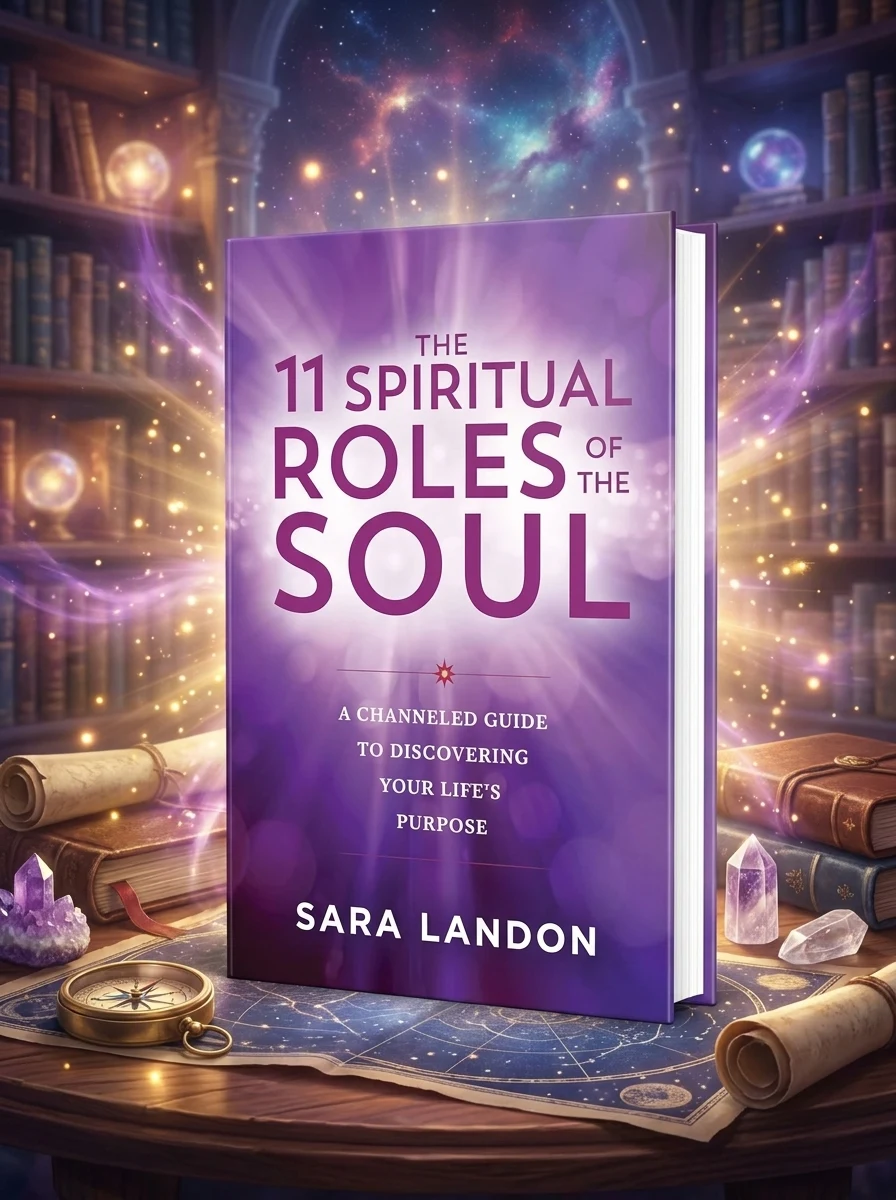
1. The 11 Spiritual Roles of the Soul — Sara Landon
The 11 Spiritual Roles of the Soul is explicitly presented as channeled material. Landon identifies herself as the conduit and names the source of the transmission. This transparency is your first checkpoint. Ask: Does the author acknowledge they are channeling? Do they name the claimed source? Are they transparent about the process? Landon's willingness to be named and identified creates accountability—you can research her background, her other work, and her credibility within esoteric communities. This doesn't guarantee the material is genuine, but it allows you to assess the channeler's consistency and track record.
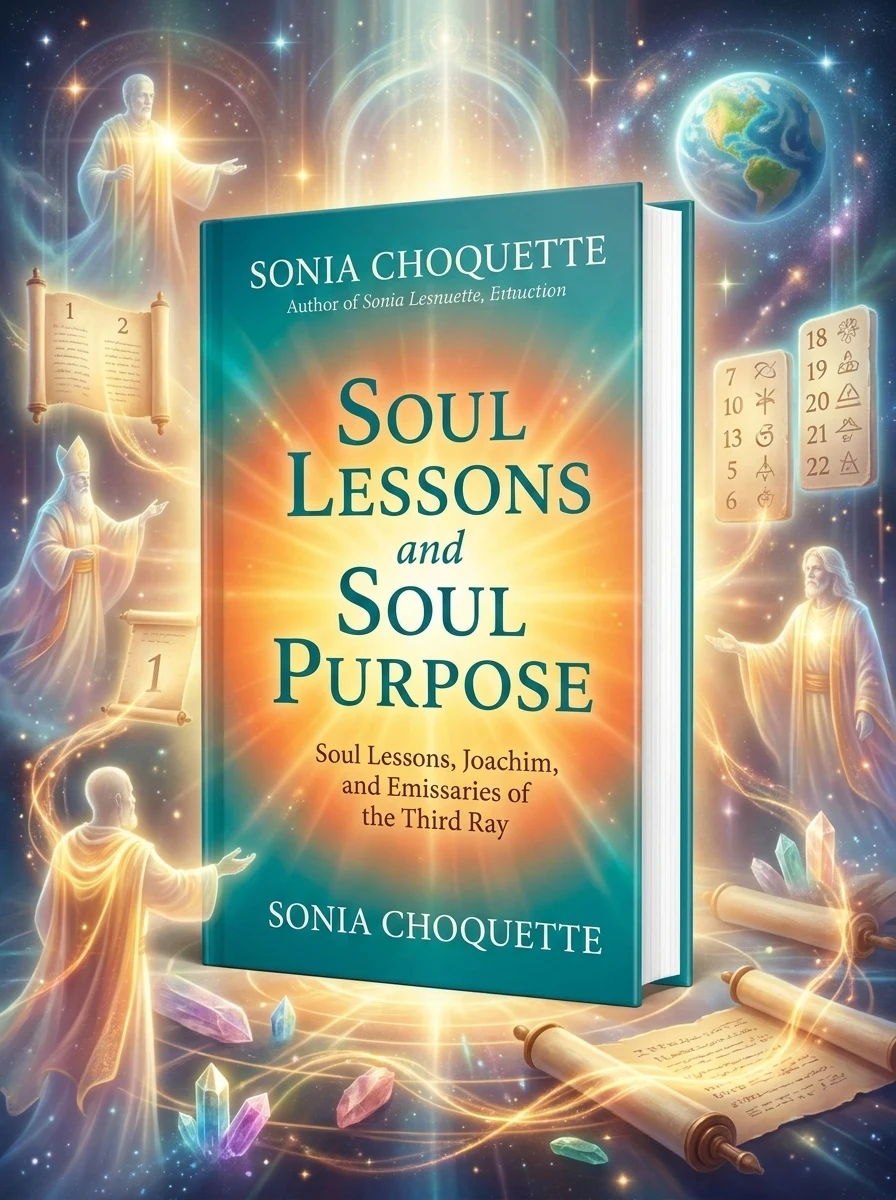
2. Soul Lessons and Soul Purpose — Sonia Choquette
Soul Lessons and Soul Purpose by Sonia Choquette operates similarly. Choquette is a known figure in contemporary spirituality with decades of published work. When evaluating a channeled text, the channeler's history matters. Has this person produced consistent work over time? Do other practitioners and readers vouch for their integrity? Are there contradictions between their different books or teachings? A channeler with a long, coherent body of work presents a different risk profile than someone publishing their first channeled text anonymously.
Test the Content Against Multiple Frameworks
Once you understand the source, examine what the text actually claims and teaches. This requires applying several different lenses simultaneously.
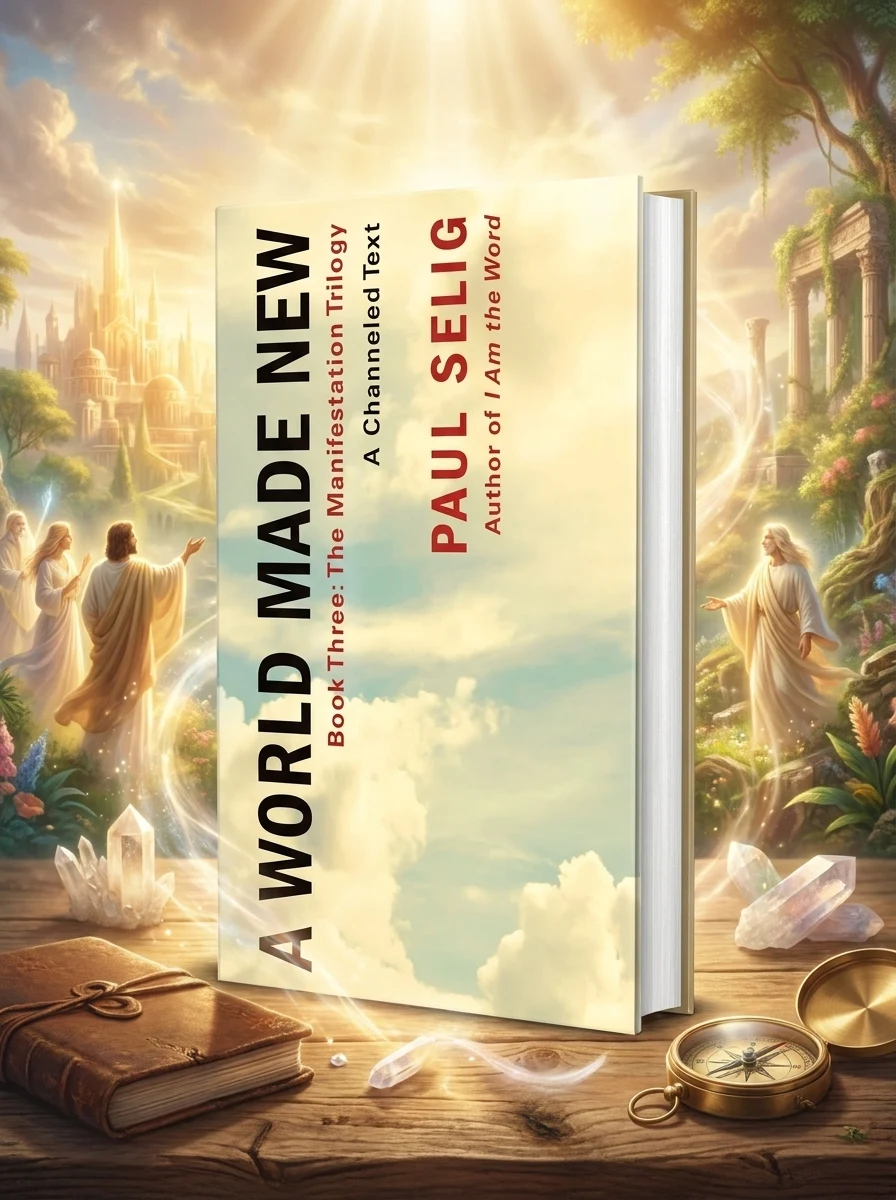
3. A World Made New — Paul Selig
A World Made New, the third book in Paul Selig's Manifestation Trilogy, offers a useful case study in content evaluation. Selig's channeled material makes specific metaphysical claims about reality, consciousness, and human potential. To read this critically, ask: Are the claims internally consistent? Does the book contradict itself? Are the teachings coherent across multiple volumes? Selig's trilogy structure allows you to check consistency across texts—if the first book contradicts the third, that's a red flag worth noting. Additionally, examine whether the teachings align with established esoteric traditions. Selig draws on Hermetic philosophy, Kabbalah, and non-dual mysticism. Do his interpretations of these traditions hold up under scrutiny, or does he misrepresent them to support his channeled material?
4. Alchemy: A Channeled Text — Paul Selig
Alchemy: A Channeled Text by the same author provides another layer for comparison. When a channeler addresses a specific esoteric tradition—in this case, alchemy—you can cross-reference their claims against historical sources. What does actual alchemical literature say? How does Selig's channeled interpretation compare? This doesn't mean the channeled material is wrong if it diverges from historical alchemy; it means you can identify where the channeler is innovating versus transmitting. Understanding that distinction is crucial for critical reading.
Examine the Psychological and Linguistic Fingerprints
Every writer has a voice. Every mind has patterns. Channeled material should ideally sound different from the channeler's normal writing—if it doesn't, that's worth noting. This is where linguistic analysis becomes a tool for discernment.
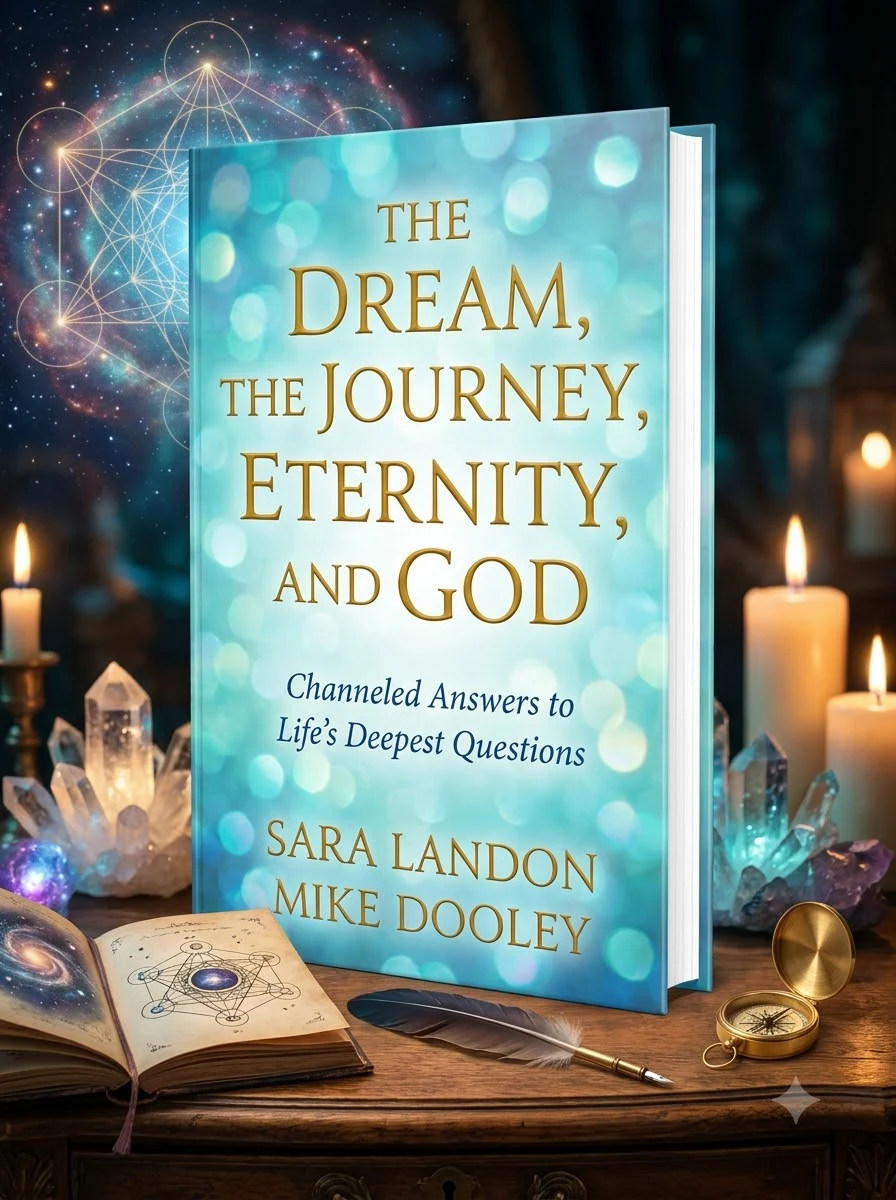
5. The Dream, the Journey, Eternity, and God — Sara Landon
The Dream, the Journey, Eternity, and God addresses existential questions in a direct, aphoristic style. When reading channeled material, notice: Does the prose feel alien to the channeler's known voice, or does it sound like them with slightly elevated vocabulary? Are the sentence structures consistent with how the channeler normally writes? Are there linguistic tics or repeated phrases that appear in all their work, channeled or not? These observations don't prove or disprove authenticity, but they provide data. A channeler whose "channeled" voice is indistinguishable from their normal voice may be channeling genuine material—or they may be unconsciously projecting their own mind.
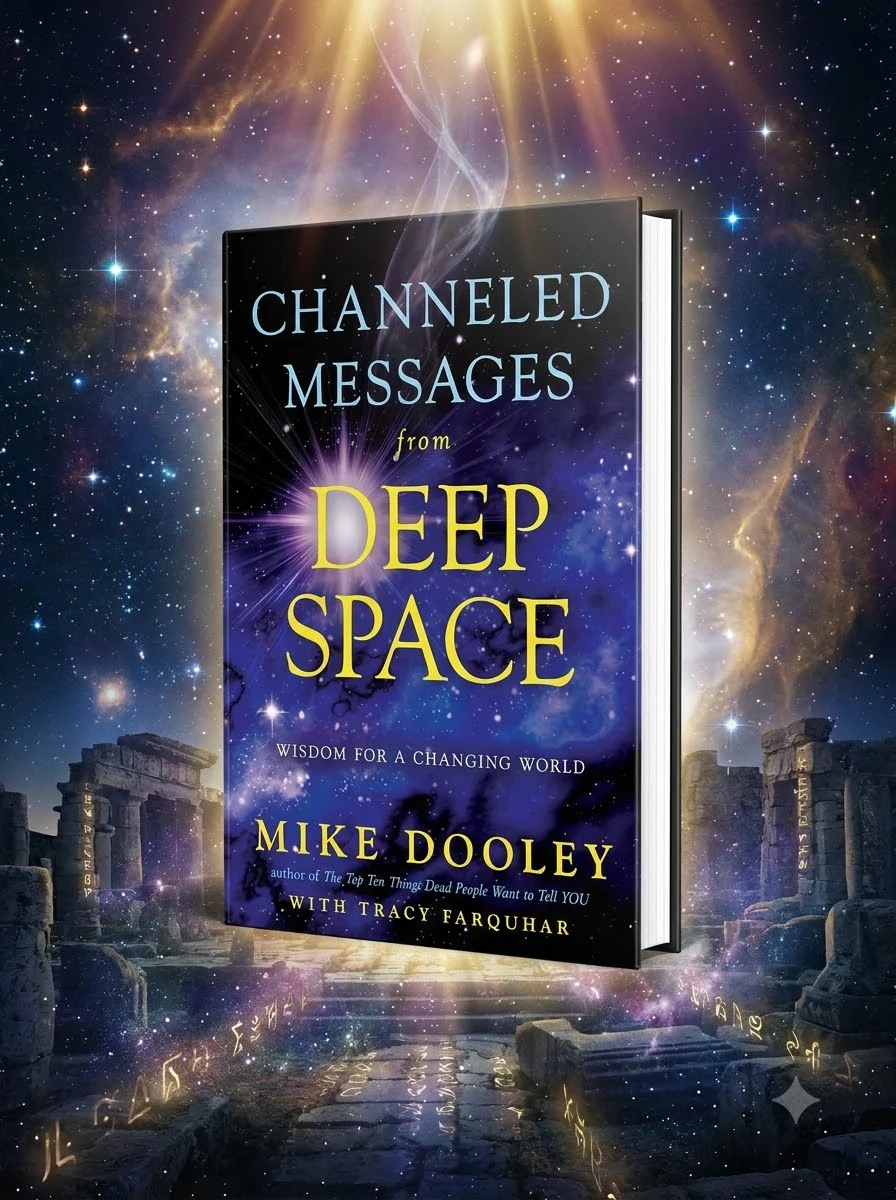
6. Channeled Messages from Deep Space — Mike Dooley and Tracy Farquhar
Channeled Messages from Deep Space presents material allegedly from extraterrestrial intelligence. This is where critical reading becomes essential. The book makes claims about humanity's purpose and societal structure. Ask: Are these claims verifiable? Do they rely on unfalsifiable assertions? Does the text encourage you to question the source, or does it discourage skepticism? Material that actively discourages critical examination—that frames doubt as spiritual weakness—should trigger your discernment alarms. Genuine wisdom traditions, including authentic channeled material, typically welcome rigorous questioning.
Compare Against Established Esoteric Frameworks
One of the most practical tools for evaluating channeled material is comparison with historical esoteric texts and traditions. This doesn't mean channeled material must align with ancient sources, but understanding those sources gives you a baseline for recognizing innovation, distortion, or genuine transmission.
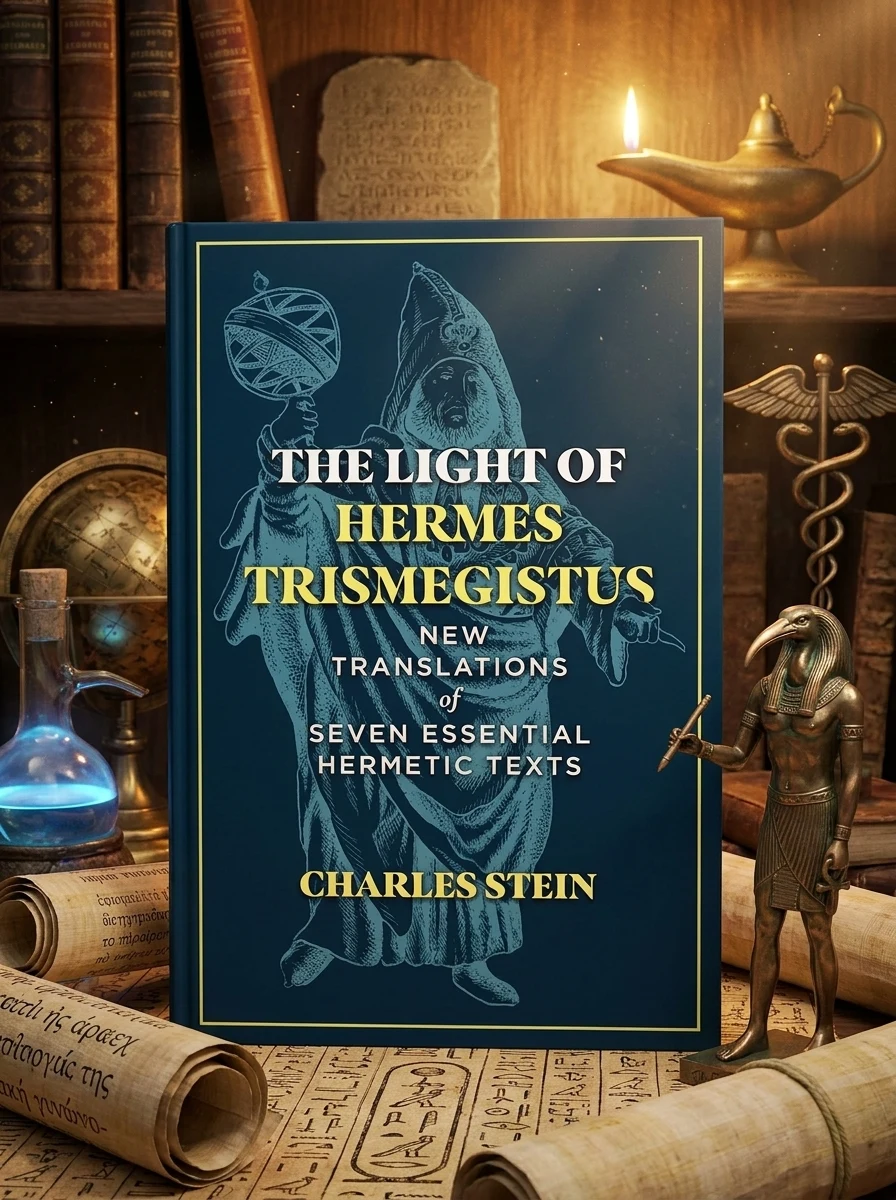
7. The Light of Hermes Trismegistus — Charles Stein
The Light of Hermes Trismegistus provides direct access to classical Hermetic material. If a contemporary channeled text claims to transmit Hermetic wisdom or invoke Hermes Trismegistus, you can read the original sources and compare. Does the channeled interpretation honor the original teachings? Does it extend them in coherent ways? Or does it contradict foundational Hermetic principles while claiming authority from the tradition? This comparative reading is one of your most powerful tools.
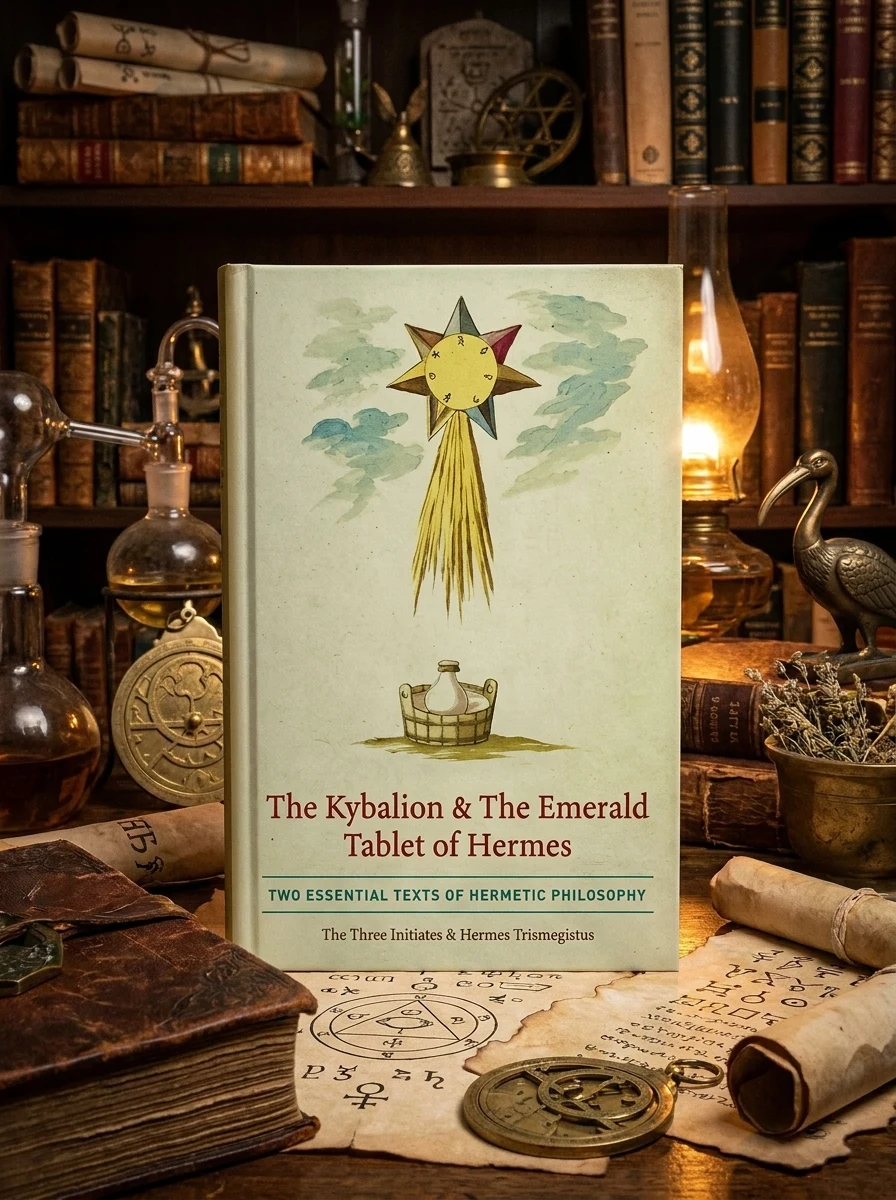
8. The Kybalion & The Emerald Tablet of Hermes — The Three Initiates and Hermes Trismegistus
The Kybalion & The Emerald Tablet of Hermes offers another foundational reference point. The Kybalion itself is a mysterious text—its authorship is disputed, and it may itself be a form of channeled or inspired material. Yet it has proven coherent and useful across more than a century of esoteric practice. When evaluating contemporary channeled texts, ask: Does this material have the staying power and coherence of established esoteric works? Or does it rely on novelty and the channeler's personal charisma?
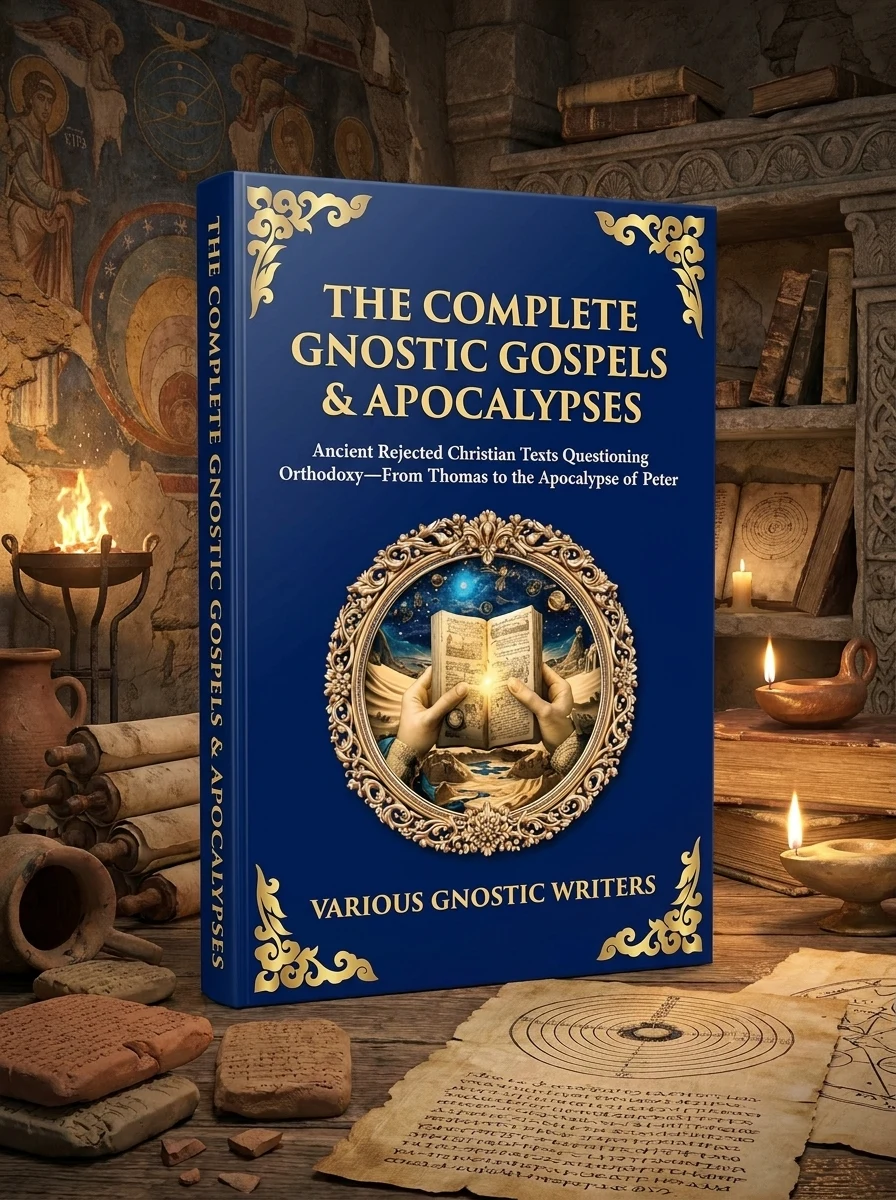
9. The Complete Gnostic Gospels & Apocalypses — Writers, Gnostic
The Complete Gnostic Gospels & Apocalypses represents another category of channeled or inspired material—texts that claim direct revelation from non-ordinary sources. These ancient texts were themselves controversial, dismissed by orthodox authorities, yet they've survived and influenced Western esotericism for nearly two thousand years. Reading them alongside contemporary channeled material offers perspective. What made these texts endure? What qualities do they share? Do contemporary channeled texts demonstrate similar depth and coherence?
Assess the Practical and Ethical Dimensions
Finally, evaluate channeled material by its fruits. What does it ask of you? What does it promise? How does it position the channeler in relation to you?
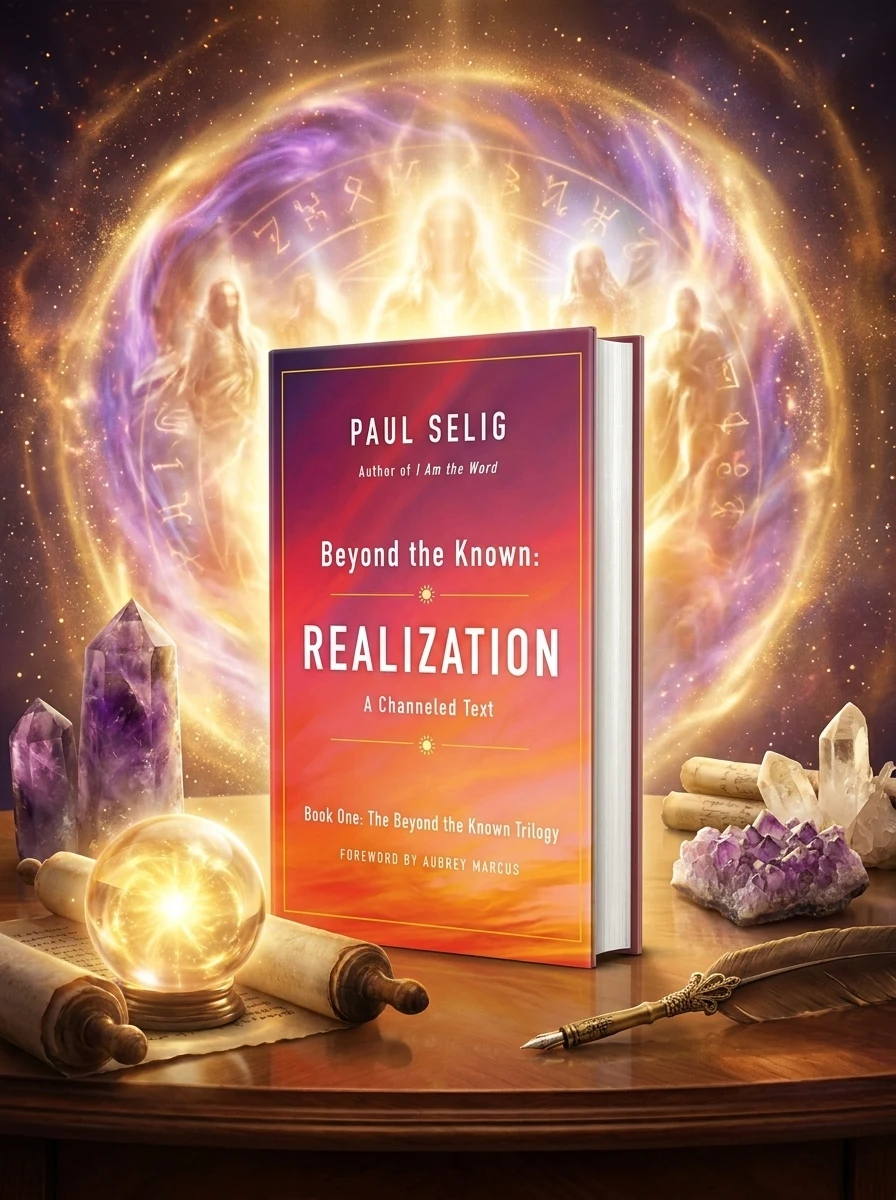
10. Beyond the Known: Realization — Paul Selig
Beyond the Known: Realization claims to offer a path to personal transformation and expanded consciousness. Critical reading here means asking: Does the text offer genuine tools for development, or does it rely on passive reception of wisdom? Does it encourage your own discernment and practice, or does it position the channeled material as the sole source of truth? Does it ask for money, blind obedience, or exclusive devotion? Legitimate channeled material typically empowers the reader toward their own direct experience. It doesn't create dependency on the channeler or the text.
11. The Book of Love and Creation — Paul Selig
The Book of Love and Creation addresses themes of spiritual development and creative power. When evaluating such material, notice: Does it offer specific practices you can test? Does it make claims you can verify through your own experience? Or does it remain abstract and unfalsifiable? The most useful channeled material typically includes practices—meditation, visualization, ethical disciplines—that allow you to test the teachings yourself. Material that exists only as philosophy, never as practice, is harder to evaluate authentically.
Building Your Own Framework: A Practical Checklist
Critical reading of channeled texts isn't about dismissing the material or accepting it uncritically. It's about developing discernment. Here's a practical checklist you can apply to any channeled text:
- Source transparency: Does the author identify themselves and name the claimed source? Can you research their background and track record?
- Internal consistency: Does the text contradict itself? Does it align with the channeler's other work?
- Alignment with tradition: If the material claims to draw on established esoteric systems, does it honor those traditions or distort them?
- Linguistic authenticity: Does the channeled voice sound genuinely different from the channeler's normal writing, or indistinguishable?
- Encouragement of skepticism: Does the text welcome questioning, or does it discourage doubt as spiritual weakness?
- Practical utility: Does it offer specific practices you can test, or only abstract philosophy?
- Ethical positioning: Does it empower your own discernment, or create dependency on the channeler or text?
- Falsifiability: Are the claims verifiable or unfalsifiable? Can you test them against reality?
The goal isn't to arrive at a binary judgment—authentic or fraudulent. Most channeled material exists in a spectrum. Some of it may be genuine transmission mixed with the channeler's unconscious projections. Some may be entirely the channeler's own higher self or intuition, which is itself a form of non-ordinary intelligence. Some may be sophisticated self-deception. The point of critical reading is to know where you stand with the material you're engaging, to read with both openness and clarity, and to trust your own discernment above all.