The market is flooded with ghost story collections. Most are thin, sensational, and forgettable—the literary equivalent of a jump scare with no buildup. They recycle the same handful of urban legends, strip away context, and leave you wondering why you bothered. If you've outgrown that format, you're not alone. Serious readers of ghost lore want something different: books grounded in actual history, written by people who've done the work of investigation, and rooted in specific places where the stories still matter to living communities.
The books worth your time share a common thread. They treat ghosts not as entertainment fodder but as a lens through which to understand how communities process trauma, loss, and the uncanny. They're written by regional historians, paranormal investigators, and collectors who've spent years gathering firsthand accounts. They acknowledge the psychology and folklore alongside the mystery. And they refuse the easy answer—whether that's pure skepticism or pure credulity.
What follows is a curated selection of twelve ghost lore books that move past the anthology trap. These are volumes for readers who want substance, regional specificity, and the kind of depth that rewards a second reading.
Regional Histories: When Local Ghosts Tell Larger Stories
The best ghost lore is always local. A ghost story divorced from its place—its history, its architecture, its community—is just a spooky anecdote. The books in this section treat hauntings as historical documents. They ask: what events preceded this haunting? Who lived here? What did they endure? The ghosts emerge not as supernatural oddities but as echoes of real lives and real losses.
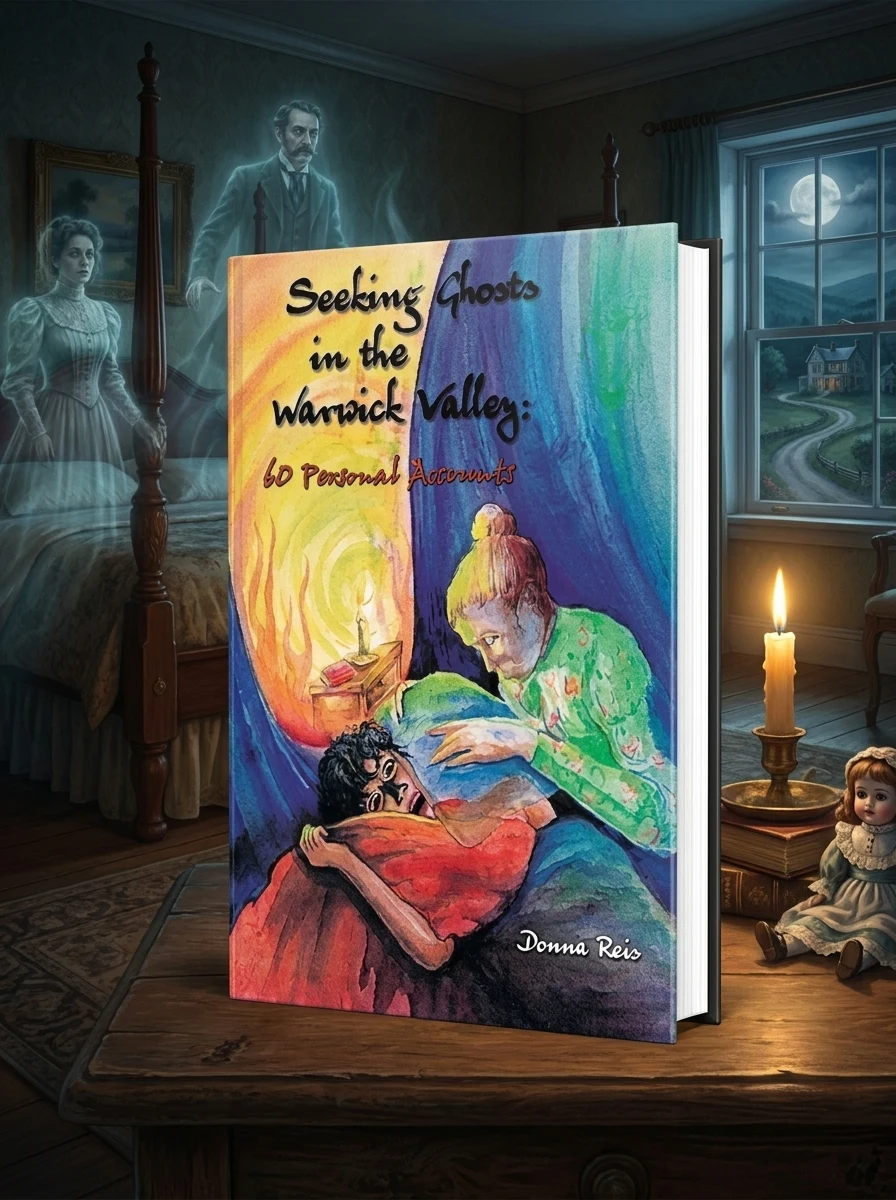
1. Seeking Ghosts in the Warwick Valley: 60 Personal Accounts — Donna Reis
Seeking Ghosts in the Warwick Valley is the gold standard for what regional ghost lore should be. Reis has collected sixty firsthand accounts from residents of a single valley in England, each one documented with care and context. This isn't a book of famous hauntings; it's a book of ordinary people who've had extraordinary experiences in the places they call home. The strength lies in the accumulation—sixty voices create a portrait of a landscape where the boundary between past and present is genuinely thin. For readers who want to understand how communities live with their ghosts, this is essential.
2. Ghosts of Virginia's Tidewater — Brenda L. Williams
Ghosts of Virginia's Tidewater grounds its hauntings in the deep history of colonial America. Williams connects spectral encounters to the actual events—shipwrecks, murders, plantation life, Civil War trauma—that haunted the region. This approach transforms ghost stories from entertainment into a form of regional history. The book works for readers interested in American history as much as those seeking paranormal accounts.
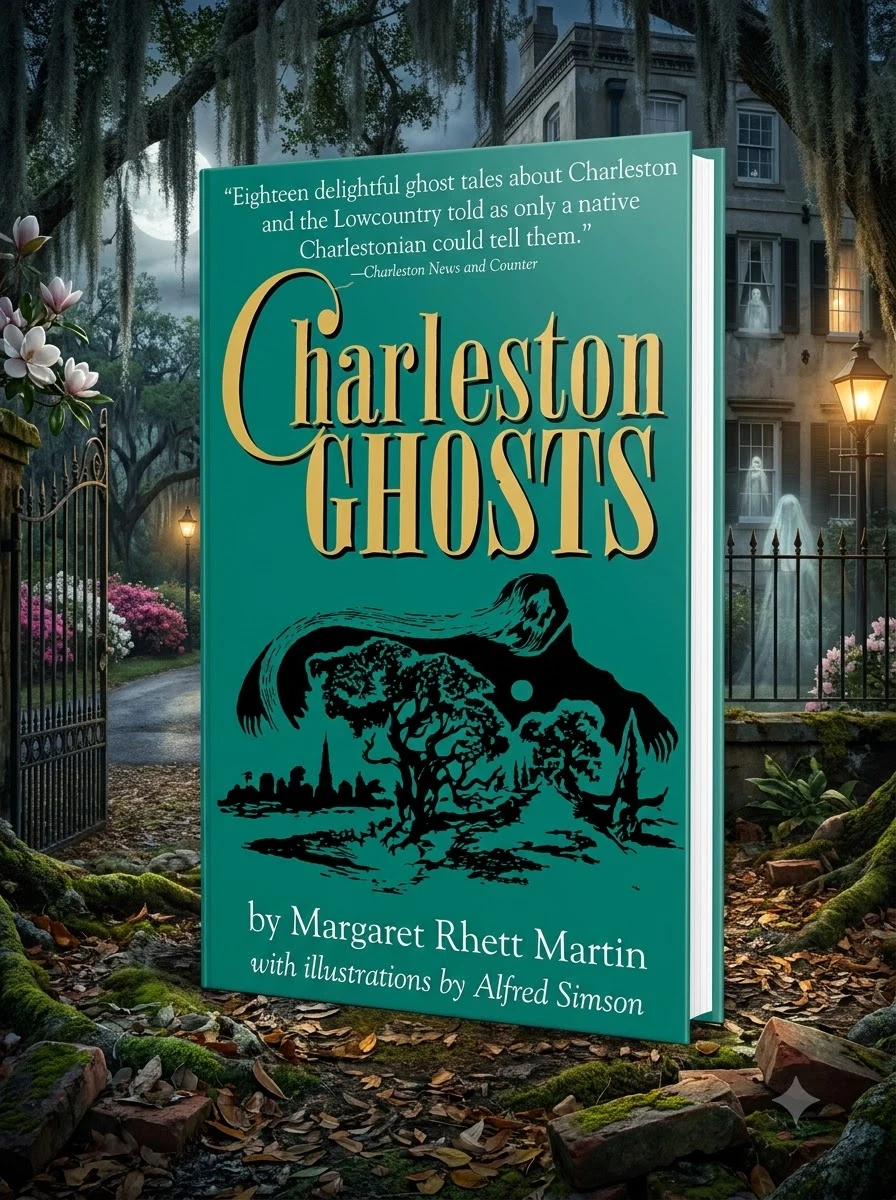
3. Charleston Ghosts — Margaret Rhett Martin and Alfred Simson
Charleston Ghosts treats the city's hauntings as inseparable from its architecture and social history. Charleston's ghosts are tied to specific buildings, specific families, and specific moments of loss. This book shows how a city's spectral reputation is built over time, layer by layer, through the stories its residents tell. It's ideal for readers who want to understand how place and haunting are woven together.
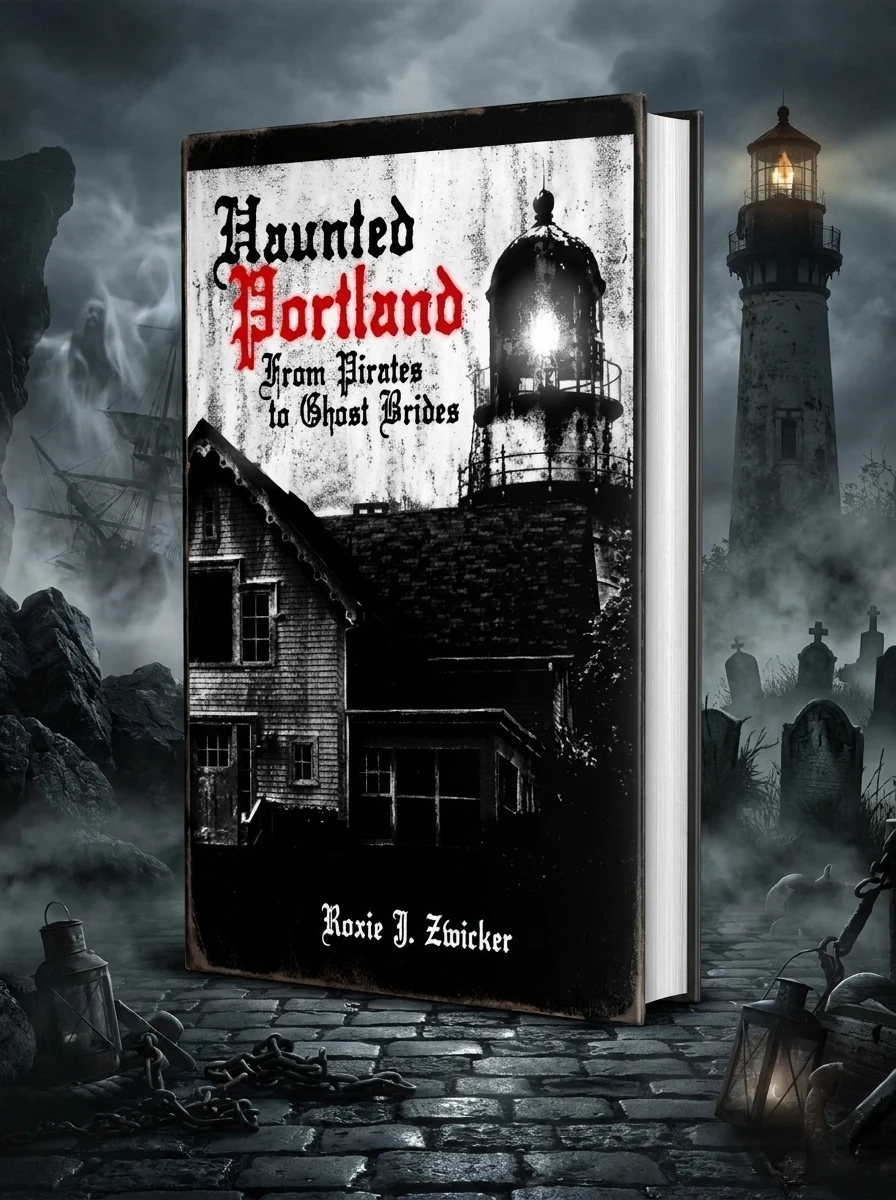
4. Haunted Portland: From Pirates to Ghost Brides — Roxie J. Zwicker
Haunted Portland takes a maritime city and traces its hauntings back to the rough, violent history that built it. Pirates, shipwrecks, and frontier violence create the conditions for the stories Zwicker collects. The book works because it refuses to separate the ghost from the history—they're the same story told two ways.
Paranormal Investigation: The Methodology Behind the Mystery
Some readers want to understand not just the stories but the process of investigating them. These books move beyond anecdote into methodology. They ask: how do we know what we think we know about ghosts? What does evidence look like? What are the pitfalls of paranormal investigation, and how do serious researchers navigate them?
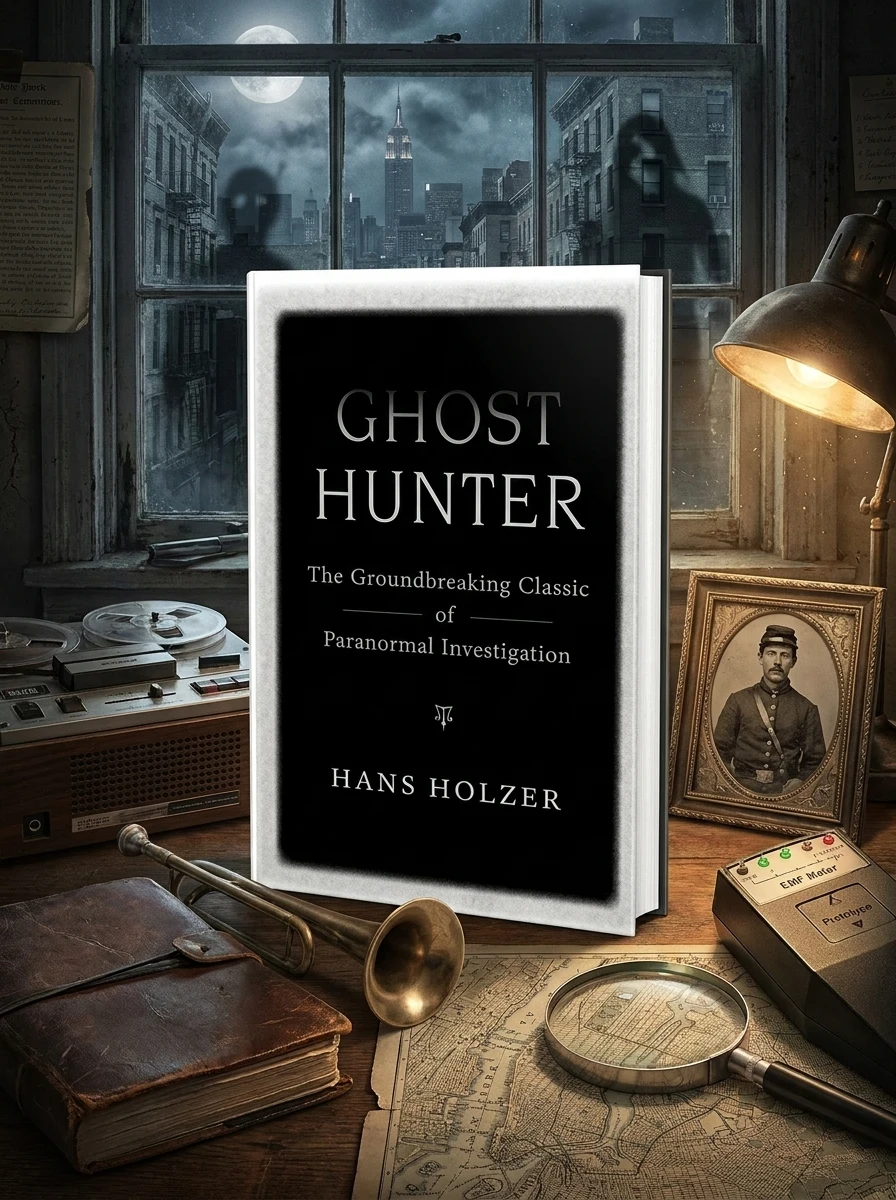
5. Ghost Hunter: The Groundbreaking Classic of Paranormal Investigation — Hans Holzer
Ghost Hunter is the foundational text for modern paranormal investigation. Holzer pioneered a systematic approach to ghost hunting—combining historical research, interviews, and on-site investigation. This book is essential reading for anyone curious about how the field developed and what distinguishes serious investigation from amateur ghost chasing. It's also a window into mid-twentieth-century attitudes toward the paranormal.
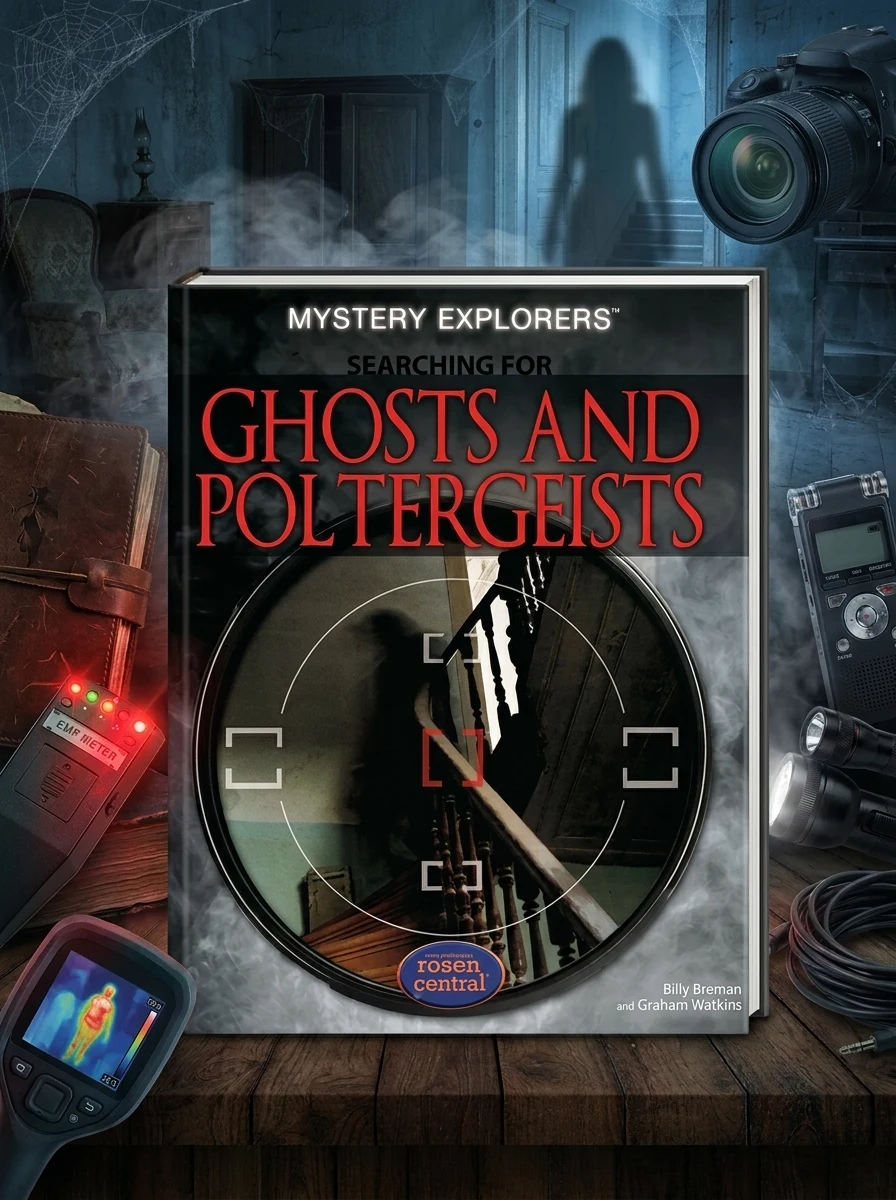
6. Searching for Ghosts and Poltergeists — Graham Watkins and Billy Breman
Searching for Ghosts and Poltergeists takes a more scientific approach. Watkins and Breman examine the evidence for hauntings with skeptical rigor, exploring both the paranormal accounts and the psychological and environmental factors that might explain them. This book is for readers who want to think critically about ghost lore without dismissing it outright. The depth justifies the investment.
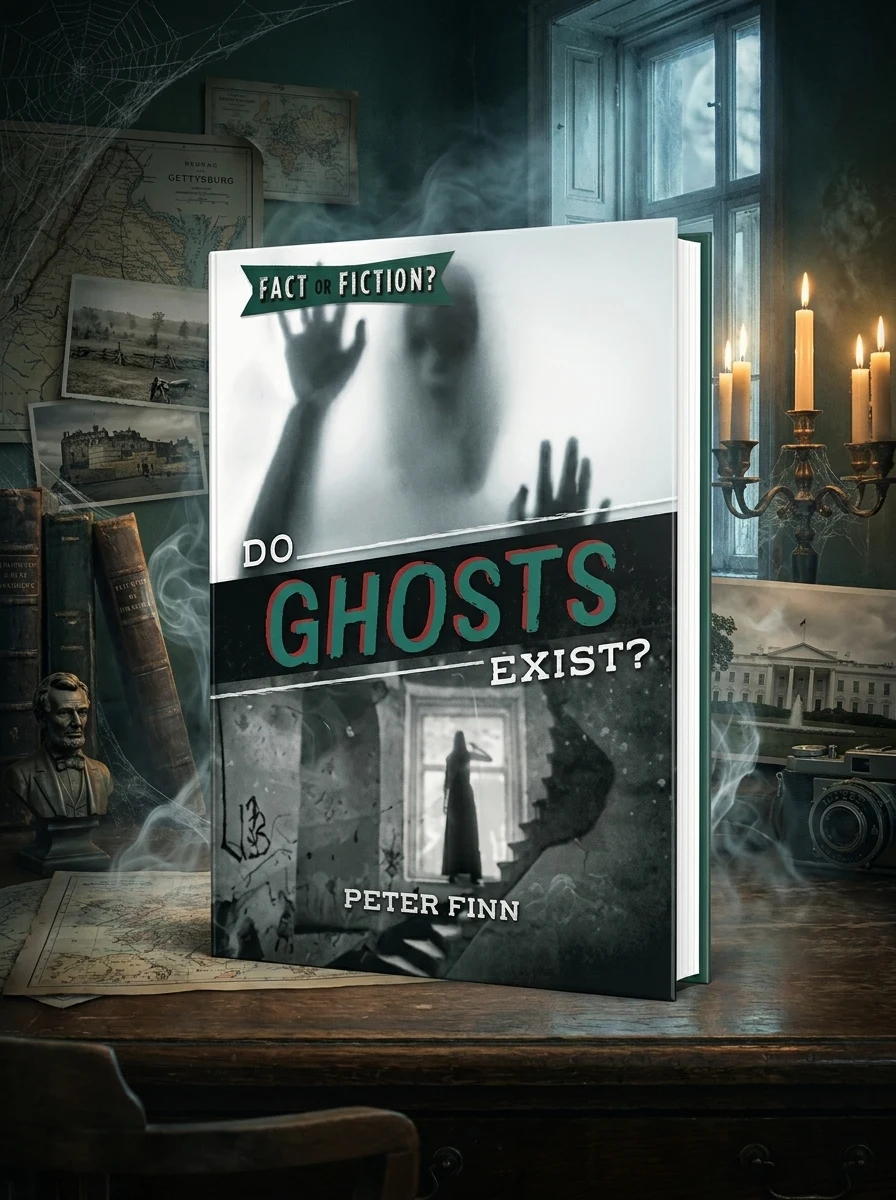
7. Do Ghosts Exist? — Peter Finn
Do Ghosts Exist? frames the question directly and explores it with nuance. Finn doesn't offer easy answers; instead, he examines the evidence, the psychology, and the cultural factors that shape our beliefs about hauntings. This book is ideal for readers who want to hold multiple perspectives at once—to take ghost stories seriously without abandoning critical thinking.
Specific Locations: Focused Examinations of Haunted Places
Some hauntings deserve book-length treatment. These volumes focus on single locations or small regions, allowing for the kind of depth that reveals how a haunting becomes embedded in a community's identity.
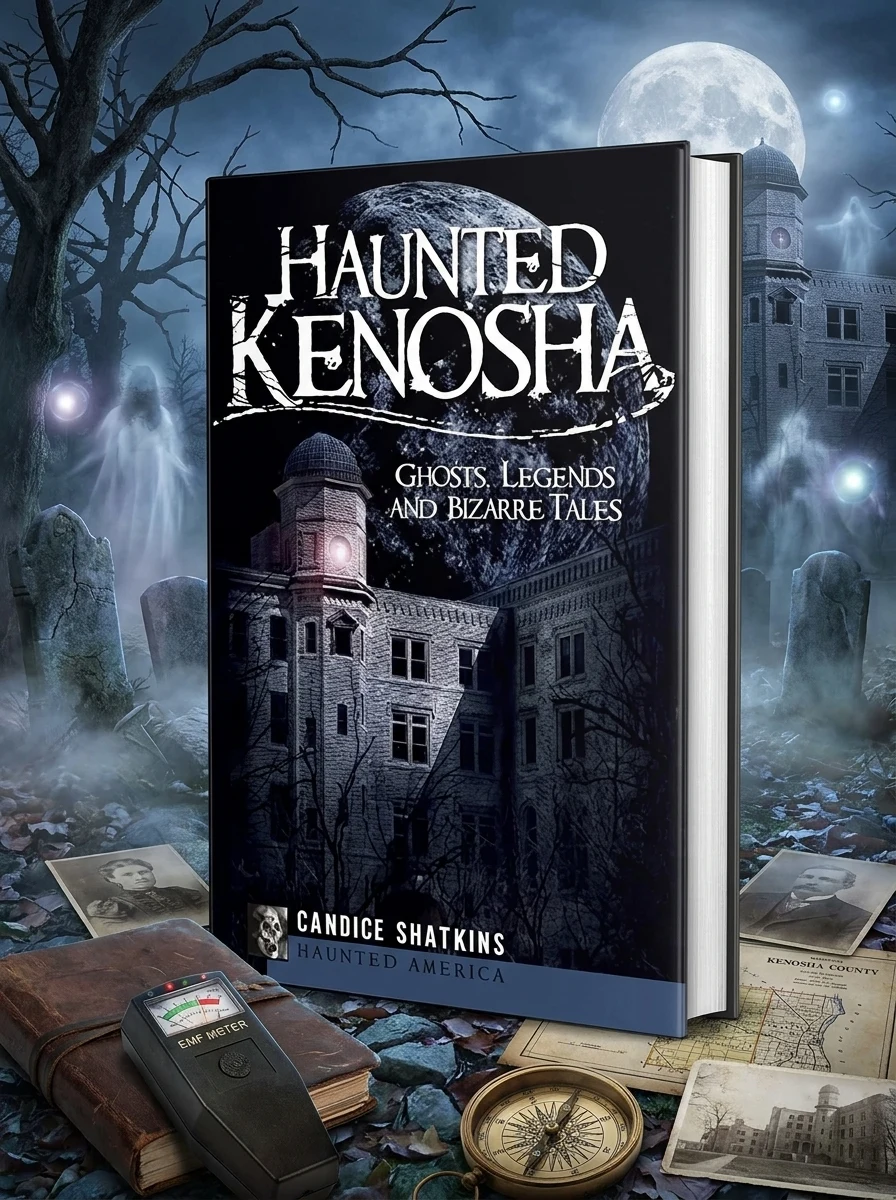
8. Haunted Kenosha: Ghosts, Legends and Bizarre Tales — Candice Shatkins
Haunted Kenosha is a model of local ghost lore done right. Shatkins has collected the stories that Kenosha residents tell about their city—stories that have circulated for generations and shaped how people understand their place. The book captures the texture of local belief, the way certain hauntings become part of a community's identity.
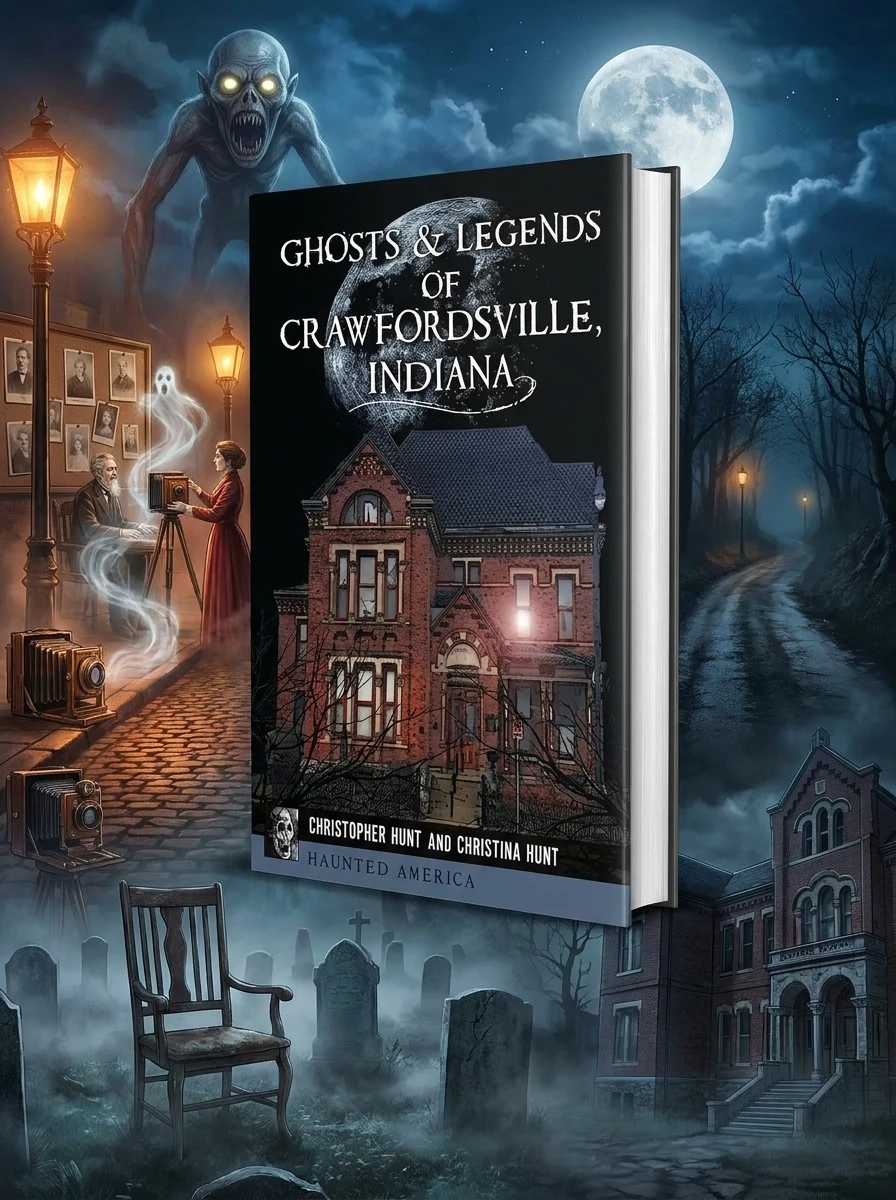
9. Ghosts & Legends of Crawfordsville, Indiana — Christopher M. Hunt and Christina L. Hunt
Ghosts & Legends of Crawfordsville, Indiana focuses on a small Midwestern town and its spectral history. The Hunts have done the work of connecting hauntings to actual events—murders, accidents, tragedies—that shaped the town. This book shows how ghost lore functions in a small community, where everyone knows the stories and they're passed down through families.
10. The Haunted Boonslick: Ghosts, Ghouls & Monsters of Missouri's Heartland — Mary Collins Barile
The Haunted Boonslick treats a region of Missouri with the seriousness it deserves. Barile connects hauntings to the frontier history, the violence, and the settlement patterns that shaped the area. The book works as both ghost lore and regional history, showing how understanding a place's past illuminates its present hauntings.
Firsthand Accounts and Lived Experience
Some of the most compelling ghost lore comes from people who've experienced hauntings directly. These books prioritize the voices of witnesses and investigators who've spent time in haunted spaces.
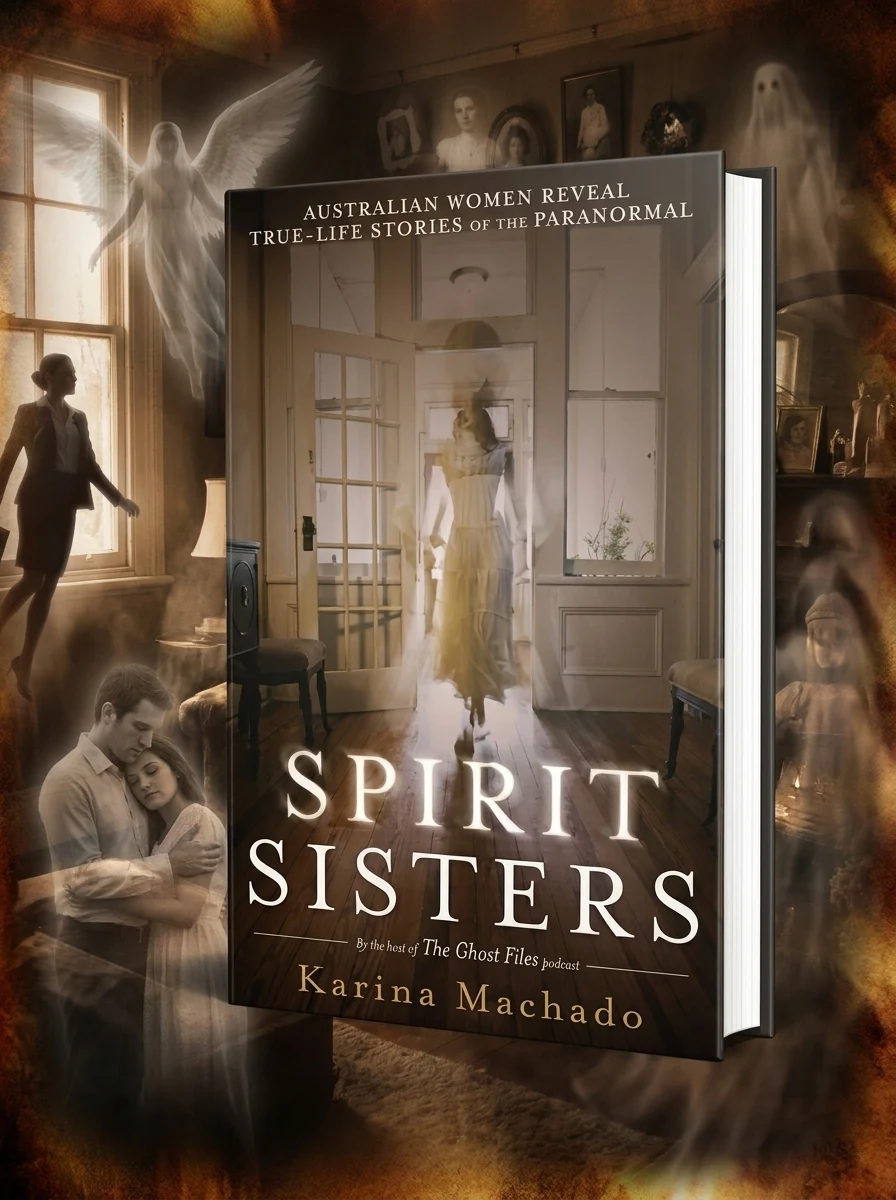
11. Spirit Sisters: The Ghost Files — Karina Machado
Spirit Sisters: The Ghost Files offers unvarnished accounts from people who've encountered the paranormal. Machado's approach is to listen and document, without imposing a single interpretation. The book respects the experiences of witnesses while acknowledging the complexity of what they've encountered. It's ideal for readers who want to hear directly from people who've lived through hauntings.
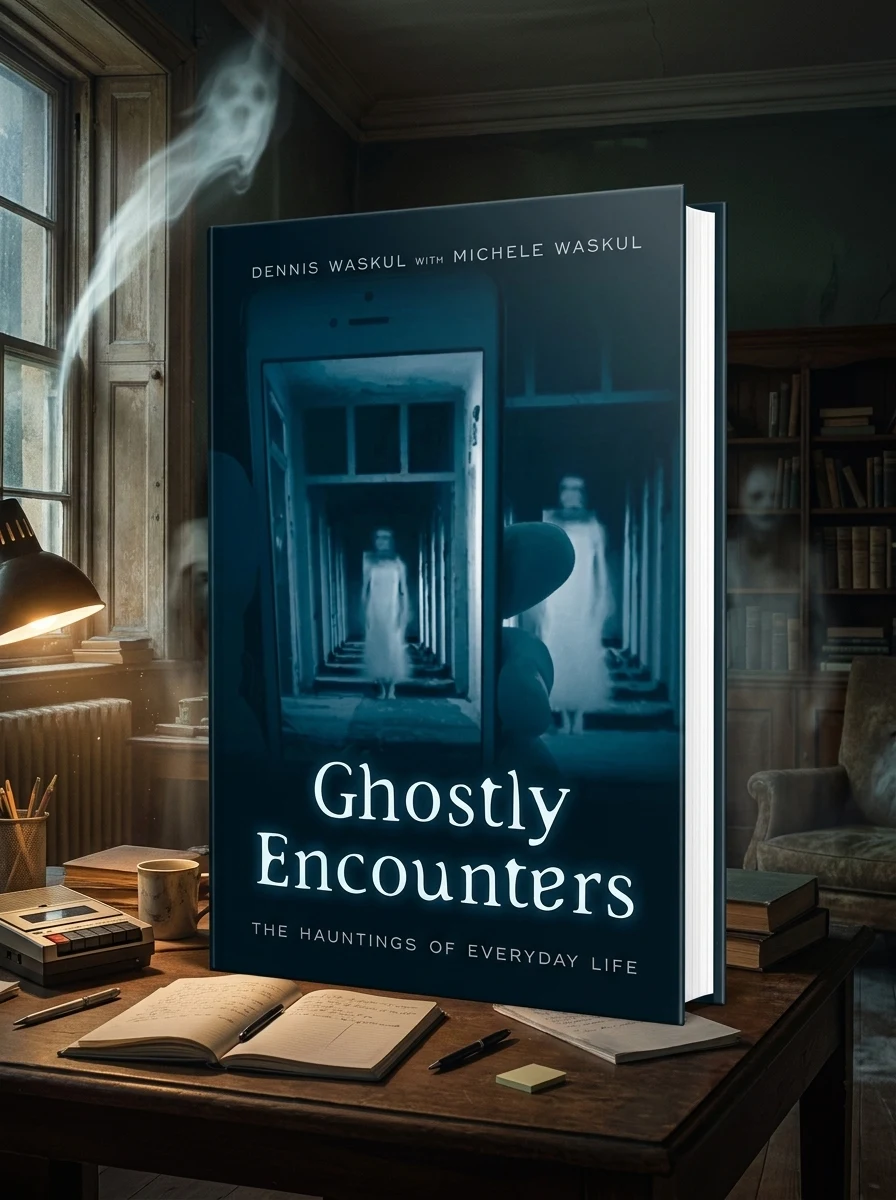
12. Ghostly Encounters: The Hauntings of Everyday Life — Dennis Waskul and Michele Waskul
Ghostly Encounters takes a sociological approach to ghost stories. The Waskuls examine how ordinary people make sense of unexplained experiences, how they integrate hauntings into their understanding of reality, and what ghost stories reveal about human psychology and community. This book is for readers interested in the intersection of folklore, sociology, and personal experience.
How to Choose: A Reader's Guide
These twelve books represent different approaches to ghost lore, and the right choice depends on what you're seeking. If you want regional depth and community voices, start with Seeking Ghosts in the Warwick Valley or Haunted Kenosha. These books show how ghost lore functions in real communities and how hauntings become part of a place's identity.
If you're interested in methodology and investigation, Ghost Hunter is the essential foundation, with Searching for Ghosts and Poltergeists offering a more scientific perspective.
If you want history woven into hauntings, choose Ghosts of Virginia's Tidewater or Charleston Ghosts. These books show how understanding a place's past illuminates its present hauntings.
If you prefer firsthand witness accounts, Spirit Sisters: The Ghost Files and Ghostly Encounters center the voices of people who've actually experienced the unexplained.
The common thread across all these books is seriousness. They treat ghost lore not as entertainment but as a legitimate way of understanding how communities process loss, trauma, and mystery. They acknowledge that hauntings—whether understood as literal spirits or as psychological and cultural phenomena—reveal something true about human experience. That's what separates them from the thin anthologies that clutter the shelves. These books earn your time.