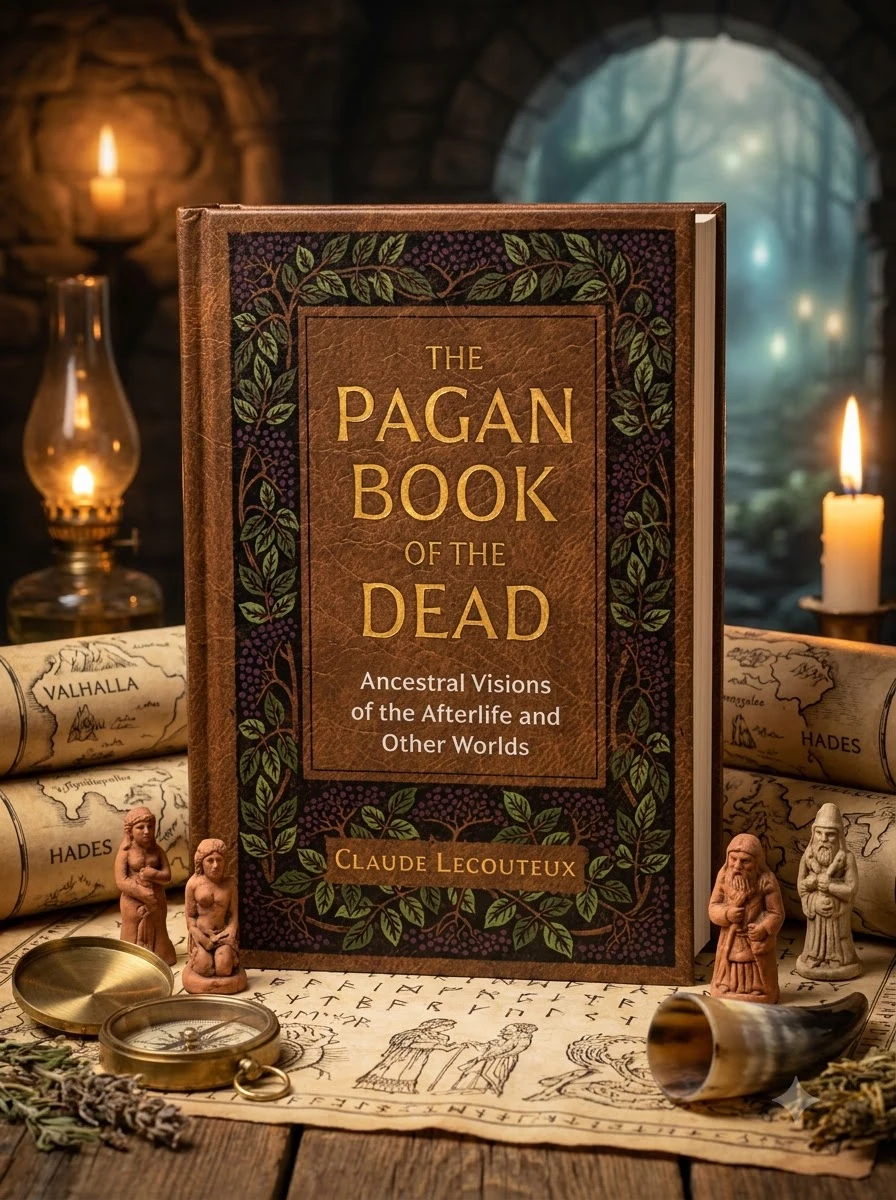
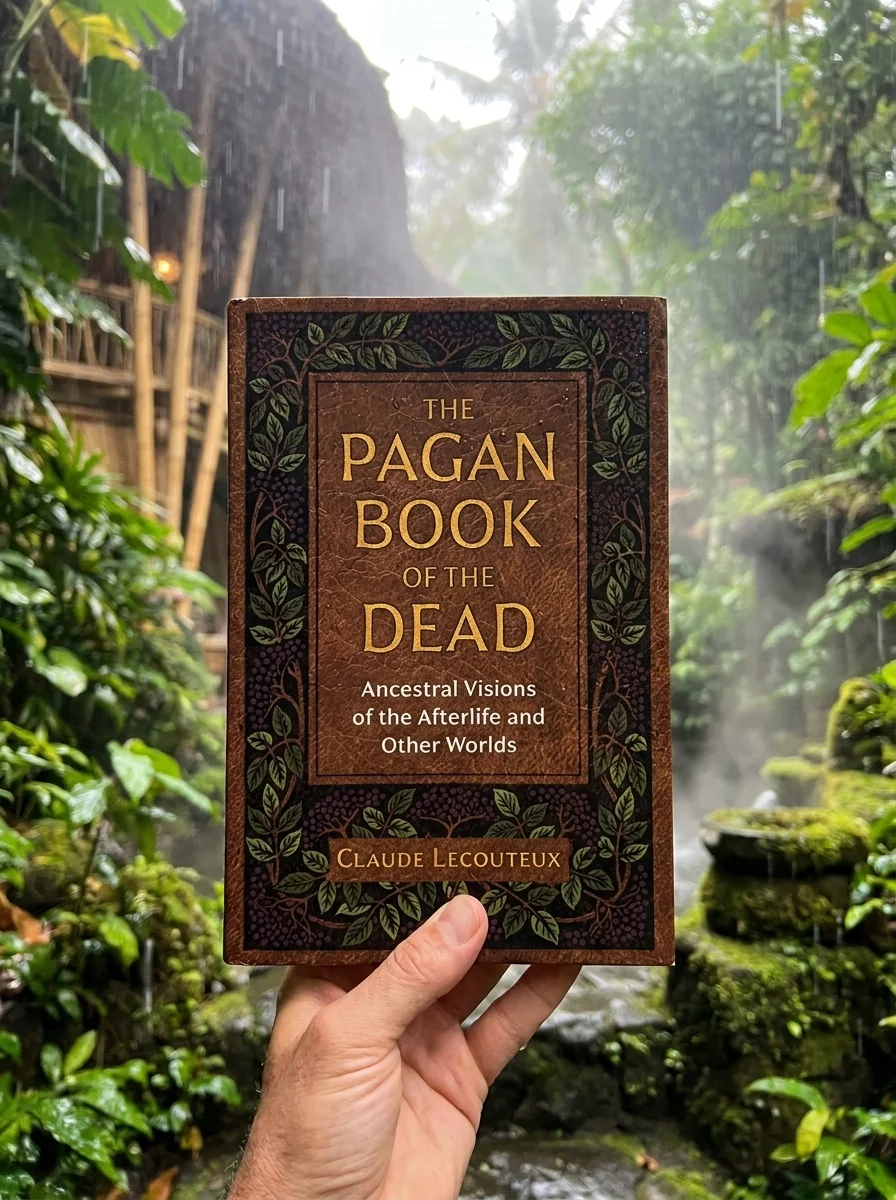
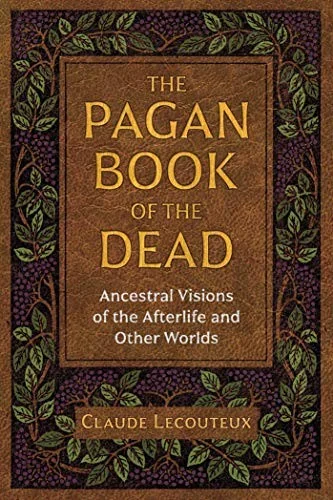
The Pagan Book of the Dead: Ancestral Visions of the Afterlife and Other Worlds
✍️ Lecouteux, ClaudeDelve into the fascinating evolution of humanity's perception of the great beyond, from ancient pagan visions to medieval Christian interpretations. Claude Lecouteux meticulously charts the diverse geographies of death, exploring the mythical realms our ancestors imagined for the departed. This comprehensive study connects the folklore of various European cultures, including Greek, Celtic, Norse, and Hebrew traditions, to the earliest recorded narratives of journeys to other worlds, drawing compelling links to shamanism and what we now recognize as near-death experiences.


Praise for this book
“The Pagan Book of the Dead travels on the roads of the Other World, not to mention the traveler's tales from this ineffable space, that have come down to us through folk tales and folk songs. The book ends by comparing these trips into the afterlife and into the Other World with experiences of imminent death... The Pagan Book of the Dead is an extensive look at the cartography and folklore of the afterlife worlds as seen by ancient European Cultures.”
📝 Description: The Pagan Book of the Dead: Ancestral Visions of the Afterlife and Other Worlds
📑 What's inside
- INTRODUCTION
- "In the Midst of Life We Are in Death"
- ONE
- Accounts of Journeys into the Beyond from Classical Antiquity
- TWO
- The Beyond as Seen in Mythologies and Religions
- THREE
- From the Christian Beyond to the Literature of Revelations
- FOUR
- Hell, Purgatory, and Paradise
- FIVE
- Between Visions, Tales, and Legends: The Chivalric Romances
- SIX
- The Otherworld in Medieval Scandinavian Literature
- SEVEN
- The Paths to the Otherworld
- EIGHT
- The Otherworld in Folktales and Songs
- NINE
- In Search of the Lost Spouse
- TEN
- Folktales and Shamanism
- ELEVEN
- The Experience of Imminent Death (NDE, OBE)
- Conclusion
- APPENDIX 1
- Index of Signs, Symbols, and Omens
- APPENDIX 2
- Index of the Beyond
- APPENDIX 3
- Index of Some Motifs Found in Folktales
- APPENDIX 4
- Index of Some Story Types Featuring the Otherworld
- Notes Bibliography Index
💎 Expert review
📖 Why choose it
Why this book is worth reading
Readers fascinated by the deep roots of Western spirituality and the diverse ways cultures have conceptualized death will find this book profoundly rewarding. Claude Lecouteux offers a unique lens through which to view ancestral maps, connecting disparate traditions like Greek, Celtic, Norse, and Hebrew folklore into a cohesive narrative. Those intrigued by shamanism or near-death experiences will appreciate how the text links these modern phenomena to ancient mythological structures. It is ideal for scholars, witches, and spiritual seekers who wish to understand the historical evolution of the afterlife beyond standard religious dogma. By unraveling these ancestral visions, you gain a richer, more nuanced perspective on humanity's enduring quest to map the unknown realms beyond our physical existence.
⭐ Reader reviews
Reader rating
Lecouteux provides a meticulous chart of death’s geography, blending folklore with scholarly analysis. The strength lies in its comprehensive scope, linking European pagan traditions to broader mythological frameworks. However, readers seeking practical ritual instructions or dogmatic religious guidance will find little here; this is a historical and comparative study, not a devotional text. It may feel dry to those expecting narrative flair over academic rigor. The candid assessment reveals it suits those interested in the structural evolution of esoteric thought rather than immediate spiritual practice. It is an intellectual journey through the veil, rewarding patience but demanding an interest in comparative cultural studies and the historical nuances of European folklore.
❓ Frequently asked questions
📖 Who should read this
If you're captivated by the mysteries of death, ancient folklore, and the historical imagination of the afterlife, this book is for you. Seekers of comparative mythology, students of religion, and anyone curious about the enduring human quest to understand what lies beyond will find its pages profoundly illuminating.
🎯 Key themes and symbolism
Ancient Afterlife Realms
The book vividly details the diverse 'cartographies' of the dead across ancient European cultures. From the Blessed Isles of early Greek and Celtic faith to the shadowy Sheol of the Hebrews, Homer's Hades, the Norse Hel and Valhalla, and the Babylonian Aralu, Lecouteux illustrates how these distinct visions reflect the unique spiritual landscapes of their originators.
Medieval Otherworld Journeys
Explore how medieval accounts of spiritual odysseys into the Other World represent some of the earliest documented experiences akin to modern near-death experiences (NDEs). This section highlights the recurring motifs and profound impact of these visions, demonstrating a historical continuity in humanity's encounter with the realms beyond the living.
Shamanic Echoes & Archetypes
Lecouteux draws insightful connections between these historical afterlife beliefs and shamanic practices. He illuminates the roles of psychopomps, power animals, the concept of the 'double' or 'fetch,' and the transformative wisdom brought back from these spirit realms, revealing an underlying shamanic framework across varied traditions.
📜 Historical context
📚 Glossary
- Psychopomp
- Sheol
- Fetch
📔 Questions to reflect on
- How do ancient afterlife beliefs reflect the values and fears of their respective cultures, and what does this suggest about humanity's core concerns?
- Consider a modern NDE account you've heard or read. What parallels can you draw with the medieval otherworld journeys described in this book?
- If you were to map your own ideal 'Otherworld,' what elements from historical traditions would you include, and what new features would you add based on your own understanding of consciousness?