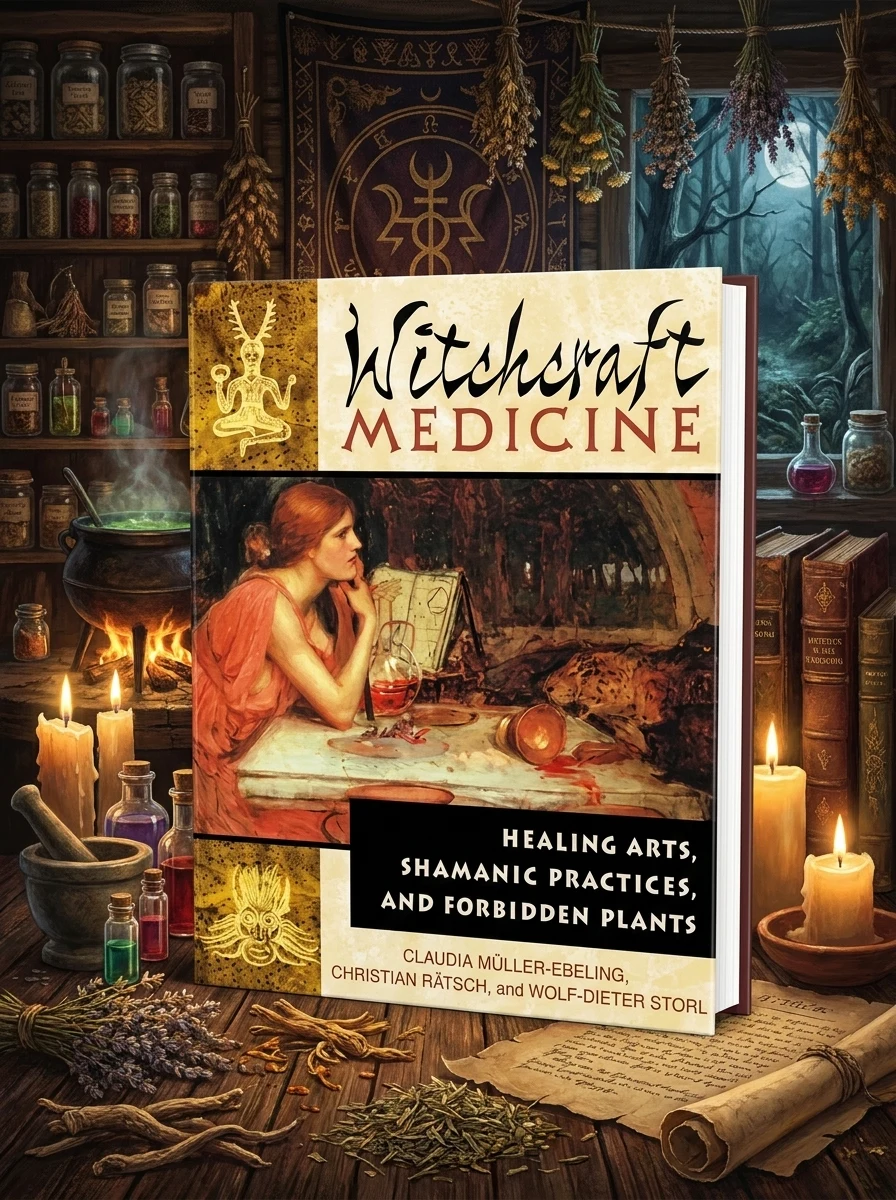
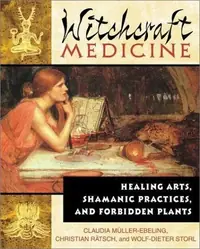
Witchcraft Medicine: Healing Arts, Shamanic Practices, and Forbidden Plants


Stock reported in the catalog; fulfillment is confirmed with your request.
Discover the wild, forbidden botanical secrets of witchcraft healers throughout history.
This volume delves into the suppressed art of European folk medicine, tracing the lineage of female shamans who wielded plants for healing, ecstasy, and insight. It contrasts the demonized power of witchcraft with state-sanctioned medicine, highlighting how the Church and government outlawed these natural remedies. The text explores seasonal herb correspondences, such as calendula for solstices and alder for Samhain, while examining the historical persecution from the Inquisition to modern drug laws. Richly illustrated with historical art, it serves as both a scholarly record and a practical guide to reclaiming sacred botanical knowledge.
This work situates itself within the tradition of European folk medicine and witchcraft history, exploring the lineage of female shamans whose practices were demonized by religious and state authorities.


📝 Description: Witchcraft Medicine: Healing Arts, Shamanic Practices, and Forbidden Plants
💎 Expert review
📖 Why choose it
Why this book is worth reading
Readers passionate about reclaiming suppressed botanical knowledge will find this volume an essential guide to the wild secrets of historical witchcraft healers. It is particularly valuable for those interested in the intersection of shamanic practices and herbal lore, offering a scholarly yet practical perspective on sacred plants. Those seeking to understand the historical persecution of natural remedies by the Church and government will appreciate the detailed context provided here. The rich illustrations and exploration of seasonal correspondences make it a compelling resource for modern practitioners looking to connect with ancestral wisdom and forbidden plant traditions.
⭐ Reader reviews
Reader rating
First purchase from this shop. The material is presented clearly and the structure makes it easy to revisit key passages. It reads better in small doses — a chapter at a time with notes. A few pages arrived with light corner wear, though nothing serious. Solid, if not essential.
Needed this for my research. The text itself is dense but rewarding — you get out what you put in. Plenty of passages worth underlining; my copy is already full of margin notes. My only regret is not ordering it sooner.
Finally got around to ordering this. I appreciated how the argument builds steadily from first principles. It pairs well with more modern commentaries on the same tradition. Great value for what you get.
Took a chance on this and glad I did. The ideas are old but land with surprising force today. Not a light read, but far more accessible than I feared. Deserves a place on any esoteric bookshelf.
My book club chose this last month. It's become a regular reference in my practice. It connects ideas I'd only seen treated separately elsewhere. A keeper.
I keep coming back to this one. It's become a regular reference in my practice. It connects ideas I'd only seen treated separately elsewhere. Definitely recommend.
Müller-Ebeling provides a rigorous scholarly record that doubles as a practical guide, making it ideal for serious students of occult history. However, readers seeking purely speculative fiction or lighthearted gardening tips will find this text too dense and historically focused. It does not suit those uninterested in the political or religious persecution of folk medicine, nor those who prefer modern pharmaceutical solutions over traditional herbalism. The book’s emphasis on the demonized power of witchcraft may feel heavy to some, but its value lies in its candid examination of how state-sanctioned medicine overshadowed natural remedies.
❓ Frequently asked questions
📖 Who should read this
Readers interested in herbalism, feminist history, and esoteric traditions will find this a vital resource. It appeals to those seeking to understand the cultural roots of witchcraft and the political suppression of female healing practices.
🎯 Key themes and symbolism
Forbidden Botany
Female Shamanism
Historical Persecution
💬 Quotes from the book
“Witch medicine is wild medicine. It does more than make one healthy, it creates lust and knowledge, ecstasy and mythological insight.”
“The demonization of nature's healing powers and sensuousness.”
📜 Historical context
📚 Glossary
- Witch Medicine
- Hecate's Legacy
- Sacred Plants
📔 Questions to reflect on
- Which wild plants in your local area might hold historical significance for folk healing?
- How does the concept of 'forbidden' knowledge influence your relationship with nature?
- In what ways do seasonal festivals connect you to the botanical cycles of your region?
🏛 Books from this publisher Inner Traditions International
All books from this publisher →

You might also like
See more →