US shipping Secure card payment Occult and esoteric books

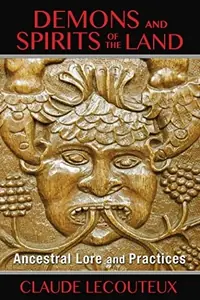
Demons and Spirits of the Land: Ancestral Lore and Practices

Lecouteux, Claude
Reader rating
4.5
(1 reviews) 65 sold
Availability to be confirmed

This edition can be ordered. No arrival date is confirmed.

📚 ABOUT THE BOOK

Before concrete, spirits claimed every forest and stream.

Delve into a captivating exploration of ancient European folk beliefs, where every landscape harbored unseen entities. Lecouteux meticulously unearths forgotten medieval tales and pagan traditions concerning a diverse pantheon of nature spirits—from benevolent brownies and mischievous fairies to formidable giants and elusive will-o'-the-wisps. Discover the intricate rituals our ancestors employed to respectfully engage with these beings, seeking their favor or permission before settling new territories. This work illuminates how these deep-seated spiritual connections to the land have subtly persisted, shaping our culture and even our built environment in ways often overlooked.

Key themes
Ancient Appeasement Rites Enduring Cultural Echoes
Historical context

This work situates itself within the rich tapestry of ancient European folk beliefs and pagan traditions, exploring the spiritual ecology that predated modern urbanization. It bridges the gap between medieval tales and contemporary esoteric interest in ancestral land connections.


Difficulty
●● Moderate
Fans will love it
Ronald Hutton's historical analyses of pagan continuity · Wendy Doniger's mythological studies · Robin Hood's folklore collections
🌙 Witchcraft & Wicca
🏛 Inner Traditions International 📅 2015 📖 224 pages 📔 Paperback 📐 Paperback ISBN: 9781620553992
Fun fact
Lecouteux delivers a meticulously researched and engaging account of Europe's forgotten land spirits. This book excels in its ability to synthesize diverse historical and folkloric sources, painting a vivid picture of an animistic worldview. It may disappoint those seeking practical spellcraft or a lightweight read, yet it is indispensable for serious students of European folklore, historical paganism, and the spiritual geography of the past. A vital contribution to understanding our ancestral connection to the earth.

📝 Description: Demons and Spirits of the Land: Ancestral Lore and Practices

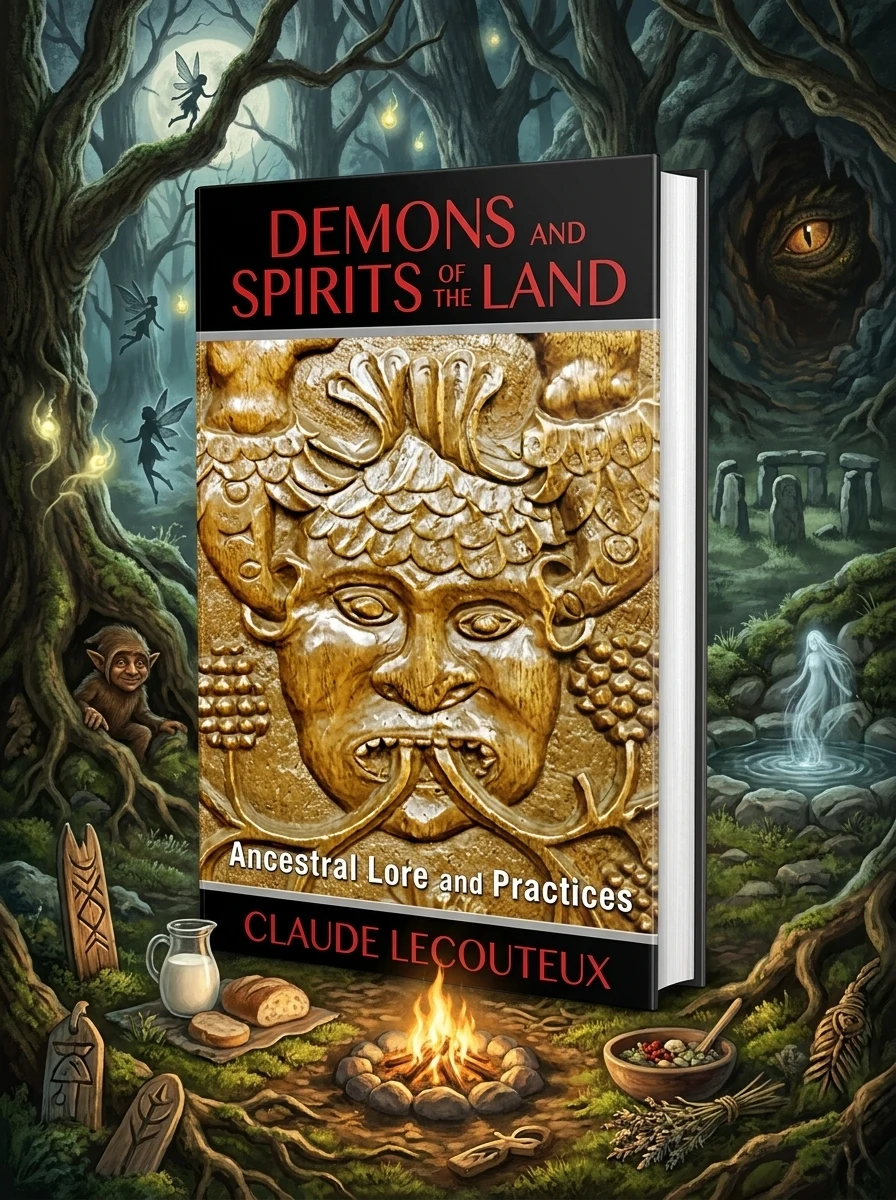
An exploration of the wild spirits that once roamed the lands and inhabited the waters and the pagan rites used to gain their good will - Explores medieval stories and folk traditions of brownies, fairies, giants, dragons, will-o'-the-wisps, and demons - Explains the specific rites performed to negotiate with the local spirits and ensure their permission before building on new land - Shows how these beliefs carried through to modern times, especially in architecture Our pagan ancestors knew that every forest has brownies and fairies, every spring its lady, and every river malevolent beings in its depths. They told tales of giants in the hills, dragons in the lakes, marshes swarming with will-o'-the-wisps, and demons and wild folk in the mountains who enjoyed causing landslides, avalanches, and floods. They both feared and respected these entities, knowing the importance of appeasing them for safe travel and a prosperous homestead. Exploring medieval stories, folk traditions, spiritual place names, and pagan rituals of home building and site selection, Claude Lecouteux reveals the multitude of spirits and entities that once inhabited the land before modern civilization repressed them into desert solitude, impenetrable forests, and inaccessible mountains. He explains how, to our ancestors, enclosing a space was a sacred act. Specific rites had to be performed to negotiate with the local spirits and ensure proper placement and protection of a new building. These land spirits often became the household spirit, taking up residence in a new building in exchange for permission to build on their territory. Lecouteux explores Arthurian legends, folk tales, and mythology for evidence of the untamed spirits of the wilderness, such as giants, dragons, and demons, and examines the rites and ceremonies used to gain their good will. Lecouteux reveals how, despite outright Church suppression, belief in these spirits carried through to modern times and was a primary influence on architecture, an influence still visible in today's buildings. The author also shows how our ancestors' concern for respecting nature is increasingly relevant in today's world.

💎 Expert review

💎
Esoterica Books editorial team
Occult literature desk
Lecouteux offers a meticulous unearthing of forgotten medieval tales regarding nature spirits, providing valuable context for those studying European esotericism. However, readers seeking straightforward spellcasting instructions or rigid dogmatic rules will find little here. The book is dense with folklore and anthropological observation rather than actionable magic. It may frustrate those preferring clear-cut binaries between 'good' and 'evil' spirits, as the text presents a nuanced pantheon of benevolent, mischievous, and formidable beings. It is best suited for scholars or serious practitioners willing to dig through historical layers to understand the subtle spiritual underpinnings of the built environment and ancient land rights.
✓ EDITOR'S REVIEW

📖 Why choose it

📖

Why this book is worth reading

Readers who feel a profound, perhaps unexplained, connection to the natural world will find this book deeply resonant. Those interested in witchcraft and wicca often seek roots beyond ritual, looking for the ancestral logic behind their practices. Lecouteux provides that missing link by detailing how ancestors negotiated with unseen entities like brownies and fairies before building homes or farming land. It offers practical insight into respectful engagement with the land, appealing to modern practitioners who wish to honor these deep-seated spiritual connections. If you crave a sense of place and history that explains why certain landscapes feel charged, this text illuminates how these beliefs shaped our culture and environment in overlooked ways.

⭐ Reader reviews

The starting rating comes from the team Esoterica Books —
⭐ Esoterica editorial review Editorial rating 4.5/5
★★★★
If you're drawn to the forgotten wisdom of our pagan ancestors, intrigued by the supernatural threads woven into historical landscapes, or seek folklore's origins, this book offers a profound journey. Essential for those yearning to reconnect with the mystical spirit of the land.

Reader rating

4.5
Based on 1 reviews
5
0
4
1
3
0
2
0
1
0
E
Esoterica Books editorial team

Lecouteux offers a meticulous unearthing of forgotten medieval tales regarding nature spirits, providing valuable context for those studying European esotericism. However, readers seeking straightforward spellcasting instructions or rigid dogmatic rules will find little here. The book is dense with folklore and anthropological observation rather than actionable magic. It may frustrate those preferring clear-cut binaries between 'good' and 'evil' spirits, as the text presents a nuanced pantheon of benevolent, mischievous, and formidable beings. It is best suited for scholars or serious practitioners willing to dig through historical layers to understand the subtle spiritual underpinnings of the built environment and ancient land rights.

❓ Frequently asked questions

No, it primarily explores historical beliefs and ancestral traditions concerning land spirits, drawing from medieval texts and European folklore rather than contemporary magical systems.
While it describes ancient rites and appeasement customs, its purpose is academic exploration and cultural understanding, not a practical guide for spirit conjuration.

📖 Who should read this

If you're drawn to the forgotten wisdom of our pagan ancestors, intrigued by the supernatural threads woven into historical landscapes, or seek folklore's origins, this book offers a profound journey. Essential for those yearning to reconnect with the mystical spirit of the land.

🎯 Key themes and symbolism

Ancient Appeasement Rites

Lecouteux details the specific, often complex, rituals performed by our forebears to negotiate with local spirits. From offerings for safe passage to elaborate blessings for new construction, the book reveals how these practices were integral to ensuring harmony between human endeavors and the powerful, unseen forces inhabiting the land.

Enduring Cultural Echoes

Beyond historical accounts, the author demonstrates how these ancestral beliefs subtly resonate in contemporary society. He traces their influence through architectural traditions, place names, and lingering superstitions, illustrating that the ancient spiritual connection to the land has never entirely vanished, merely transformed or gone underground.

💬 Quotes from the book

“To dismiss the ancient land spirits as mere superstition is to ignore the deep, practical wisdom of our ancestors, who understood that every forest, every stream, held an animating presence requiring respect.”

“Before a single stone was laid or a furrow turned, the elders consulted the land, performing intricate offerings to gain the unseen guardians' permission, for to build without blessing was to invite misfortune.”

📜 Historical context

This work stands firmly within the tradition of illuminating pre-Christian European animistic beliefs and their profound impact on human civilization. It bridges medieval scholarship with folkloric studies, offering a comprehensive look at how local deities and territorial spirits were once central to cultural practices, land use, and even architectural planning, before being marginalized by later belief systems.

📚 Glossary

Brownies
Will-o'-the-Wisps
Pagan Rites

📔 Questions to reflect on

  1. Consider a natural place you feel particularly connected to. What stories or unseen presences might ancient peoples have attributed to that location?
  2. How might our modern approach to land development and resource use differ if we still genuinely believed in powerful, localized nature spirits?
  3. Research the folklore or spiritual place names associated with your own local area. What does this tell you about its historical relationship with the unseen?

✍️ More books by this author Lecouteux, Claude

All books by this author →
🏛 Books from this publisher Inner Traditions International

All books from this publisher →

You might also like

See more →