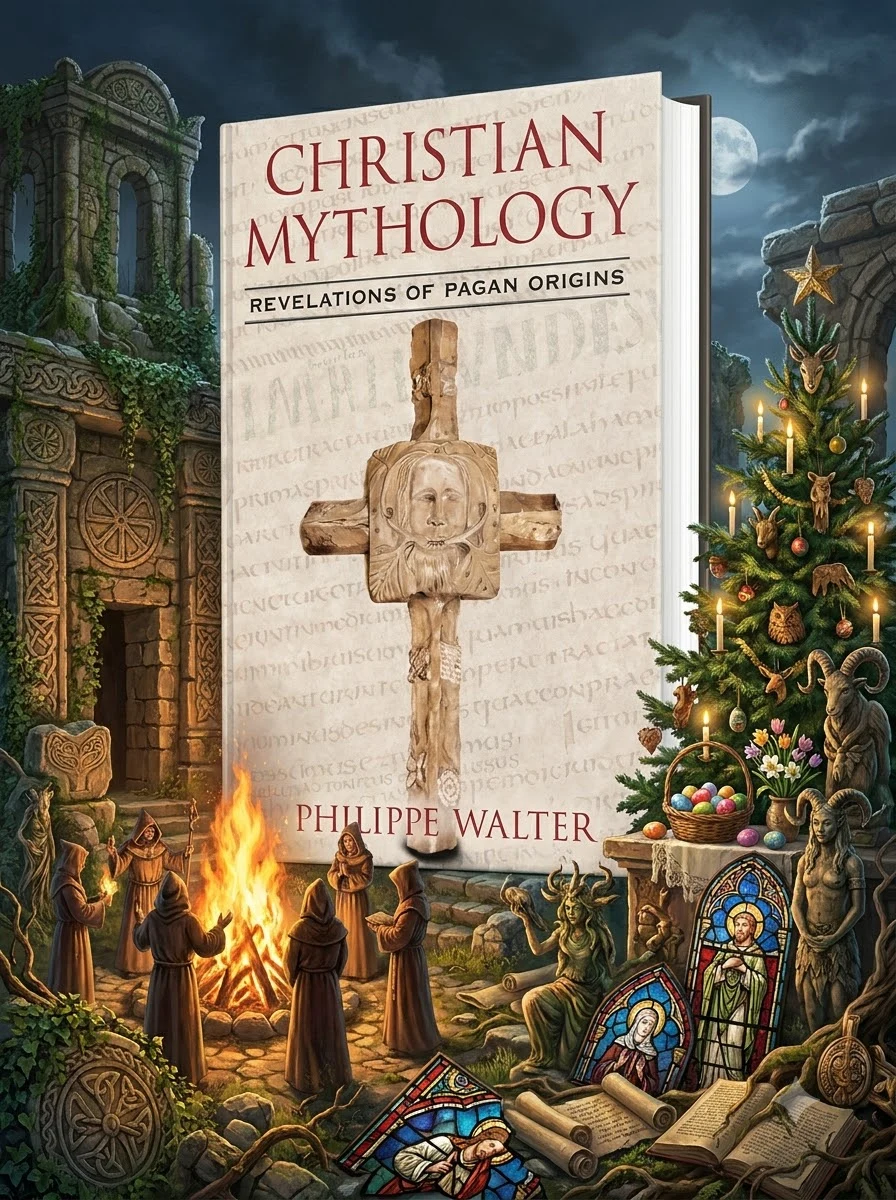
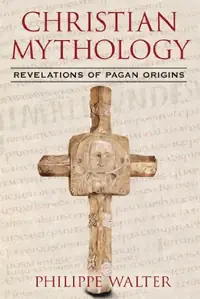
Christian Mythology: Revelations of Pagan Origins (Edition, New of Christianity: Origins of a Pagan Religion)


This edition can be ordered. No arrival date is confirmed.
Uncover the forgotten pagan heart beating within Christian tradition.
Philippe Walter, joined by Claude Lecouteux, meticulously uncovers the profound pagan underpinnings of Christian mythology, particularly as it animated medieval Europe. This insightful study demonstrates how many cherished Christian narratives and customs bear little resemblance to biblical texts, instead mirroring ancient, pre-Christian beliefs. The authors reveal the calculated strategies of early Church Fathers who consciously integrated pagan elements—from deities re-envisioned as saints to traditional holidays—to facilitate the widespread adoption of the new faith, illustrating how conversion often meant assimilation rather than outright replacement.
This work sits firmly within the field of comparative mythology and historical theology, exploring the syncretic relationship between pre-Christian European pagan traditions and the development of medieval Christianity. It serves as a scholarly examination of how early religious institutions managed the assimilation of indigenous beliefs during the spread of the new faith.


📝 Description: Christian Mythology: Revelations of Pagan Origins (Edition, New of Christianity: Origins of a Pagan Religion)
💎 Expert review
📖 Why choose it
Why this book is worth reading
Readers fascinated by the hidden layers of cultural history and the evolution of religious symbolism will find this book profoundly illuminating. It appeals to those who suspect that modern spiritual practices retain echoes of ancient rituals, offering a clear map of how pagan deities were re-envisioned as saints and holidays were repurposed for Christian adoption. This study is ideal for individuals seeking to understand the mechanics of religious conversion as a process of assimilation rather than replacement. By revealing the calculated strategies of early Church Fathers, it provides a deeper appreciation for the resilience of pre-Christian beliefs. Those interested in the intersection of mythology, history, and theology will gain a richer perspective on how the 'forgotten pagan heart' continues to influence contemporary understanding of sacred narratives and customs.
⭐ Reader reviews
Reader rating
This title offers a compelling forensic analysis of Christian mythology’s pagan roots, particularly regarding medieval Europe. It is a valuable resource for scholars and enthusiasts interested in religious syncretism and the historical strategies used to facilitate faith adoption. However, it may not suit readers seeking purely devotional or orthodox theological interpretations, as it explicitly challenges traditional biblical narratives by highlighting their non-biblical origins. Those looking for straightforward dogma might find the focus on 'calculated strategies' and pagan underpinnings unsettling or overly critical. It is best appreciated by those willing to engage with history through a lens of cultural evolution rather than religious orthodoxy.
❓ Frequently asked questions
📖 Who should read this
For anyone fascinated by the hidden histories of religion, comparative mythology, or the intricate evolution of spiritual traditions, this book offers profound insights. If you seek to understand the layers beneath common Christian practices, prepare for a captivating journey of revelation.
🎯 Key themes and symbolism
Ecclesiastical Adaptation
Walter and Lecouteux detail the pragmatic approach taken by early Church leaders. Rather than eradicating paganism entirely, figures like Pope Gregory the Great strategically advised incorporating existing rituals and converting sacred sites, proving that the early church was highly adaptable and politically astute in its mission to expand.
Holiday Resonances
The authors meticulously trace the origins of major Christian holidays, including Christmas and Easter, back to their pagan counterparts. They illustrate how these celebrations were not divinely ordained but skillfully re-contextualized ancient festivals, ensuring continuity and easing the transition for a populace accustomed to seasonal rites.
💬 Quotes from the book
“The Church Fathers, far from abolishing pagan customs, shrewdly recognized their enduring power and chose to baptize them, transforming ancient rites into new Christian observances.”
“Look closely at the figures of the saints, and beneath their hagiographic veneer, you will often find the echoes of older, pre-Christian deities, their attributes and veneration cleverly reassigned.”
📜 Historical context
📚 Glossary
- Syncretism
- Paganism
- Mythology
📔 Questions to reflect on
- Reflect on a Christian holiday you celebrate. How might understanding its pagan roots change your personal experience or interpretation of its meaning?
- Considering the strategic integration of pagan elements by the Church, what does this reveal about the nature of religious conversion and adaptation throughout history?
- If ancient traditions never truly disappear but merely transform, what other "hidden" influences might be shaping contemporary beliefs or practices in unexpected ways?
🏛 Books from this publisher Inner Traditions International
All books from this publisher →




You might also like
See more →