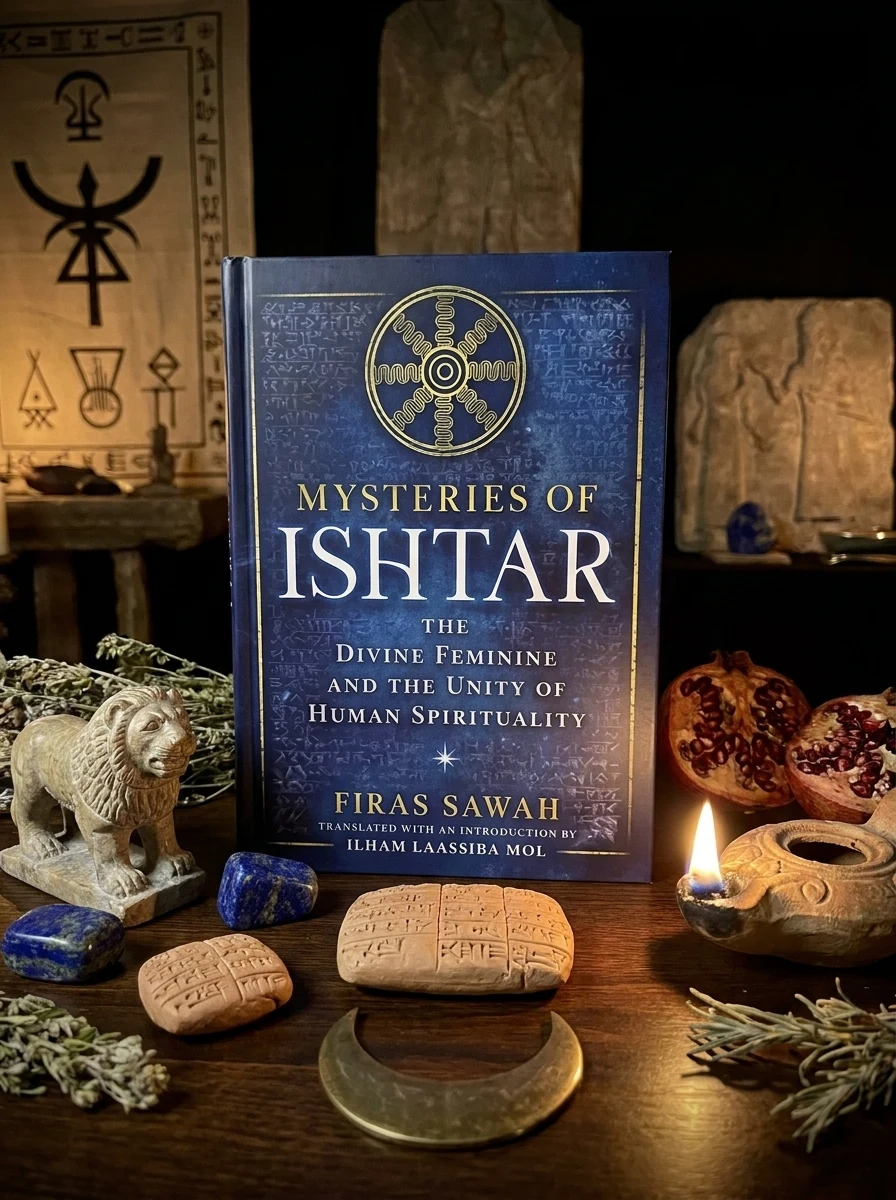
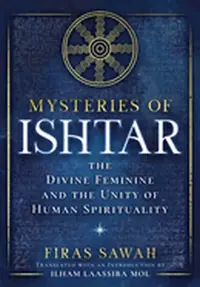
Mysteries of Ishtar: The Divine Feminine and the Unity of Human Spirituality
This edition can be ordered. No arrival date is confirmed.
Unearth the ancient roots of divinity through Ishtar's enduring, multifaceted power.
Firas Sawah's seminal work, now accessible in English for the first time, meticulously chronicles the genesis of organized spiritual thought. It reveals how primordial reverence for the Great Mother in the ancient Near East laid the foundation for religious consciousness. The book vividly portrays Ishtar, exploring her multifaceted aspects from lunar connections to healing, sexuality, and magical practices. Tracing her influence from Paleolithic fertility veneration to Neolithic agrarian societies, this comprehensive study uncovers the profound spiritual legacy of the divine feminine.
This work situates itself within the rich tapestry of ancient Near Eastern spirituality and comparative religion, specifically focusing on the evolution of the divine feminine archetype. It bridges prehistoric fertility veneration with the structured religious consciousness that emerged in agrarian societies.


📝 Description: Mysteries of Ishtar: The Divine Feminine and the Unity of Human Spirituality
💎 Expert review
📖 Why choose it
Why this book is worth reading
Readers deeply invested in the reclamation of matriarchal history and the study of ancient Near Eastern deities will find profound value in this text. It offers a scholarly yet accessible entry point into understanding how primordial reverence for the Great Mother evolved into organized spiritual thought. Those fascinated by the multifaceted nature of Ishtar—her connections to healing, sexuality, and magic—will appreciate the meticulous chronicle of her enduring legacy. This book serves as an essential resource for anyone seeking to unearth the ancient roots of divinity and understand the foundational layers of human spirituality through the lens of the divine feminine.
⭐ Reader reviews
Reader rating
Sawah’s seminal work provides a rigorous academic exploration of Ishtar, making it particularly suitable for scholars and serious students of comparative mythology. However, readers expecting a light, devotional guide or a simple retelling of myths may find the dense, historical analysis tedious. It does not suit those looking for quick, digestible insights or practical ritual instructions without substantial theoretical background. The text demands patience and intellectual engagement, rewarding only those willing to delve into the complex genesis of religious consciousness rather than seeking immediate spiritual comfort or superficial entertainment.
❓ Frequently asked questions
📖 Who should read this
If you are drawn to the origins of religion, ancient matriarchal societies, or the enduring power of the divine feminine, this book is for you. It offers a deep, scholarly dive into a pivotal historical and spiritual figure.
🎯 Key themes and symbolism
Birth of Sacred Consciousness
This book explores how the earliest forms of structured spirituality originated from the veneration of the Great Mother in the ancient Near East. It traces the evolution from Paleolithic fertility rites to Neolithic agricultural worship, revealing how these primordial practices formed the foundational bedrock of human religious experience across cultures.
Ishtar's Many Faces
Delve into the diverse manifestations of the goddess Ishtar, uncovering her intricate ties to the Moon's cycles, the untamed wilderness of nature, profound healing arts, the mysteries of death and rebirth, the essence of sexuality, and transformative magic. The text illuminates her complex role in ancient spiritual life.
Cross-Cultural Echoes
Analyze how the divine feminine archetype, powerfully personified by Ishtar, resonates across various ancient civilizations. This work draws compelling parallels between myths and rituals in Mesopotamia, Egypt, and Greece, illustrating a shared spiritual heritage and the universal significance of the Great Mother figure.
💬 Quotes from the book
“Before the gods of thunder and sky, there was the fertile earth, the nurturing darkness, and the rhythmic cycle of life and death embodied by the Great Mother.”
“Ishtar is not merely a deity of fertility; she is the cosmic dance itself—the moon's changing face, the wild animal's spirit, the healer's touch, and the warrior's fervor.”
📜 Historical context
📚 Glossary
- Ishtar
- Divine Feminine
- Mesopotamia
📔 Questions to reflect on
- Reflect on how the concept of the 'Great Mother' might still resonate in modern spiritual or environmental movements. What connections do you draw?
- Consider the various aspects of Ishtar (love, war, healing, death, magic). Which of these aspects do you find most compelling, and why?
- How does understanding the ancient origins of religious consciousness shift your perspective on contemporary spiritual practices or beliefs?
🏛 Books from this publisher Inner Traditions International
All books from this publisher →



You might also like
See more →
 91
91