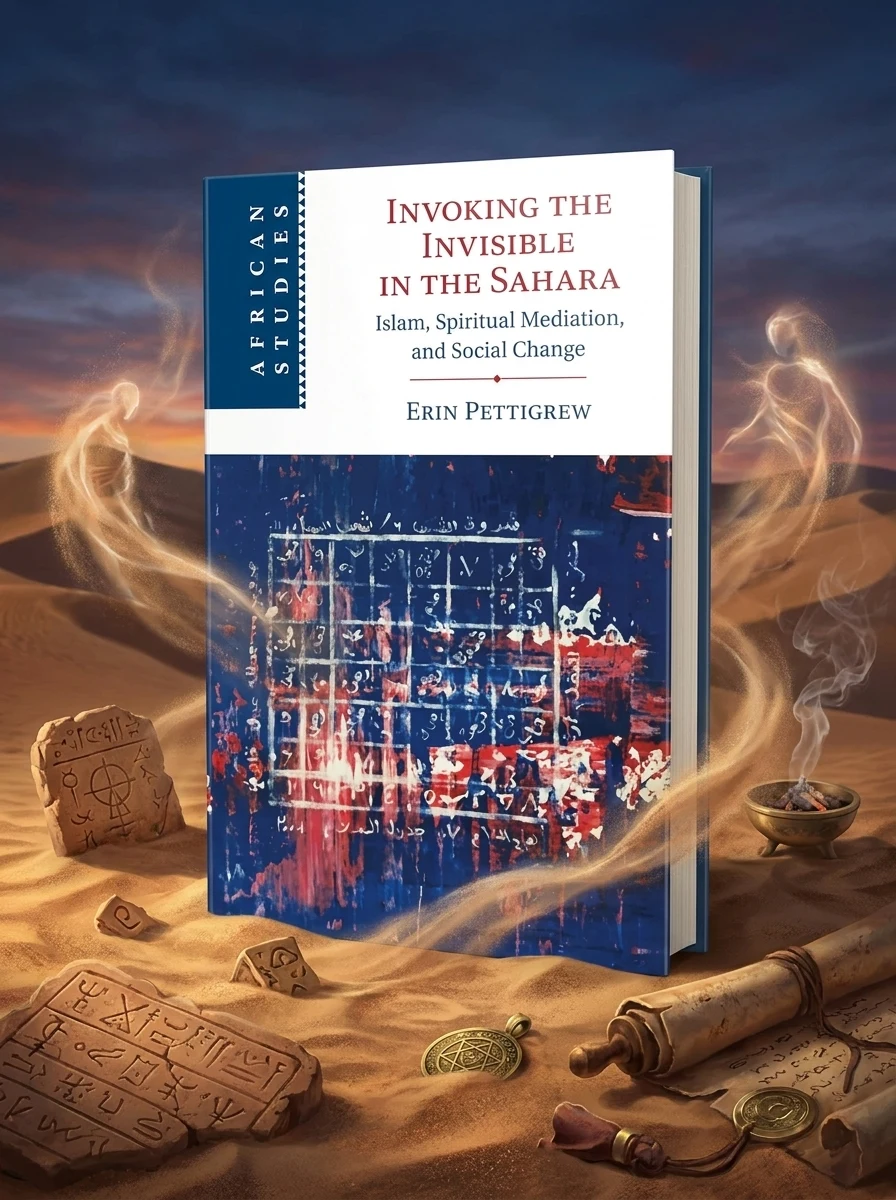

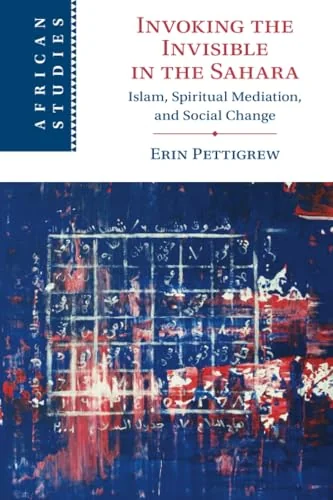
Invoking the Invisible in the Sahara
✍️ Pettigrew, ErinA scholarly history of how invisible spirits shaped African social and political structures.
This text analyzes the influence of esoteric knowledge and spirits on African society. Pettigrew uses these unseen forces to explain shifts in religious norms and political power. The work focuses on historical contexts rather than contemporary practice. It provides a structural analysis of how invisible entities operated within established social frameworks. Readers will find a detailed account of how these concepts influenced governance and community organization over time.
The book addresses the intersection of African history with esoteric practices and divination. It situates unseen entities within the broader context of social and political development on the continent, offering a historical rather than mystical perspective.


📝 Description: Invoking the Invisible in the Sahara
💎 Expert review
📖 Why choose it
Why this book is worth reading
This book offers a vital re-evaluation for scholars and practitioners alike who feel that conventional history has ignored the potent role of the unseen. Readers seeking to understand how esoteric knowledge, spirits, and intangible forces have actually forged societies, molded religious norms, and cemented political power will find this lens indispensable. It invites you to step beyond standard narratives and acknowledge the enduring impact of forces long dismissed by mainstream scholarship. If you are ready to reconsider the foundations of human society through a new perspective that values hidden currents as much as visible events, this text provides the compelling evidence needed to shift your understanding of history's deepest mysteries.
⭐ Reader reviews
Reader rating
Erin Pettigrew presents a revolutionary historical account that meticulously excavates how intangible elements shape social structures and political power. While intellectually stimulating for those open to esoteric interpretations of history, this work is not suited for readers who strictly adhere to materialist historiography or who dismiss the influence of spirits as irrelevant to societal development. It challenges the reader to acknowledge the complex interplay between the visible and invisible, offering a compelling but demanding perspective. Those expecting a practical grimoire or a light reading experience may find its academic rigor and theoretical depth too heavy. However, for those willing to engage with history's deepest mysteries through this unconventional lens, it offers a crucial and thought-provoking re-evaluation of the forces that have molded civilization.
❓ Frequently asked questions
📖 Who should read this
If you're eager to challenge conventional historical narratives, explore the profound impact of spirituality on power, or delve into the intellectual depth of non-Western traditions, this book is essential. It's for those who believe history is richer than what meets the eye.
🎯 Key themes and symbolism
Invisible Forces in History
Pettigrew pioneers a new historical methodology, arguing that spiritual entities, divination practices, and hidden knowledge are not merely cultural curiosities but active agents. The book demonstrates how these unseen forces have fundamentally dictated the development of societies, often more profoundly than material conditions or conventional political maneuvers, urging a re-evaluation of historical causality.
Power and Esoteric Knowledge
This work intricately explores the symbiotic relationship between political authority and the esoteric. It reveals how rulers and leaders have historically leveraged, controlled, or been shaped by spiritual beliefs and practices to maintain power, establish legitimacy, or navigate societal challenges. The book illustrates how unseen realms directly influence governance and social hierarchy, particularly in African contexts.
African Spiritual Traditions
At its heart, the book offers a profound appreciation for African spiritual and divinatory systems. It positions these traditions not as exotic footnotes, but as central intellectual frameworks that have actively informed social organization, ethical codes, and political decision-making. Pettigrew showcases the sophistication and enduring relevance of these indigenous knowledge systems in shaping historical trajectories.
📜 Historical context
📚 Glossary
- Esoteric Knowledge
- Divination
- Invisible Forces
📔 Questions to reflect on
- Consider a historical event you're familiar with. How might its interpretation change if you considered the influence of 'invisible forces' on its unfolding?
- Reflect on a societal norm or political structure in your own culture. Can you identify any underlying esoteric or spiritual beliefs that might have shaped its development?
- How does acknowledging the power of unseen forces challenge or expand your understanding of human agency and historical causality?
📖 Read on the blog
📖 From the series “African Studies”
All books in the series →


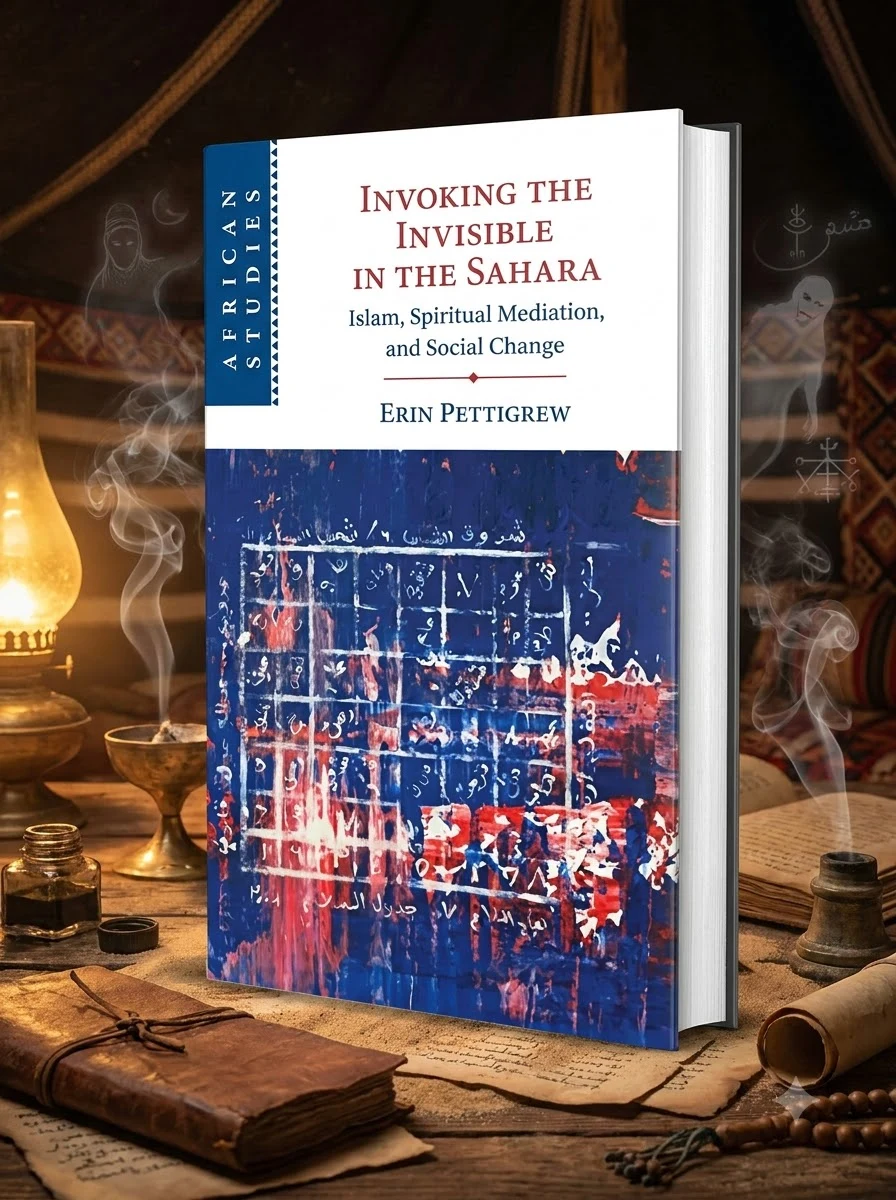
✍️ More books by this author Pettigrew, Erin
All books by this author →🏛 Books from this publisher Cambridge University Press
All books from this publisher →

You might also like
See more →







Have a question about this item?
Ask about the edition, condition, delivery or anything else — we reply by email or phone, usually within a day.
