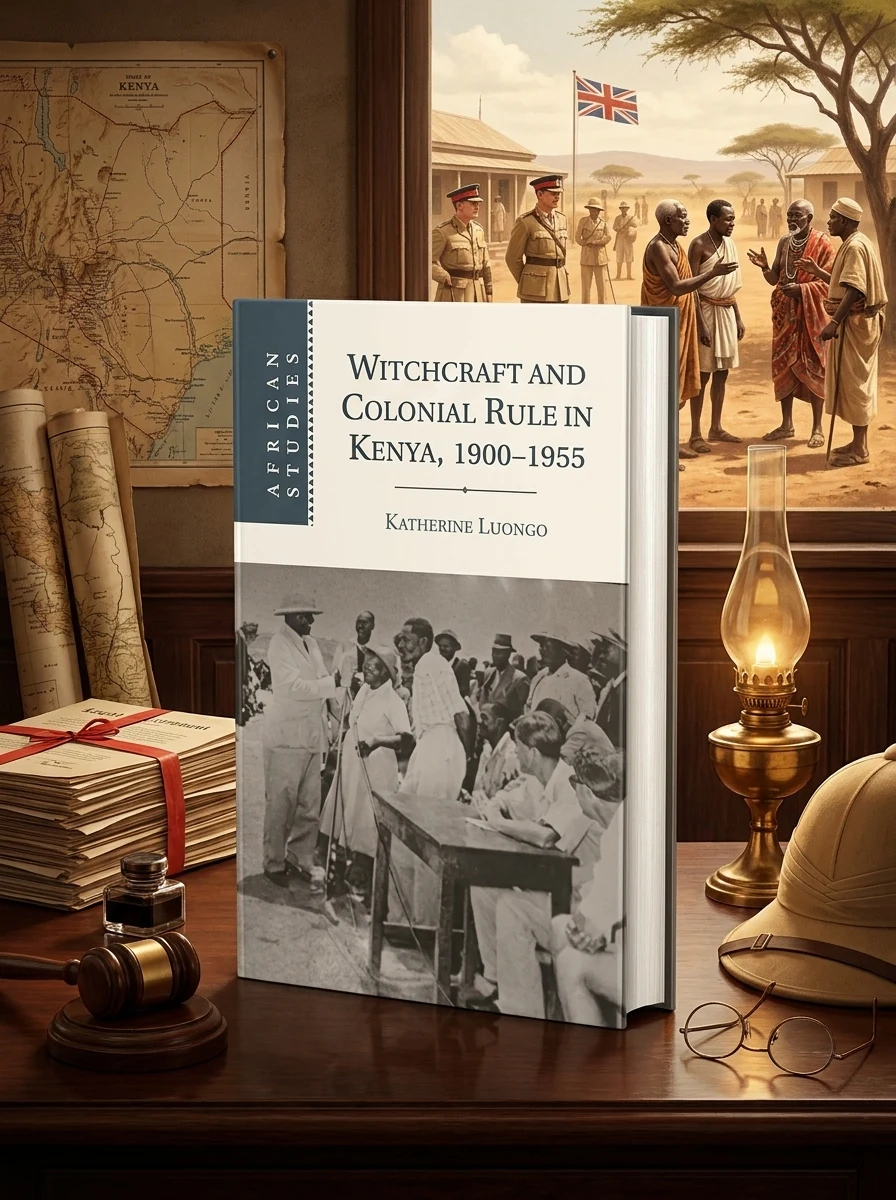
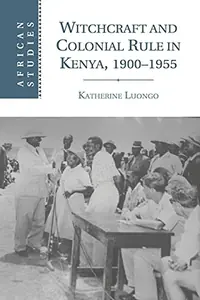
Witchcraft and Colonial Rule in Kenya, 1900-1955 Luongo, Katherine
Stock reported in the catalog; fulfillment is confirmed with your request.
Uncover how colonial Kenya's battle against witchcraft shaped the very essence of imperial law and order.
This compelling historical analysis delves into the fraught interactions between British colonial powers and indigenous African communities in Kenya from 1900 to 1955. It meticulously examines how disputes arising from accusations of witchcraft became a pivotal arena where both sides contended over fundamental definitions of justice, legitimate authority, and societal structure. Through these struggles, the very fabric of imperial governance was challenged and redefined, revealing the profound cultural clashes beneath the surface of colonial administration.
This work situates itself within the historiography of British colonial administration in East Africa, specifically examining the intersection of legal systems and indigenous spiritual beliefs during the early twentieth century. It contributes to broader scholarly conversations about how imperial powers constructed authority through the regulation of local customs and justice.


📝 Description: Witchcraft and Colonial Rule in Kenya, 1900-1955 Luongo, Katherine
💎 Expert review
📖 Why choose it
Why this book is worth reading
Scholars and students of colonial history will find this text indispensable for understanding the nuanced mechanisms of imperial control. Luongo reveals how witchcraft accusations were not merely superstitious fears but potent political tools used to negotiate power between British officials and Kenyan communities. Readers interested in the legal anthropology of empire, the construction of justice, and the complexities of cross-cultural governance will gain profound insights into how colonial law was both challenged and reshaped by indigenous resistance and adaptation. It offers a critical lens for viewing the foundations of modern state authority through the specific, intense case study of Kenya’s early colonial period.
⭐ Reader reviews
Reader rating
This is a dense, academic analysis that demands patience from readers seeking narrative flair or accessible general history. It is not suited for casual readers interested in practical witchcraft traditions, Wiccan philosophy, or light historical anecdotes. The text focuses strictly on legal and political frameworks rather than personal spiritual experiences, making it dry for those expecting occult content. However, for historians and anthropologists examining the intersection of law, culture, and imperial power, it provides a rigorous and essential examination of how colonial rule was legitimized through the suppression and redefinition of indigenous beliefs.
❓ Frequently asked questions
📖 Who should read this
If you're fascinated by the complex interplay of power, belief, and law, or seek to understand the nuanced impact of colonialism on indigenous spiritual practices, this rigorous academic yet accessible work offers profound insights into Kenya's past and its enduring legacies.
🎯 Key themes and symbolism
Colonial Justice & Witchcraft
Explores how the British legal system grappled with indigenous witchcraft practices, revealing the inherent contradictions and power imbalances within colonial law. It uncovers how these clashes forced a re-evaluation of what constituted crime and justice in a multi-cultural empire.
Power Dynamics & Resistance
Analyzes the intricate dance of power between colonial authorities and African populations. The book demonstrates how accusations and defenses related to witchcraft became a subtle yet potent form of resistance and negotiation against foreign rule, shaping local and imperial policies.
Defining Law & Order
Investigates how the enforcement of "law and order" by the British was continually challenged and reshaped by local understandings of spiritual power and community justice. It highlights the evolving interpretations of governance and social control within the colonial context.
💬 Quotes from the book
“The colonial administration's attempts to categorize and prosecute witchcraft revealed the profound limitations of Western legal frameworks when confronted with deeply embedded spiritual cosmologies.”
“Witchcraft trials became an unexpected forum where Africans could, perhaps inadvertently, articulate and defend their cultural sovereignty against an encroaching foreign power.”
📜 Historical context
📚 Glossary
- Colonial Rule
- Witchcraft Accusation
- Indigenous Justice
📔 Questions to reflect on
- How might understanding colonial responses to witchcraft inform our contemporary perspectives on cultural relativism and legal pluralism?
- Consider a modern-day conflict where differing cultural understandings of justice or belief systems clash. What parallels or distinctions can be drawn with the colonial Kenyan experience?
- In what ways do institutions still struggle to reconcile traditional spiritual practices with secular legal frameworks, and what lessons can be learned from historical precedents?
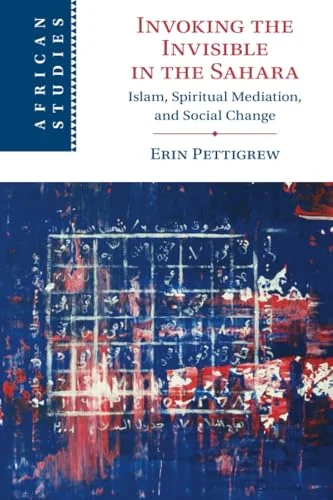
📖 From the series “African Studies”
All books in the series →
🏛 Books from this publisher Cambridge University Press
All books from this publisher →
 75
75

You might also like
See more →
 90
90

 89
89
