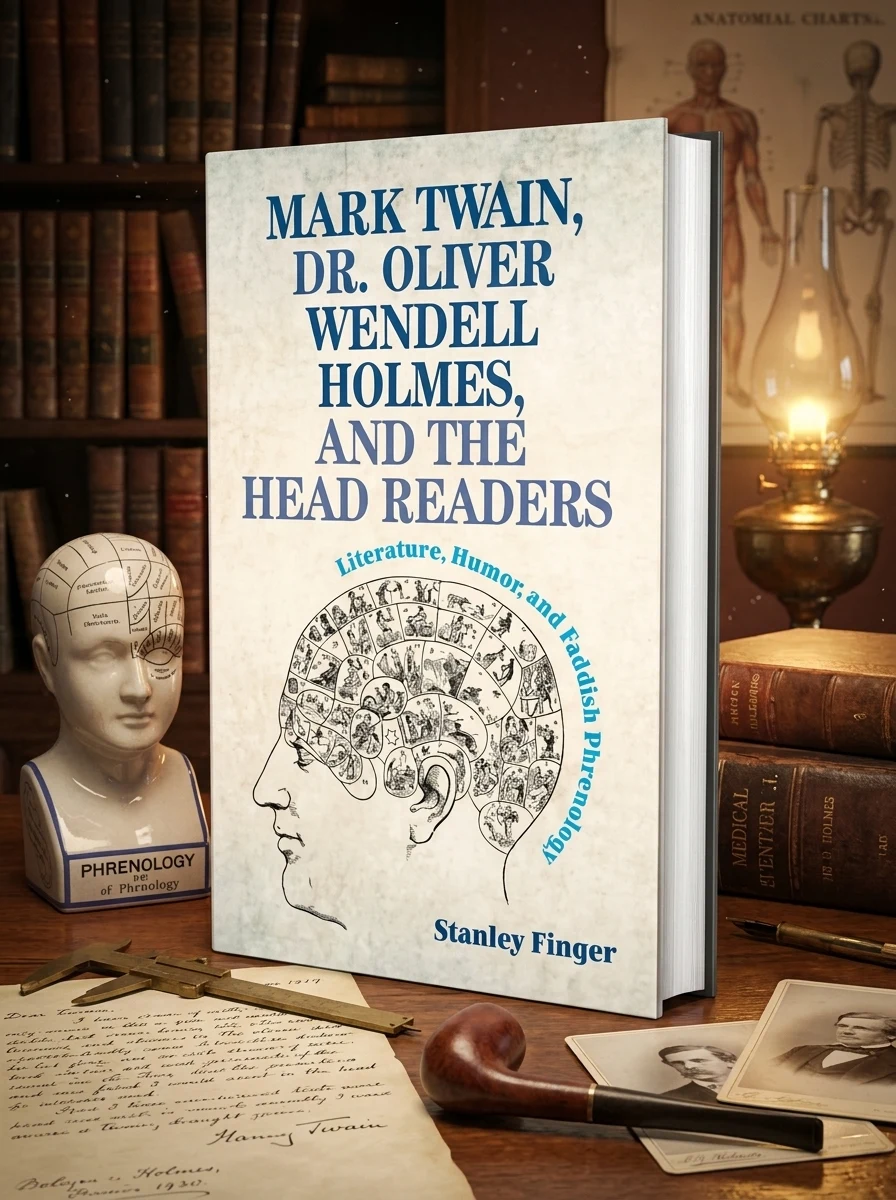
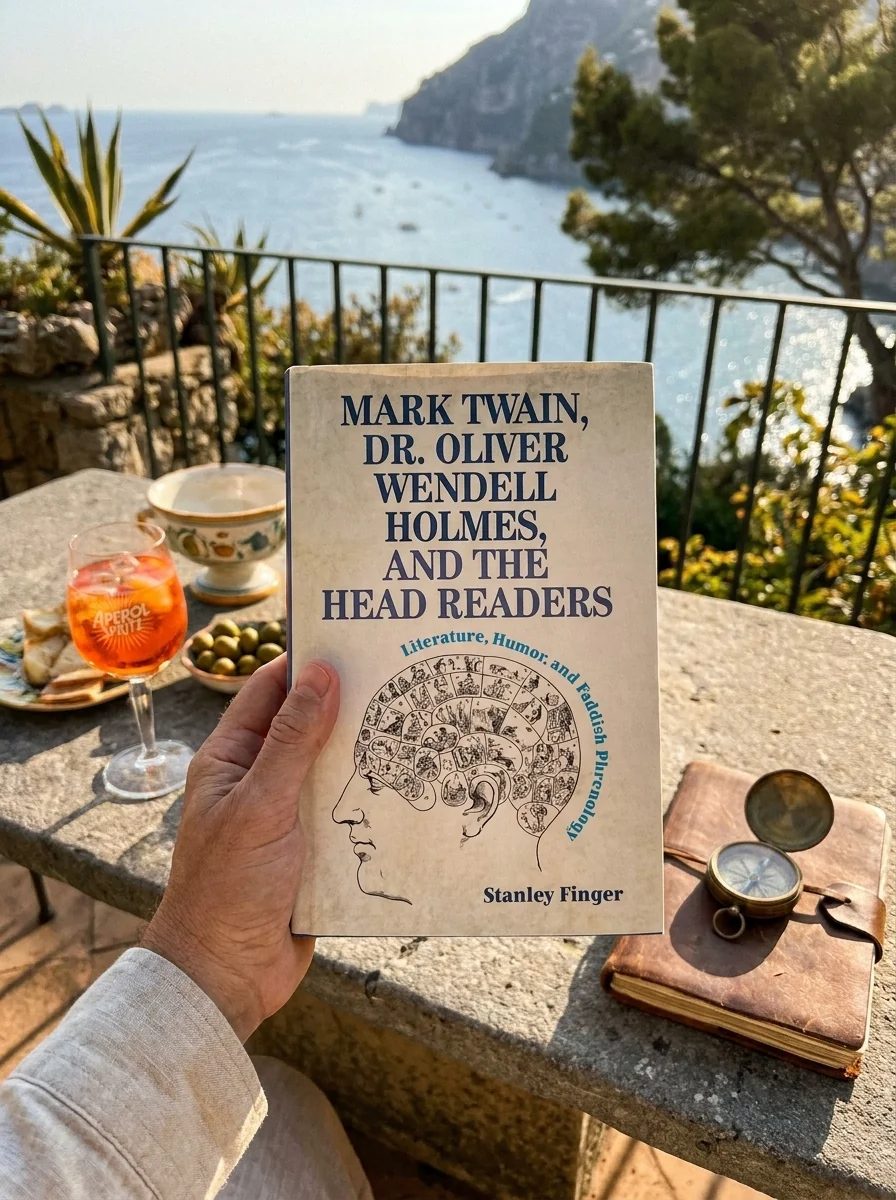
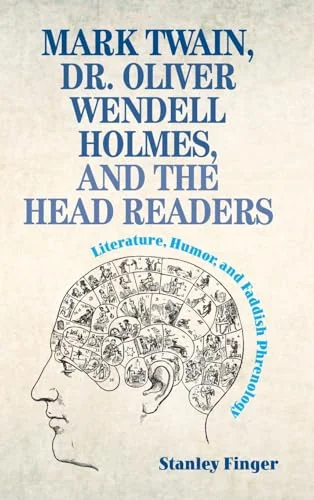
Mark Twain, Dr. Oliver Wendell Holmes, and the Head Readers
This fascinating volume explores phrenology, the 19th-century sensation that offered insights into personality and potential through cranial analysis. It delves into the surprising lifelong, yet often overlooked, fascination legendary author Samuel Clemens, better known as Mark Twain, held for this unique practice. Alongside Dr. Oliver Wendell Holmes, this book illuminates how a seemingly forgotten pseudoscience captivated prominent intellectual figures, influencing their understanding of human nature and self-improvement during a transformative era of psychological inquiry.


📝 Description: Mark Twain, Dr. Oliver Wendell Holmes, and the Head Readers
💎 Expert review
📖 Why choose it
Why this book is worth reading
Readers fascinated by the hidden intellectual habits of literary giants will find this volume deeply rewarding. It offers a unique lens through which to view Samuel Clemens’s lifelong, yet often overlooked, obsession with head-reading. By illuminating how phrenology influenced his understanding of human nature, Stanley Finger provides a compelling narrative for those interested in the intersection of literature and emerging psychological theories. This book is particularly suitable for history buffs and Twain enthusiasts who wish to uncover the secret influences that shaped one of America's most beloved authors during a time when scientific inquiry was rapidly redefining self-discovery.
⭐ Reader reviews
Reader rating
Stanley Finger presents a fascinating, if niche, exploration of phrenology’s hold on prominent figures like Dr. Oliver Wendell Holmes. While the historical context is intriguing, this volume may not suit readers seeking rigorous academic critique or those uninterested in Victorian pseudoscience. It is best appreciated by those who enjoy literary biography intertwined with cultural history. The narrative successfully highlights how a forgotten practice influenced self-improvement and personality analysis. However, skeptics of esoteric history might find the focus on a specific, obscure fascination too narrow. It remains a valuable, if specialized, addition for collectors of Twain lore and historians of 19th-century intellectual trends.
❓ Frequently asked questions
📖 Who should read this
If you're captivated by forgotten historical fads, the hidden intellectual lives of literary giants like Mark Twain, or the evolving quest for self-understanding, this exploration of phrenology and its impact on Victorian thought is an essential addition to your library.
🎯 Key themes and symbolism
Phrenology as Self-Discovery
In the Victorian age, phrenology wasn't just a parlor trick; it was a serious endeavor for self-improvement. This book reveals how individuals sought to understand their innate talents and weaknesses by having their heads "read," believing it offered a tangible map for personal growth and societal contribution, much like modern personality assessments.
Twain's Hidden Obsession
Explore the unexpected and deep-seated interest Samuel Clemens harbored for phrenology. Far from a passing fancy, Twain's engagement with head-reading provides a fresh lens through which to view his complex personality and perhaps even the characters he penned. This book unearths a significant, yet rarely acknowledged, aspect of his intellectual life.
Victorian Mind Science
The 19th century was rife with attempts to systematize the human mind. This work positions phrenology within that broader historical context, showing how it intersected with emerging psychological theories and public fascination with understanding consciousness. It highlights the era's blend of scientific curiosity, spiritual seeking, and the burgeoning quest for self-knowledge.
📜 Historical context
📚 Glossary
- Phrenology
- Head Reading
- Samuel Clemens
📔 Questions to reflect on
- How might a belief system like phrenology influence a writer's perception of character and personality, as it seemingly did for Mark Twain?
- Reflect on contemporary methods of self-assessment (e.g., personality tests). In what ways do they echo the Victorian desire for self-knowledge seen in phrenology?
- Consider how societal "fads" for understanding the self often blend scientific curiosity with spiritual or esoteric beliefs. What does this tell us about human nature?