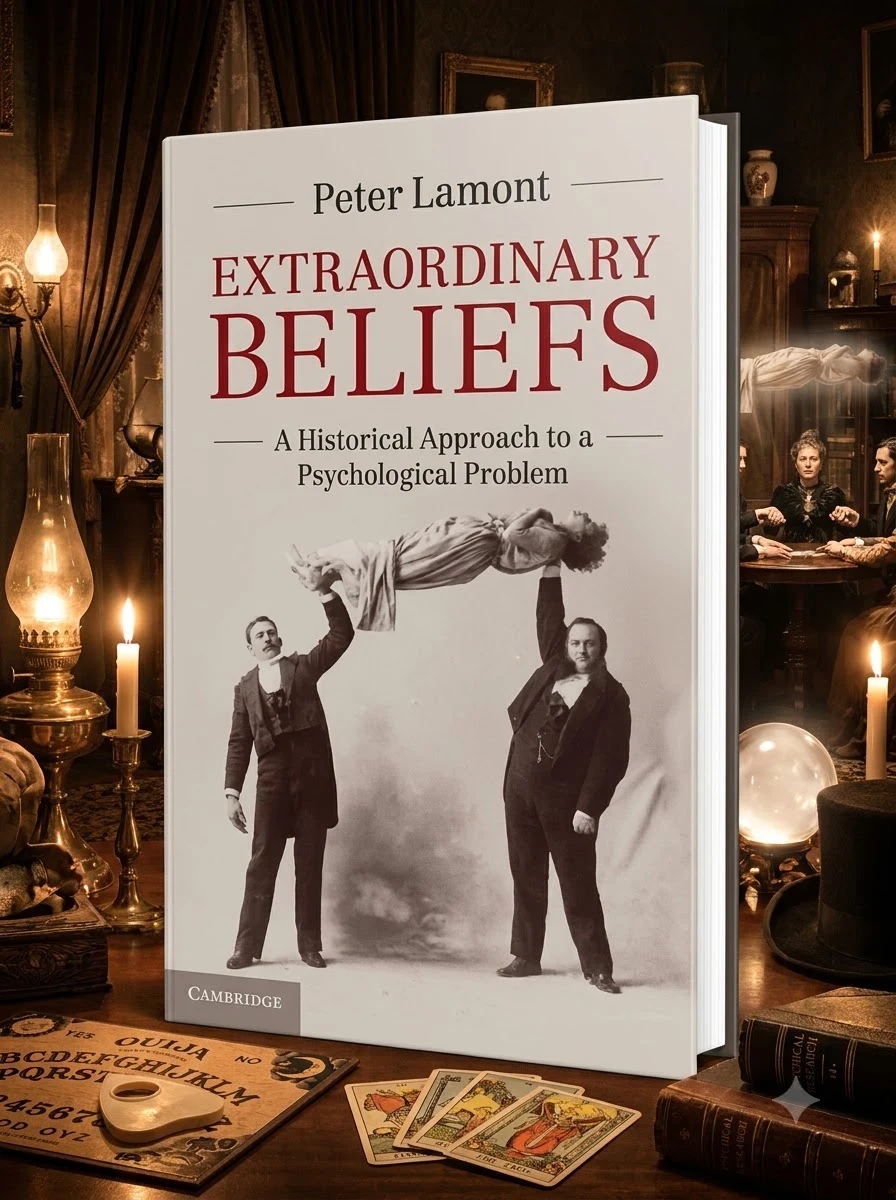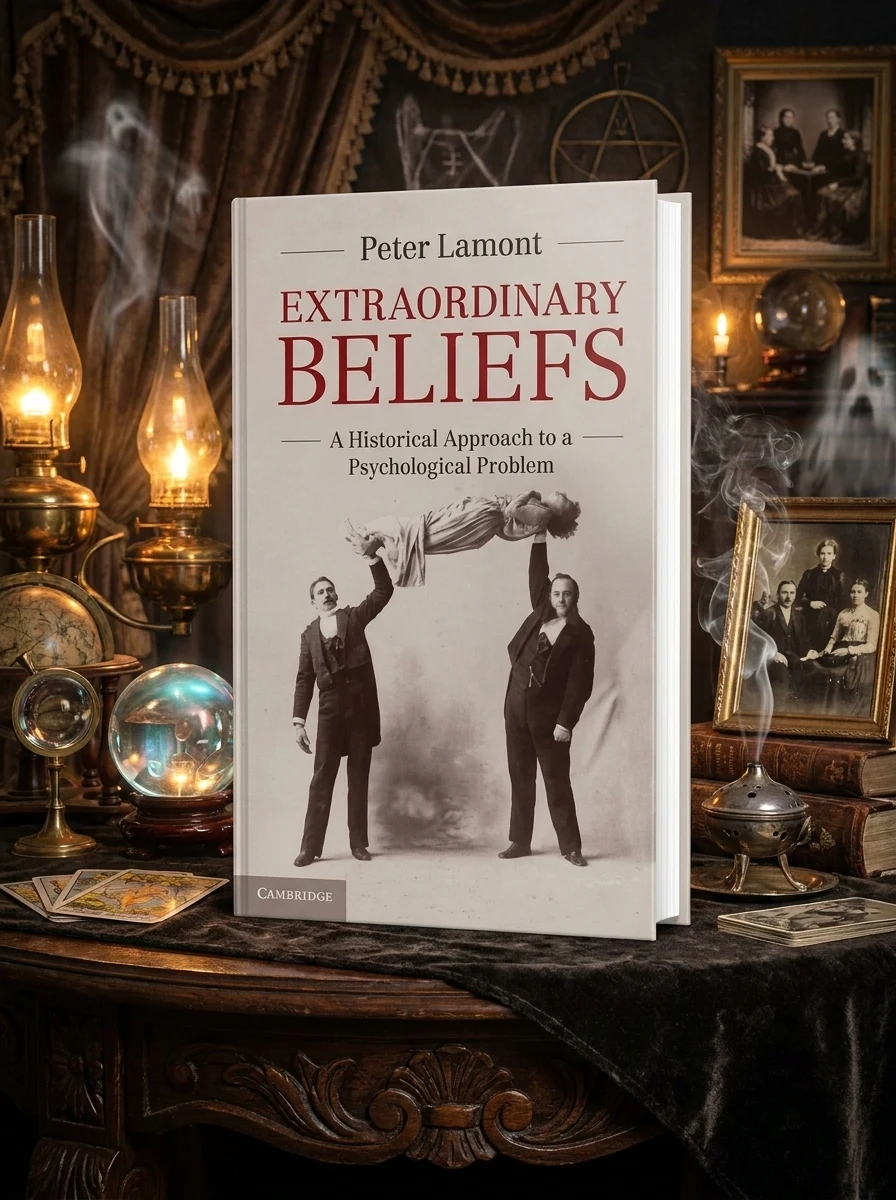
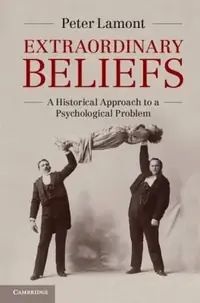
Extraordinary Beliefs
Lamont, PeterStock reported in the catalog; fulfillment is confirmed with your request.
Unravel the enduring human fascination with the inexplicable, from mesmerism to modern psychics.
Peter Lamont, a keen psychological observer, delves into the enduring human propensity for believing in the extraordinary. From the theatrical displays of 19th-century mesmerists to the captivating seances of mediums and the perplexing claims of psychics, this work meticulously examines the historical and cognitive roots of such convictions. It explores why, across generations, individuals have embraced and debated phenomena defying conventional explanation. This book offers a thoughtful journey into the persistent allure of the uncanny, prompting readers to reflect on the very nature of belief itself.
This work sits within the tradition of psychological inquiry into the occult, examining the historical and cognitive roots of belief in phenomena that defy conventional explanation. It bridges the gap between esoteric history and modern understanding of human fascination with the inexplicable.


📝 Description: Extraordinary Beliefs
💎 Expert review
📖 Why choose it
Why this book is worth reading
Readers with a keen interest in the intersection of psychology and the occult will find this book particularly rewarding. It is ideal for those who wish to understand why humans have historically embraced mesmerism, séances, and psychic claims without necessarily adopting the beliefs themselves. Lamont provides a thoughtful journey into the allure of the uncanny, offering insights that are valuable for skeptics and believers alike. By exploring the cognitive roots of these convictions, the book helps readers reflect on the nature of belief itself. It is a must-read for anyone curious about the enduring fascination with the inexplicable and how it shapes our understanding of reality.
⭐ Reader reviews
Reader rating
Peter Lamont offers a meticulous examination of why individuals across generations embrace phenomena defying conventional explanation. This book suits those interested in the historical and cognitive aspects of belief, providing a nuanced look at mesmerism and psychics. However, readers seeking definitive proof of supernatural powers or those expecting a purely skeptical debunking may find it unsatisfying. It is not for the faint of heart who prefer clear-cut answers over complex psychological exploration. The tone is academic yet accessible, making it suitable for students of psychology and history of religion. Those looking for practical occult guidance will be disappointed, as this is an analytical study rather than a manual.
❓ Frequently asked questions
📖 Who should read this
If you've ever pondered why seemingly rational people embrace the mystical or inexplicable, this book is for you. It offers a discerning psychological lens on enduring human beliefs, inviting both skeptics and seekers to understand our shared fascination.
🎯 Key themes and symbolism
The Psychology of Belief
This book meticulously dissects the cognitive mechanisms that underpin our acceptance of unusual claims. It explores how human perception, memory, and social dynamics contribute to the formation and persistence of beliefs in phenomena that often lack empirical validation, offering insights into our inherent drive to find meaning in the extraordinary.
Historical Arc of Wonder
Tracing a fascinating lineage from early 19th-century mesmerism through the rise of spiritualist mediums and into contemporary psychic phenomena, the book chronicles how these "extraordinary" displays have evolved. It highlights the recurring patterns of demonstration, public fascination, and subsequent dispute that characterize humanity's engagement with the unexplained across different eras.
Enduring Human Curiosity
Lamont investigates the fundamental question of why individuals continue to embrace and defend beliefs in the face of skepticism. He examines the deep-seated human need for connection, meaning, and transcendence that these phenomena often promise, revealing the personal and societal factors that perpetuate our fascination with what lies beyond conventional understanding.
💬 Quotes from the book
“The human mind is a master storyteller, capable of constructing narratives that imbue random occurrences with profound meaning, often mistaking correlation for causation in its quest for understanding.”
“While the specific manifestations of 'extraordinary phenomena' shift with cultural tides, the underlying psychological need to engage with the transcendent remains a constant through human history.”
📜 Historical context
📚 Glossary
- Mesmerism
- Mediumship
- Cognitive Bias
📔 Questions to reflect on
- Reflect on a personal belief you hold that might be considered "extraordinary" by others. What psychological or historical factors might contribute to its persistence for you?
- How might social media and modern technology influence the propagation and evolution of extraordinary beliefs in today's world, compared to the 19th century?
- Consider how your own skeptical or credulous tendencies are shaped by your personal experiences and cognitive biases. What new insights does this book offer about your own framework?
✍️ More books by this author Lamont, Peter
All books by this author →
🏛 Books from this publisher Cambridge University Press
All books from this publisher →


 75
75

You might also like
See more →