


Witchcraft Persecutions in Bavaria: Popular Magic, Religious Zealotry and Reason of State in Early Modern Europe Behringer, Wolfgang
Stock reported in the catalog; fulfillment is confirmed with your request.
Uncover the chilling truth behind Bavaria's witch hunts, a dark chapter where fear and power collided.
Wolfgang Behringer's seminal research, now accessible to English readers, meticulously dissects the Bavarian witch persecutions, offering an unparalleled view into their complexities. This groundbreaking study moves beyond simplistic narratives, revealing how everyday magical practices intersected with fervent religious beliefs and calculated political maneuvering. It provides a comprehensive analysis of every documented prosecution, painting a vivid, often harrowing, picture of a society grappling with fear, superstition, and the state’s burgeoning authority during early modern Europe. A vital contribution to understanding this dark historical period.
This work sits firmly within the historiography of early modern Europe, specifically examining the intersection of popular magic, religious zealotry, and state power during the era of intense witchcraft persecution in Bavaria. It contributes to the broader scholarly understanding of how political authority and societal fear converged to shape judicial outcomes in pre-modern society.


📝 Description: Witchcraft Persecutions in Bavaria: Popular Magic, Religious Zealotry and Reason of State in Early Modern Europe Behringer, Wolfgang
💎 Expert review
📖 Why choose it
Why this book is worth reading
This volume offers a vital, nuanced perspective for scholars and serious enthusiasts of early modern history who seek to move beyond sensationalist myths about the witch hunts. By meticulously dissecting documented prosecutions in Bavaria, Behringer reveals the complex interplay between everyday magical practices, fervent religious beliefs, and calculated political maneuvering. Readers will gain an unparalleled view into how fear and state authority collided, providing a comprehensive analysis that illuminates the societal grappling with superstition during this dark period. It is essential for anyone wishing to understand the true mechanisms behind these persecutions rather than accepting simplified narratives.
⭐ Reader reviews
Reader rating
Behringer’s seminal research provides a rigorous, data-driven dissection of Bavarian witch trials, offering depth and scholarly weight that appeals to academic audiences and dedicated historians. However, it does not suit readers seeking narrative-driven storytelling or accessible popular history, as its focus on political maneuvering and religious zealotry requires patience and an interest in dense historical analysis. Those looking for a quick overview or emotional connection to individual victim stories may find the comprehensive, harrowing picture of state authority less engaging. It is a heavy, intellectual contribution best appreciated by those specifically interested in the mechanics of early modern European power structures.
❓ Frequently asked questions
📖 Who should read this
For anyone fascinated by the intricate dance between magic, religion, and politics in early modern Europe, this book is essential. If you seek a rigorous, scholarly examination of the witch hunts that transcends sensationalism and offers deep historical insight, Behringer's work will profoundly enrich your understanding.
🎯 Key themes and symbolism
Everyday Magic and Folkways
Explores the widespread, often innocent, magical practices common among Bavarian common folk, distinguishing them from the learned magic of the elite. Behringer shows how these traditions, deeply embedded in daily life, became targets for persecution when viewed through the lens of emerging religious and legal orthodoxies, highlighting the cultural clash at the heart of the witch hunts.
The Scourge of Zealotry
Delves into how intense religious fervor, particularly during the Counter-Reformation, fueled the paranoia and persecution. It examines the theological frameworks and clerical enthusiasm that justified and propelled the witch hunts, demonstrating the devastating impact of rigid dogma when combined with social anxieties and the pursuit of spiritual purity.
Reason of State and Control
Analyzes how the nascent early modern state utilized witchcraft accusations as a tool for consolidating power and imposing social order. Behringer illustrates the political motivations behind the trials, revealing how secular authorities leveraged the hysteria to suppress dissent, assert jurisdiction, and strengthen their grip on a populace struggling with profound societal changes.
💬 Quotes from the book
“The Bavarian witch hunts were not merely outbursts of irrational fear, but rather a tragic confluence where deeply ingrained folk beliefs met the emerging apparatus of the modern state and the zealous fervor of religious reform.”
“To understand the sheer scale of the persecutions, one must recognize how effectively the language of demonic conspiracy was weaponized to legitimize both secular authority and spiritual purification.”
📜 Historical context
📚 Glossary
- Reason of State
- Popular Magic
- Counter-Reformation
📔 Questions to reflect on
- How might the interplay of popular belief, religious authority, and state power observed in early modern Bavaria resonate with social or political dynamics in our world today?
- Reflect on the distinction between "popular magic" and "witchcraft" as presented in the book. How did this distinction become blurred, leading to persecution?
- Considering the motivations behind the witch hunts, what lessons can be drawn about the dangers of unchecked zealotry and the weaponization of fear?
📖 From the series “Past and Present Publications”
All books in the series →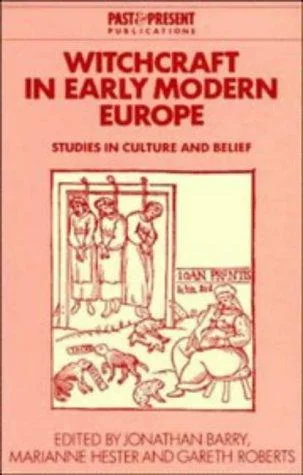

🏛 Books from this publisher Cambridge University Press
All books from this publisher →


 75
75



You might also like
See more →


 90
90



 89
89
