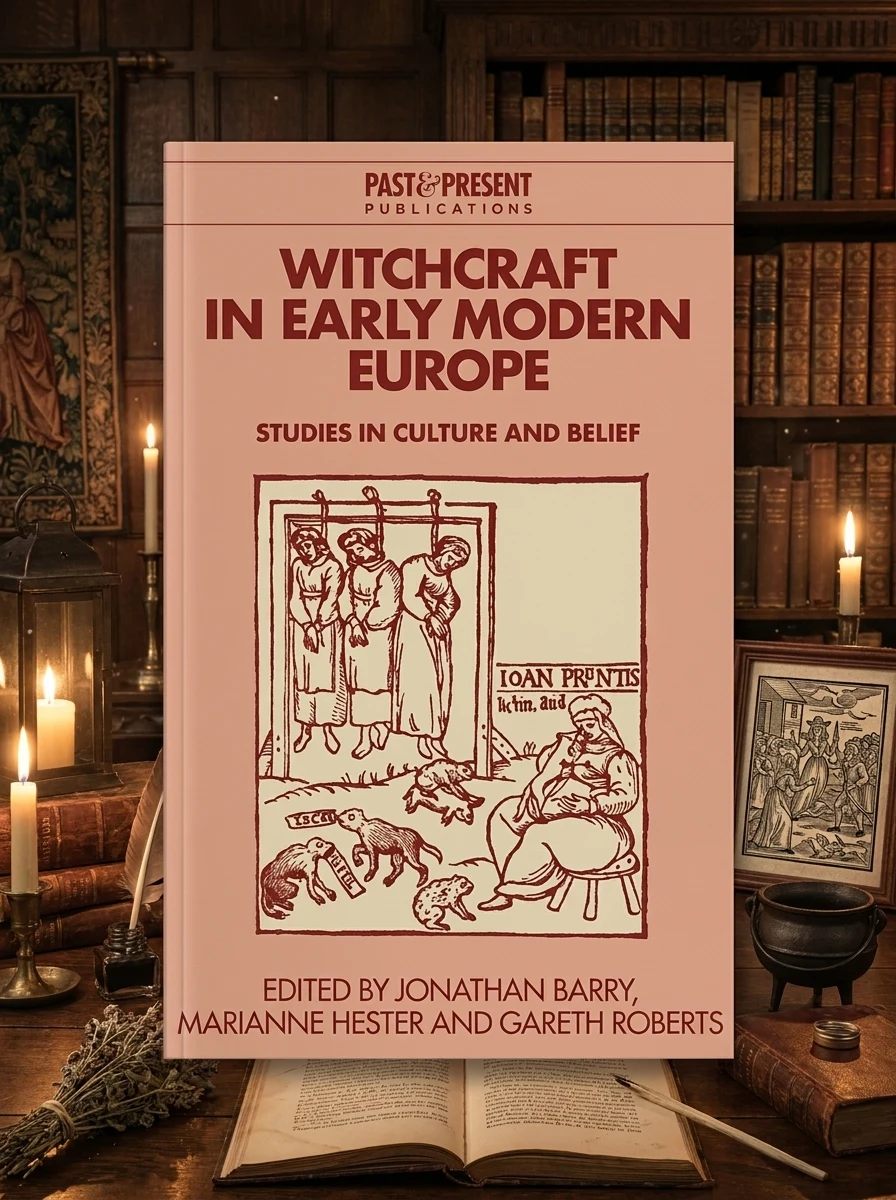
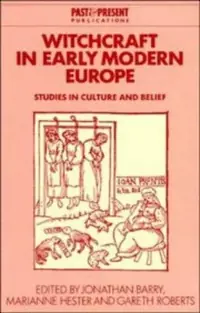
Witchcraft in Early Modern Europe: Studies in Culture and Belief Barry, Jonathan
 87
87
 Editorial score
How we rate
Editorial score
How we rate
Stock reported in the catalog; fulfillment is confirmed with your request.
Uncover the complex truths behind early modern European witchcraft in this essential scholarly collection.
This compelling anthology delves into the intricate world of witchcraft beliefs and practices during the early modern period across Europe. Edited by Jonathan Barry and his colleagues, it gathers insights from leading scholars, providing a fresh perspective on historical understandings. Readers will find not only a comprehensive overview of current academic thought but also a glimpse into the evolving methodologies and emerging questions that continue to shape research in this fascinating and often misunderstood field. It's an indispensable resource for serious students and curious minds alike.
This volume sits firmly within the scholarly tradition of early modern European history and the study of cultural belief systems. It addresses the complex interplay between societal structures and the specific phenomenon of witchcraft during that pivotal era.


📝 Description: Witchcraft in Early Modern Europe: Studies in Culture and Belief Barry, Jonathan
💎 Expert review
📖 Why choose it
Why this book is worth reading
Serious students and curious minds seeking a deep understanding of historical misconceptions will find immense value in this indispensable resource. The book offers a fresh perspective by gathering insights from leading scholars, providing a comprehensive overview of current academic thought. It is particularly beneficial for those interested in the evolving methodologies that continue to shape research in this fascinating field. By exploring intricate beliefs and practices, readers gain clarity on how historical contexts influenced these narratives. This collection serves as an essential guide for anyone wishing to move beyond superficial accounts and engage with the complex truths that define early modern European witchcraft studies.
⭐ Reader reviews
Reader rating
This compelling anthology delivers a rigorous academic exploration of witchcraft beliefs in early modern Europe, edited by Jonathan Barry and colleagues. It succeeds in providing a fresh perspective through the lens of leading scholars, making it an excellent reference for understanding evolving methodologies. However, readers seeking narrative-driven storytelling or casual entertainment will likely find this text dense and inaccessible. It is strictly for those prepared to engage with scholarly analysis rather than simple historical anecdotes. The work does not cater to general leisure reading but stands as a vital tool for understanding the intricate world of historical belief systems through a critical, academic framework.
❓ Frequently asked questions
📖 Who should read this
If you're a serious student of European history, a researcher in esoteric studies, or simply captivated by the intricate tapestry of historical belief systems, this collection is tailor-made for you. Prepare to deepen your understanding of a pivotal and often misrepresented era.
🎯 Key themes and symbolism
Culture and Belief Systems
Explore how societal norms, religious doctrines, and everyday superstitions intertwined to shape perceptions of witchcraft throughout early modern Europe. This volume meticulously examines the underlying cultural frameworks that gave rise to accusations, trials, and enduring folklore, revealing the complex interplay between fear, faith, and local traditions.
Current Scholarly Perspectives
Discover the latest academic interpretations and debates surrounding historical witchcraft studies. This collection offers a contemporary snapshot of research, moving beyond older narratives to present nuanced understandings of evidence, motivations, and the impact of the witch hunts. It highlights how historians are continually refining our knowledge.
New Research Horizons
Gain insight into the cutting edge of witchcraft historiography, with essays that point towards emerging methodologies and unexplored avenues of inquiry. The contributors not only synthesize existing knowledge but also challenge readers to consider new theoretical frameworks and interdisciplinary approaches for understanding this complex historical phenomenon.
💬 Quotes from the book
“The phenomenon of witchcraft, rather than being a monolithic delusion, emerges from these studies as a complex nexus of social anxieties, legal frameworks, and deeply held spiritual convictions.”
“By foregrounding local testimonies and re-evaluating judicial records, contributors reveal the agency and resistance present even amidst the terror of accusation and persecution.”
📜 Historical context
📚 Glossary
- Early Modern Europe
- Historiography
- Witch Hunts
📔 Questions to reflect on
- How do contemporary fears or anxieties parallel the societal conditions that fueled witchcraft accusations in early modern Europe?
- If you were a scholar today, what new primary sources or interdisciplinary approaches would you suggest for further research into historical witchcraft?
- Reflect on how the historical understanding of witchcraft has evolved over time. What does this evolution tell us about our own changing perspectives on belief and power?
📖 From the series “Past and Present Publications”
All books in the series →
🏛 Books from this publisher Cambridge University Press
All books from this publisher →
 75
75

You might also like
See more →
 90
90

 89
89