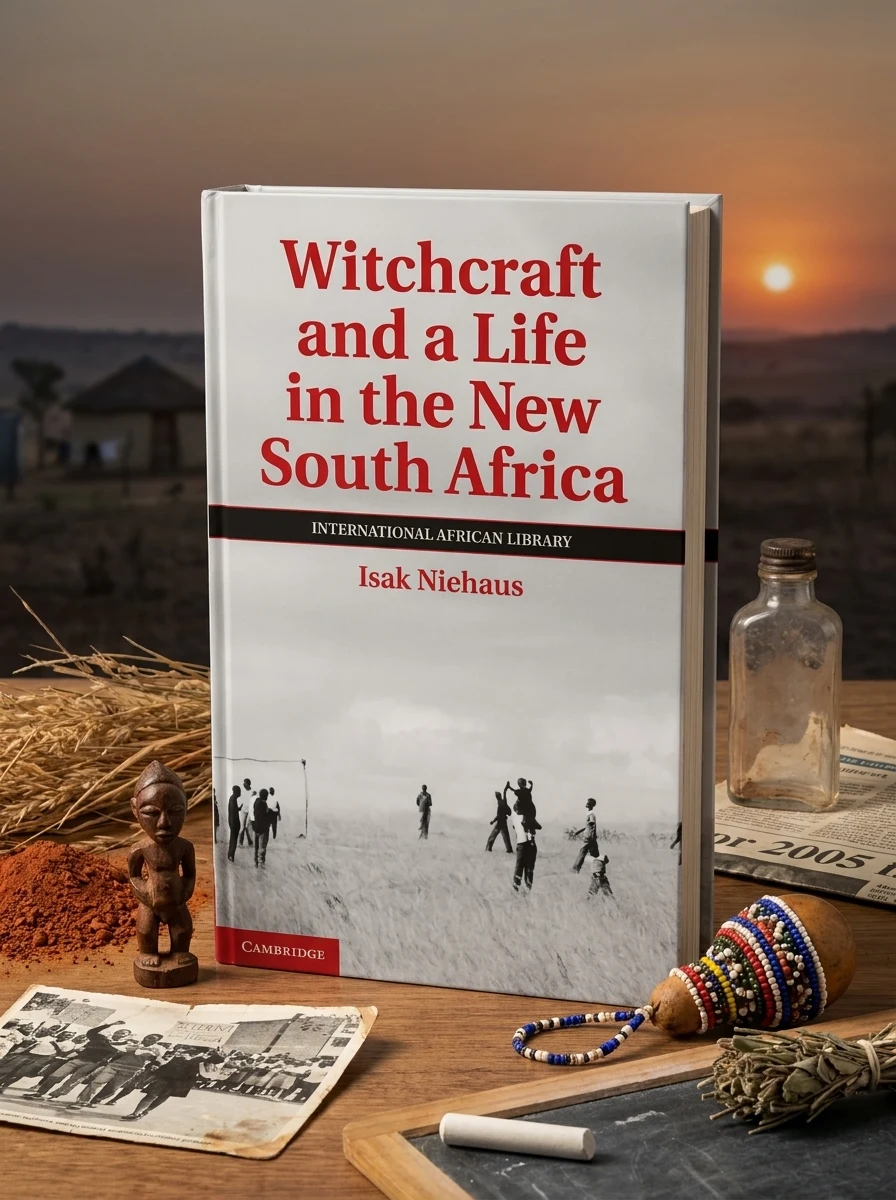
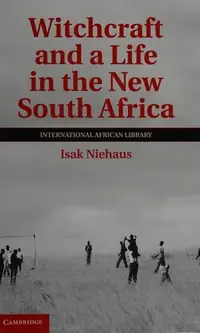
Witchcraft and a Life in the New South Africa Niehaus, Isak
Niehaus, IsakStock reported in the catalog; fulfillment is confirmed with your request.
A profound biography tracing Jimmy Mohale's journey from apartheid struggle to esoteric healing.
This text offers an intimate portrait of Jimmy Mohale, a South African teacher whose life bridged the chasm between political upheaval and spiritual crisis. Born under apartheid, he navigated the anti-apartheid movement before facing a mysterious illness. Rejecting clinical medicine, he turned to ancestral divination, interpreting his suffering through the lens of witchcraft. This work illuminates how personal tragedy intersects with national history, revealing the complex ways individuals construct meaning when conventional systems fail them.
This work situates itself within the intersection of South African post-apartheid studies and contemporary anthropological explorations of esoteric healing practices. It reflects a period where traditional spiritual frameworks are actively reconciled with modern political histories and personal trauma.


📝 Description: Witchcraft and a Life in the New South Africa Niehaus, Isak
💎 Expert review
📖 Why choose it
Why this book is worth reading
This book serves as an essential read for those deeply interested in the intricate dance between political history and individual spiritual survival. Readers who appreciate profound biographical narratives that do not shy away from the complexities of ancestral divination will find this text particularly rewarding. It is ideal for scholars and lay readers alike who wish to understand how personal tragedy can illuminate broader national histories. By following Jimmy Mohale’s journey, you gain insight into the resilience of the human spirit when conventional systems collapse. It offers a rare glimpse into how esoteric healing provides meaning during times of immense upheaval, making it a vital addition for anyone exploring the roots of contemporary South African spiritual life.
⭐ Reader reviews
Reader rating
Finally got around to ordering this. The material is presented clearly and the structure makes it easy to revisit key passages. Great value for what you get.
Perfect companion for my morning study sessions. The symbolism is layered and generous to patient readers. The typesetting is comfortable for study, with good margins for notes. Would buy from this store again.
Came across this title in a footnote and had to track it down. The historical context alone makes it worth the price. Some archaic spellings slow things down. Solid, if not essential.
Added this to my reference shelf. I found myself reading passages aloud just to sit with them. Every rereading turns up something I missed. Will be gifting a copy to a friend.
My third book from this store and this one might be the best. Challenging in places, but never needlessly obscure. I found myself reading passages aloud just to sit with them. Definitely recommend.
My book club chose this last month. The text itself is dense but rewarding — you get out what you put in. You can tell why this work has endured. A few pages arrived with light corner wear, though nothing serious.
This text demands patience and a willingness to engage with dense anthropological concepts regarding witchcraft and ancestral influence. While it offers a profound look at the intersection of politics and spirituality, it may not suit readers seeking straightforward medical advice or those uncomfortable with non-Western epistemologies. It is best for academic audiences interested in post-colonial studies rather than casual readers looking for light biographical anecdotes. The narrative requires focus to fully grasp how Mohale’s personal illness mirrors national fractures. However, for those prepared to delve into its complex arguments, it provides an invaluable, albeit difficult, perspective on healing in a transformed society.
❓ Frequently asked questions
📖 Who should read this
Readers interested in African anthropology, the sociology of religion, and the intersection of colonial history with contemporary spiritual practices. It appeals to those studying how macro-political events reshape micro-level personal identities and healing rituals.
🎯 Key themes and symbolism
Political Trauma and Spirit
The narrative explores how the collective trauma of apartheid shaped individual worldviews. Jimmy’s political activism did not end with democracy; instead, it morphed into a spiritual battle. The text demonstrates that for many, the struggle against oppression extended into the metaphysical realm, where political enemies became ancestral adversaries.
AIDS as Witchcraft
Rather than viewing the AIDS pandemic solely through biomedical or sociological frameworks, this book examines its reception through indigenous cosmologies. It details how Jimmy interpreted his physical decline as a result of familial witchcraft, highlighting the tension between modern diagnostic labels and traditional explanations for misfortune.
Epistemological Pluralism
The work validates non-Western ways of knowing. It shows how Jimmy’s shift from classroom teaching to consulting diviners was not a rejection of reason, but a search for a more coherent truth. This theme underscores the legitimacy of spiritual remedies in contexts where state institutions are distrusted or ineffective.
💬 Quotes from the book
“The body becomes a text upon which political and spiritual histories are written.”
“Divination offers a grammar for suffering that medicine cannot provide.”
📜 Historical context
📚 Glossary
- Ancestral Mediation
- Epistemic Violence
- Cosmological Anxiety
📔 Questions to reflect on
- How do you interpret unexplained misfortune in your own life?
- Where do the boundaries between political and personal struggle lie for you?
- What role does tradition play in your understanding of health and healing?
✍️ More books by this author Niehaus, Isak
All books by this author →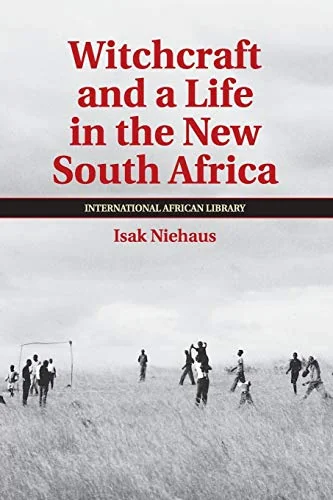
🏛 Books from this publisher Cambridge University Press
All books from this publisher →
 75
75

You might also like
See more →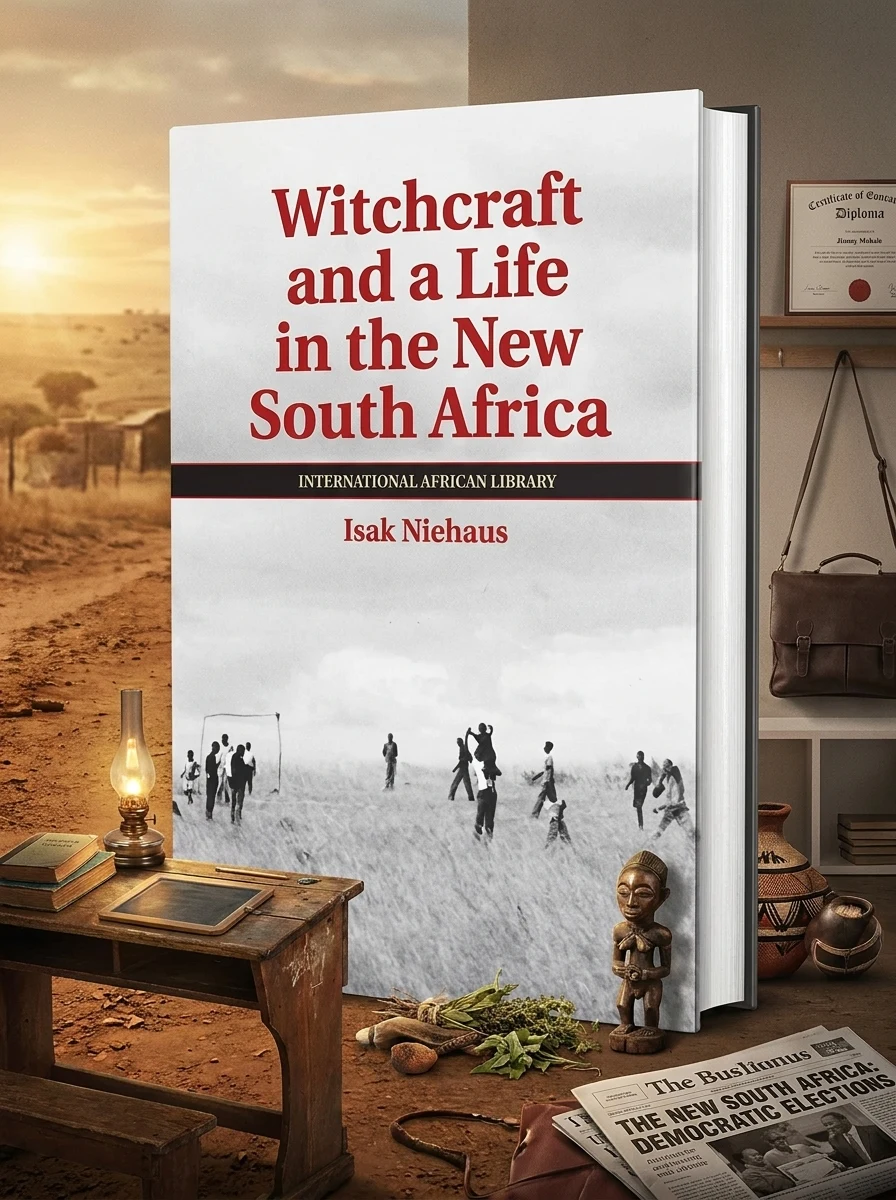
 90
90

 89
89