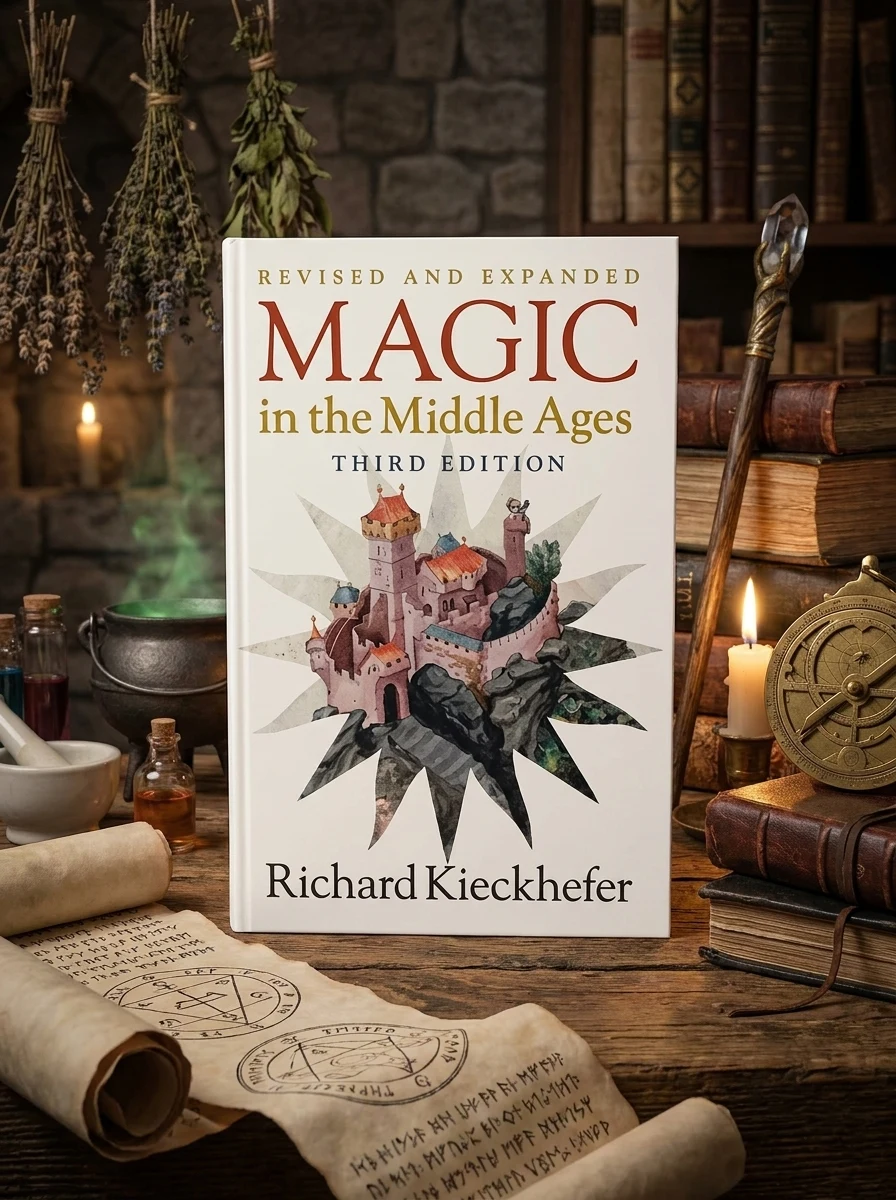
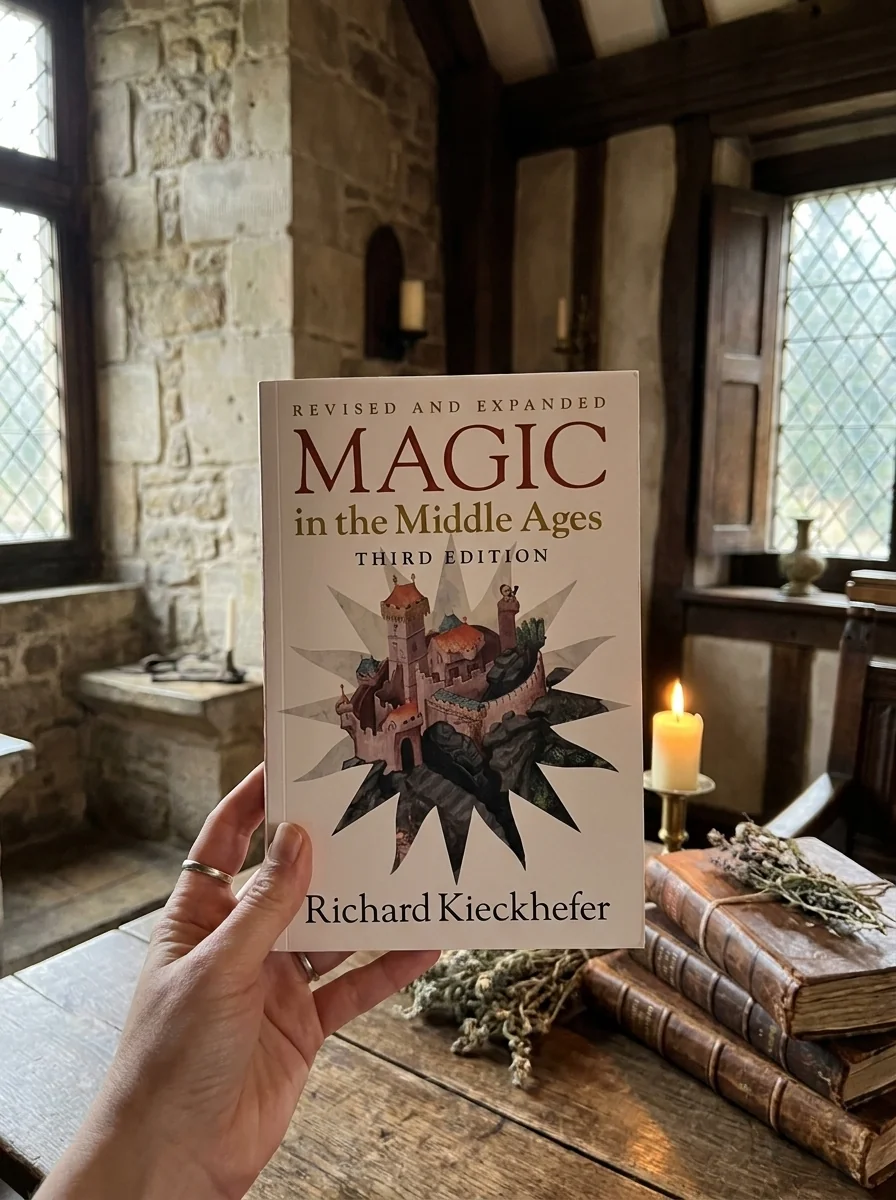
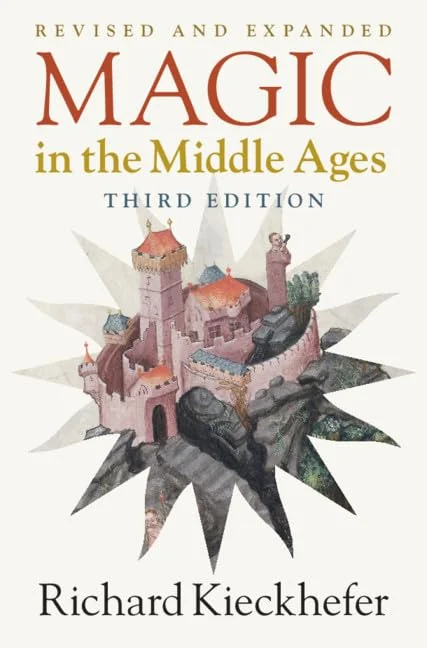
Magic in the Middle Ages
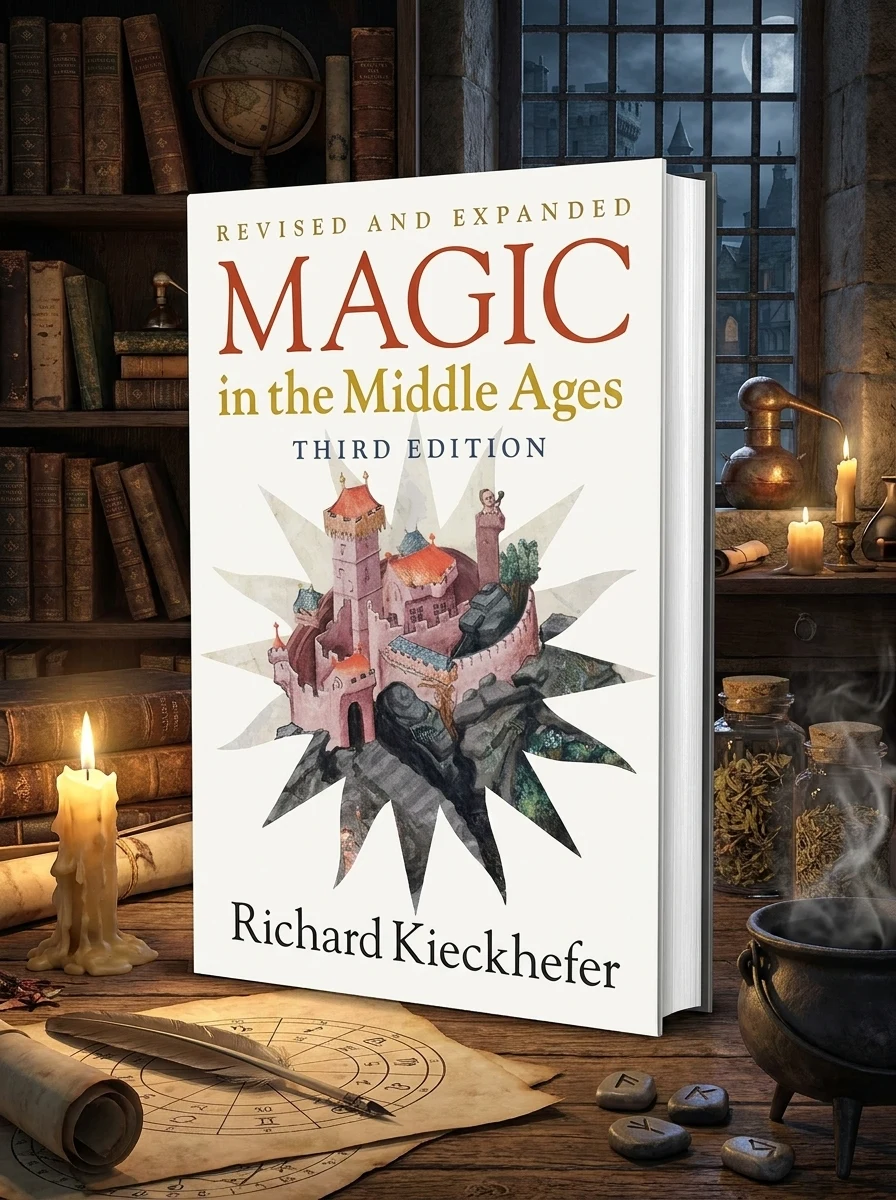
✍️ Kieckhefer, RichardThis volume provides an overview of European magical practices from late antiquity through the medieval era. Author Richard Kieckhefer analyzes how magical concepts connected popular folk traditions with the intellectual elite, examining medical charms, astrology, alchemy, angel conjuration, and demonic rituals. Grounded in historical texts, sagas, and legal records, the work explores the social and religious tensions that shaped medieval attitudes toward magic, culminating in formal opposition and prosecution.


📝 Description: Magic in the Middle Ages
💎 Expert review
📖 Why choose it
Why this book is worth reading
Scholars and serious students of esoteric history will find immense value in this revised edition, which meticulously unpacks the complex relationship between magic and medieval spirituality. Kieckhefer offers an essential guide to understanding how practitioners ranged from folk charm-makers to learned necromancers, revealing how these diverse activities shaped the spiritual landscape of the era. Readers interested in the societal perception of forbidden arts or the evolution of secret beliefs will appreciate the detailed exploration of how these practices intertwined with broader religious currents. It is a necessary resource for anyone seeking to move beyond myth and understand the actual historical reality of magic in Europe.
⭐ Reader reviews
Reader rating
Kieckhefer provides a meticulously researched overview of medieval magical beliefs, making it an indispensable resource for academic inquiry into the period's esoteric thought. However, readers seeking practical grimoires or actionable ceremonial instructions will find this work entirely unsuitable, as it focuses strictly on historical analysis rather than practice. The dense academic tone may also deter casual enthusiasts looking for accessible narratives about wizards and witches. This book is best suited for those with a strong interest in the intellectual and social history of magic, rather than those wishing to engage with the arts themselves.
❓ Frequently asked questions
📖 Who should read this
For serious students of history, scholars of esotericism, or anyone deeply curious about the authentic role of magic in shaping medieval culture and thought, this book offers an indispensable and rigorous exploration. Prepare for a journey into the heart of ancient spiritual complexities.
🎯 Key themes and symbolism
Medieval Magical Practices
This volume offers a comprehensive survey of the various forms of magic prevalent in medieval society, detailing everything from simple protective charms and healing rituals to complex astrological divinations and the dreaded practice of necromancy. It examines the methods, tools, and intentions behind these mystical arts, illustrating the practical applications and theoretical underpinnings of medieval sorcery.
Belief Systems & Heresy
Kieckhefer masterfully unpacks the delicate balance between accepted religious belief and condemned magical practice. The book explores how the Church and secular authorities viewed, categorized, and persecuted magic, revealing the theological arguments and social anxieties that shaped its perception. It highlights the often-blurry lines separating piety from perceived heresy in a world steeped in spiritual conviction.
Historical Development of Magic
Tracing the dynamic trajectory of magical thought and practice across centuries, this study illustrates how medieval magic was not static but continually evolved. It examines the influences of ancient traditions, evolving Christian doctrines, and emerging philosophical ideas on magical theory and application, providing a crucial historical context for understanding the enduring fascination with the arcane during this period.
📜 Historical context
📚 Glossary
- Necromancy
- Grimoire
- Heresy
📔 Questions to reflect on
- How did the prevailing religious doctrines of the Middle Ages both condemn and inadvertently shape the practice and perception of magic?
- Consider how the medieval perception of 'magic' differs from contemporary understandings. What does this reveal about societal evolution and our own biases?
- If you lived in medieval times, what aspect of magic—whether folk practice or learned ritual—do you imagine would be most compelling or terrifying to you, and why?