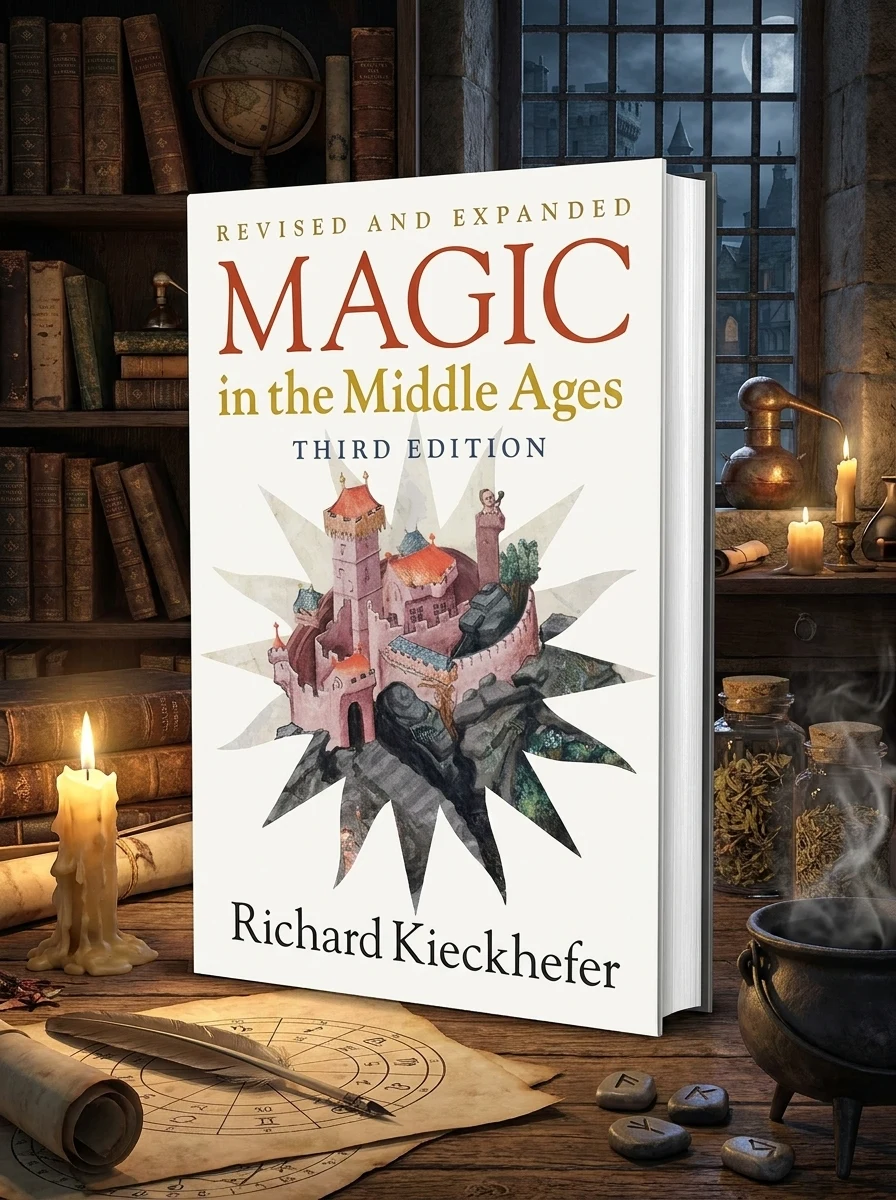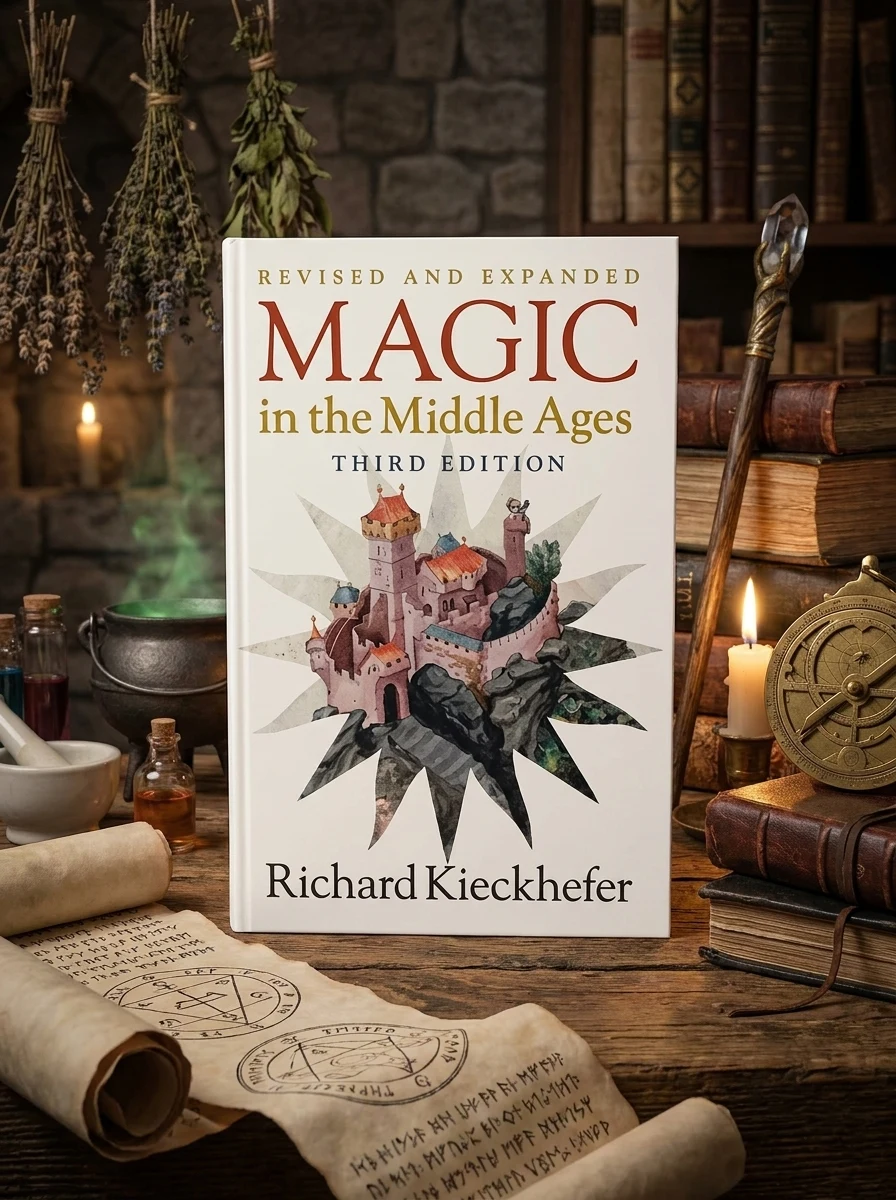
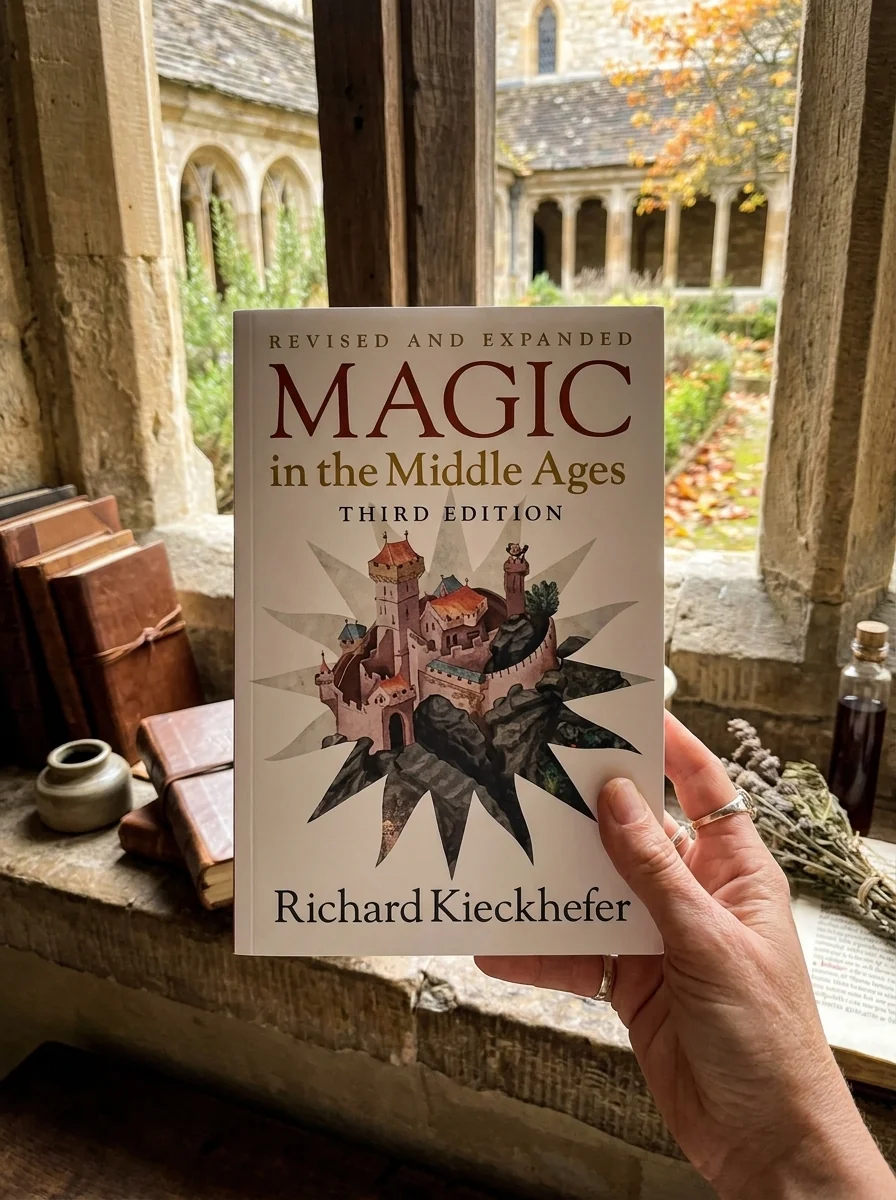
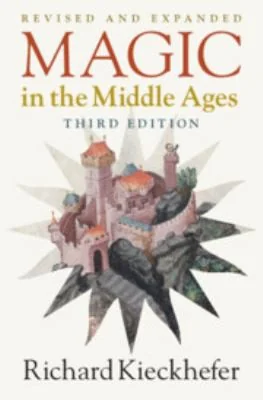
Magic in the Middle Ages
✍️ Kieckhefer, RichardThis work traces the evolution of medieval magical practices across three hundred pages, detailing how popular folk traditions met learned culture. Kieckhefer investigates the boundary between natural magic, which sought hidden forces within physical creation, and demonic magic, which relied on spirit invocation. The book examines legal records, literary fiction, and scholarly manuscripts to show how authorities prohibited and prosecuted practitioners. Rather than isolating magic as an anomaly, the text presents it as a central crossroads where medieval religion, philosophy, and art continuously influenced one another.


📝 Description: Magic in the Middle Ages
💎 Expert review
📖 Why choose it
Why this book is worth reading
Scholars and enthusiasts of medieval intellectual history will find immense value in Kieckhefer’s meticulous exploration of how magical arts intersected with prevailing religious doctrines and scientific thought. This revised edition offers a nuanced understanding of traditions often misunderstood, illuminating the evolution of magic from scholarly treatises to popular superstitions. Readers seeking to grasp the role of magic in the spiritual life of the Middle Ages will appreciate the comprehensive panorama provided, moving beyond simple categorization to reveal the intricate connections between mystical beliefs and societal norms.
⭐ Reader reviews
Reader rating
Kieckhefer’s seminal volume is an essential resource for those interested in the multifaceted landscape of medieval magical arts. It successfully dismantles the myth of monolithic practice, offering a rigorous examination of magic's role in intellectual and spiritual life. However, this text is not suited for casual readers seeking entertaining folklore or simple historical anecdotes; its academic depth requires patience and a willingness to engage with complex theological and scientific intersections. While it may overwhelm those looking for light reading, it remains an indispensable guide for understanding the serious, often clandestine nature of medieval magical traditions.
❓ Frequently asked questions
📖 Who should read this
If you seek a scholarly yet accessible exploration of magic's authentic role in medieval European culture, this book is essential. It offers profound insights for students of occult history, religious studies, and anyone fascinated by the intellectual landscape of a pivotal historical period.
🎯 Key themes and symbolism
Medieval Magical Practices
This book meticulously details the actual methods and rituals employed by practitioners of magic across medieval Europe. It distinguishes between different forms, from learned ritual magic to folk charms, providing insight into the practical applications and underlying philosophies that guided these operations.
Magic's Cultural Integration
Kieckhefer brilliantly illustrates how magic was not an isolated phenomenon but deeply interwoven with the broader tapestry of medieval society. He explores its intersections with theology, law, medicine, and the burgeoning scientific inquiries of the period, revealing its complex relationship with accepted knowledge.
Evolution of Magical Thought
The text charts the dynamic progression of magical understanding and perception throughout the Middle Ages. It examines how concepts of magic evolved from early pagan survivals to more formalized systems, influenced by classical texts and philosophical developments, shaping its eventual decline and transformation.
📜 Historical context
📚 Glossary
- Grimoire
- Necromancy
- Scholasticism
📔 Questions to reflect on
- How did the medieval understanding of magic differ from contemporary perceptions, and what societal factors contributed to this divergence?
- Considering the overlap between magic, religion, and science in the Middle Ages, how do these boundaries compare to today's distinctions?
- What might be the enduring legacy of medieval magical thought on modern esoteric traditions or even popular culture?