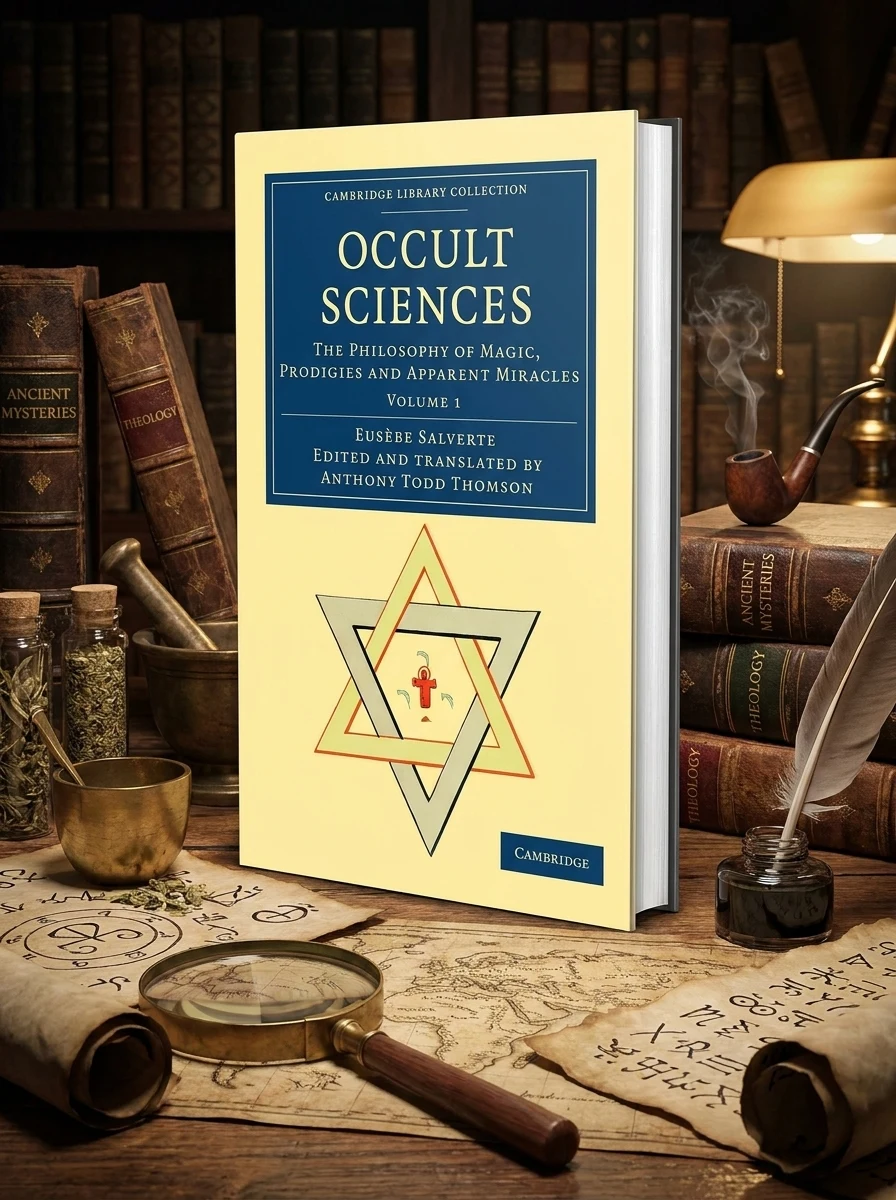
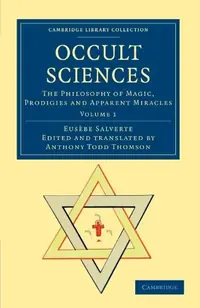
Occult Sciences: The Philosophy of Magic, Prodigies and Apparent Miracles Salverte, Eusebe
Salverte, Eusebe; , Salverte, Eus Be; , Thomson, Anthony ToddStock reported in the catalog; fulfillment is confirmed with your request.
Uncover the rational secrets behind history's most astounding 'miracles' and magical phenomena.
Eusebe Salverte’s seminal 1829 work, translated from its original French, offers a meticulously researched, rationalist perspective on the 'magic, prodigies, and apparent miracles' of antiquity. This insightful volume by the French polymath critically dissects the historical connection between belief in the miraculous and established religious practices. Salverte systematically unearths the scientific, psychological, or often ingenious human explanations underlying what was once considered supernatural, providing a foundational text for understanding the demystification of wonders throughout history and bridging ancient credulity with modern critical thought.
This work sits firmly within the early nineteenth-century rationalist tradition of demystifying historical wonders through scientific and psychological lenses. It serves as a critical bridge between ancient credulity regarding the supernatural and modern critical thought.


📝 Description: Occult Sciences: The Philosophy of Magic, Prodigies and Apparent Miracles Salverte, Eusebe
💎 Expert review
📖 Why choose it
Why this book is worth reading
Readers fascinated by the intersection of history, psychology, and the occult will find immense value in this meticulously researched volume. It appeals to those who wish to strip away the veneer of superstition to reveal the ingenious human explanations behind historical 'miracles.' By critically dissecting the connection between belief in the miraculous and established religious practices, Salverte provides a foundational text for understanding how ancient wonders were rationalized. It is ideal for scholars and enthusiasts seeking a rationalist perspective on magic and prodigies, offering clarity on how credulity was managed in antiquity and how modern critical thought emerged from these historical debates.
⭐ Reader reviews
Reader rating
Salverte’s seminal 1829 work offers a rigorous, albeit dry, examination of magical phenomena through a strictly rationalist lens. It is an essential resource for historians of science and esotericism who require a systematic unearthing of the scientific or psychological bases underlying alleged supernatural events. However, this text does NOT suit readers seeking practical ceremonial magic instructions, mystical experiences, or entertaining narratives of paranormal activity. Those looking for spiritual inspiration or unverified accounts of the occult will likely find its critical dissection and focus on demystification tedious and overly academic, as it prioritizes logical explanation over wonder.
❓ Frequently asked questions
📖 Who should read this
If you're fascinated by the historical roots of skepticism, curious about the rational explanations behind ancient wonders, or seek to understand the psychology of belief, this book is essential. It's for anyone who prefers inquiry over dogma when confronting the seemingly supernatural.
🎯 Key themes and symbolism
Demystifying Ancient Wonders
Salverte systematically breaks down historical accounts of 'miracles' and 'prodigies,' revealing the underlying natural laws, clever techniques, or psychological biases at play. He argues that what appears supernatural often has a rational, albeit hidden, explanation, challenging uncritical acceptance of divine intervention and supernatural claims from antiquity.
Religious Practice & Superstition
The book delves into the rituals and beliefs of ancient civilizations, exploring how perceived wonders were integrated into spiritual systems. It examines the societal and political functions these 'miracles' served, influencing everything from governance to public devotion and the consolidation of priestly power, often through deliberate deception or misinterpretation.
Philosophy of Belief
More than just a collection of debunkings, Salverte offers a philosophical framework for understanding human credulity and the perception of magic throughout history. He explores the enduring human fascination with the inexplicable and the cultural mechanisms that propagate belief in the supernatural, even when rational explanations exist.
💬 Quotes from the book
“The seemingly impossible, when scrutinized by reason and historical precedent, often reveals itself to be but a clever application of natural law, misunderstood by its witnesses.”
“Human credulity, combined with ignorance of underlying principles, has been the most fertile ground for the growth of both superstition and the myth of divine intervention throughout the ages.”
📜 Historical context
📚 Glossary
- Miracles
- Prodigies
- Polymath
📔 Questions to reflect on
- How might a 'miracle' from your own culture or history be reinterpreted through Salverte's rationalist lens, seeking natural explanations?
- Consider a modern-day phenomenon often attributed to 'luck' or 'fate.' What natural or psychological explanations could Salverte propose for it?
- In what ways do contemporary understandings of science and psychology still struggle to fully demystify certain human experiences, echoing Salverte's initial challenge?
📖 From the series “Cambridge Library Collection - Spiritualism and Esoteric Kno”
All books in the series →



✍️ More books by this author Salverte, Eusebe; , Salverte, Eus Be; , Thomson, Anthony Todd
All books by this author →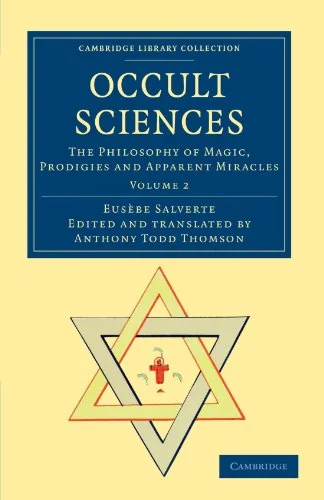
🏛 Books from this publisher Cambridge University Press
All books from this publisher →

 75
75

You might also like
See more →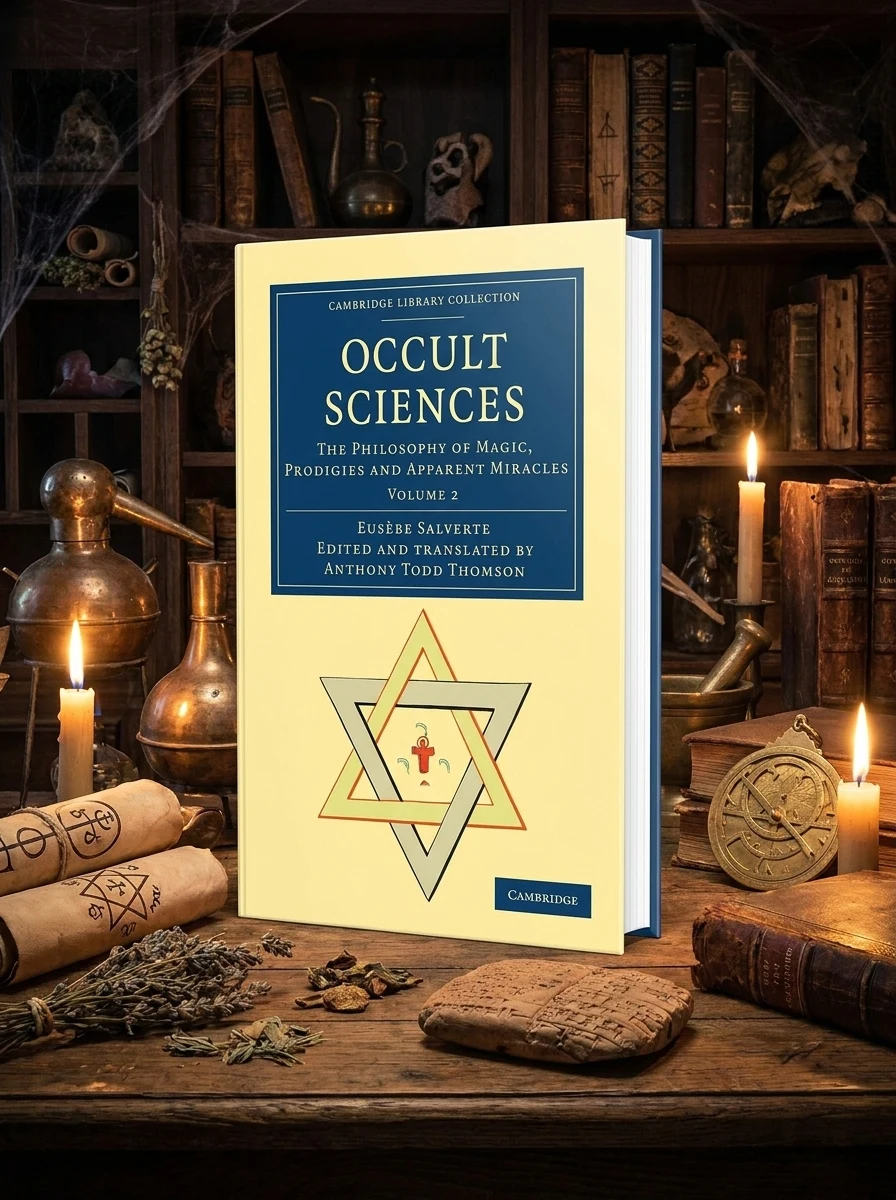
 91
91
 89
89
 89
89