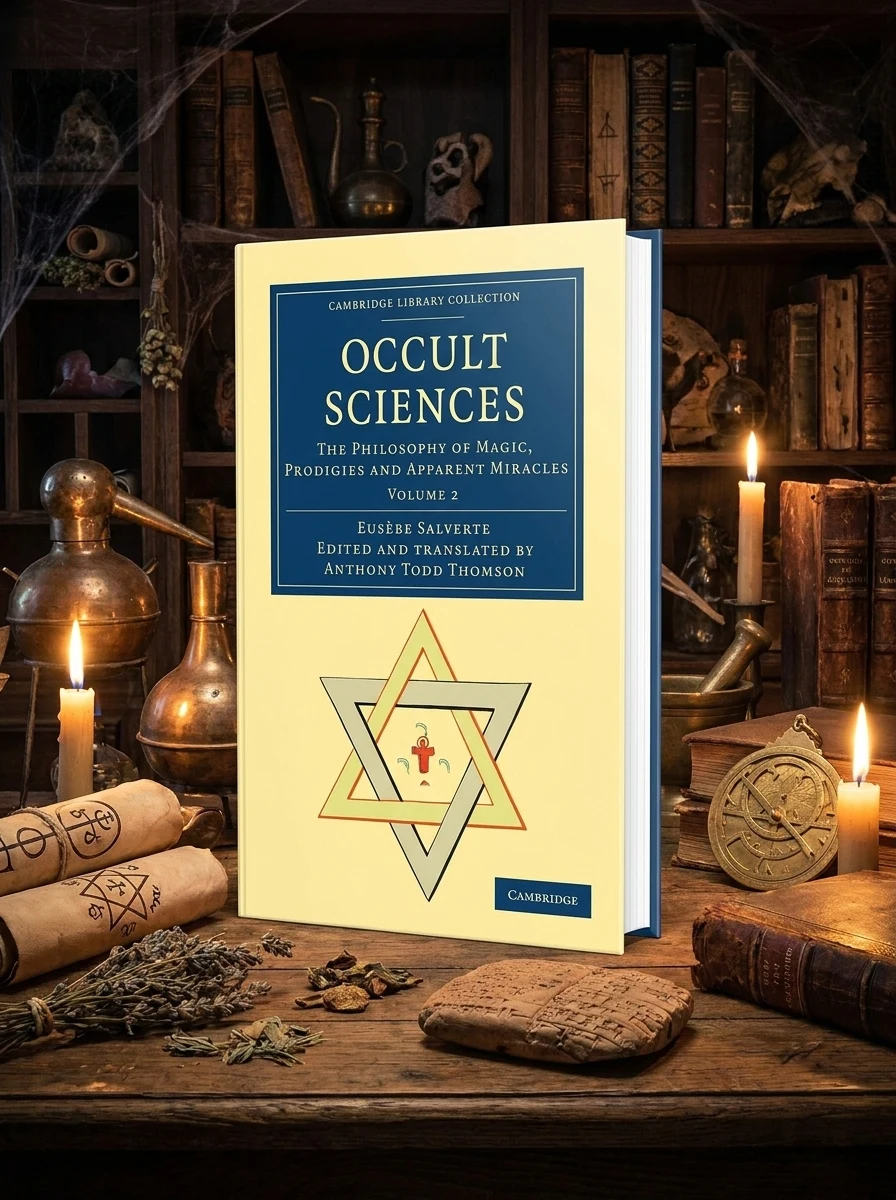
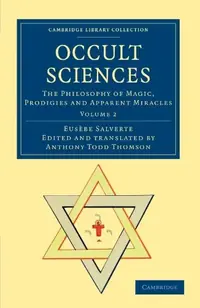
Occult Sciences: The Philosophy of Magic, Prodigies and Apparent Miracles Salverte, Eusebe
Salverte, Eusebe; , Salverte, Eus Be; , Thomson, Anthony ToddStock reported in the catalog; fulfillment is confirmed with your request.
How did ancient wonders truly work, beyond divine intervention?
This seminal work by the 19th-century French polymath Eusebe Salverte delves into the fascinating world of ancient marvels and so-called miracles. Published originally in 1829, Salverte meticulously dissects the phenomena attributed to divine or supernatural power, revealing the underlying scientific, psychological, or mechanical principles at play. He explores how cunning, knowledge, and natural laws were often misinterpreted or deliberately presented as wondrous acts to influence belief and maintain authority in various historical and religious contexts. A foundational text for understanding the demystification of the 'occult'.
This text emerges from the early nineteenth-century intellectual tradition of demystifying the supernatural through rational inquiry. It bridges the gap between historical theology and emerging scientific skepticism, reflecting the era's growing interest in explaining 'miracles' via natural law rather than divine intervention.


📝 Description: Occult Sciences: The Philosophy of Magic, Prodigies and Apparent Miracles Salverte, Eusebe
💎 Expert review
📖 Why choose it
Why this book is worth reading
Readers fascinated by the intersection of history, psychology, and magic will find this volume indispensable. It offers a rare glimpse into how ancient authorities utilized perceived wonders to maintain power, providing a crucial context for modern occultists who wish to distinguish between genuine esoteric practice and historical manipulation. By stripping away the veneer of divine intervention, Salverte reveals the mechanical and psychological underpinnings of apparent miracles. This is essential for those seeking to understand the 'how' behind the 'what' of historical magic. It serves as a grounding counterpoint to romanticized views of the occult, offering clarity on how knowledge was weaponized in past centuries. If you are interested in the sociology of belief or the mechanics of stage magic disguised as spiritual power, this work provides the analytical framework necessary to navigate these complex historical waters with critical eyes.
⭐ Reader reviews
Reader rating
Salverte’s work is a rigorous, albeit dry, examination of ancient phenomena through a lens of rational skepticism. It appeals strongly to historians and those interested in the sociology of religion, offering a clear dissection of how 'wonders' were manufactured or misinterpreted. However, it may disappoint readers seeking practical magical instruction, mystical insight, or literary flair. The text is academic in tone, prioritizing logical deconstruction over esoteric wonder. Those looking for inspiration or ritual guidance will likely find it tedious and overly analytical. It is best suited for the intellectually curious who prefer understanding the mechanics of belief over experiencing its emotional resonance.
❓ Frequently asked questions
📖 Who should read this
If you're fascinated by the history of skepticism, the intersection of science and belief, or the roots of what we now call stage magic, this book offers profound insights. It's for those who seek to understand the rational underpinnings of ancient wonders and the power of human perception.
🎯 Key themes and symbolism
Demystifying Ancient Wonders
Salverte meticulously uncovers the rational explanations behind what were once considered supernatural occurrences. He demonstrates how phenomena—from oracular pronouncements to seemingly impossible feats—were often the result of advanced understanding of natural laws, clever mechanical devices, or psychological manipulation, rather than divine intervention.
Religion and Power
The book explores the intricate relationship between belief in miracles and the establishment or maintenance of religious authority. Salverte illustrates how religious leaders and institutions utilized perceived prodigies to solidify their influence, inspire awe, and enforce social control, highlighting the political and societal implications of such deceptions.
The Philosophy of Apparent Magic
Rather than dismissing magic outright, Salverte presents a philosophical inquiry into its mechanisms. He argues that many acts labeled "magic" or "prodigies" were, in essence, early forms of scientific application or sophisticated illusions, challenging readers to distinguish between genuine mystery and cleverly orchestrated artifice.
💬 Quotes from the book
“The true marvel lies not in the divine intervention claimed, but in the ingenious mechanisms and profound understanding of natural phenomena employed by those who staged these 'miracles'.”
“To unravel the secrets of ancient magic is to expose the very sinews of power, revealing how illusion and knowledge were wielded to shape belief and govern the human spirit.”
📜 Historical context
📚 Glossary
- Prodigy
- Polymath
- Apparent Miracle
📔 Questions to reflect on
- How might a contemporary "miracle" or widely accepted belief be re-examined through Salverte's skeptical lens?
- Consider a historical figure or institution known for performing wonders. What natural or psychological explanations could account for their perceived powers?
- In what ways do modern forms of media or persuasion utilize principles similar to those Salverte describes to influence public perception or belief?
✍️ More books by this author Salverte, Eusebe; , Salverte, Eus Be; , Thomson, Anthony Todd
All books by this author →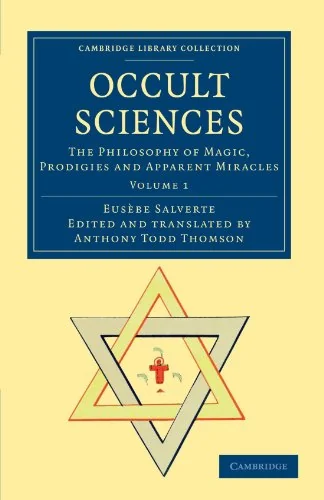
🏛 Books from this publisher Cambridge University Press
All books from this publisher →

 75
75

You might also like
See more →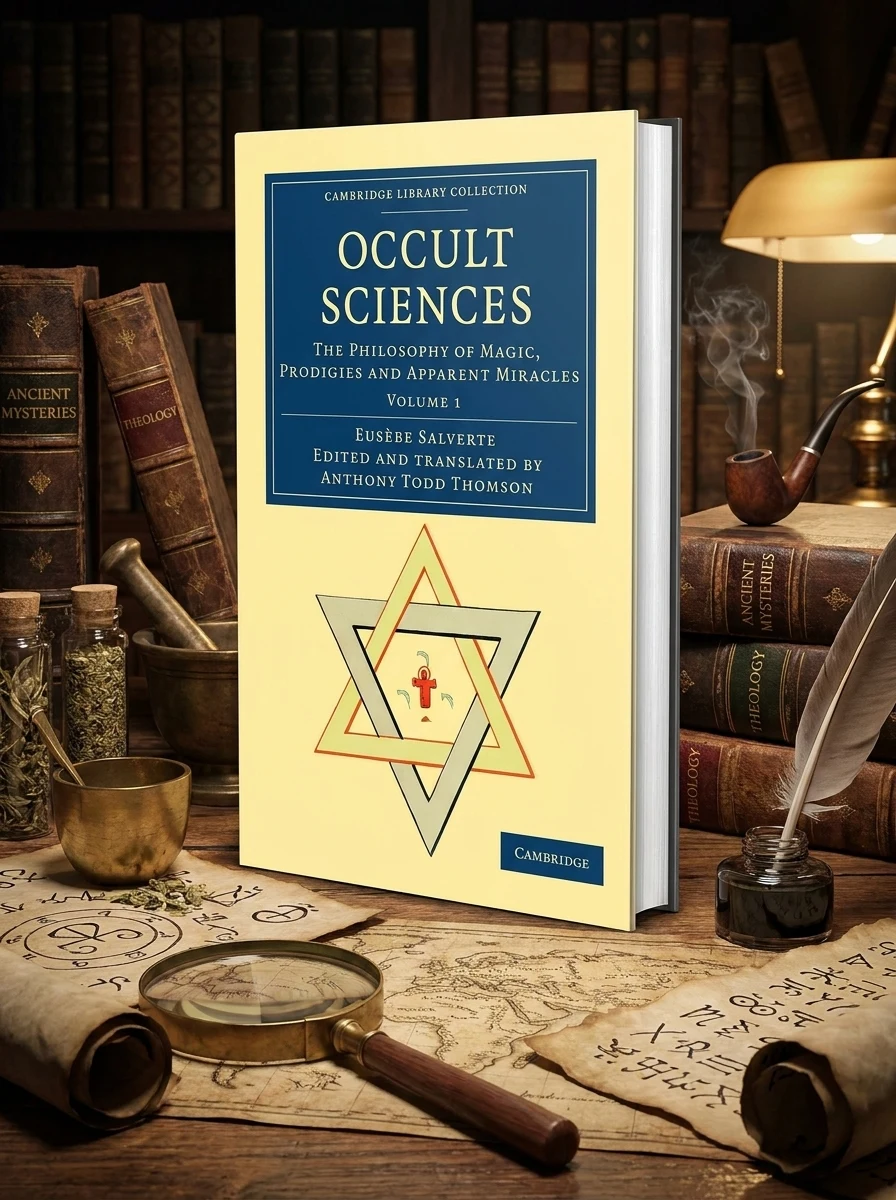
 91
91
 89
89
 89
89