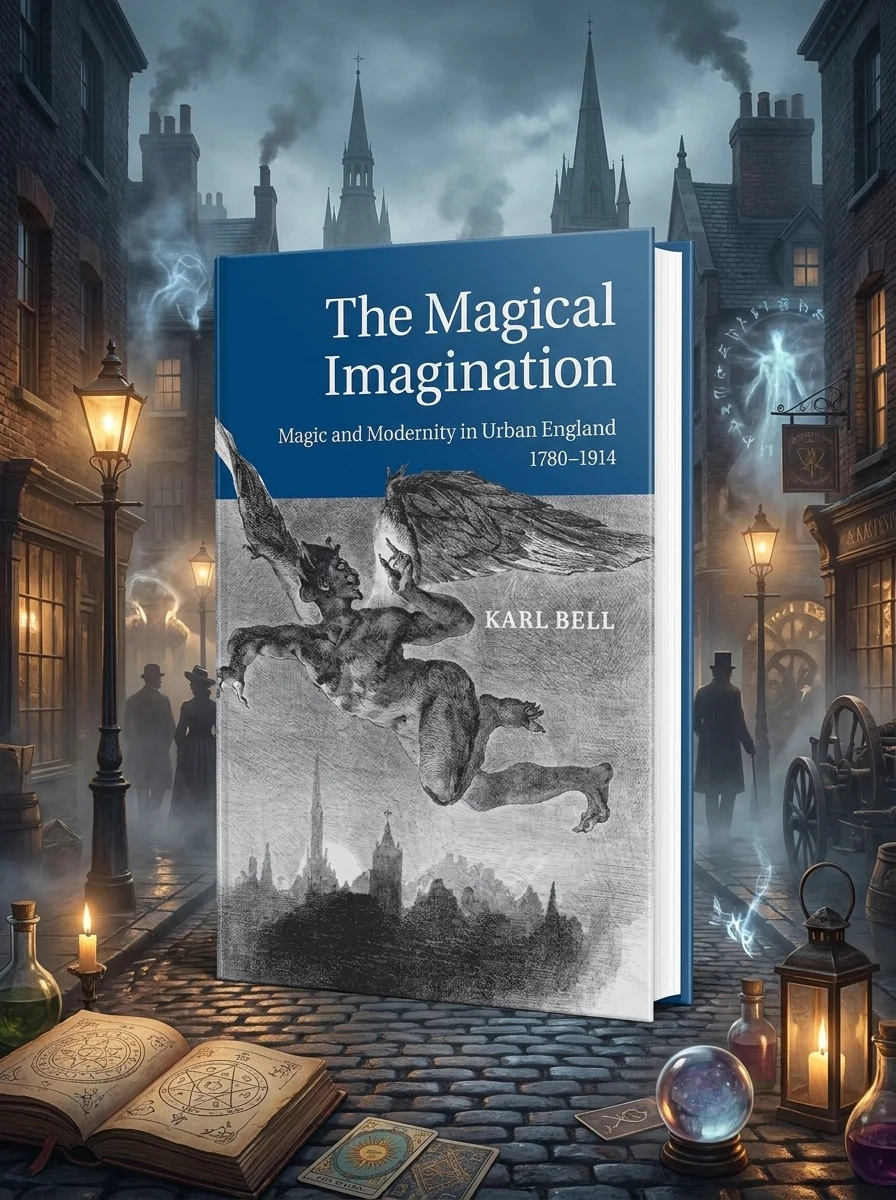
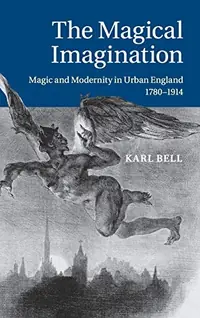
The Magical Imagination
 88
88
 Editorial score
How we rate
Editorial score
How we rate
Stock reported in the catalog; fulfillment is confirmed with your request.
Uncover how popular magic shaped Victorian urban life, offering solace and understanding.
Karl Bell's "The Magical Imagination" delves into the fascinating world of nineteenth-century England, revealing how popular magical beliefs and practices profoundly influenced daily existence. This groundbreaking study examines the creative ways individuals integrated supernatural thought into their understanding of a rapidly modernizing urban environment. Moving beyond superficial analyses, Bell illustrates how these "magical mentalities" served as crucial tools for adaptation, providing comfort, meaning, and a sense of agency amidst the dramatic societal shifts of the era. It's a fresh perspective on a vital, often overlooked, aspect of social history.
This work situates itself within the study of Victorian social history and esoteric thought, exploring how magical mentalities functioned as adaptive tools in a rapidly modernizing urban environment. It bridges the gap between academic historiography and the lived experience of occult practices during the nineteenth century.


📝 Description: The Magical Imagination
💎 Expert review
📖 Why choose it
Why this book is worth reading
Readers fascinated by the intersection of social history and occultism will find this book indispensable. It offers a fresh perspective on how ordinary Victorians used magical beliefs to navigate the complexities of urban life, providing solace and agency amidst dramatic societal shifts. If you appreciate understanding how esoteric thought shaped daily existence rather than just elite rituals, this study provides crucial insights into the human need for meaning during modernization. It is ideal for historians, occultists, and anyone interested in how popular magic served as a vital psychological tool for adaptation.
⭐ Reader reviews
Reader rating
Bell’s scholarly approach makes this text less suitable for casual readers seeking practical spellcasting or sensationalist ghost stories. The academic rigor required to parse his analysis of 'magical mentalities' may feel dry to those expecting narrative flair. However, for serious students of Victorian culture and esoteric history, it is a vital contribution that corrects superficial analyses. It demands patience but rewards the reader with a profound understanding of how supernatural thought provided comfort in a modernizing world.
❓ Frequently asked questions
📖 Who should read this
If you're captivated by the intersection of history, belief, and urban development, or seek to understand the practical applications of popular magic in challenging times, this book is for you. It offers fresh insights into Victorian society and the enduring human need for meaning.
🎯 Key themes and symbolism
Victorian Magical Mentalities
This book meticulously explores the prevalent magical beliefs and supernatural interpretations that permeated 19th-century English society. It moves beyond mere superstition, analyzing how these mental frameworks were logical and functional for people, offering alternative explanations and coping mechanisms for life's challenges in a rapidly changing world.
Urban Adaptation Strategies
Bell examines how the surge of urbanization in England directly corresponded with the flourishing of popular magical practices. He posits that these beliefs weren't remnants of a bygone age but active, dynamic strategies people employed to navigate the complexities, anxieties, and anonymity of city life, providing a sense of control and community.
Reimagining Historical Magic
The work challenges conventional historical narratives by presenting magic not as a fringe activity but as an integral part of popular culture and social adjustment. It reframes our understanding of modern magical practices, highlighting their adaptive significance and demonstrating how previous studies often underestimated their widespread influence and functional role.
💬 Quotes from the book
“To understand the Victorian psyche, we must acknowledge that the boundaries between the rational and the supernatural were far more permeable than modern sensibilities might suggest, allowing for a fluid integration of magical causality into daily experience.”
“The bustling streets of London, far from eradicating belief in the unseen, often amplified it, creating new anxieties and opportunities for magical intervention to provide solace and order amidst chaos.”
📜 Historical context
📚 Glossary
- Magical Mentality
- Urbanization
- Popular Magick
📔 Questions to reflect on
- Consider a modern societal challenge. How might a "magical mentality" manifest today as a coping mechanism, and what would its practical functions be?
- Reflect on a time in your own life or observed in others where an irrational belief or ritual provided comfort or a sense of control. How does this align with Bell's analysis?
- How does the concept of "popular magic" challenge or expand your understanding of historical rationality, particularly in periods of rapid social change?
🏛 Books from this publisher Cambridge University Press
All books from this publisher →
 75
75

You might also like
See more → 91
91
 89
89
 89
89
 88
88