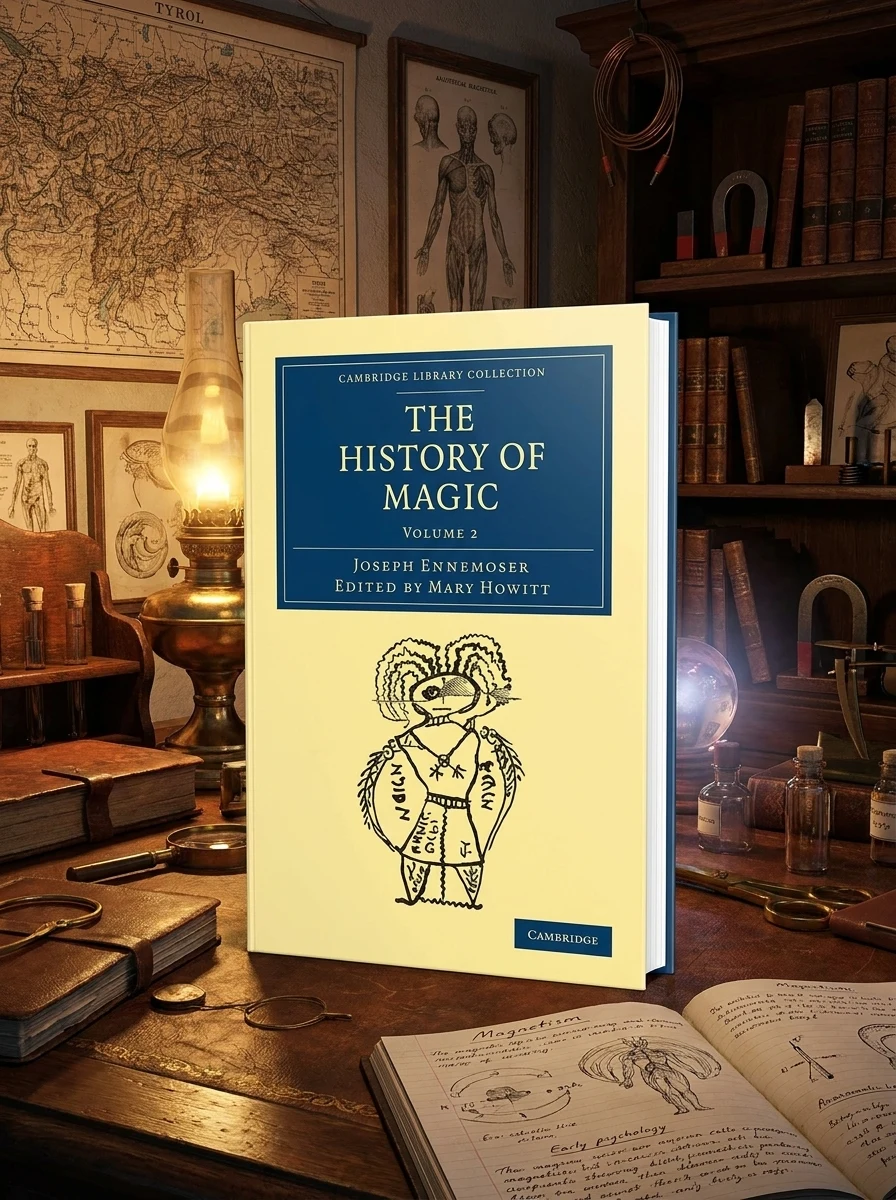
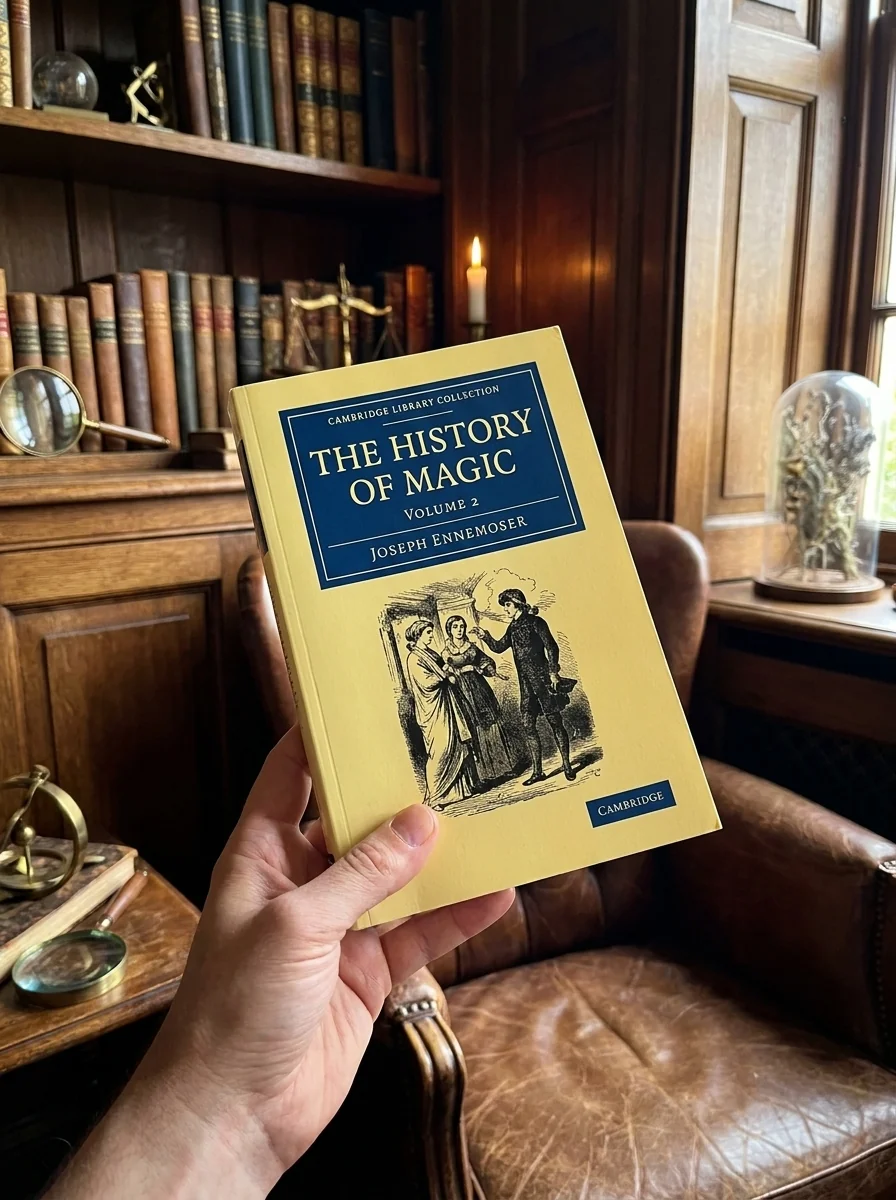
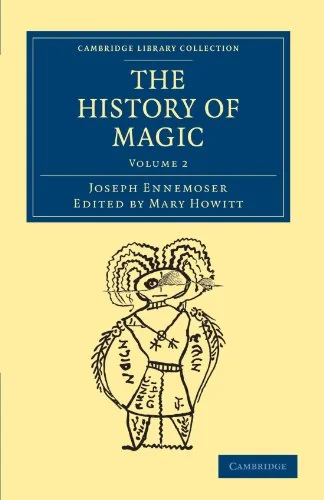
The History of Magic - Volume 2
✍️ Joseph Ennemoser, Mary HowittA nineteenth-century medical analysis of the history of magic by Joseph Ennemoser.
Joseph Ennemoser was a Tyrolean doctor and scientist known for his work with magnetism and hypnosis. He stands as a forerunner of Freud due to his belief in the link between the mind and physical health. His interest in psychology led him to investigate the history of magic, resulting in this volume published by Cambridge University Press. Mary Howitt provided the translation for this English edition. The text examines the development of magical thought across various historical periods. It draws on diverse traditions to explain how early societies understood phenomena that modern science might classify differently. The author uses medical and scientific frameworks from his time to analyze these mystical practices. This approach offers a unique perspective on the evolution of occult studies during the nineteenth century. This book suits readers interested in the intersection of early psychology and esoteric history. It provides a scholarly view of how medical professionals viewed magical practices in the past. Those seeking practical spells or modern witchcraft guides will find little utility here. The content remains strictly historical and analytical, focusing on the intellectual context of magic rather than its practice.
Joseph Ennemoser lived from 1787 to 1854 in Tyrol. He worked as a doctor and scientist during a period when the study of magnetism was gaining traction. His work bridges the gap between early psychological theory and the historical study of occult practices.


📝 Description: The History of Magic - Volume 2
💎 Expert review
📖 Why choose it
Why this book is worth reading
Readers fascinated by the historical roots of psychology and the evolution of esoteric thought will find this volume indispensable. It offers a unique perspective for those interested in how ancient healing arts and spiritual beliefs laid the groundwork for modern understandings of the mind, body, and spirit. By examining magic not as mere superstition but as a precursor to psychological insight, the book appeals to scholars of occult history and practitioners of ceremonial magic who seek a deeper, scientifically-informed context for their practices. It is particularly rewarding for those who enjoy tracing the lineage of ideas from mystical traditions into contemporary scientific discourse, providing a rich narrative on the enduring power of belief.
⭐ Reader reviews
Reader rating
Ennemoser’s text serves as a vital historical document for understanding how 19th-century medicine grappled with the supernatural. However, it is not suitable for readers seeking practical spell-casting instructions or modern occult theory, as its focus remains firmly on historical analysis and medical interpretation of past phenomena. Those expecting a purely mystical or devotional approach may find the clinical detachment of the author’s perspective dry or overly academic. The book is best appreciated by those willing to engage with dense, scholarly prose that prioritizes intellectual history over spiritual experience, making it a niche but valuable resource for serious students of esoteric history rather than casual readers.
❓ Frequently asked questions
📖 Who should read this
If you're fascinated by the historical roots of esotericism, the intellectual lineage of psychology, or the curious confluence of science and the occult, this volume is an essential journey. Prepare for a deep dive into the minds of those who sought to understand the unseen forces shaping our reality.
🎯 Key themes and symbolism
History of Esoteric Thought
Ennemoser meticulously chronicles the development of magical practices and beliefs across various cultures and epochs. He treats magic not as fantasy, but as a serious subject worthy of historical and philosophical examination, revealing its continuous influence on human civilization and intellectual currents, offering a comprehensive survey of its evolution.
Mind-Body Connection
A true precursor to modern psychology, Ennemoser explores the profound interplay between mental states and physical well-being. He investigates how ancient healers intuitively understood the power of suggestion, belief, and the unconscious mind, drawing parallels between historical magical cures and the therapeutic potential of practices like mesmerism and hypnosis.
Magnetism and Hypnosis
Drawing on his own medical practice, Ennemoser delves into the then-revolutionary concepts of animal magnetism and its therapeutic applications. He examines how these forces, though often misunderstood, represented early attempts to harness unseen energies and psychological influence for healing, laying foundational groundwork for later studies in altered states of consciousness.
📜 Historical context
📚 Glossary
- Animal Magnetism
- Hypnosis (Early)
- Esotericism
📔 Questions to reflect on
- How do Ennemoser's 19th-century insights into the mind-body connection resonate with, or differ from, contemporary understandings of psychosomatic health?
- Reflect on a historical 'magical' practice you are familiar with. How might Ennemoser's perspective, focusing on suggestion and psychology, reinterpret its efficacy?
- Considering Ennemoser's work, what role do you believe 'unseen forces' or subtle energies play in our modern understanding of health, spirituality, or even science?
📖 Read on the blog
📖 From the series “The History of Magic 2 Volume Set”
All books in the series →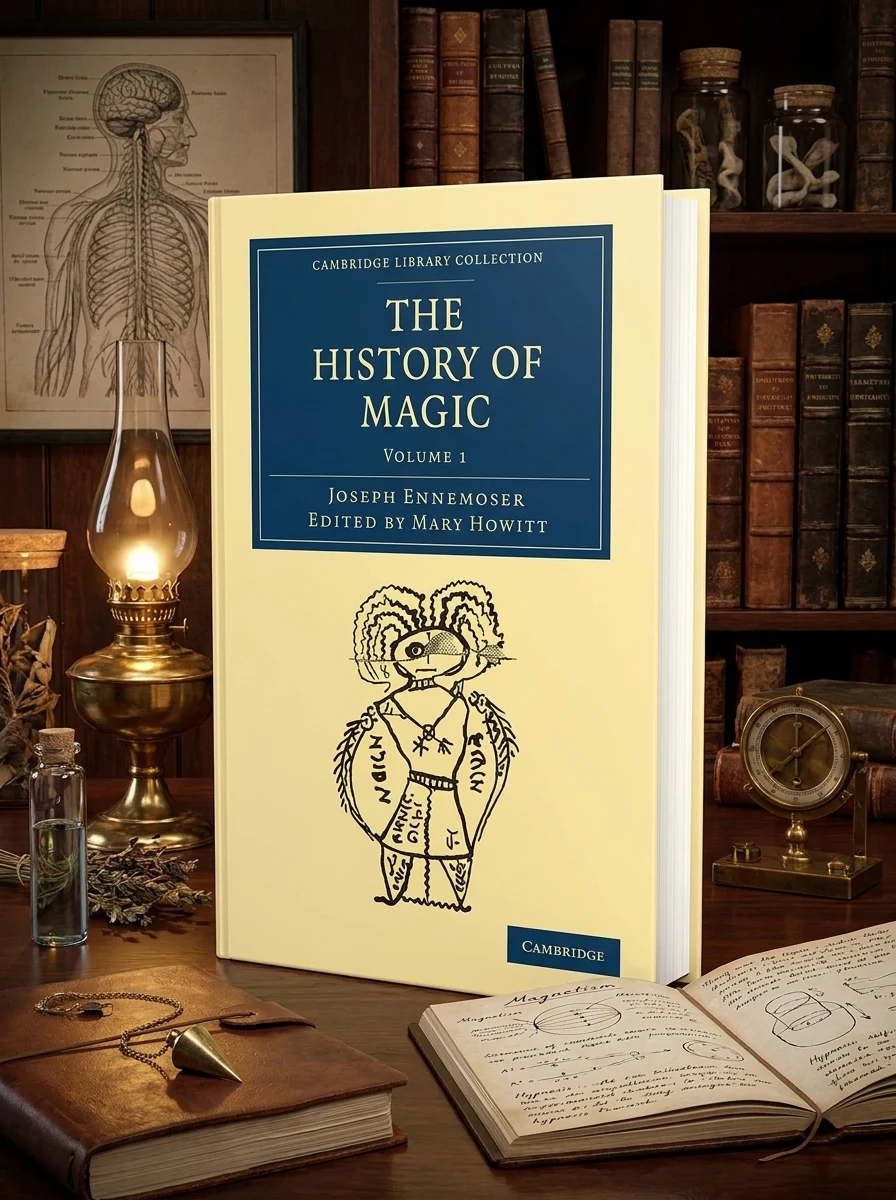


✍️ More books by this author Ennemoser, Joseph; , Howitt, Mary
All books by this author →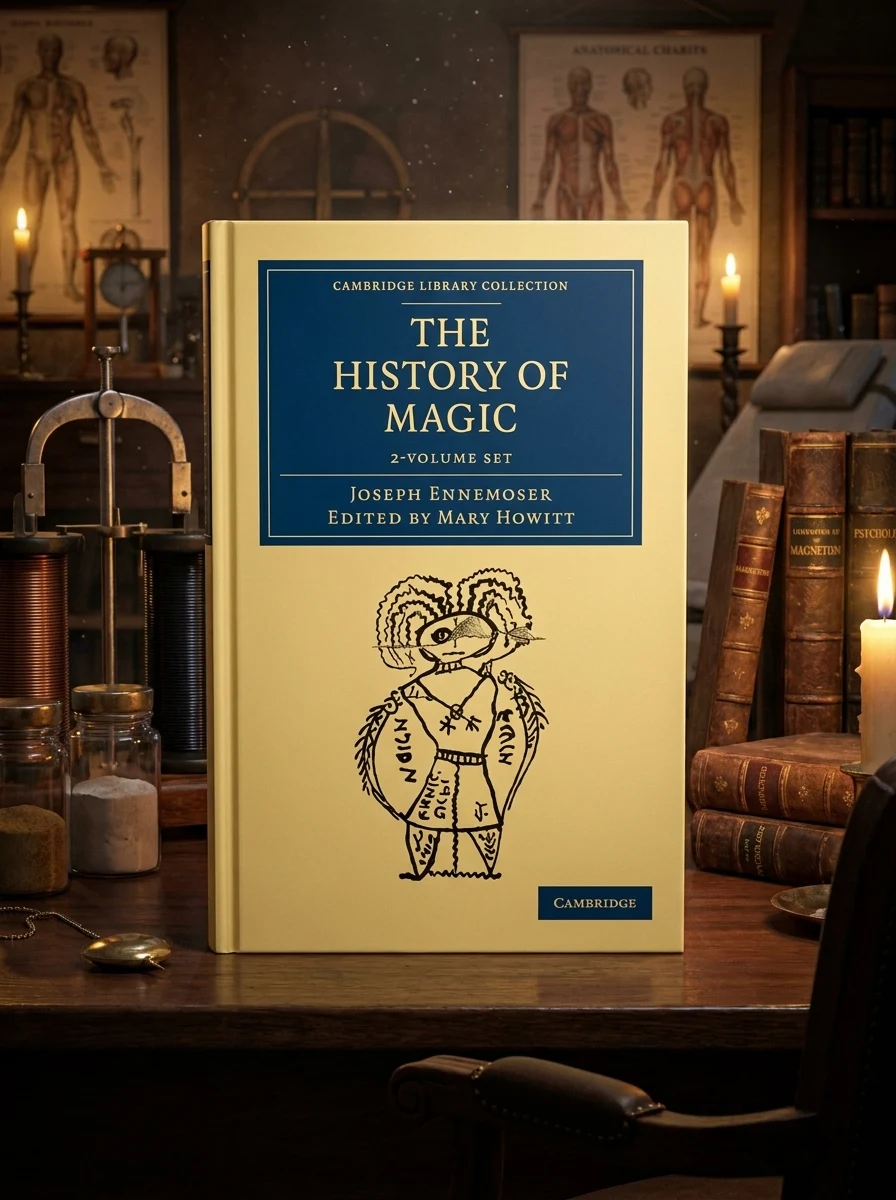
🏛 Books from this publisher Cambridge University Press
All books from this publisher →
You might also like
See more →


Have a question about this item?
Ask about the edition, condition, delivery or anything else — we reply by email or phone, usually within a day.
