Science and Power in the Nineteenth-Century Tasman World Roginski, Alexandra
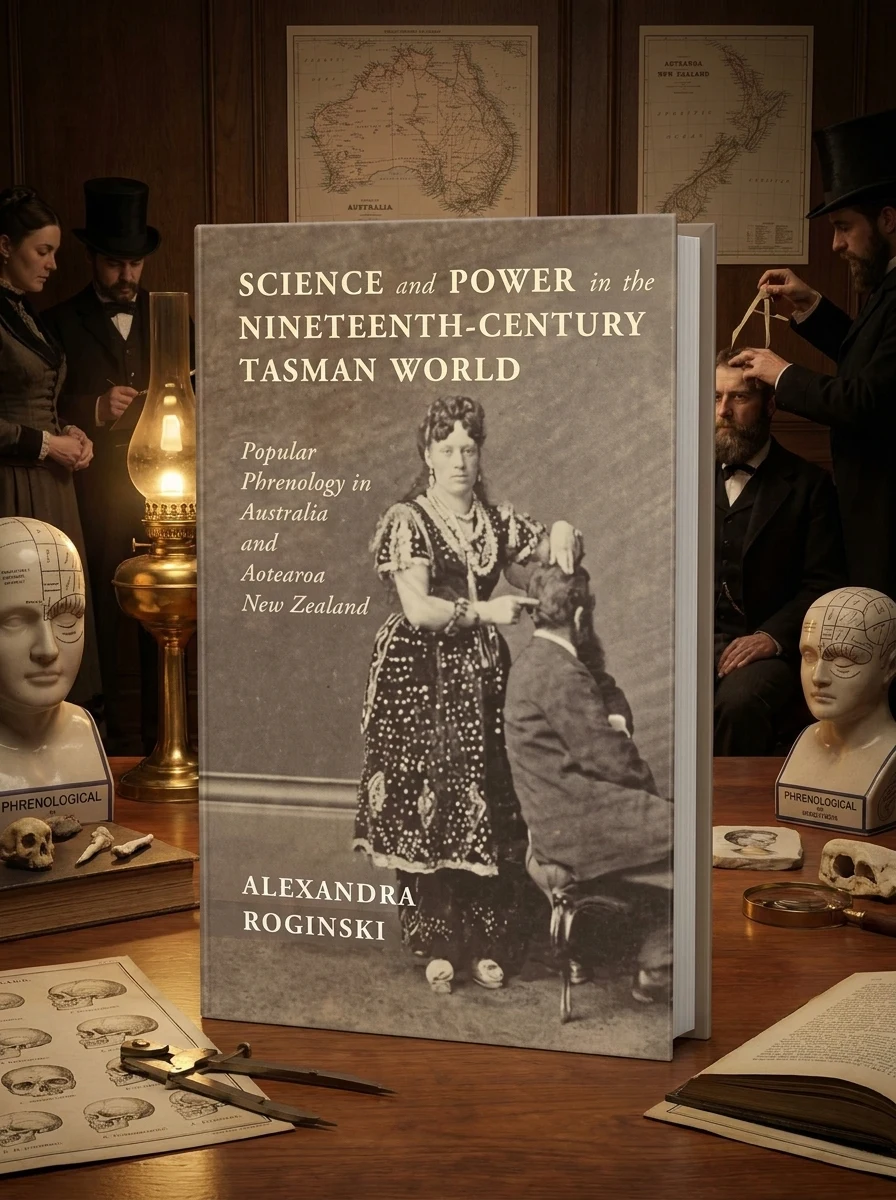
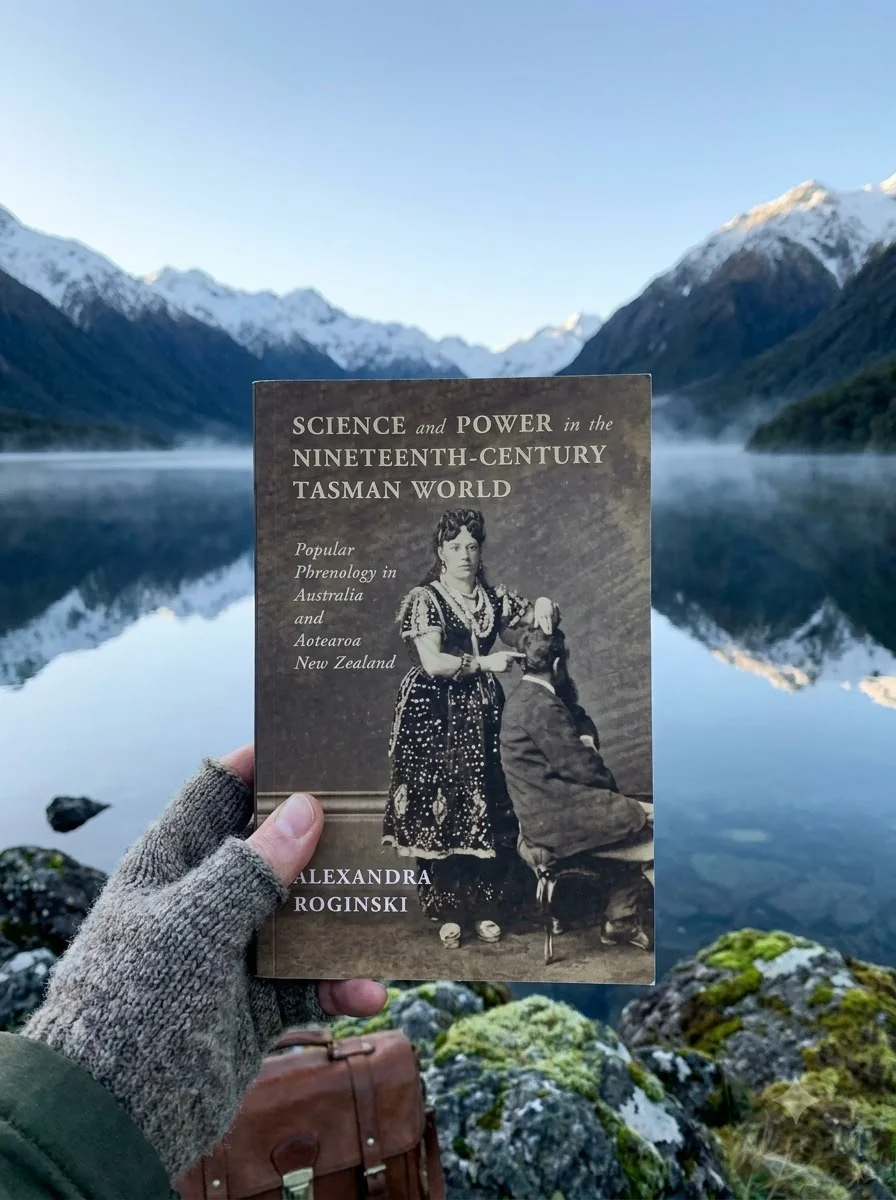
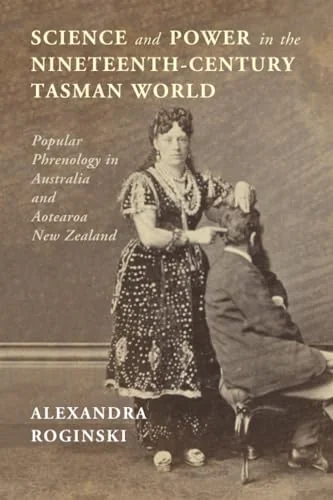
This insightful work delves into the fascinating, albeit controversial, practice of phrenology as it permeated the 19th-century Tasman world. It explores how this pseudo-science, claiming to reveal character and intellect through cranial contours, became a tool within the evolving settler-colonial societies of Australia and Aotearoa New Zealand. The book illuminates the popular appeal of phrenologists and the profound, often unsettling, ways these 'readings' influenced social structures, perceptions of identity, and the exercise of power during a period of significant cultural and scientific transformation in these nascent nations.


📝 Description: Science and Power in the Nineteenth-Century Tasman World Roginski, Alexandra
💎 Expert review
📖 Why choose it
Why this book is worth reading
Scholars and general readers interested in the dark intersections of science, race, and power will find this book invaluable. Alexandra Roginski offers a critical lens through which to view how bodily measurements were used to justify colonial dominance and shape social hierarchies. By unpacking the controversial practice of reading skulls to determine character, the text reveals unsettling truths about identity construction in nineteenth-century Tasman societies. It is essential for anyone seeking to understand how pseudo-science influenced public perception and solidified settler-colonial power structures. This insightful exploration provides necessary context for modern discussions on race, science, and historical injustice, making it a crucial addition to understanding the complex legacy of this era.
⭐ Reader reviews
Reader rating
Roginski delivers a rigorous academic examination of phrenology’s role in colonial Australia and New Zealand. While intellectually stimulating for those studying the history of science or post-colonial theory, this book is not suited for casual readers seeking narrative adventure or simple historical overviews. It requires patience for dense theoretical analysis and may feel detached to those uninterested in the mechanics of scientific racism. The focus on cranial contours and social structures will likely alienate readers looking for biographical storytelling or accessible popular history. However, for academics and serious students of nineteenth-century cultural transformation, it offers a vital, if unsettling, perspective on how physical anthropology was utilized to enforce power dynamics and define identity in nascent nations.
❓ Frequently asked questions
📖 Who should read this
If you're fascinated by the intersections of pseudo-science, colonial history, and the subtle ways power shapes perception, this book is for you. Dive into a captivating exploration of how physical traits were interpreted to define destiny in a transformative era.
🎯 Key themes and symbolism
Phrenology's Colonial Impact
This book meticulously details how phrenology, a now-discredited science of head-reading, was embraced and adapted in 19th-century settler colonies. It examines how this practice was utilized to categorize, define, and often control populations, shaping narratives around intelligence, morality, and racial identity within the burgeoning societies of Australia and New Zealand.
Science as a Tool of Power
The text masterfully illustrates how scientific theories, even those as dubious as phrenology, can be wielded to exert control and justify social hierarchies. It reveals the intricate relationship between emerging scientific thought and the consolidation of colonial authority, highlighting how knowledge production can serve political and cultural agendas in profound ways.
Tasman Colonial Transformation
Roginski explores the unique historical setting of 19th-century Australia and Aotearoa New Zealand, analyzing how phrenology was integrated into the complex social fabric of these developing settler-colonial territories. The book demonstrates its influence on understandings of indigeneity, immigration, and the formation of new national identities during a period of immense change.
📜 Historical context
📚 Glossary
- Phrenology
- Settler-Colonialism
- Tasman World
📔 Questions to reflect on
- How do contemporary pseudo-sciences or popular theories shape our understanding of identity and difference today?
- Consider how scientific authority is established and challenged in different cultural contexts. What lessons can be drawn from phrenology's rise and fall?
- Reflect on the subtle ways historical 'scientific' classifications continue to influence modern social perceptions or inequalities, even after being debunked.