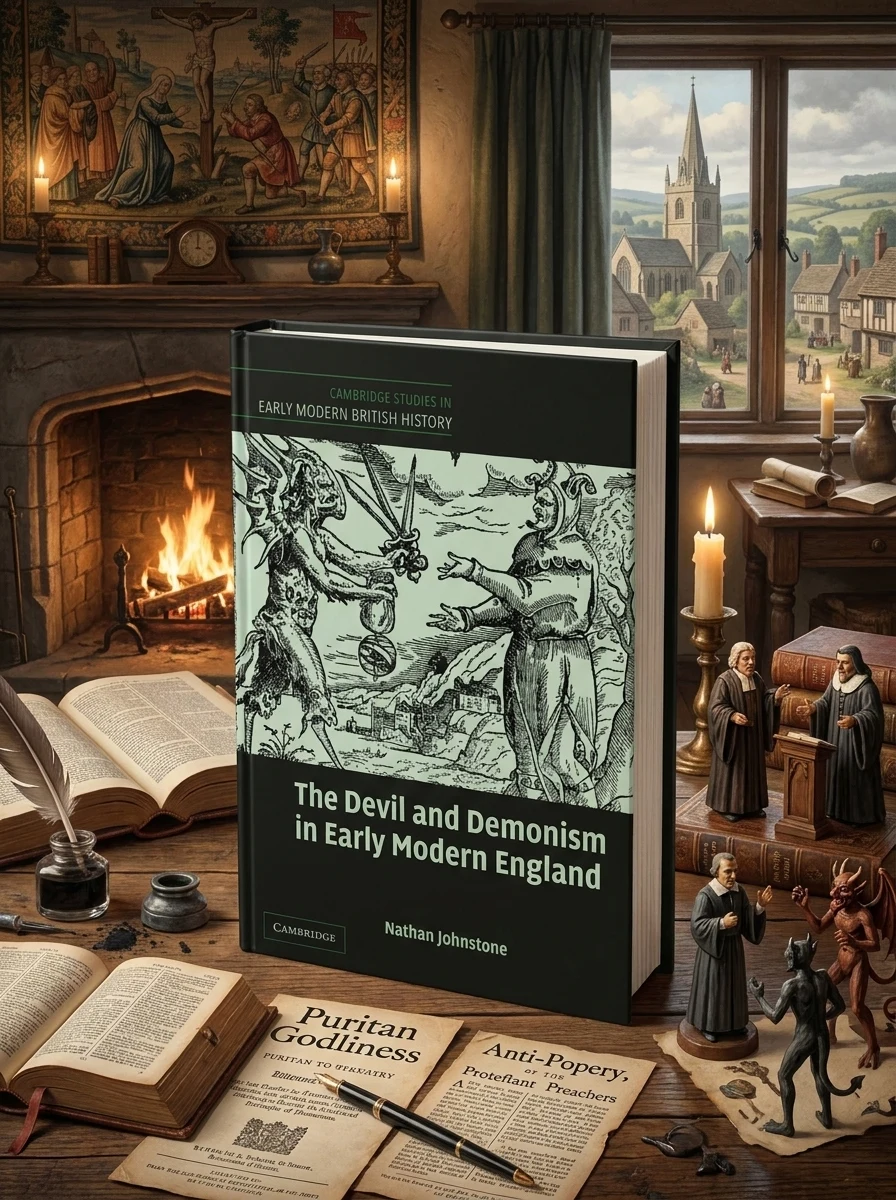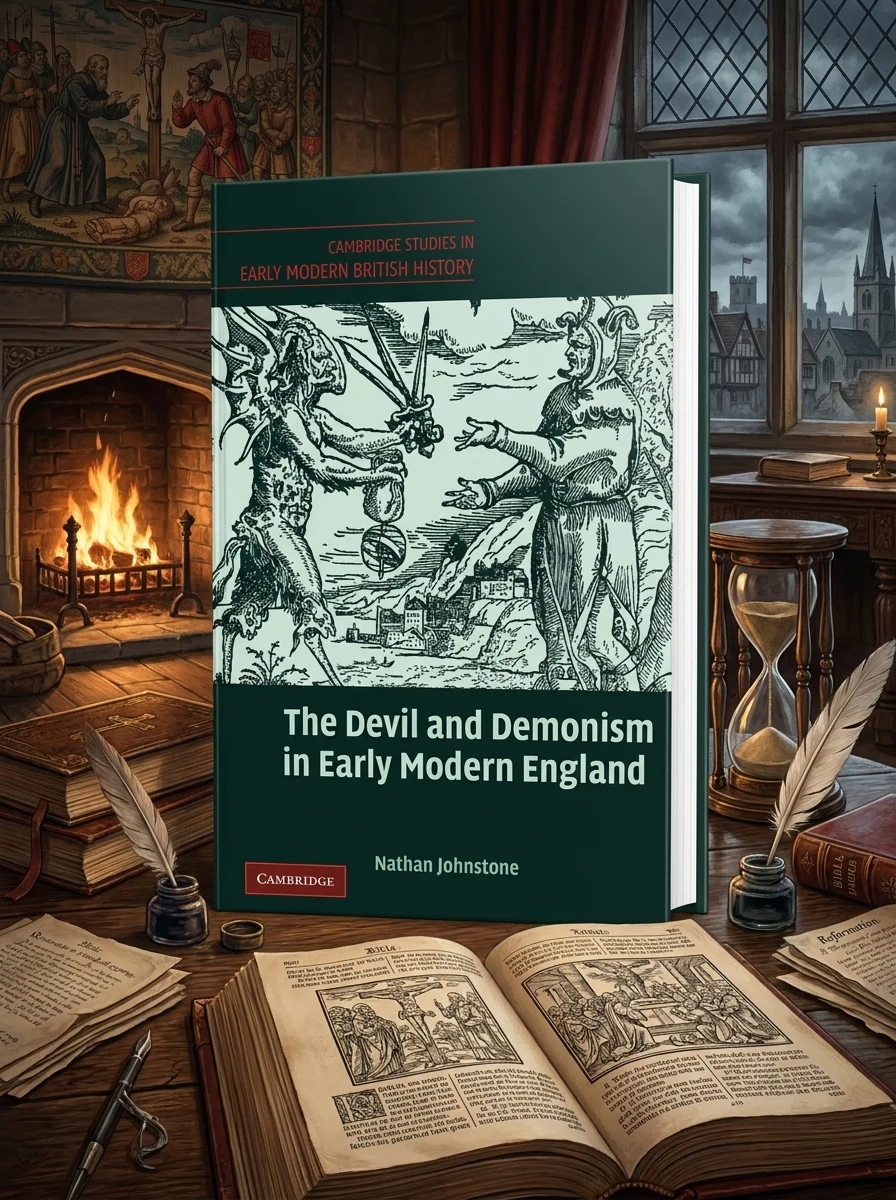
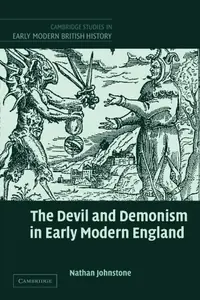
The Devil and Demonism in Early Modern England Johnstone, Nathan
Johnstone, NathanStock reported in the catalog; fulfillment is confirmed with your request.
Uncover the shifting face of evil in Reformation-era England.
Nathan Johnstone meticulously traces the profound transformation of beliefs surrounding the Devil and demonic influence within early modern England. This compelling study reveals how the seismic theological shifts of the Reformation fundamentally altered perceptions of Satan's power and his engagement with humanity. Rather than solely focusing on the well-trodden path of witchcraft as the primary lens for demonology, Johnstone expands the discourse, offering a nuanced exploration of broader cultural and religious anxieties. He illuminates how new Protestant doctrines redefined evil, divine providence, and the very nature of spiritual conflict in a rapidly changing world.
This scholarly work situates itself within the theological and cultural upheavals of early modern England during the Reformation era. It explores how Protestant doctrines redefined spiritual conflict, moving beyond traditional witchcraft narratives to examine broader anxieties about evil and divine providence.


📝 Description: The Devil and Demonism in Early Modern England Johnstone, Nathan
💎 Expert review
📖 Why choose it
Why this book is worth reading
This book is essential for scholars, history enthusiasts, and theologians interested in the nuanced evolution of evil during the Reformation. Nathan Johnstone offers a vital corrective to the common focus on witchcraft trials, instead illuminating how seismic theological shifts fundamentally altered perceptions of Satan’s power and engagement with humanity. Readers will gain a deeper understanding of the cultural and religious anxieties that defined the period. It is particularly valuable for those seeking to comprehend how new Protestant doctrines redefined spiritual conflict and divine providence. By expanding the discourse beyond well-trodden paths, Johnstone provides a compelling, nuanced exploration that reveals the shifting face of evil in a rapidly changing world, making it an indispensable resource for serious study.
⭐ Reader reviews
Reader rating
Nathan Johnstone delivers a meticulous, academically rigorous tracing of demonic belief transformations in early modern England. The text is dense and scholarly, prioritizing theological depth over narrative accessibility. It does not suit casual readers seeking entertaining ghost stories or simple moral dichotomies of good versus evil. Those expecting a straightforward history of witch hunts may find the broader cultural analysis too abstract or dry. However, for those committed to understanding the intellectual underpinnings of Reformation-era spirituality, this work is invaluable. It demands patience and a willingness to engage with complex doctrinal shifts rather than sensationalist accounts of demonic engagement.
❓ Frequently asked questions
📖 Who should read this
If you're fascinated by the intricate dance between religious doctrine and societal beliefs, or the historical evolution of occult fears, this book is for you. Readers interested in early modern English history, the impact of the Reformation, or the intellectual history of demonology will find profound insights here.
🎯 Key themes and symbolism
Reformation's Demonic Shift
This book explores how the Protestant Reformation instigated a radical reevaluation of the Devil's role and nature. It details how new theological perspectives, differing from Catholic doctrine, reshaped popular and scholarly understanding of satanic influence, sin, and spiritual warfare within English society. The shift was not merely an adjustment but a fundamental reimagining of cosmic evil.
Satan's Evolving Power
Johnstone delves into the changing perceptions of the Devil's capabilities and his direct involvement in human affairs. The work examines how the scope of his perceived power expanded or contracted based on evolving religious thought, moving beyond simple temptation to encompass broader societal and political machinations attributed to infernal forces. It's a study of the evolving theological framework of fear.
Beyond Witchcraft Trials
A significant departure from traditional studies, this book consciously broadens the inquiry beyond the usual focus on witchcraft accusations and demonological treatises as purely components of legal proceedings. Instead, it investigates the wider intellectual, theological, and cultural discourses concerning demonism, revealing a more complex and multifaceted engagement with the concept of evil in early modern England.
💬 Quotes from the book
“The Protestant emphasis on direct scriptural engagement fundamentally reshaped the individual's understanding of temptation and the Devil's direct agency, moving beyond the more mediated forms of Catholic spiritual warfare.”
“While witchcraft accusations preoccupied courts, the broader intellectual discourse grappled with the Devil's systemic influence on governance and societal morality, a distinction often overlooked by prior scholarship.”
📜 Historical context
📚 Glossary
- Demonology
- Reformation
- Early Modern England
📔 Questions to reflect on
- How might a shift in theological understanding of evil impact broader societal anxieties or political structures in any given era?
- Consider how contemporary beliefs about malevolent forces, spiritual or otherwise, might reflect underlying societal transformations, similar to the Reformation's impact on demonism.
- If demonology is seen as more than just witchcraft, what other facets of human experience or thought would you consider part of its historical study?
✍️ More books by this author Johnstone, Nathan
All books by this author →
🏛 Books from this publisher Cambridge University Press
All books from this publisher →
 75
75

You might also like
See more →