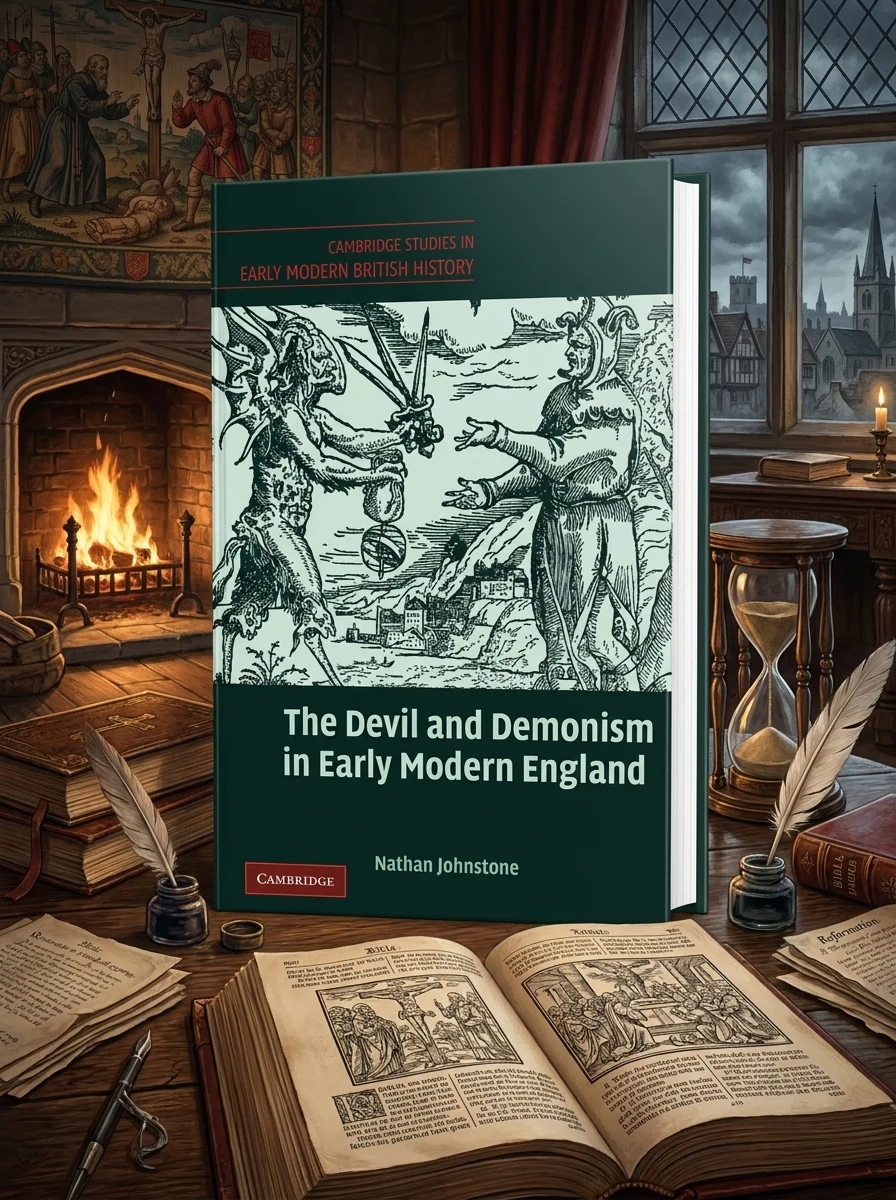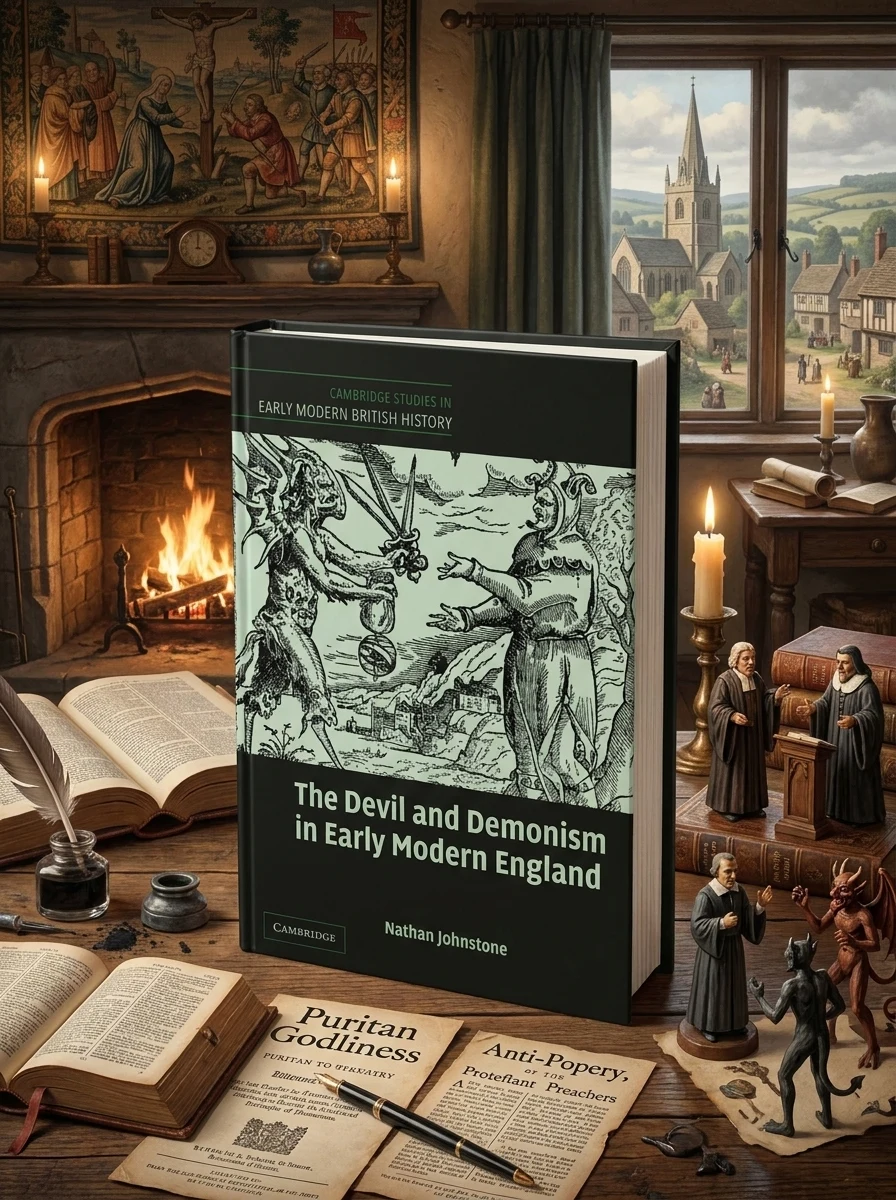

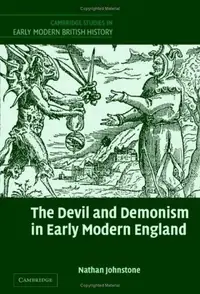
The Devil and Demonism in Early Modern England Johnstone, Nathan
Johnstone, Nathan 82
82
 Editorial score
How we rate
Editorial score
How we rate
Stock reported in the catalog; fulfillment is confirmed with your request.
Tracing the Devil's shifting silhouette through Reformation England's turbulent political and spiritual landscapes.
This rigorous historical study moves beyond the familiar tropes of witchcraft trials to explore how the concept of the Devil evolved during England's religious upheaval. Johnstone examines the Devil's role in practical divinity, Puritan theology, and anti-Catholic propaganda, revealing how these beliefs shaped public discourse under Elizabeth I, James I, and Charles I. It is a nuanced analysis of how spiritual fears intersected with political power, offering a fresh perspective on early modern demonology that transcends simple superstition to reveal deep cultural anxieties.
This work sits firmly within the historiography of early modern England, specifically addressing the intersection of religious upheaval and political power during the Reformation era. It contributes to the scholarly understanding of how spiritual anxieties were instrumentalized in public discourse under successive monarchs.


📝 Description: The Devil and Demonism in Early Modern England Johnstone, Nathan
💎 Expert review
📖 Why choose it
Why this book is worth reading
Scholars of religious history, theology students, and readers interested in the nuanced mechanics of early modern political propaganda will find this text invaluable. Nathan Johnstone offers a rigorous departure from simplistic narratives of superstition, revealing how the concept of the Devil was actively shaped by Puritan theology and anti-Catholic sentiment. By tracing these shifting silhouettes across the reigns of Elizabeth I, James I, and Charles I, the book provides essential context for understanding the deep cultural anxieties of the period. It is particularly rewarding for those who wish to move beyond the sensationalism of witchcraft trials to grasp the intellectual and spiritual underpinnings that defined public discourse during England's turbulent Reformation.
⭐ Reader reviews
Reader rating
Been hunting for a decent copy of this text for ages. The language takes some getting used to, but it becomes part of the charm. The symbolism is layered and generous to patient readers. A few pages arrived with light corner wear, though nothing serious. Solid, if not essential.
Finally got around to ordering this. The material is presented clearly and the structure makes it easy to revisit key passages. I found myself reading passages aloud just to sit with them. Solid, if not essential.
I keep coming back to this one. Every rereading turns up something I missed. I'd have loved an index, but that's on the original text.
Finally got around to ordering this. Not a light read, but far more accessible than I feared.
This edition finally does the material justice. There's real depth here that reveals itself on a second reading. The symbolism is layered and generous to patient readers. A few pages arrived with light corner wear, though nothing serious. Good, with the caveats above.
Ordered this after seeing it referenced in another book I was studying. It rewards patience more than any book I've bought this year. The print is clean and easy on the eyes for long sessions. A keeper.
First purchase from this shop. It's become a regular reference in my practice. One of my better finds this year.
Johnstone delivers a sophisticated academic analysis that demands patience and historical literacy from its audience. While it excels in unpacking the complex interplay between spiritual fears and political power, it is decidedly not for readers seeking entertaining tales of demonic possession or straightforward guides to witchcraft lore. Those looking for accessible pop-history or sensationalist accounts of the occult will likely find this dense, scholarly examination dry and overly theoretical. It serves best as a specialized resource for understanding the intellectual climate of early modern England rather than as general entertainment.
❓ Frequently asked questions
📖 Who should read this
Readers fascinated by the intersection of theology and statecraft in early modern Europe, particularly those seeking to understand the intellectual underpinnings of anti-Catholic sentiment and Puritan spirituality beyond the narrative of witch hunts.
🎯 Key themes and symbolism
Reformation theology
Political propaganda
Puritan godliness
💬 Quotes from the book
“The Devil was not merely a theological abstraction but a political tool wielded in the fires of Reformation conflict.”
“Belief in demonic power shifted from a peripheral fear to a central pillar of Protestant identity and state security.”
📜 Historical context
📚 Glossary
- Practical Divinity
- Anti-popery
- Puritan Godliness
📔 Questions to reflect on
- How might your own cultural fears be shaped by the political narratives of your time?
- In what ways do abstract spiritual concepts influence concrete political decisions?
- Consider how the 'enemy' is defined in times of religious or ideological upheaval.
✍️ More books by this author Johnstone, Nathan
All books by this author →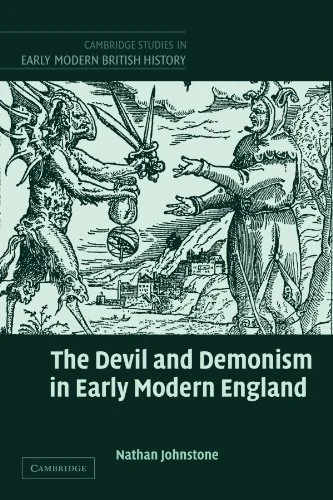
🏛 Books from this publisher Cambridge University Press
All books from this publisher →
 75
75

You might also like
See more →