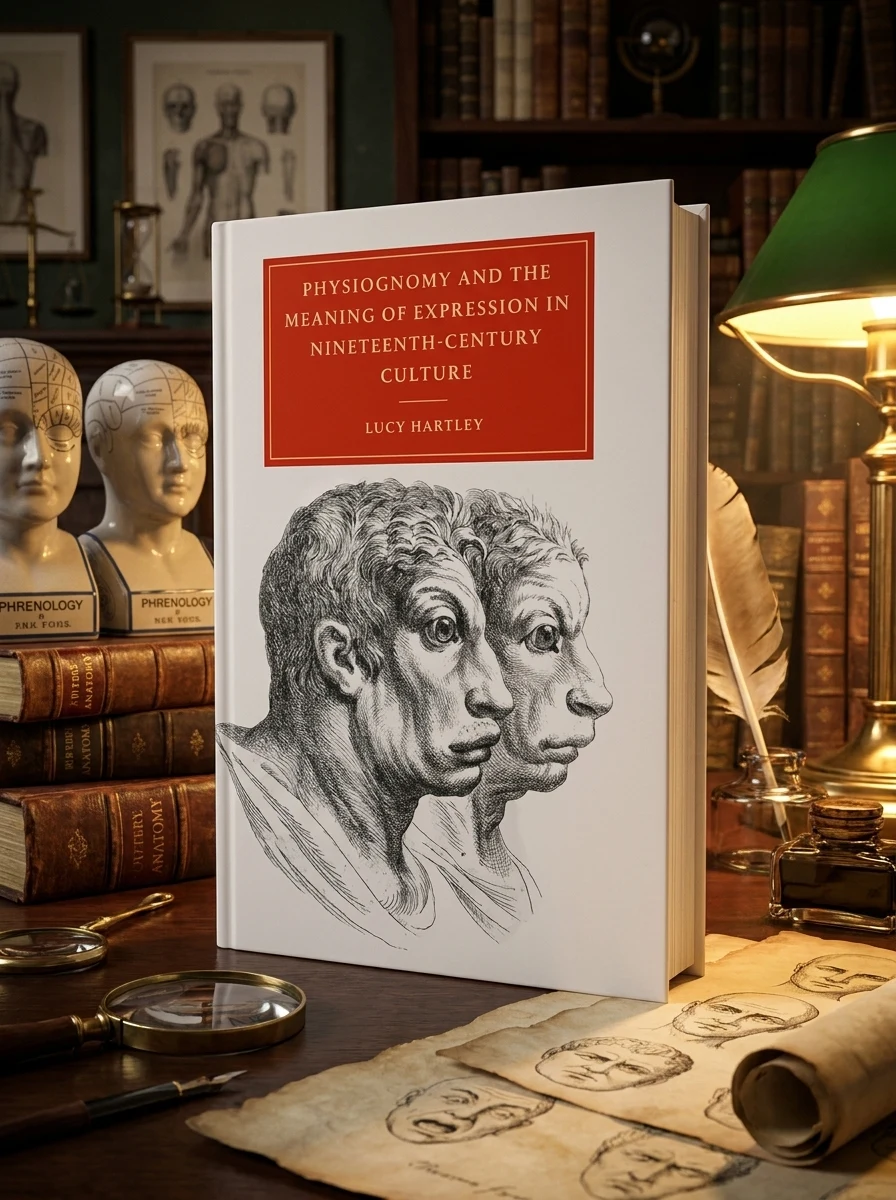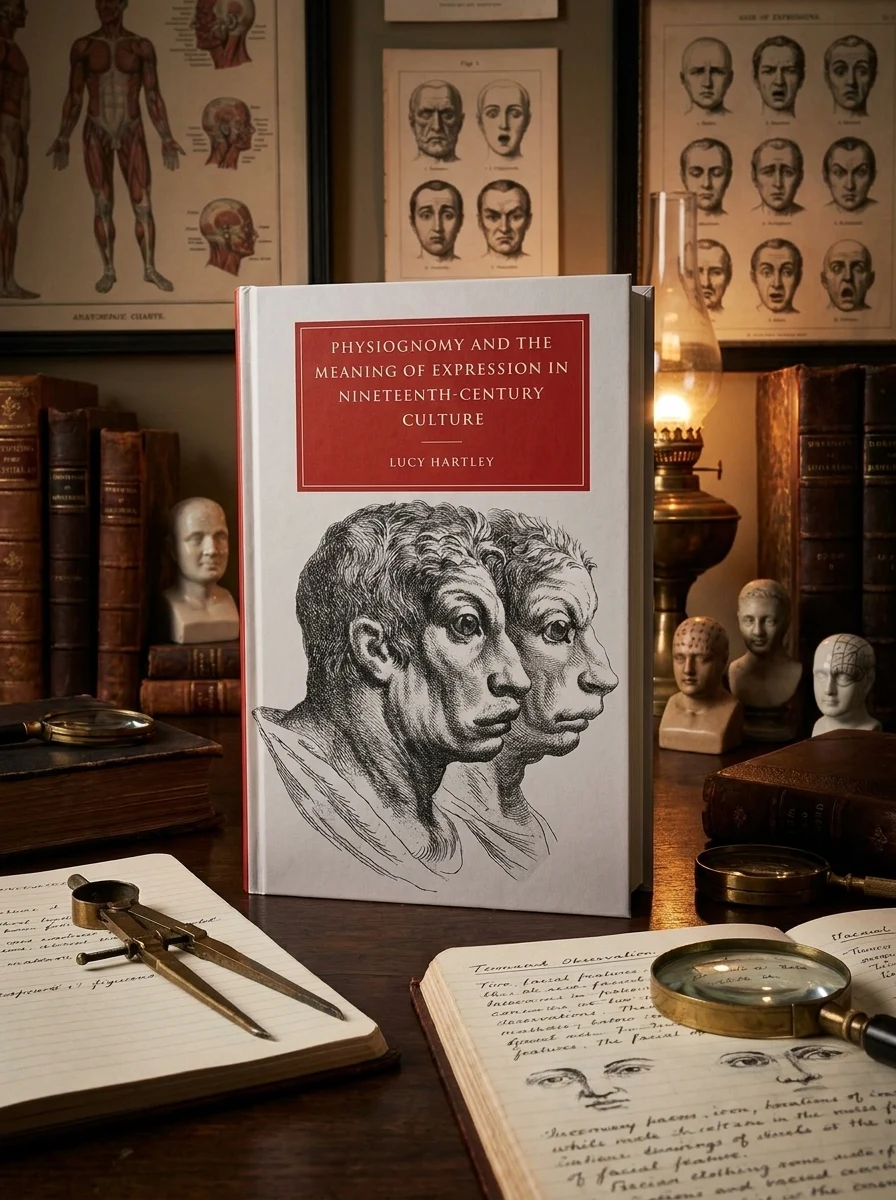
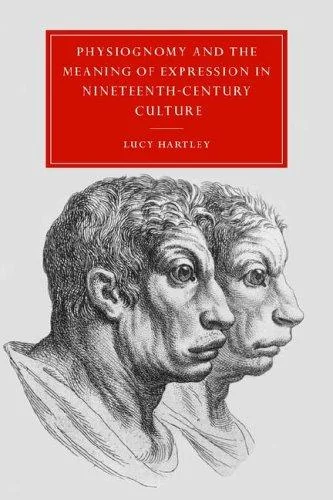
Physiognomy and the Meaning of Expression in Nineteenth-Century Culture (Revised) Hartley, Lucy
Lucy Hartley's revised edition meticulously explores the fascinating rise of physiognomy as a captivating 'popular science' during the Victorian era. This scholarly work delves into how 19th-century society believed human character, intellect, and moral essence could be deciphered from outward physical features, particularly facial expressions. Hartley scrutinizes the cultural impact of this widespread belief, revealing its intricate connections to literature, art, and the very fabric of social understanding. It's an essential study for anyone curious about the historical intersection of science, perception, and societal constructs.


📝 Description: Physiognomy and the Meaning of Expression in Nineteenth-Century Culture (Revised) Hartley, Lucy
💎 Expert review
📖 Why choose it
Why this book is worth reading
This revised edition is an essential resource for scholars and enthusiasts interested in the historical intersection of science, perception, and societal constructs. Readers who wish to unmask the hidden language of faces will find Hartley’s meticulous exploration captivating. It offers a deep dive into how nineteenth-century culture viewed character through physical expression, making it ideal for those studying the fabric of social understanding. By scrutinizing the cultural impact of this widespread belief, the book reveals intricate connections to art and literature, providing a unique lens through which to view the Victorian quest for inner truth.
⭐ Reader reviews
Reader rating
Hartley’s scholarly work is a rigorous examination of physiognomy’s rise as a popular science, offering valuable insights into Victorian societal constructs. While its detailed analysis of cultural impact on literature and art is impressive, it may not suit readers seeking accessible pop-science or simple historical anecdotes. The text demands engagement with academic discourse on perception and moral essence. Those looking for practical applications of physiognomy or light reading will likely find this too dense. However, for those committed to understanding the intricate relationships between outward features and perceived character in nineteenth-century culture, this revised edition remains a significant and necessary contribution to the field.
❓ Frequently asked questions
📖 Who should read this
If you are captivated by the historical interplay of science, culture, and human perception, or seek to understand how past societies interpreted the body's hidden messages, this scholarly work offers profound insights. Ideal for students of Victorian studies, literary criticism, and the history of pseudoscience.
🎯 Key themes and symbolism
Physiognomy as Popular Science
The book examines how physiognomy emerged as a compelling, yet often unproven, 'science' that captured the public imagination. It details the attempts to systematize the reading of character from physical traits, highlighting the era's hunger for definitive explanations of human nature and its inherent flaws in scientific methodology.
Inner Self, Outer Form
Hartley explores the pervasive 19th-century conviction that the inner workings of an individual—their personality, virtues, and vices—were visibly expressed on their face and body. This theme delves into the philosophical and cultural underpinnings of this belief, and how it informed perceptions of identity and morality.
Cultural Resonance and Impact
This study illuminates how physiognomic ideas permeated various aspects of 19th-century culture, from literary characterizations and artistic portraiture to social judgment and even nascent criminological theories. It showcases how these interpretations shaped societal norms and contributed to the understanding of human diversity and deviance.
📜 Historical context
📚 Glossary
- Physiognomy
- Popular Science
- Expression
📔 Questions to reflect on
- Consider how contemporary society still unconsciously 'reads' character from appearance. What similarities or differences do you notice compared to 19th-century physiognomy?
- Reflect on a time you misjudged someone based purely on their outward expression. How might the historical context of physiognomy help explain this ingrained human tendency?
- How did the rise of 'popular science' like physiognomy shape public understanding of the human mind and body, and what are the echoes of this in modern pseudoscience?