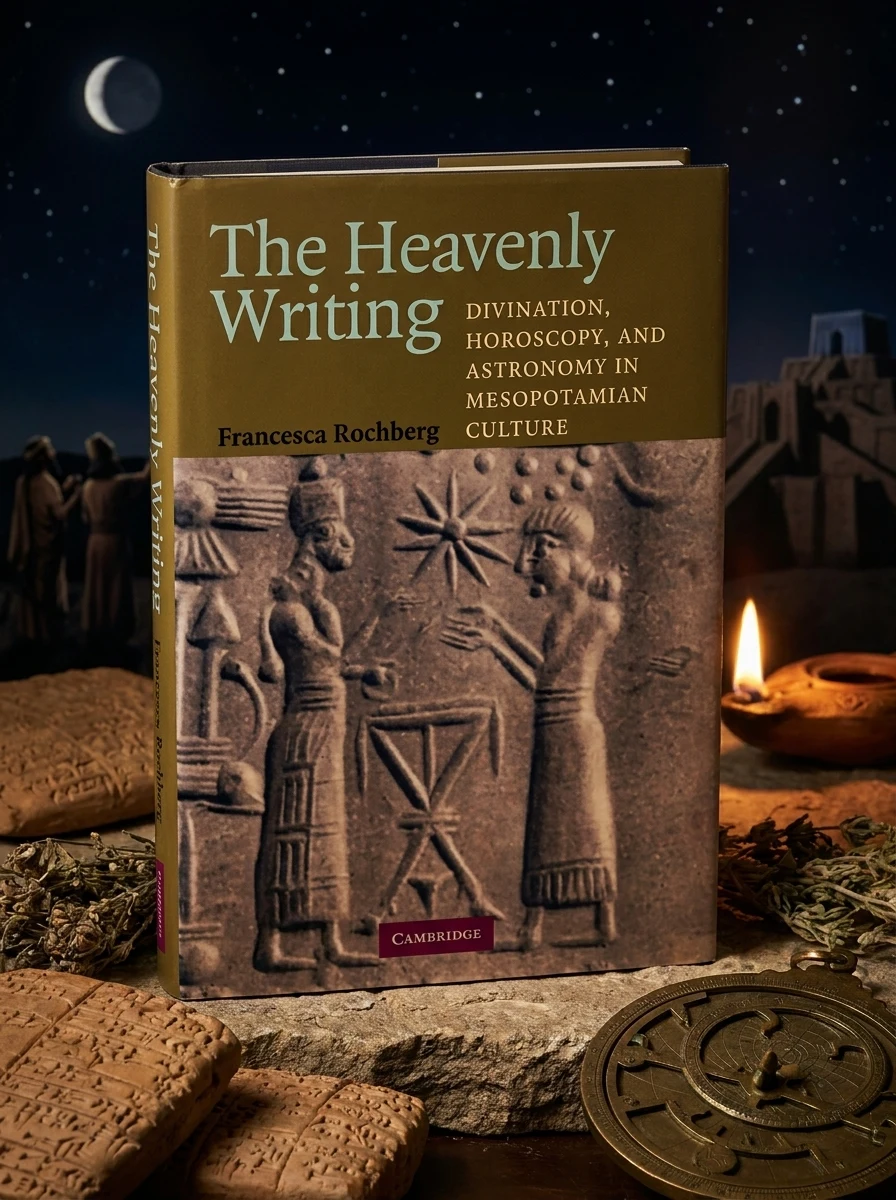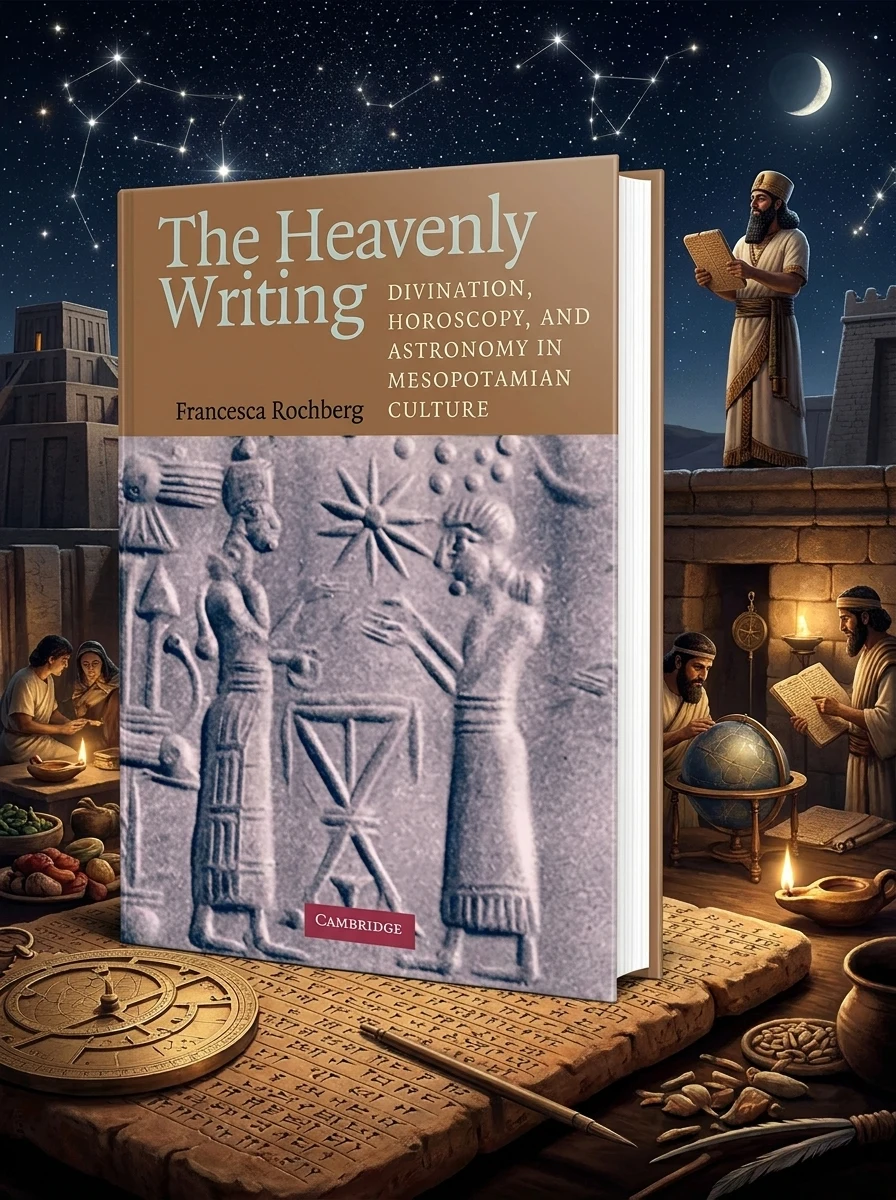
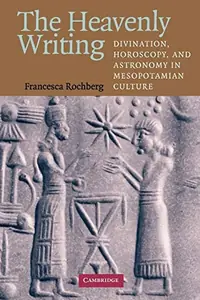
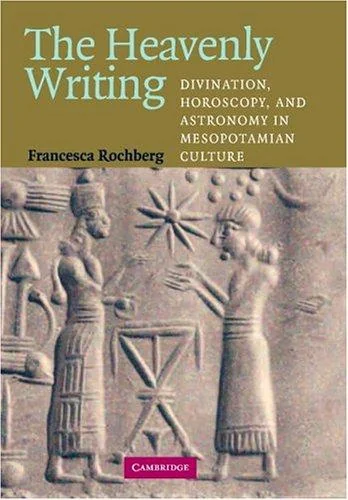
The Heavenly Writing: Divination, Horoscopy, and Astronomy in Mesopotamian Culture
Rochberg, FrancescaStock reported in the catalog; fulfillment is confirmed with your request.
Uncover the cosmic secrets that shaped ancient Mesopotamian destiny and divine will.
This insightful volume delves into the profound significance of the heavens for ancient Mesopotamian civilizations. Far beyond mere observation, the celestial ballet was meticulously interpreted as direct communications from the divine pantheon, influencing every aspect of life. From predicting grand events to understanding individual fates, the book meticulously chronicles how these cultures integrated astronomical phenomena with their spiritual worldviews. It provides a comprehensive exploration of early divinatory practices, horoscopy, and the evolution of personal astrological beliefs within this fertile intellectual landscape, revealing a sophisticated system of cosmic understanding.
This scholarly work situates itself within the rich intellectual heritage of ancient Mesopotamian civilization, exploring how celestial observation was deeply interwoven with spiritual worldview and divine communication. It bridges the gap between historical astronomy and early esoteric practices, offering a window into how ancient societies interpreted the cosmos as direct messages from their pantheon.


📝 Description: The Heavenly Writing: Divination, Horoscopy, and Astronomy in Mesopotamian Culture
💎 Expert review
📖 Why choose it
Why this book is worth reading
This volume is essential for serious students of esoteric history who wish to understand the foundational roots of divinatory practices. Readers fascinated by the intersection of astronomy, spirituality, and ancient political will will find immense value in its detailed chronicle of how Mesopotamians viewed the sky as a living text. It appeals to those seeking to move beyond modern astrological tropes to grasp the sophisticated, rigorous system of cosmic understanding that influenced every aspect of life in antiquity. By revealing how celestial phenomena were interpreted as divine communication, it offers a profound perspective on the evolution of personal and collective fate. This book is for the dedicated scholar or the deeply curious occultist ready to engage with complex historical contexts and intellectual landscapes.
⭐ Reader reviews
Reader rating
Rochberg provides a meticulous and insightful exploration of Mesopotamian divination, making a strong case for the sophistication of their cosmic worldview. However, this text is not suited for casual readers seeking practical astrological advice or easy-to-digest myths. It requires patience for dense academic prose and historical analysis. Those looking for modern interpretations or romanticized ancient tales may find it dry and overly technical. It is strictly for those willing to delve into the rigorous intellectual landscape of early horoscopy and astronomical observation. The book excels in its scholarly depth but demands a reader prepared for substantial historical context rather than immediate esoteric application.
❓ Frequently asked questions
📖 Who should read this
If you're captivated by the origins of astrology, ancient religions, or early civilizations, this book offers a profound journey. It's essential reading for anyone seeking to understand how our ancestors interpreted the cosmos and shaped their spiritual lives.
🎯 Key themes and symbolism
Stars as Divine Omens
The book illuminates how ancient Mesopotamians viewed celestial occurrences not as random events, but as profound messages from their gods. It meticulously details the intricate systems they developed to observe, record, and interpret these heavenly signs, demonstrating a sophisticated early form of divination that guided their kings, priests, and populace in all significant decisions.
Roots of Personal Astrology
Trace the fascinating evolution from broad celestial prognostication to the more individualized practice of horoscopy. This study expertly chronicles the pivotal shift where the heavens began to whisper not just about the fate of empires, but also about the destiny of individuals, laying foundational principles for what we recognize today as personal astrology.
Cosmic Sacred Language
Explore the profound spiritual connection Mesopotamians held with the cosmos, perceiving the movements of planets and stars as the very language of their deities. The text reveals how this belief system integrated astronomy, religion, and daily life, forging a comprehensive worldview where the celestial sphere was a living, breathing testament to divine will and power.
💬 Quotes from the book
“The Mesopotamian sky was not merely a backdrop for human affairs, but an active participant, its every flicker and transit a deliberate pronouncement from the divine realm.”
“The transition from collective omen interpretation to the tailored specificities of individual horoscopes marks a pivotal intellectual shift, profound in its implications for human self-conception.”
📜 Historical context
📚 Glossary
- Horoscopy
- Divination
- Celestial Phenomena
📔 Questions to reflect on
- Reflect on how the Mesopotamian integration of astronomy and divinity differs from or aligns with modern perspectives on astrology or cosmic influences.
- Imagine living in a culture where every celestial event was a direct message from the gods. How might this shape your daily decisions and overall worldview?
- What universal human needs or desires do you think led ancient civilizations to develop such intricate systems for interpreting celestial phenomena?
✍️ More books by this author Rochberg, Francesca
All books by this author →
🏛 Books from this publisher Cambridge University Press
All books from this publisher →

 75
75

You might also like
See more →