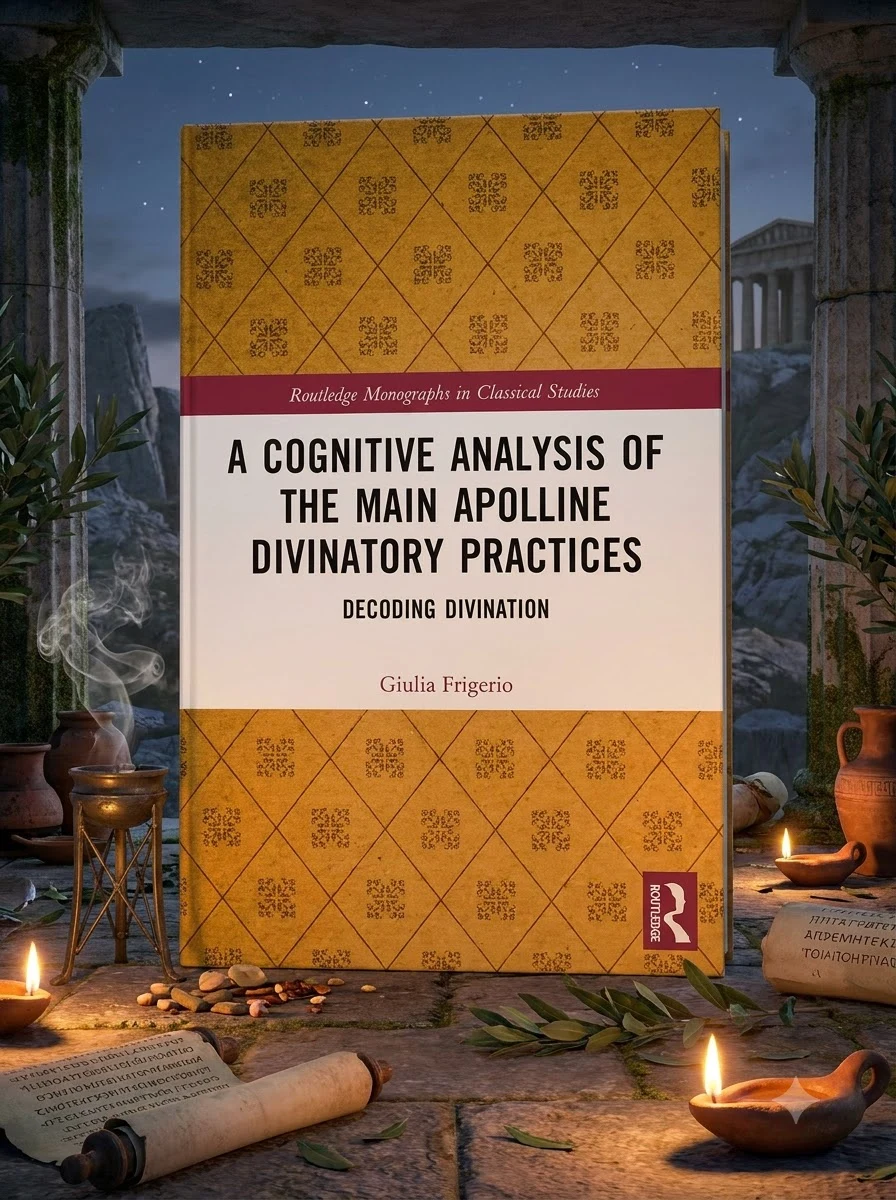
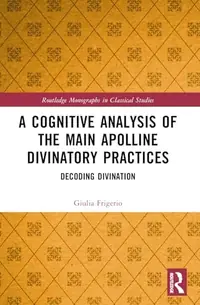
A Cognitive Analysis of the Main Apolline Divinatory Practices: Decoding Divination Frigerio, Giulia
Frigerio, GiuliaStock reported in the catalog; fulfillment is confirmed with your request.
Unravel ancient Apollo's oracles through the lens of modern cognitive science.
This groundbreaking volume offers a unique interdisciplinary exploration of divinatory practices at Apollo's sanctuaries in Classical and Hellenistic Greece. Integrating neuroscience, psychology, and behavioral studies with archaeological findings, Frigerio meticulously reconstructs the cognitive frameworks and neural inputs experienced by ancient visitors to these sacred sites. By analyzing primary sources and the historical context, alongside environmental factors like landscape and architecture, the book proposes novel hypotheses, providing a powerful new methodology for decoding ancient divination and engaging with the archaeological record in future research.
This work sits at the intersection of classical archaeology and modern cognitive science, offering an interdisciplinary lens on ancient Greek religious practices. It bridges the gap between historical study of Apollo’s sanctuaries and contemporary psychological frameworks.


📝 Description: A Cognitive Analysis of the Main Apolline Divinatory Practices: Decoding Divination Frigerio, Giulia
💎 Expert review
📖 Why choose it
Why this book is worth reading
Readers fascinated by the mechanics of ancient ritual will find this volume indispensable. It is ideal for scholars and enthusiasts who wish to understand divination not just as a mystical act, but as a complex cognitive process shaped by environment and neural input. Those interested in how landscape and architecture influence human perception will appreciate the novel hypotheses presented here. It offers a fresh methodology for decoding past beliefs, making it essential for anyone seeking to engage with archaeological records through a rigorous, scientific perspective rather than purely mythological interpretation.
⭐ Reader reviews
Reader rating
Frigerio delivers a dense, scientifically rigorous reconstruction of Apollo’s oracular practices, merging neuroscience with classical studies. This approach is brilliant for academics and specialists in cognitive archaeology who crave methodological innovation. However, it explicitly does not suit casual readers seeking accessible mythology or simple historical narratives. The text demands familiarity with behavioral studies and archaeological terminology, making it inaccessible to those preferring light reading or purely spiritual interpretations of divination without scientific grounding.
❓ Frequently asked questions
📖 Who should read this
If you're fascinated by the intersection of ancient mysteries and modern science, seeking to understand how the human mind processed prophecy in antiquity, this rigorous study offers unparalleled insights. Ideal for scholars and serious students of Greek religion, cognitive science, and archaeological interpretation.
🎯 Key themes and symbolism
Cognitive Archaeology Unveiled
This book pioneers a new frontier by integrating modern cognitive sciences—neuroscience, psychology, and behavioral studies—with traditional archaeological methods. It seeks to understand the mental processes and experiences of ancient oracle seekers and prophets, bridging the gap between scientific understanding of the mind and the material remains of the past.
Apollo's Oracles Decoded
Focusing specifically on the prophetic traditions at sanctuaries dedicated to Apollo in Classical and Hellenistic Greece, the author meticulously reconstructs the precise schemas of knowledge and cognitive associations that shaped the experiences of ancient participants. It offers a fresh perspective on how these renowned oracles actually functioned on a cognitive level.
Sensory Input & Prophecy
The study delves into how external environmental factors influenced the divinatory experience. It examines the cognitive and neural inputs that both seekers and prophets received from features of the outside world, such as the surrounding landscape, the architectural design of the sanctuary, and even ambient temperature, shaping their perceived prophetic visions.
💬 Quotes from the book
“By reconstructing the precise schemata of knowledge and cognitive associations, we gain unparalleled insight into the neural inputs experienced by ancient seekers.”
“The integration of archaeological data with behavioral studies provides a powerful lens for decoding the subtle influences shaping prophetic experiences.”
📜 Historical context
📚 Glossary
- Apolline Divination
- Cognitive Archaeology
- Hellenistic Greece
📔 Questions to reflect on
- How might modern understanding of psychology alter our interpretation of historical spiritual experiences?
- Consider a sacred space you know: how do its physical attributes (architecture, landscape) influence your cognitive or emotional state?
- If you were to design an oracle for the modern age, what cognitive inputs would you intentionally incorporate to enhance the divinatory experience?
📖 From the series “Routledge Monographs in Classical Studies”
All books in the series →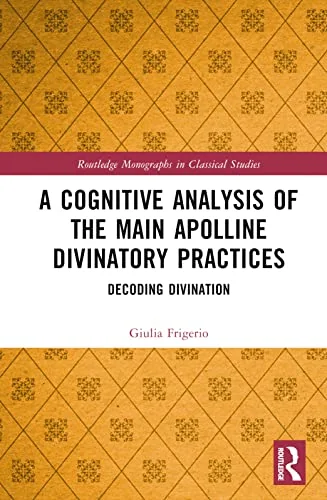
✍️ More books by this author Frigerio, Giulia
All books by this author →🏛 Books from this publisher Routledge
All books from this publisher →


 89
89

You might also like
See more →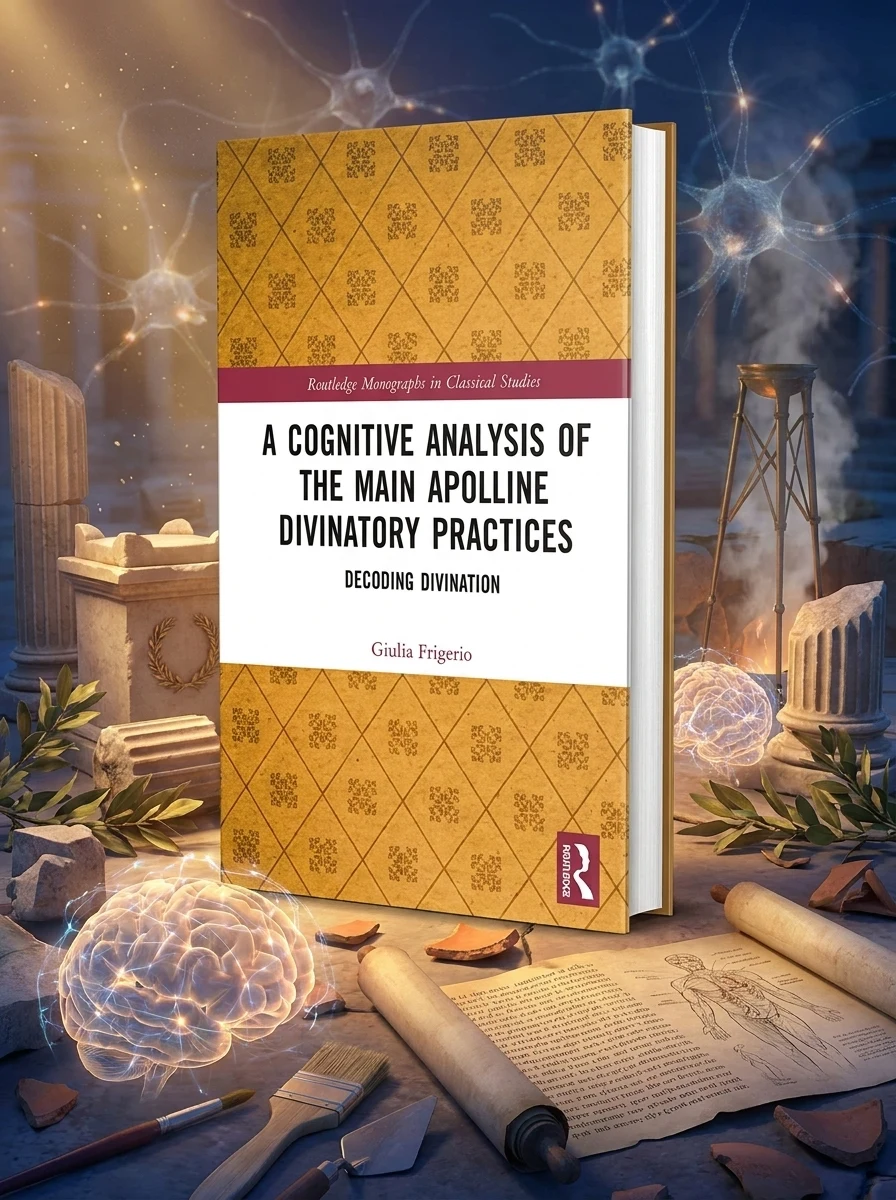
 91
91