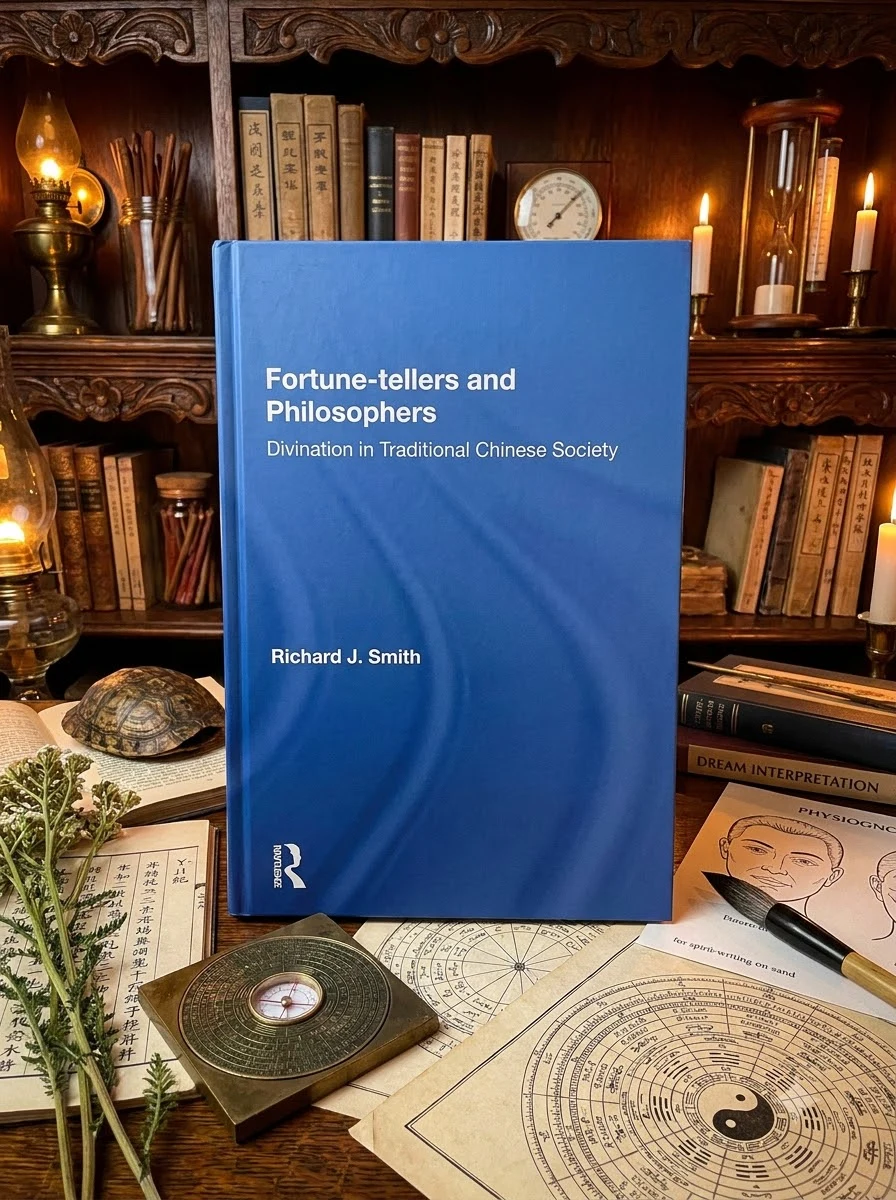
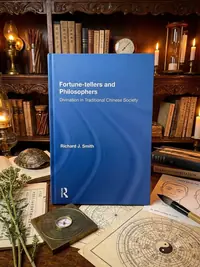
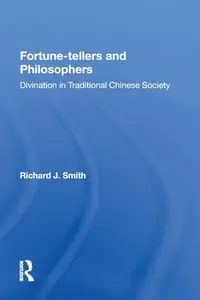
Fortune-Tellers and Philosophers: Divination in Traditional Chinese Society
Smith, Richard JStock reported in the catalog; fulfillment is confirmed with your request.
Unravel the ancient threads of Chinese divination, where cosmic patterns shaped destiny and understanding.
This essential volume delves into the intricate world of Chinese divination, revealing its profound role in structuring reality and human experience. Author Richard Smith meticulously explores a diverse array of mantic arts, from the revered *I Ching* to popular methods like geomancy, astrology, numerology, physiognomy, spirit-writing, and dream interpretation. Beyond cataloging techniques, the book illuminates how divination permeated Chinese culture, intertwining with philosophy, science, and medicine. It examines the symbolic, aesthetic, and ritual dimensions, highlighting divination's crucial function in traditional society: providing order for the future, much as history organized the past and rituals governed the present.
This work situates divination within traditional Chinese society, exploring how cosmic patterns and mantic arts structured reality, philosophy, science, and medicine in historical contexts.


📝 Description: Fortune-Tellers and Philosophers: Divination in Traditional Chinese Society
💎 Expert review
📖 Why choose it
Why this book is worth reading
Readers deeply interested in the intersection of philosophy, history, and esoteric practice will find this volume indispensable. It offers a rare glimpse into how traditional Chinese society utilized diverse mantic arts—not merely as superstition, but as sophisticated tools for understanding destiny and organizing existence. By examining techniques like the I Ching, geomancy, and spirit-writing alongside their cultural implications, Smith reveals how divination provided essential order to the future, mirroring history’s role in the past. This book is ideal for scholars of East Asian culture, practitioners of comparative religion, and anyone seeking to understand the aesthetic and ritual dimensions that once governed human experience through cosmic alignment.
⭐ Reader reviews
Reader rating
Smith provides a rigorous academic examination of Chinese divination, treating it as a serious intellectual framework rather than mere folklore. The text meticulously details the symbolic and ritualistic aspects of practices ranging from numerology to physiognomy, highlighting their integration with medicine and science. However, this scholarly approach may alienate readers seeking practical divinatory instructions or mystical experiences. Those looking for immediate fortune-telling advice will find little utility here, as the focus remains firmly on historical analysis and cultural context. It is a dense, informative resource for serious study, but lacks the accessibility required for casual enthusiasts of occultism.
❓ Frequently asked questions
📖 Who should read this
If you're drawn to the intricate tapestry of traditional Chinese thought, curious about the philosophical underpinnings of mantic arts, or seek a deeper understanding of divination beyond mere prediction, this book offers a scholarly yet accessible journey into a complex and fascinating subject.
🎯 Key themes and symbolism
Divination as Reality's Framework
This work posits divination not merely as fortune-telling, but as a sophisticated system for interpreting and organizing the entirety of existence. It reveals how diverse mantic practices provided a coherent lens through which traditional Chinese society understood the world, offering insights into both the tangible and the unseen, shaping decisions and perceptions across all societal strata.
Woven Mantic Tapestry
The book masterfully demonstrates the deep connections between various Chinese divinatory techniques. Instead of isolated practices, it shows how methods like the *I Ching*, astrology, and physiognomy formed an interconnected web, each informing and complementing the others. This holistic perspective underscores the unified philosophical underpinnings of these diverse approaches to foresight and understanding.
Cultural Pillars of Foresight
Smith explores how divination was intrinsically linked to every facet of traditional Chinese life, from philosophical thought and scientific inquiry to medical practices. It wasn't an isolated superstition but a fundamental aspect of cultural expression, imbued with rich symbolism, aesthetic principles, and profound ritualistic significance, shaping psychological and social dynamics in tangible ways.
💬 Quotes from the book
“Divination in traditional China functioned as a sophisticated epistemological framework, providing a coherent means for individuals and society to apprehend and navigate the complexities of existence.”
“The seemingly disparate mantic techniques, from stellar charts to character analysis, were in fact interwoven strands of a singular cultural tapestry, each reflecting and reinforcing a shared cosmology.”
📜 Historical context
📚 Glossary
- I Ching
- Geomancy
- Physiognomy
📔 Questions to reflect on
- How might the ancient Chinese concept of divination 'ordering the future' resonate with or challenge modern approaches to planning and uncertainty in your own life?
- Reflect on a symbolic system or practice in your own culture that helps interpret reality or predict outcomes. How does it compare to the Chinese mantic traditions described?
- Consider the integration of divination with philosophy, science, and medicine in traditional China. How might such integration reshape our contemporary understanding of these fields?
✍️ More books by this author Smith, Richard J
All books by this author →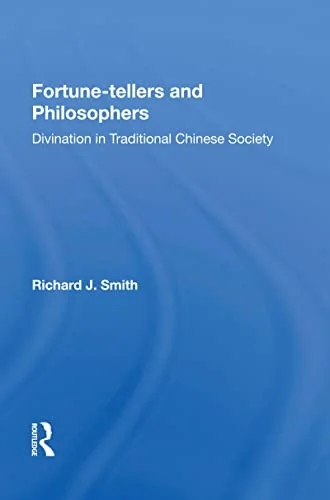
🏛 Books from this publisher Routledge
All books from this publisher →

 89
89

You might also like
See more →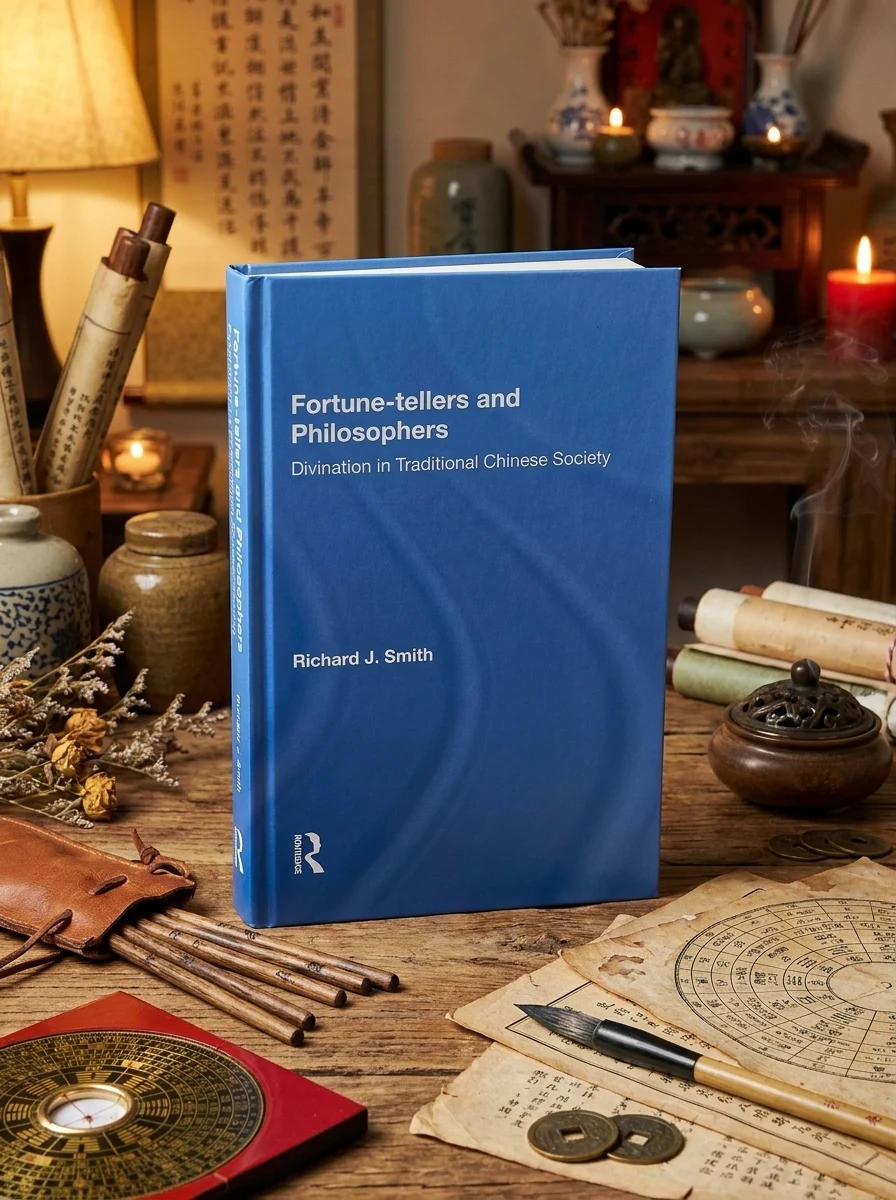
 91
91