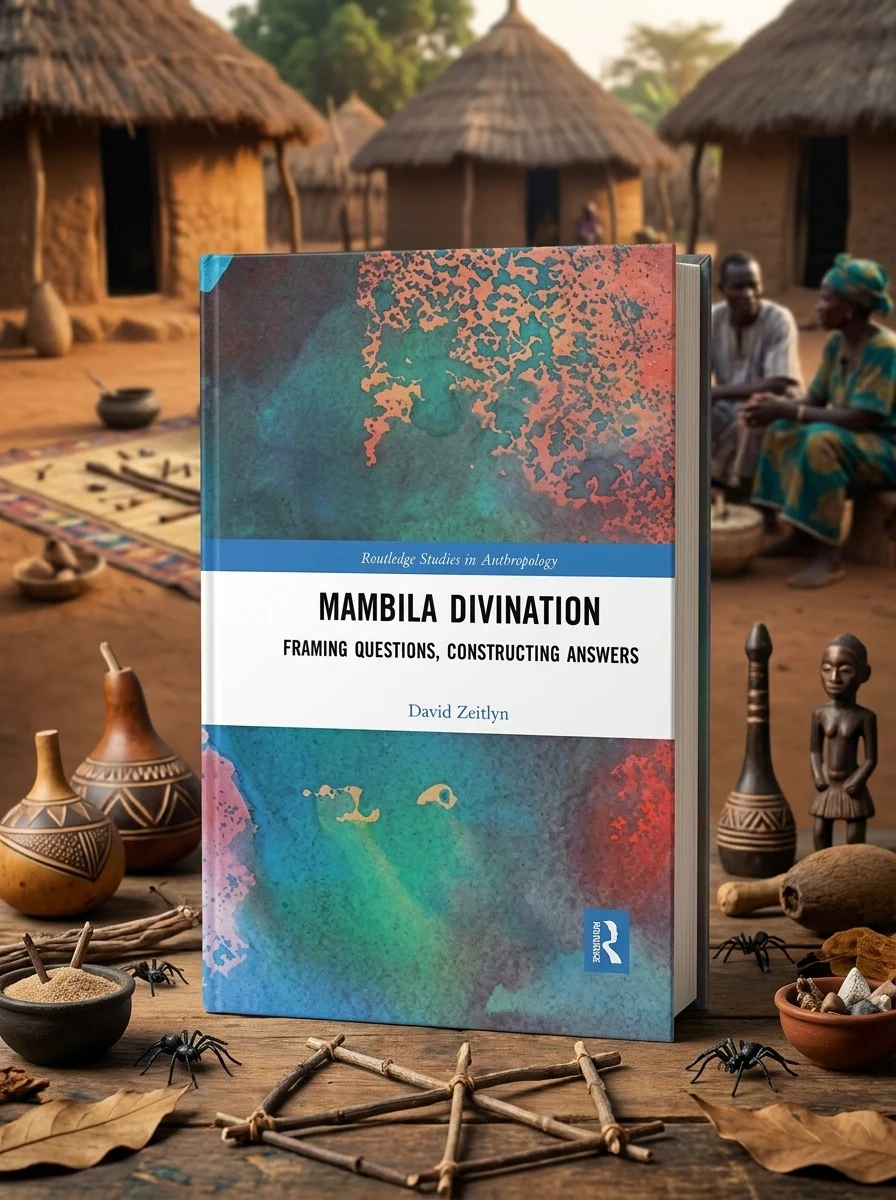
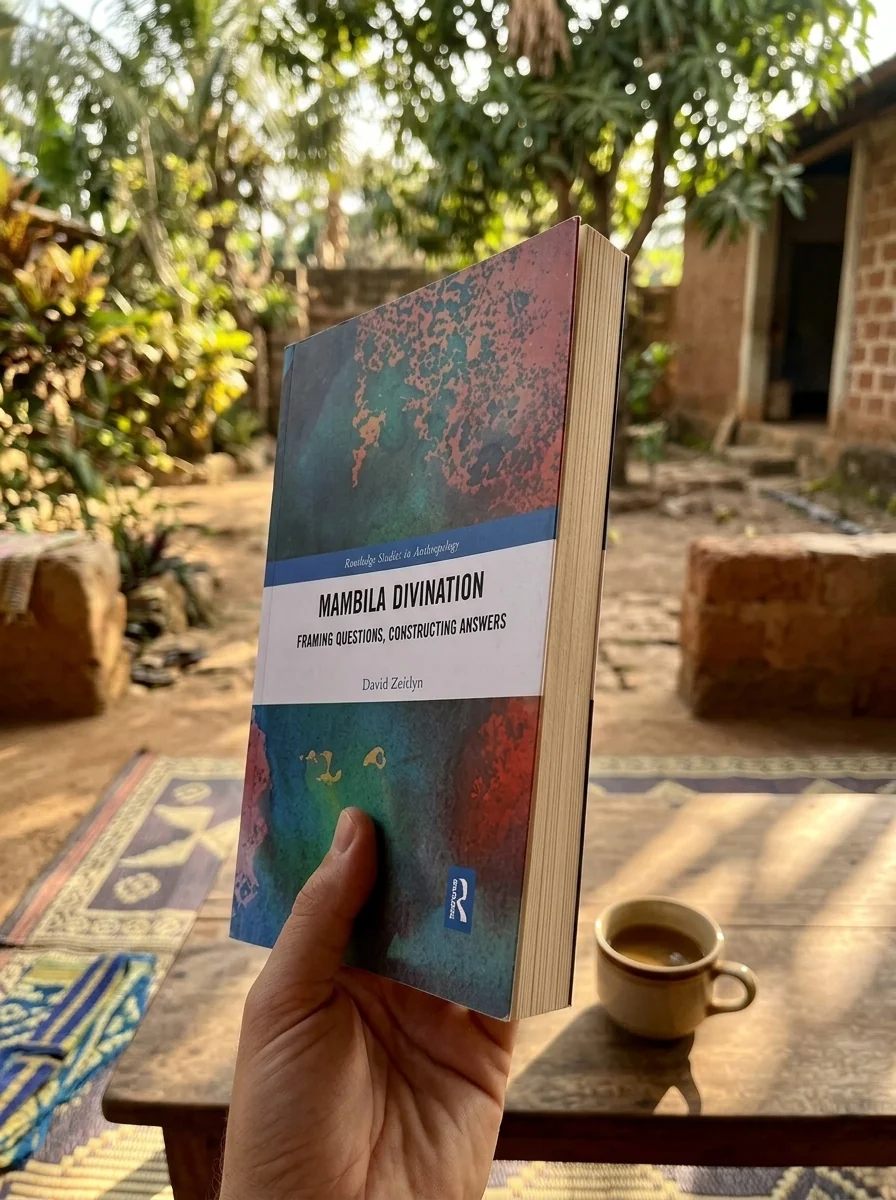
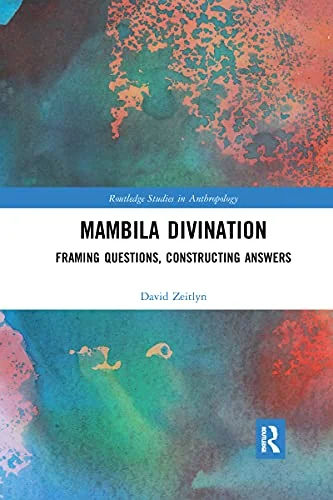
Mambila Divination: Framing Questions, Constructing Answers
✍️ Zeitlyn, DavidDavid Zeitlyn's profound study delves into the nuances of Mambila divination practices in Cameroon, shifting focus from the diviner to the supplicant. By meticulously examining the questions posed and the life stories shared, this work offers a unique window into the clients' worldview. Drawing on over 600 detailed cases, Zeitlyn re-evaluates established theories of divination, offering a comparative analysis of Mambila spider divination alongside regional systems. Through conversational analysis and exploring moderated functionalism, this book provides an unparalleled look into how communities navigate uncertainty and construct meaning.


Praise for this book
“David Zeitlyn offers a stimulating account following over thirty years of meticulous interaction with the practitioners of the spider divination system of the Mambila [...] I recommend Zeitlyn's work as not only one that exposes the reader to Mambila spider divination but also serves as an affirmation to some of the similarities in the modus operandi of African systems of divination.”
“The book, with its exceptional ambition and thorough ethnography, is essential for all social scientists studying divination.”
📝 Description: Mambila Divination: Framing Questions, Constructing Answers
💎 Expert review
📖 Why choose it
Why this book is worth reading
This book is essential for scholars, anthropologists, and serious students of comparative religion who seek to understand how human beings navigate profound uncertainty through ritualized inquiry. By shifting the analytical gaze from the diviner’s technical prowess to the supplicant’s lived experience and questions, Zeitlyn reveals the intricate social and psychological frameworks that underpin spiritual seeking. Readers fascinated by the mechanics of meaning-making will appreciate the meticulous analysis of over 600 cases, which illuminates how communities construct answers rather than merely receiving them. It offers a rare, grounded perspective on the human condition, demonstrating that divination is not just about predicting fate, but about actively shaping one's worldview and social reality through dialogue and interpretation.
⭐ Reader reviews
Reader rating
Zeitlyn delivers a rigorous, data-rich examination of Mambila divination that will undoubtedly satisfy academic specialists in anthropology and religious studies. However, casual readers or enthusiasts seeking practical divinatory techniques, mystical insights, or accessible spiritual guidance will find this text dry and overly theoretical. The dense focus on conversational analysis and moderated functionalism may alienate those looking for the 'magic' of the practice rather than its sociological mechanics. It is a vital contribution to understanding the intellectual structure of African esotericism, but it demands patience and academic interest from its audience.
❓ Frequently asked questions
📖 Who should read this
For those captivated by cultural systems, the intersection of belief and logic, or how societies navigate uncertainty, this book offers profound insights. Anthropologists, philosophers, and anyone exploring African spiritual traditions will find its detailed analysis and unique perspective truly enriching.
🎯 Key themes and symbolism
The Art of Divination
This book meticulously unpacks the day-to-day mechanics of Mambila spider divination. Rather than a high-level overview, it scrutinizes the specific steps, rituals, and interactions involved, emphasizing the practical application and social embeddedness of these ancient foresight systems within the community, providing a ground-level understanding of its operation.
Voices of the Seekers
A groundbreaking aspect of Zeitlyn's work is its dedication to understanding divination from the client's viewpoint. By analyzing the questions they bring and their personal histories, the text illuminates how individuals engage with divination to make sense of their lives, highlighting the profound personal and social stakes involved in seeking answers.
Reimagining Divinatory Theories
Leveraging an extensive dataset of over 600 cases, the author challenges and refines existing anthropological theories on divination. Through a detailed comparative analysis of Mambila practices with other regional systems, and by applying conversational analysis, the book offers fresh theoretical insights into rationality, decision-making, and the continuing relevance of functionalist approaches.
📜 Historical context
📚 Glossary
- Mambila Divination
- Conversational Analytic Principles
- Moderated Functionalism
📔 Questions to reflect on
- How might understanding the 'client's perspective' in spiritual practices alter our conventional academic approaches to religion or culture?
- Consider a time you sought guidance or an answer to an uncertain situation. How did the questions you asked shape the answers you received?
- If divination offers a form of 'decision-making,' what does this imply about the nature of rationality across different societies?
📖 Read on the blog
📖 From the series “Routledge Studies in Anthropology”
All books in the series →


✍️ More books by this author Zeitlyn, David
All books by this author →🏛 Books from this publisher Routledge
All books from this publisher →


You might also like
See more →

Have a question about this item?
Ask about the edition, condition, delivery or anything else — we reply by email or phone, usually within a day.
