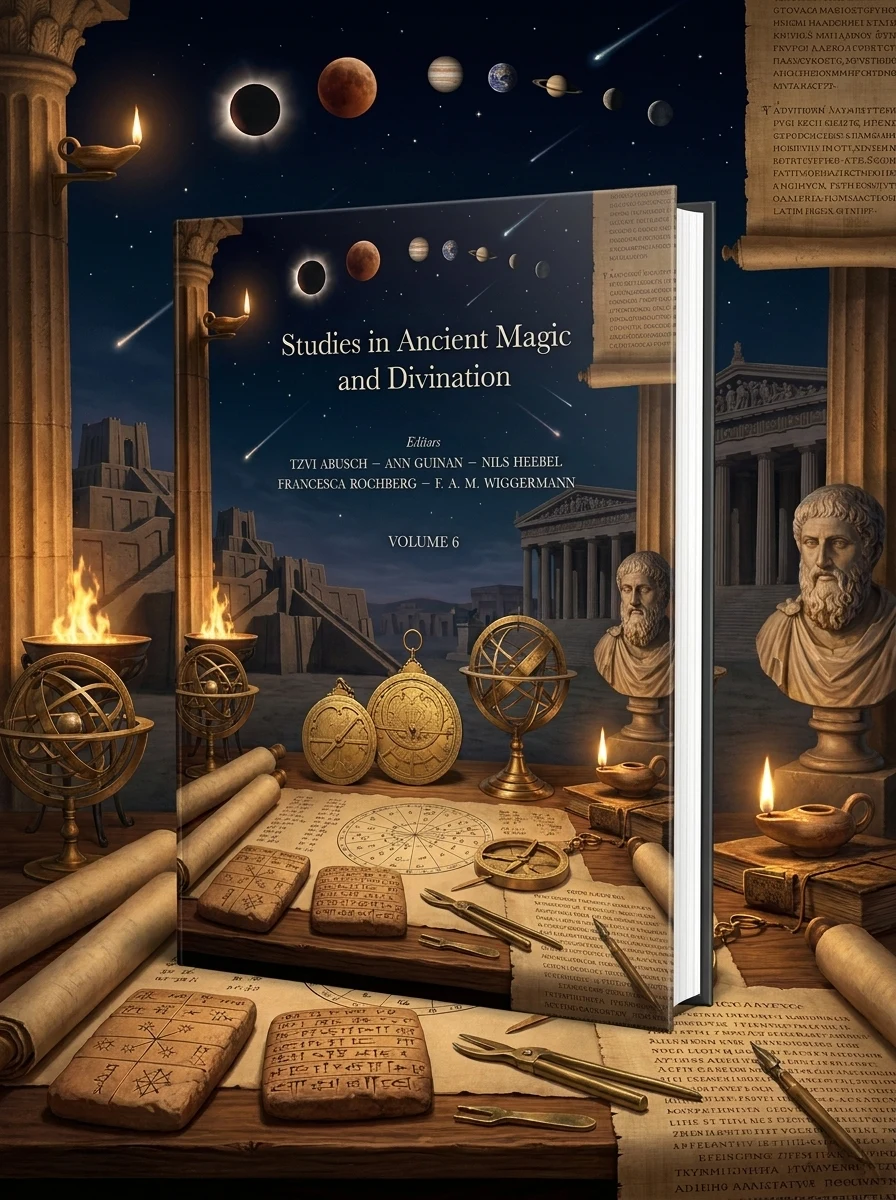
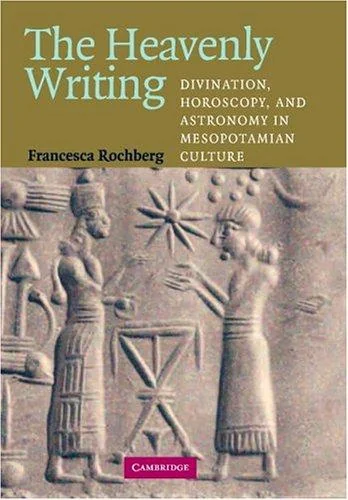
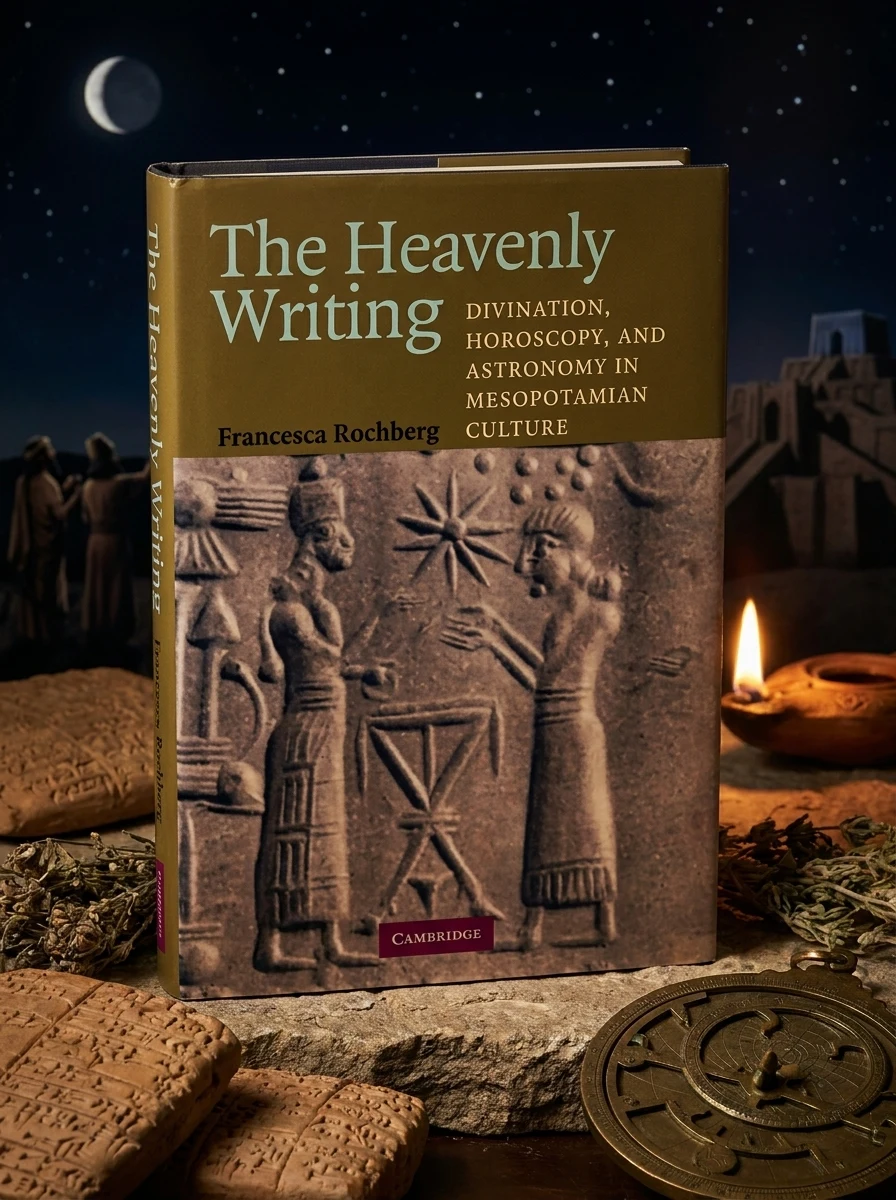
In the Path of the Moon: Babylonian Celestial Divination and Its Legacy - Ingram Academic Rochberg, Francesca
Rochberg, Francesca 79
79
 Editorial score
How we rate
Editorial score
How we rate
Stock reported in the catalog; fulfillment is confirmed with your request.
Uncover the ancient cosmic whispers that shaped human destiny and knowledge.
This compelling collection explores the deep roots of celestial prognostication, tracing its evolution from ancient Mesopotamia. Discover how Babylonian scholars meticulously observed the heavens, interpreting lunar phases, planetary movements, and atmospheric phenomena as divine messages. The essays illuminate how these sophisticated divinatory practices, documented in cuneiform, transcended cultural boundaries, laying foundational concepts that profoundly influenced later Greek and Roman astronomical, astrological, and philosophical thought. It's a journey through the intellectual landscape where science and spirituality first intertwined.
This academic volume situates itself within the field of ancient Mesopotamian studies, specifically focusing on the scholarly traditions of Babylonian celestial divination and its profound impact on later Western intellectual history.


📝 Description: In the Path of the Moon: Babylonian Celestial Divination and Its Legacy - Ingram Academic Rochberg, Francesca
💎 Expert review
📖 Why choose it
Why this book is worth reading
Scholars and enthusiasts of ancient history will find this collection invaluable for understanding the sophisticated intellectual landscape where science and spirituality first intertwined. By examining how Babylonian scholars meticulously observed lunar phases and planetary movements, readers gain insight into the foundational concepts that shaped Greek and Roman thought. This book is essential for anyone fascinated by the deep roots of celestial prognostication and the cuneiform documents that preserved these divine messages, offering a rigorous yet accessible journey through the cosmic whispers that influenced human destiny.
⭐ Reader reviews
Reader rating
Rochberg provides a compelling exploration of Babylonian celestial divination, tracing its evolution from Mesopotamia to classical antiquity. The essays effectively illuminate how atmospheric phenomena and lunar phases were interpreted as divine communications, laying groundwork for later astrological traditions. However, this is a dense academic collection requiring serious engagement with cuneiform sources and historical analysis. It does not suit casual readers seeking practical divinatory techniques or light spiritual guidance. Those looking for narrative storytelling or simplified explanations of astrology will likely find the scholarly rigor too demanding. It is best reserved for those interested in the intellectual history of astronomy and philosophy.
❓ Frequently asked questions
📖 Who should read this
If you're fascinated by the origins of astrology, astronomy, or the intersection of ancient science and religion, this collection is for you. Scholars of antiquity, classicists, and anyone curious about the intellectual heritage of divination will find its insights invaluable.
🎯 Key themes and symbolism
Hellenistic Echoes
Explore the undeniable influence of Babylonian celestial wisdom on subsequent Greco-Roman thought. The essays meticulously trace how Mesopotamian ideas, textual traditions, and observational techniques migrated westward, becoming integral components of Hellenistic astronomy, astrology, and the very concept of cosmic signs, bridging millennia of intellectual inquiry.
Interdisciplinary Scholarship
This volume showcases a rich tapestry of philological, historical, and philosophical perspectives. It provides a multi-faceted analysis, appealing to specialists in Assyriology, Classics, and the history of science, offering a holistic understanding of Babylonian divination's enduring legacy through diverse academic lenses.
💬 Quotes from the book
“The meticulous cataloging of lunar phenomena by Babylonian scribes illustrates not merely an observational prowess, but a profound theological conviction in the Moon's direct communication with the terrestrial sphere.”
“Tracing the migration of omens from cuneiform tablets to Greek papyri reveals a sophisticated process of cultural translation, where Mesopotamian astrological principles were absorbed and reinterpreted within a new intellectual framework.”
📜 Historical context
📚 Glossary
- Celestial Divination
- Cuneiform
- Hellenistic Period
📔 Questions to reflect on
- How might our understanding of "science" and "religion" differ if we adopted an ancient Mesopotamian perspective on celestial observation?
- Consider a modern form of pattern recognition or prediction. How does it compare to the Babylonian approach to celestial omens?
- Reflect on how foundational intellectual traditions, like those from Mesopotamia, continue to subtly influence contemporary thought or belief systems, even unknowingly.
✍️ More books by this author Rochberg, Francesca
All books by this author →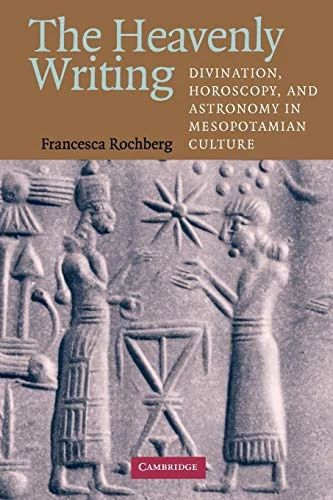
🏛 Books from this publisher Brill
All books from this publisher →

You might also like
See more →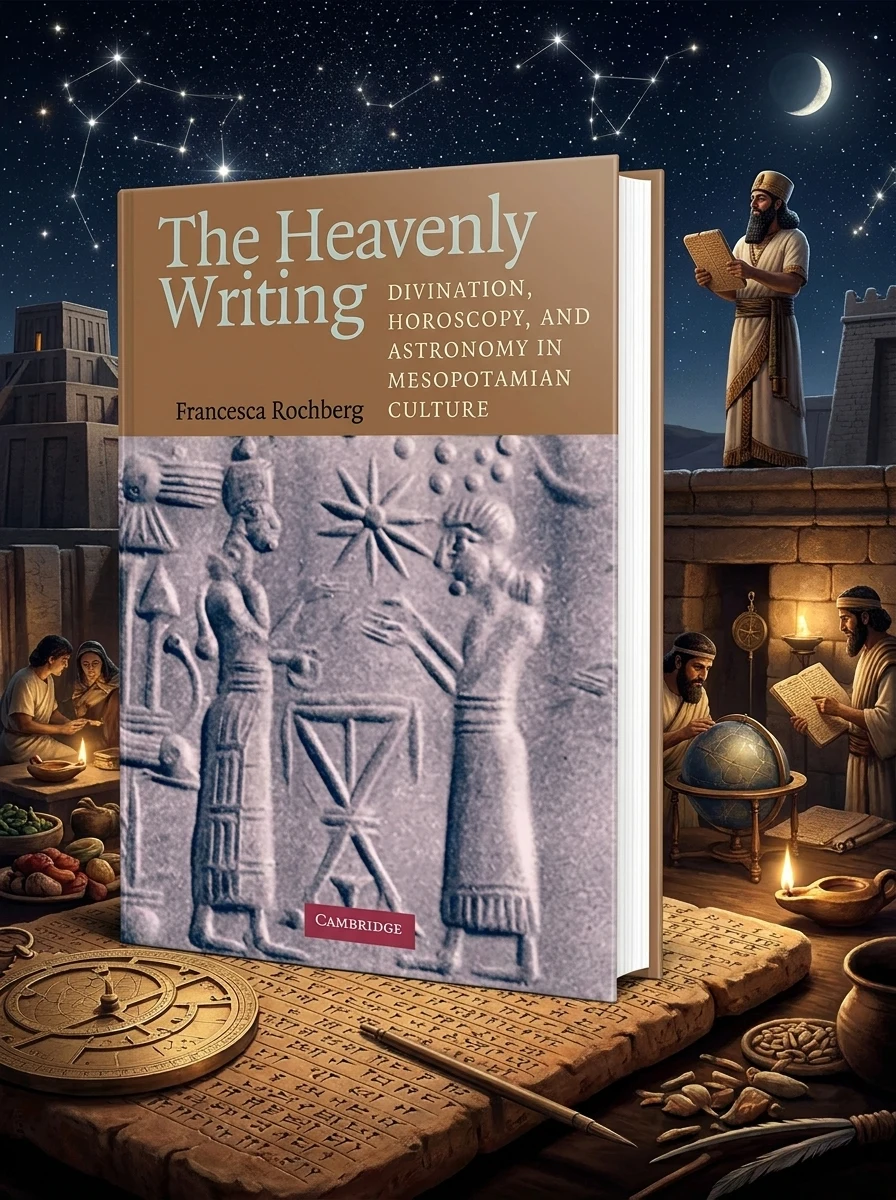


 85
85