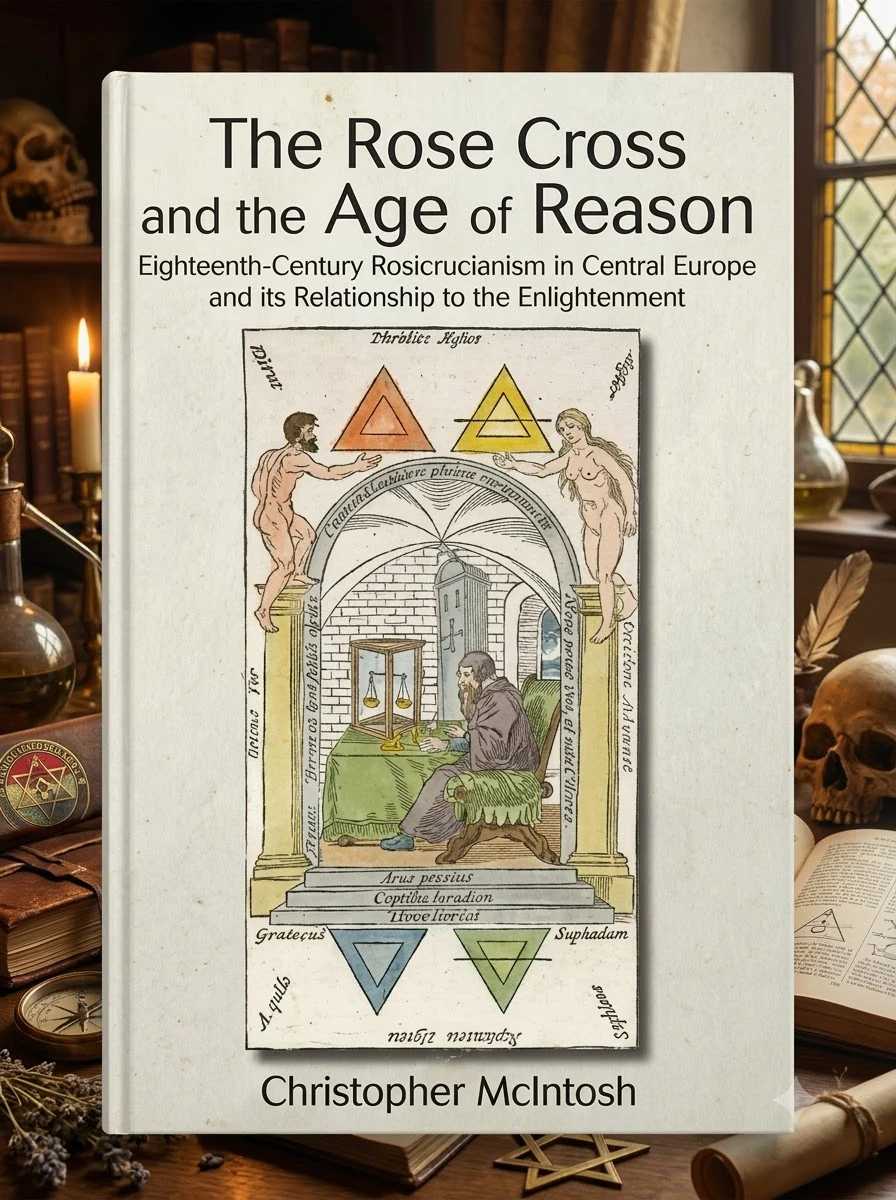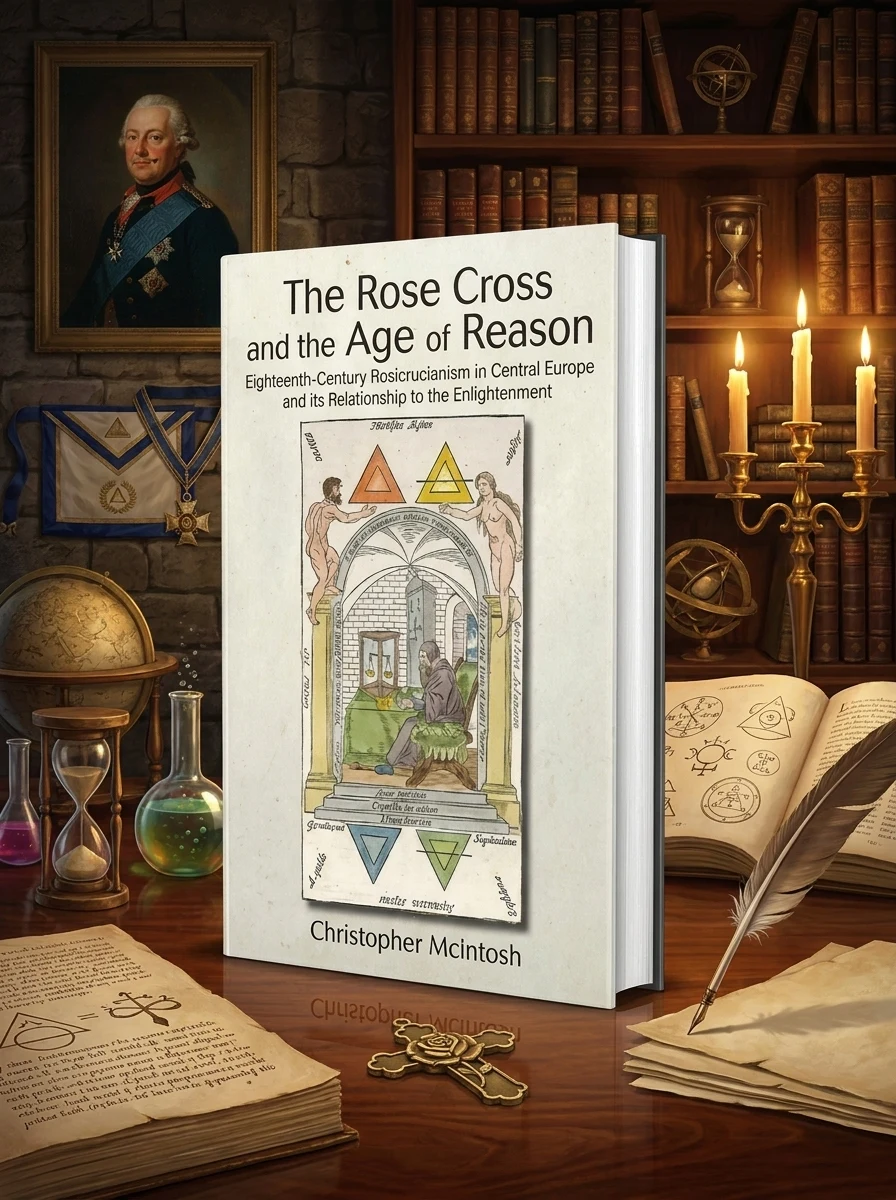
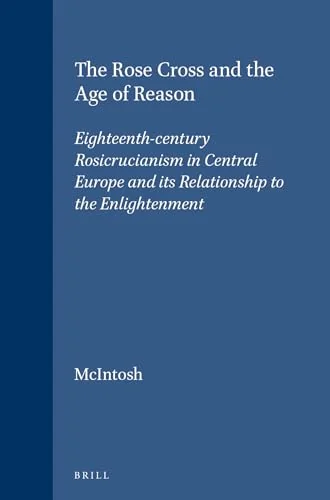
The Rose Cross and the Age of Reason: Eighteenth-Century Rosicrucianism in Central Europe and Its Relationship to the Enlightenment - Ingram Academic McIntosh, Christopher
✍️ McIntosh, ChristopherChristopher McIntosh's seminal work re-examines 18th-century German Rosicrucianism, positioning it not merely as a counterpoint to the Enlightenment but as a dynamic 'third force.' Drawing from Pietism, Freemasonry, Kabbalah, and alchemy, this esoteric tradition experienced a significant resurgence. McIntosh meticulously details its complex interactions with the era's rationalist philosophies, revealing how the Order of the Golden and Rosy Cross, in particular, wielded considerable, often underappreciated, influence over the cultural, political, and spiritual life of Central Europe. This is the first comprehensive study, utilizing previously untapped archival material.


📝 Description: The Rose Cross and the Age of Reason: Eighteenth-Century Rosicrucianism in Central Europe and Its Relationship to the Enlightenment - Ingram Academic McIntosh, Christopher
💎 Expert review
📖 Why choose it
Why this book is worth reading
Scholars and enthusiasts of occult history will find this text indispensable for its rigorous re-examination of German Rosicrucianism. McIntosh moves beyond viewing the tradition merely as a counterpoint to the Enlightenment, instead presenting it as a vital cultural current. Readers interested in how alchemy, Kabbalah, and Freemasonry converged will appreciate the detailed archival evidence. It offers a nuanced understanding of how these esoteric groups influenced political and spiritual life in Central Europe. For those seeking depth beyond surface-level mysticism, this comprehensive study provides essential context on the Order of the Golden and Rosy Cross.
⭐ Reader reviews
Reader rating
McIntosh delivers a meticulous academic analysis that is essential for specialists but may overwhelm casual readers. The text relies heavily on previously untapped archival material to reconstruct the influence of Rosicrucianism during the eighteenth century. While intellectually rigorous, it lacks narrative flair, making it less suitable for those seeking an engaging or accessible introduction to esoteric history. Readers expecting a straightforward spiritual guide or a simple historical overview may find the dense focus on cultural and political interactions tedious. It is best reserved for those specifically investigating the intellectual landscape of Central Europe.
❓ Frequently asked questions
📖 Who should read this
If you're drawn to the intricate dance between reason and mysticism, or curious about the hidden societies that shaped history, this book is essential. It's for those who seek to understand the intellectual undercurrents of the 18th century beyond conventional narratives.
🎯 Key themes and symbolism
Rosicrucian Revival
This book explores the fascinating re-emergence of Rosicrucian thought in 18th-century Germany. It delves into the diverse spiritual and philosophical currents—from Pietist fervor to alchemical speculation and Kabbalistic wisdom—that nourished this revival. McIntosh illustrates how these influences coalesced to form a distinct and potent esoteric movement, capturing the imaginations of many across Central Europe during a period of profound change.
Enlightenment Interaction
Challenging conventional historical narratives, McIntosh argues that 18th-century Rosicrucianism was not simply an opposing force to the Enlightenment. Instead, he presents it as a nuanced 'third force' that selectively engaged with, adapted, and sometimes resisted rationalist ideas. The book meticulously details these complex intellectual negotiations, providing a richer understanding of how esoteric and rationalist worldviews coexisted and influenced each other.
Historical Influence Unveiled
Focusing specifically on the Order of the Golden and Rosy Cross, the text unearths the profound yet often overlooked impact of this secret society. McIntosh utilizes previously unpublished documents to demonstrate its significant role in shaping the political, religious, and cultural spheres of its time. This research reveals how an esoteric order could exert such widespread influence, offering a fresh perspective on 18th-century European history.
📜 Historical context
📚 Glossary
- Rosicrucianism
- Enlightenment
- Pietism
📔 Questions to reflect on
- How does the concept of a 'third force' in history challenge your understanding of dominant intellectual movements, and what other historical periods might benefit from such a re-evaluation?
- Reflect on the interplay between rational inquiry and esoteric wisdom in your own worldview. Where do you see these forces converging or diverging in contemporary society?
- Considering the influence of the Golden and Rosy Cross, what modern 'hidden' or less-understood movements do you believe might be subtly shaping our current cultural or political landscape?