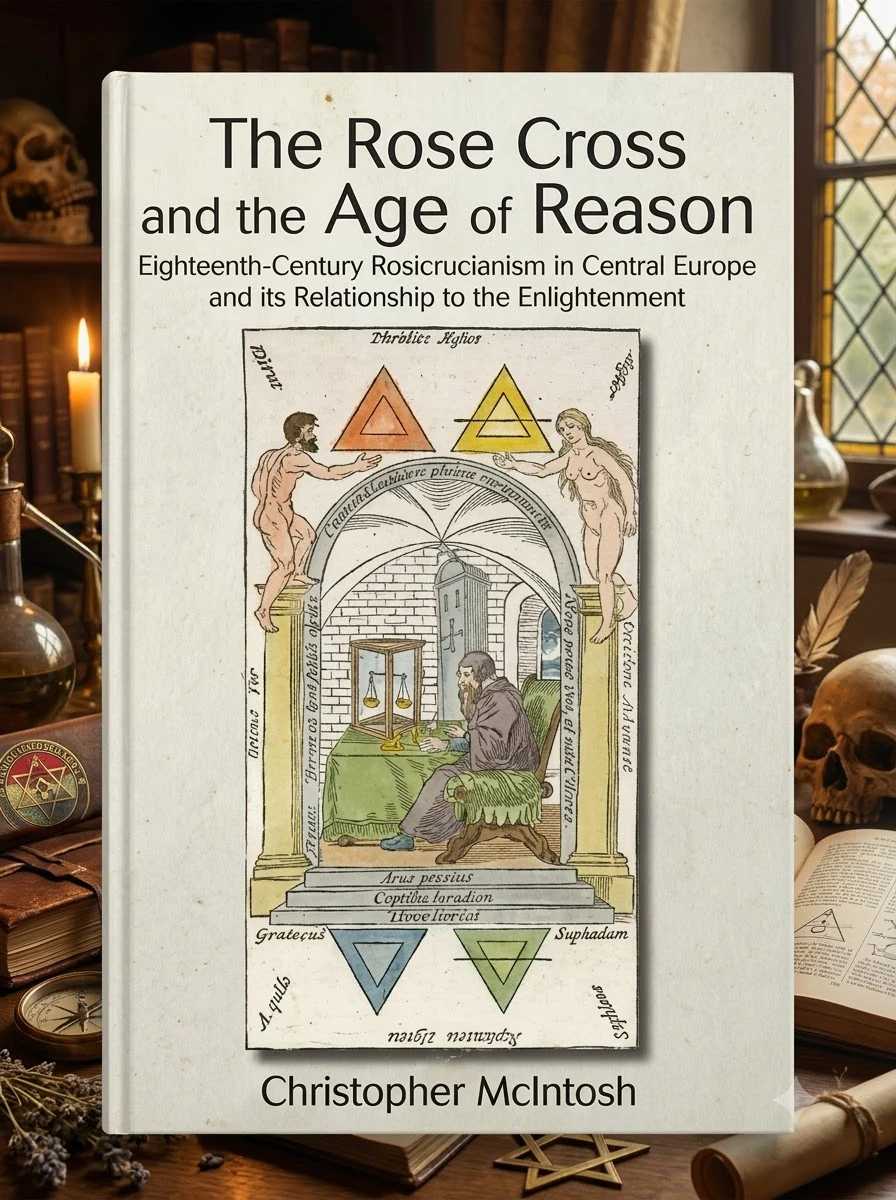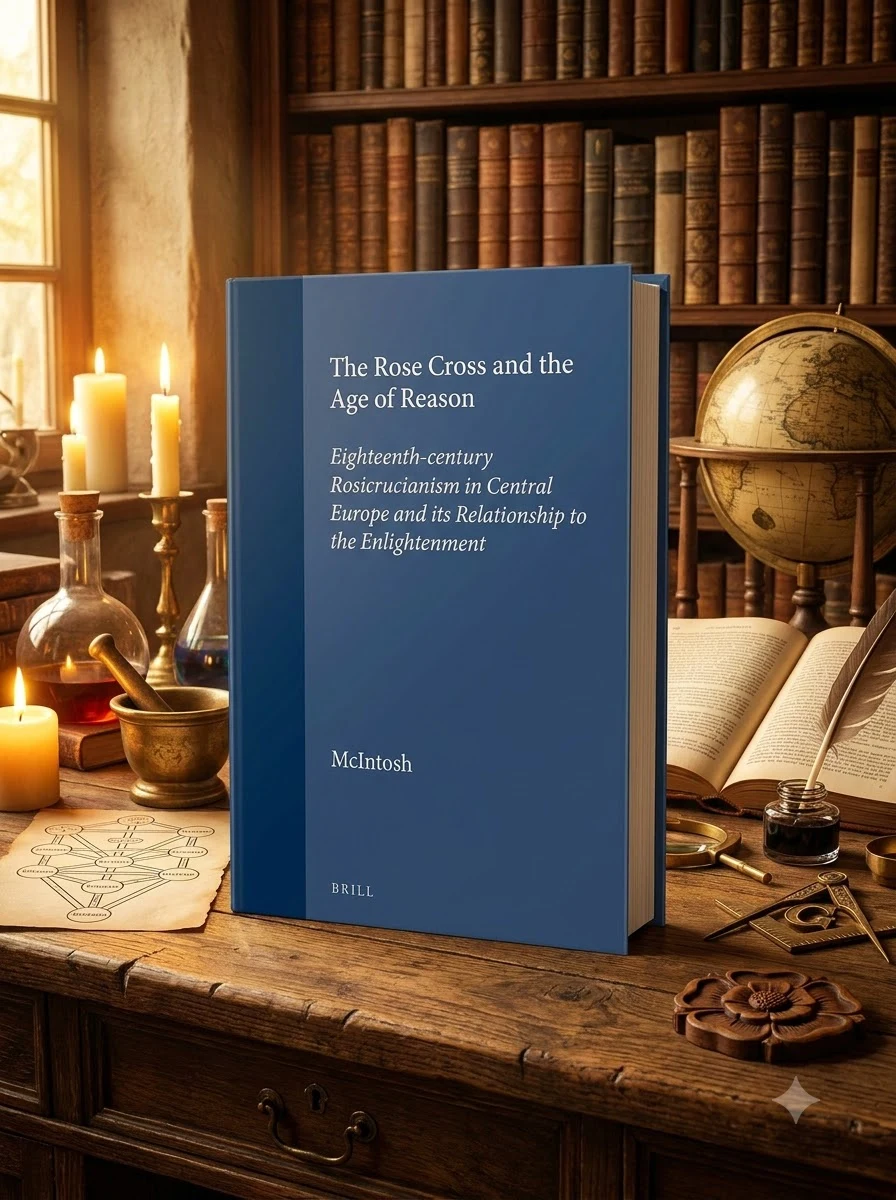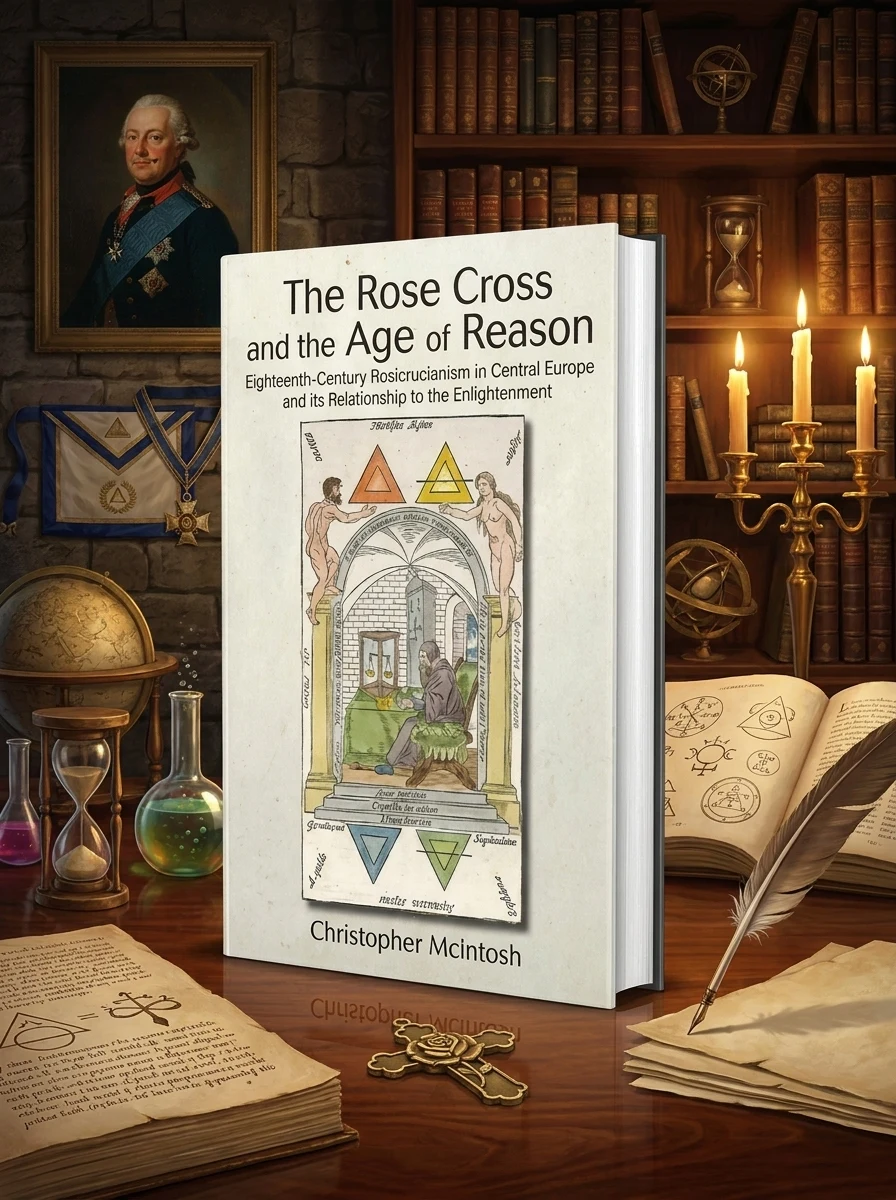
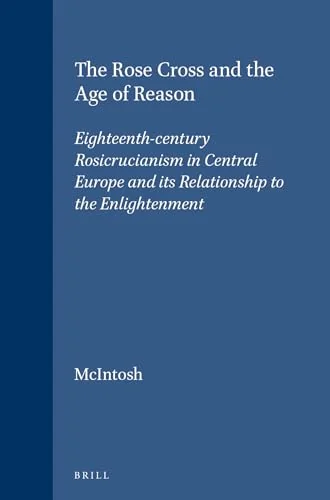
The Rose Cross and the Age of Reason: Eighteenth-Century Rosicrucianism in Central Europe and Its Relationship to the Enlightenment McIntosh, Christopher
McIntosh, Christopher

Stock reported in the catalog; fulfillment is confirmed with your request.
Uncover the hidden alchemy binding Rosicrucian mysticism to the Enlightenment's rational heart.
Christopher McIntosh shatters the myth that the Golden and Rosy Cross order merely opposed the Enlightenment. By mining rare German archives, he reveals a complex dance between mysticism and reason in eighteenth-century Central Europe. This seminal work details how the order recast Rosicrucian ideals, influencing political figures like Frederick William II. It traces the lineage of high-degree Masonry, showing how their rituals and alchemical practices laid the groundwork for later societies like the Golden Dawn. A vital correction to historical narratives, it proves these mystics were not anti-Enlightenment reactionaries but active participants in shaping modern esoteric thought through sophisticated symbolic systems.
This scholarly work sits at the intersection of eighteenth-century Central European history and esoteric studies, challenging traditional narratives by linking Rosicrucian mysticism with the Enlightenment. It explores how these seemingly opposing forces—rationalism and alchemical symbolism—interacted to shape modern occult thought.


📝 Description: The Rose Cross and the Age of Reason: Eighteenth-Century Rosicrucianism in Central Europe and Its Relationship to the Enlightenment McIntosh, Christopher
💎 Expert review
📖 Why choose it
Why this book is worth reading
This book is essential for historians of ideas and serious students of Western esotericism who wish to move beyond simplistic binaries. It offers a vital correction to the narrative that mystics were merely reactionary enemies of reason, revealing instead their active participation in shaping modern thought. Readers interested in the intellectual genealogy of high-degree Masonry and the Golden Dawn will find profound insights here. McIntosh’s meticulous archival work illuminates how alchemical practices and symbolic systems influenced political figures like Frederick William II. It is a rewarding read for those who appreciate nuanced historical analysis that bridges the gap between rationalist philosophy and occult tradition, providing a deeper understanding of the complex cultural currents of eighteenth-century Central Europe.
⭐ Reader reviews
Reader rating
I keep coming back to this one. A text you study rather than simply read. It assumes more background than a beginner might have. Still worth having on the shelf.
This edition finally does the material justice. There's real depth here that reveals itself on a second reading. A keeper.
Ordered this after seeing it referenced in another book I was studying. The ideas are old but land with surprising force today. Not a light read, but far more accessible than I feared. Some archaic spellings slow things down. Solid, if not essential.
McIntosh delivers a rigorous academic correction, proving Rosicrucians were not anti-Enlightenment reactionaries but sophisticated participants in shaping modern esoteric thought. The text is dense with archival evidence, making it a formidable read for casual enthusiasts seeking accessible mysticism or simple historical summaries. It does not suit readers looking for practical ritual instructions or those who prefer romanticized, myth-driven accounts of the Golden Dawn’s origins without historical grounding. However, for scholars and dedicated practitioners interested in the political and intellectual underpinnings of high-degree Masonry, this work is indispensable. It demands patience but rewards the reader with a clearer, more accurate picture of how mysticism and reason danced together in eighteenth-century Central Europe.
❓ Frequently asked questions
📖 Who should read this
Seekers interested in the intellectual roots of Western esotericism, historians of the Enlightenment, and those tracing the genealogy of modern ceremonial magic from its Germanic origins.
🎯 Key themes and symbolism
Rosicrucianism and Enlightenment synthesis
German esoteric political history
Masonic ritual lineage
💬 Quotes from the book
“The order recast the original Rosicrucian vision and gave it renewed vitality in the heart of the Enlightenment.”
“Historians have often perceived the Golden and Rosy Cross as having had a conservative, anti-Enlightenment agenda, but this study shows the matter was more complex.”
📜 Historical context
📚 Glossary
- Golden and Rosy Cross
- Illuminism
- Degree System
📔 Questions to reflect on
- How might the integration of mystical practice and rational inquiry challenge your current worldview?
- In what ways do secret societies still shape modern cultural narratives, much like the Golden and Rosy Cross did?
- Reflect on how political power and spiritual authority intersected in the eighteenth century. Do you see parallels today?
✍️ More books by this author McIntosh, Christopher
All books by this author →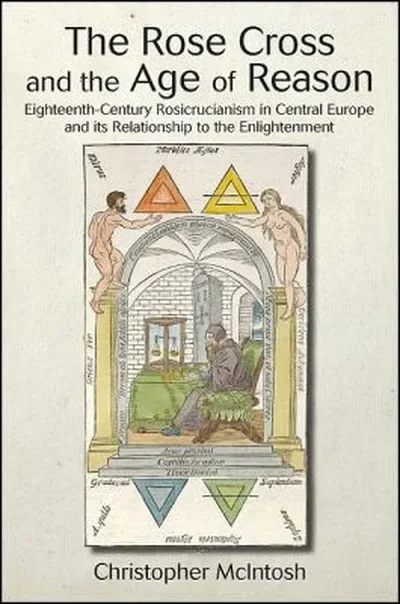
🏛 Books from this publisher State University of New York Press
All books from this publisher →
You might also like
See more →