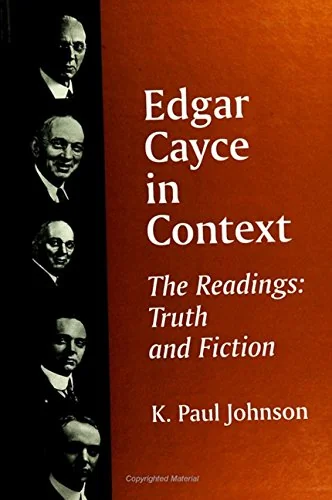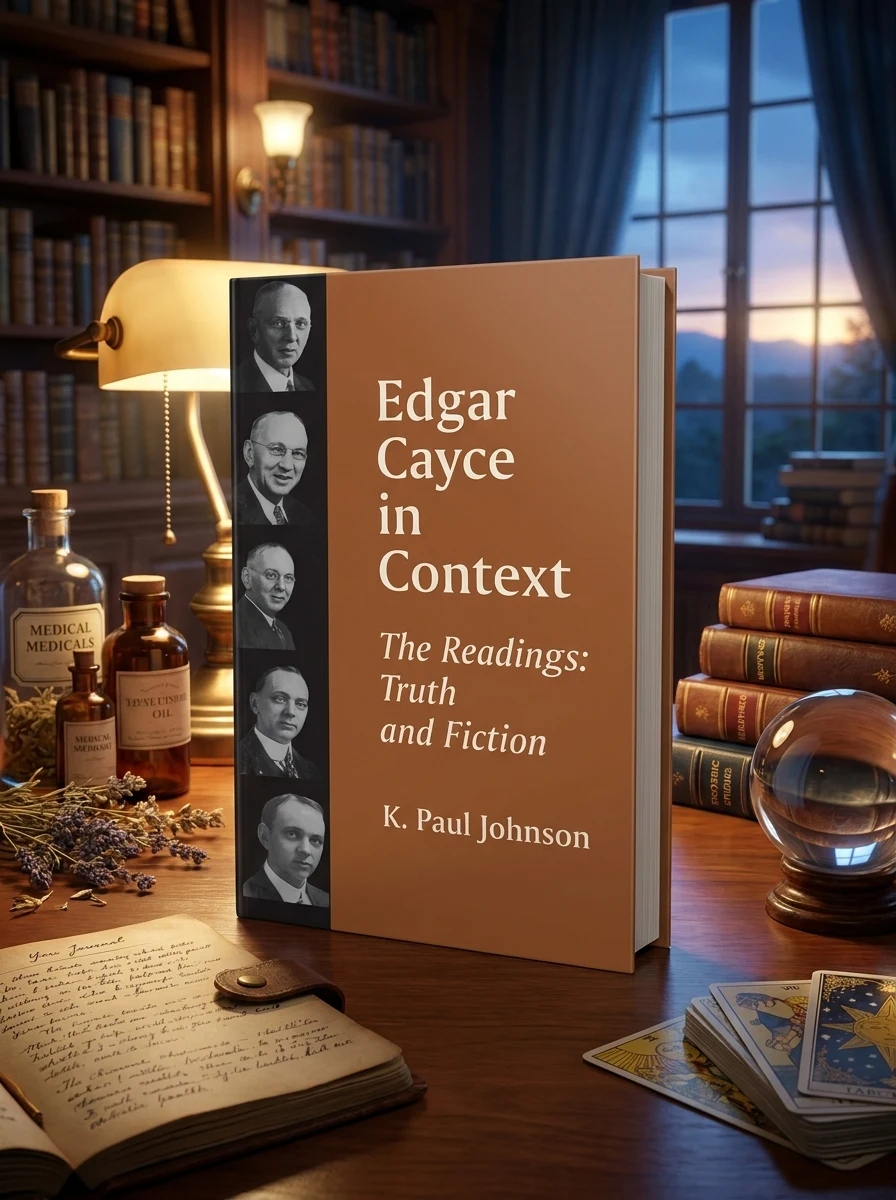
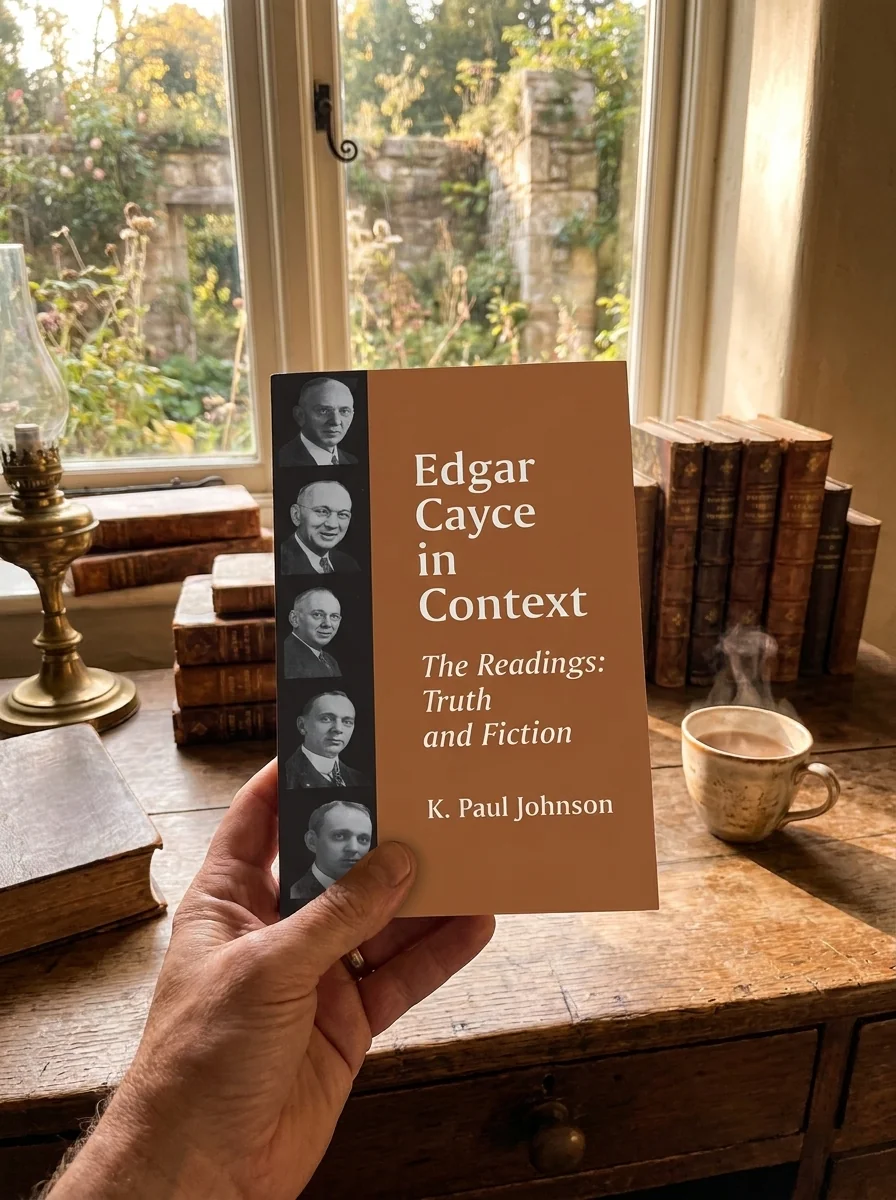
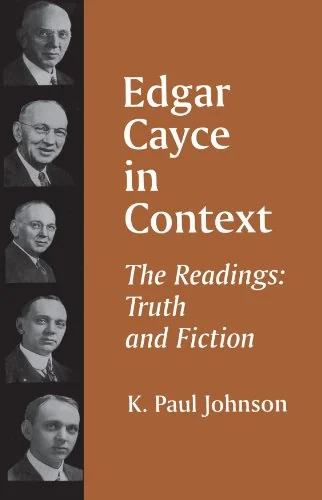
Edgar Cayce in Context: The Readings: Truth and Fiction Johnson, K Paul
✍️ Johnson, K PaulK. Paul Johnson’s insightful work meticulously appraises Edgar Cayce, a pivotal figure bridging 19th-century metaphysical movements with the burgeoning New Age. This volume delves into Cayce's extensive collection of over 14,000 trance readings, which spanned medical, theological, and psychological subjects. Johnson critically evaluates the accuracy and origins of Cayce's purported psychic insights, demonstrating how his advice often predated conventional understanding while also revealing limitations in his clairvoyant abilities. The book ultimately positions Cayce as a fascinating reconciler of spiritual traditions, shaped by both his unique gifts and the expectations of his era.


Praise for this book
“Edgar Cayce is caught between uncritical admirers and dogmatic skeptics. The scholarly world will benefit from this knowledgeable and even-handed treatment of Cayce. Johnson gives effective critiques of Cayce's thought as well as an in-depth exposition of it.”
📝 Description: Edgar Cayce in Context: The Readings: Truth and Fiction Johnson, K Paul
📑 What's inside
- List of Illustrations
- Acknowledgments
- Introduction
- 1. Holistic Health Advisor
- 2. Christian Theosopher
- 3. Clairvoyant Time Traveler
- 4. Esoteric Psychologist
- Notes
- Bibliography
- Index
💎 Expert review
📖 Why choose it
Why this book is worth reading
Readers fascinated by the intricate history of American mysticism and the evolution of holistic health will find this text indispensable. It offers a rigorous, critical appraisal of Cayce’s legacy, moving beyond mere hagiography to explore the complex truth behind the 'sleeping prophet.' By analyzing over fourteen thousand readings across medical and theological domains, the book helps enthusiasts understand how Cayce reconciled diverse spiritual traditions while acknowledging the limitations of his clairvoyant claims. It is essential for those seeking a balanced view that respects his insights into pre-conventional understanding without ignoring the fictional or exaggerated aspects of his public persona.
⭐ Reader reviews
Reader rating
Johnson provides a meticulous, albeit sometimes dry, examination of Cayce’s extensive archive, appealing primarily to scholars and serious occultists rather than casual readers. The text critically evaluates the accuracy of psychic insights, which may disappoint those seeking uncritical inspiration or simple validation of Cayce’s abilities. Readers looking for easy-to-digest anecdotes or purely spiritual comfort will likely find the rigorous appraisal of origins and limitations too analytical. However, for those interested in the sociological and historical context of mid-century metaphysical movements, this work offers a valuable, candid look at how myth and reality intertwined.
❓ Frequently asked questions
📖 Who should read this
If you're drawn to the intersection of mysticism, psychic phenomena, and intellectual history, and seek a critical yet comprehensive understanding of Edgar Cayce, this book is for you. It's ideal for students of esotericism and spiritual development.
🎯 Key themes and symbolism
Cayce's Esoteric Lineage
This book positions Edgar Cayce as a crucial transitional figure. It explores his role in evolving the esoteric and metaphysical traditions of the late 1800s, like Theosophy and New Thought, into the foundational concepts of the modern New Age movement. The author meticulously details how Cayce synthesized Protestant mysticism with these emerging spiritual philosophies.
Anatomy of the Readings
The core of Cayce's work, his 14,000+ trance discourses, are subjected to thorough analysis. Johnson categorizes and examines these 'readings' which addressed diverse concerns from health to history. The book scrutinizes their content, identifying instances where Cayce's medical and psychological recommendations were remarkably prescient, yet also noting where his insights proved fallible.
Assessing Psychic Accuracy
Johnson offers a balanced evaluation of Cayce's clairvoyant claims. He weighs evidence supporting Cayce's purported ESP, particularly in medical contexts, against instances where his 'time travel' insights faltered. A key argument is that the readings often reflected the knowledge and beliefs of the questioners as much as Cayce's own, challenging notions of pure, objective psychic reception.
📜 Historical context
📚 Glossary
- Clairvoyant
- New Age Movement
- Theosophy
📔 Questions to reflect on
- How does understanding the context of an alleged psychic's era influence our interpretation of their abilities or messages?
- Consider the idea that psychic information might reflect the inquirer's own subconscious as much as an external source. How does this alter your perception of channeled or trance readings?
- If Cayce's medical advice was 'ahead of his time,' what does this suggest about the boundaries of conventional knowledge versus intuitive insight?