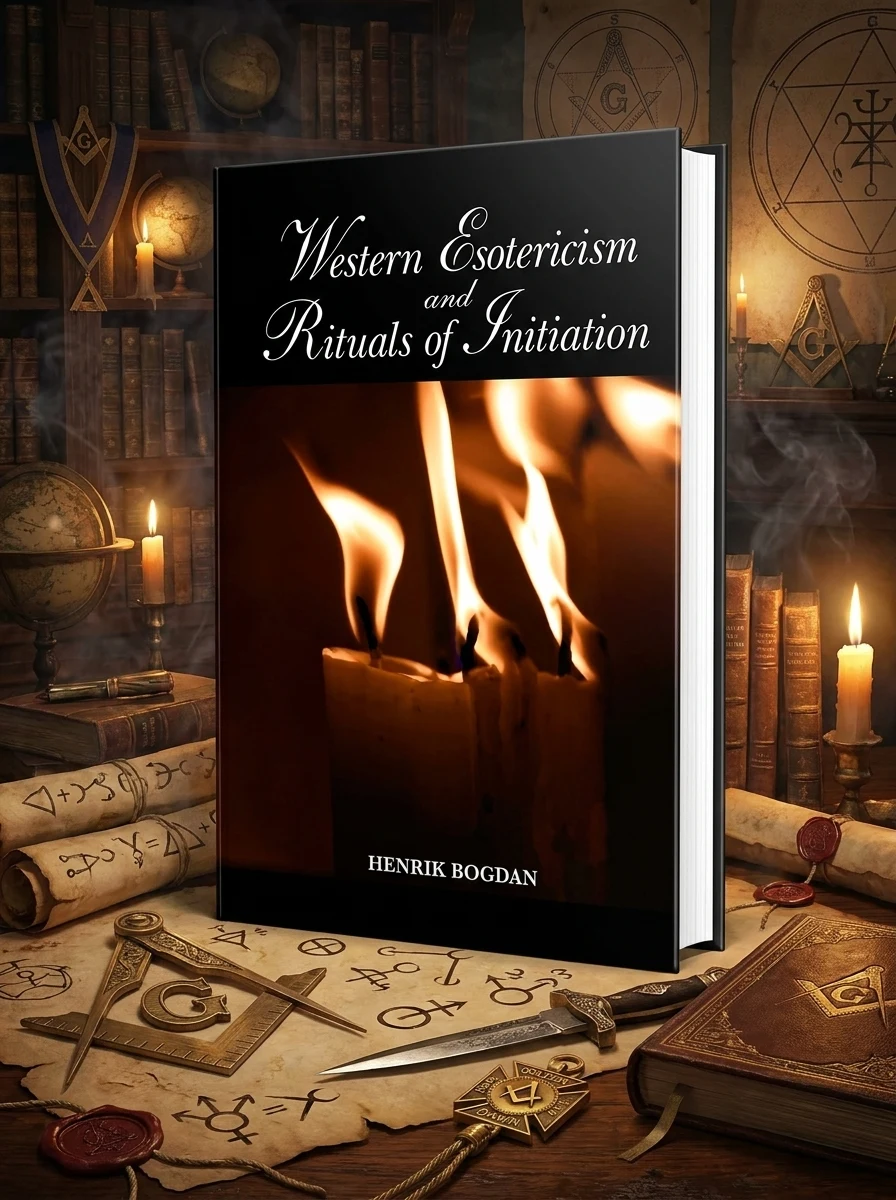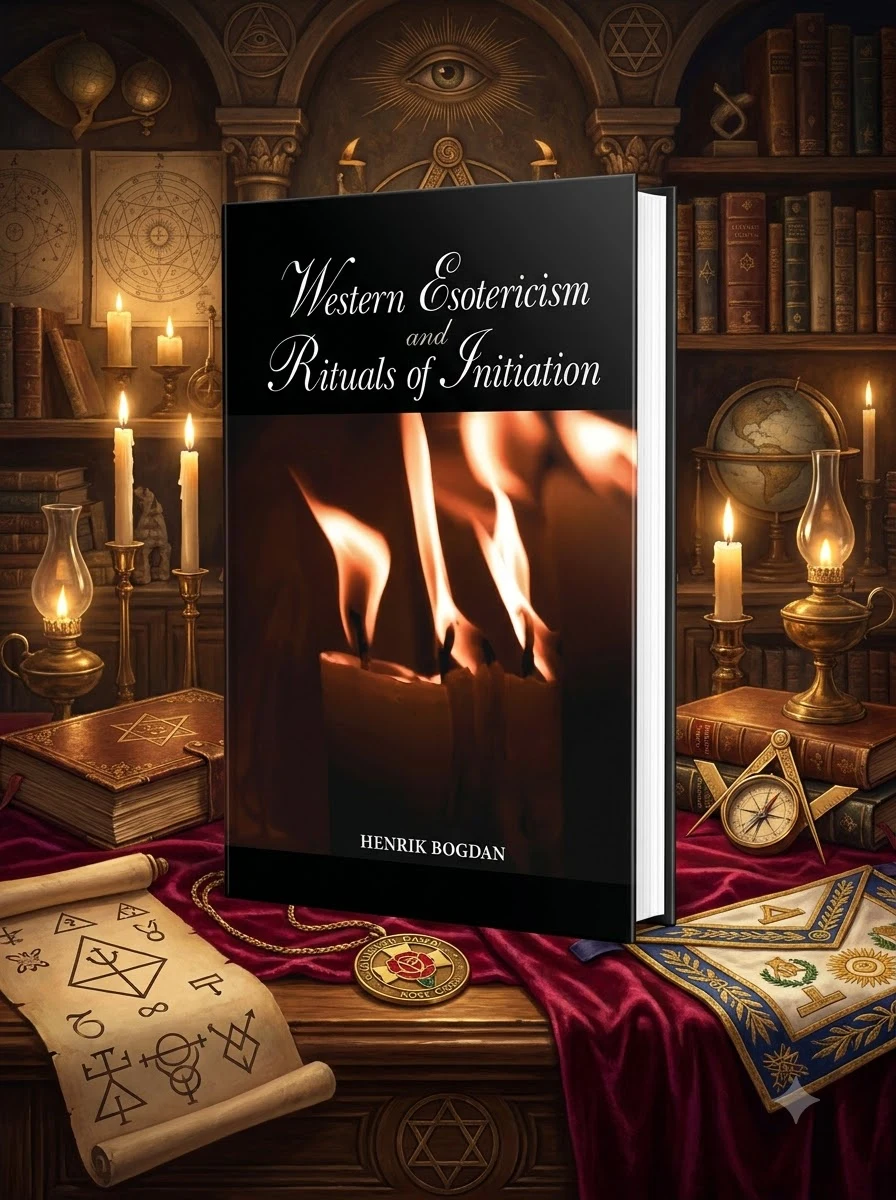
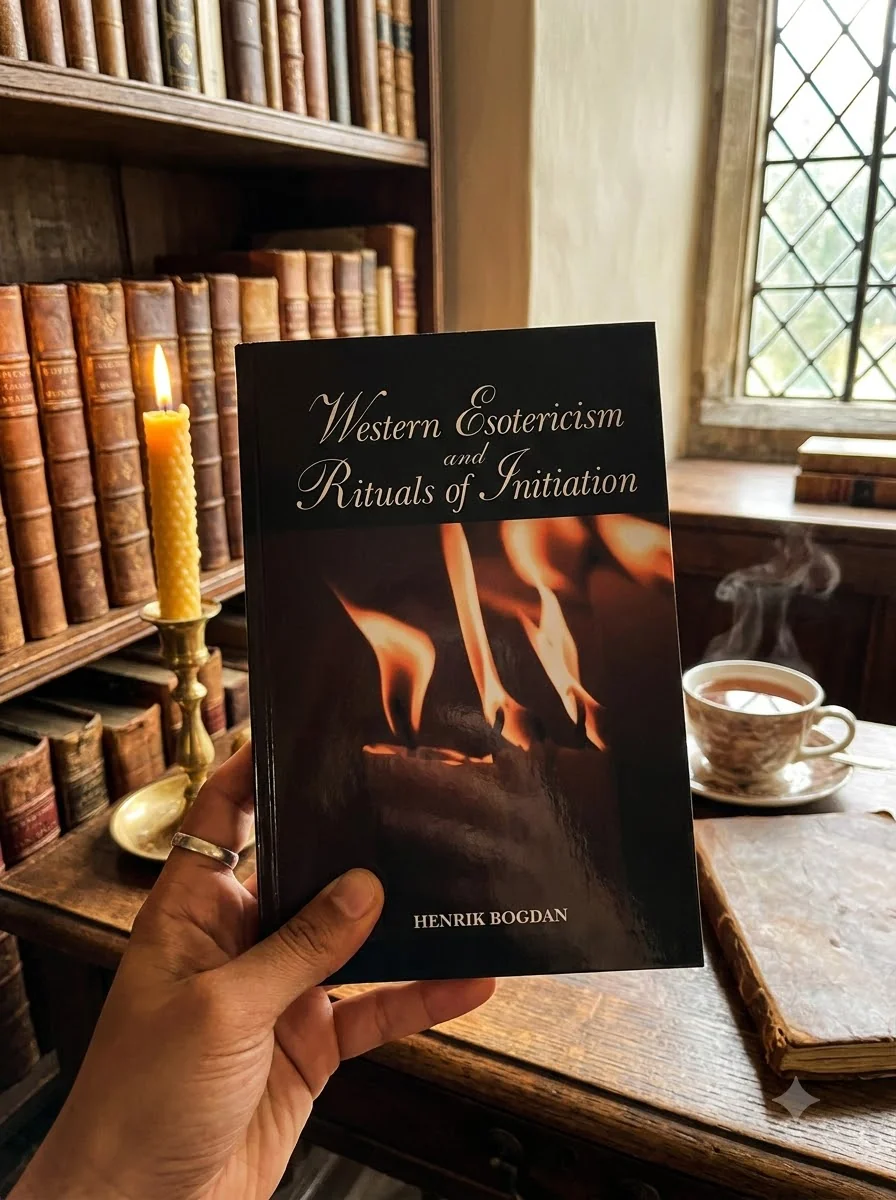
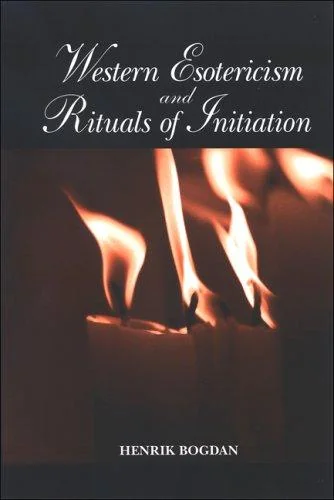
Western Esotericism and Rituals of Initiation Bogdan, Henrik
✍️ Bogdan, HenrikHenrik Bogdan meticulously traces the intricate historical development of Western initiation rituals, revealing their deep connections to esotericism. This compelling study begins with the foundational Craft degrees of Freemasonry, exploring their influence on subsequent Masonic High Degrees. Bogdan then extends his analysis to pivotal groups like the Hermetic Order of the Golden Dawn, a cornerstone of 19th-century occultism, and Gerald Gardner's mid-20th-century Witchcraft movement, a significant early example of Western esoteric new religious movements. It's an essential text for understanding how these practices shaped, and were shaped by, Western culture.


Praise for this book
“This is truly an original work on an important subject. The most significant thing is probably the definition of 'ritual.' The field of Western esotericism is a young one, and while some of its terminology is now a matter of common consent, ritual has never been subjected to scrutiny in this context.”
“Bogdan's book offers a useful brief primer on the history of Freemasonry and scholarship on Western esotericism, presenting considerable bibliographic information for interested scholars new to the fields. For that alone its value is assured. But Bodgan's work also illustrates important tensions within the study of Western esotericism and the connected field of Pagan Studies.”
“...Bogdan's book is a valuable contribution to the developing academic discipline of Western Esotericism and new religions ... this book will provide an important linguistic and historical step forward in a previously unrecognized field that appears to be--finally--coming into its own.”
📝 Description: Western Esotericism and Rituals of Initiation Bogdan, Henrik
📑 What's inside
- List of Tables Acknowledgments Introduction
- 1. Western Esotericism
- 2. Rituals of Initiation, Secret Societies, and Masonic Initiatory Societies
- 3. Historical Background
- 4. The Craft Degrees of Freemasonry
- The Emergence of Freemasonry Early Freemasonry and Western Esotericism The Pre-1730 Ritual Evidence The Master Mason Degree and the Ritual Enactment of the Hiramic Legend Concluding Remarks
- 5. High or Additional Degrees of Freemasonry
- Introduction Templar and Ecossais Rites Egyptian Rites "Esoteric" Freemasonry True Mason, or Académie des Vrais Maçons Concluding Remarks
- 6. The Hermetic Order of the Golden Dawn
- Introduction History A Note on Sources Description of the Neophyte Ritual Analysis of the Neophyte Ritual Concluding Remarks
- 7. Modern Pagan Witchcraft or Wicca
- 8. Conclusions
- Appendix Notes References Index
💎 Expert review
📖 Why choose it
Why this book is worth reading
Scholars and serious practitioners of Western esotericism will find immense value in this meticulous tracing of initiation rituals. Bogdan offers a rare, deep dive into how foundational Craft degrees influenced later Masonic High Degrees, providing essential context for understanding the Hermetic Order of the Golden Dawn's pivotal role in nineteenth-century occultism. Readers interested in Gerald Gardner’s mid-twentieth-century Witchcraft movement will appreciate seeing it framed as a significant early example of new religious movements. This text is indispensable for anyone seeking to understand how these secret practices have shaped, and been shaped by, broader Western culture over centuries.
⭐ Reader reviews
Reader rating
Bogdan delivers a compelling, intricate historical analysis that maps the esoteric heart of initiation rites with academic precision. However, readers seeking practical magical instruction or sensationalist tales of secret societies will find this dry and overly theoretical. It is not for casual hobbyists but for those ready to engage with dense historical connections between Freemasonry, Golden Dawn rituals, and Gardnerian Witchcraft. The book demands patience and a scholarly mindset, rewarding the diligent reader with profound insights into how these traditions evolved together rather than in isolation.
❓ Frequently asked questions
📖 Who should read this
If you're fascinated by the hidden histories of secret societies, the esoteric roots of Western culture, or the evolution of spiritual practices, this book offers an unparalleled scholarly perspective. It's perfect for students of religious studies, history, or anyone curious about the mechanics of occult initiation.
🎯 Key themes and symbolism
Historical Evolution of Rituals
Bogdan offers a chronological exploration, beginning with the foundational structures of Freemasonry's Craft degrees and demonstrating how these blueprints informed and inspired later, more complex initiatory systems. He meticulously charts the adaptations and reinterpretations across different historical periods and esoteric movements, highlighting both continuity and innovation in ritual practice over three centuries.
Esotericism and Initiation
This work illuminates the profound symbiotic relationship between Western esotericism and the practice of initiation. Bogdan argues that these rituals are not merely ceremonial but serve as crucial vehicles for transmitting esoteric knowledge, symbolism, and spiritual transformation. He shows how esoteric worldviews are embodied and enacted through structured initiatory experiences, shaping both individual and collective spiritual paths.
Key Esoteric Traditions
The book provides in-depth case studies of seminal esoteric organizations, including the development of Masonic High Degrees beyond basic Craft lodges. It thoroughly examines the Hermetic Order of the Golden Dawn, a highly influential occult society, and delves into Gerald Gardner's Witchcraft, positioning it as a significant modern esoteric movement. This comparative analysis reveals shared patterns and unique expressions across diverse traditions.
📜 Historical context
📚 Glossary
- Freemasonry
- Western Esotericism
- Initiation Ritual
📔 Questions to reflect on
- How do the initiation rituals discussed in the book reflect broader cultural shifts and societal anxieties of their respective eras?
- Consider how the 'blueprints' of early Masonic rituals might still influence contemporary spiritual or fraternal groups, even outside of direct lineage.
- Reflect on the difference between an academic understanding of initiation rituals and a lived, experiential understanding. What are the limitations and benefits of each perspective?