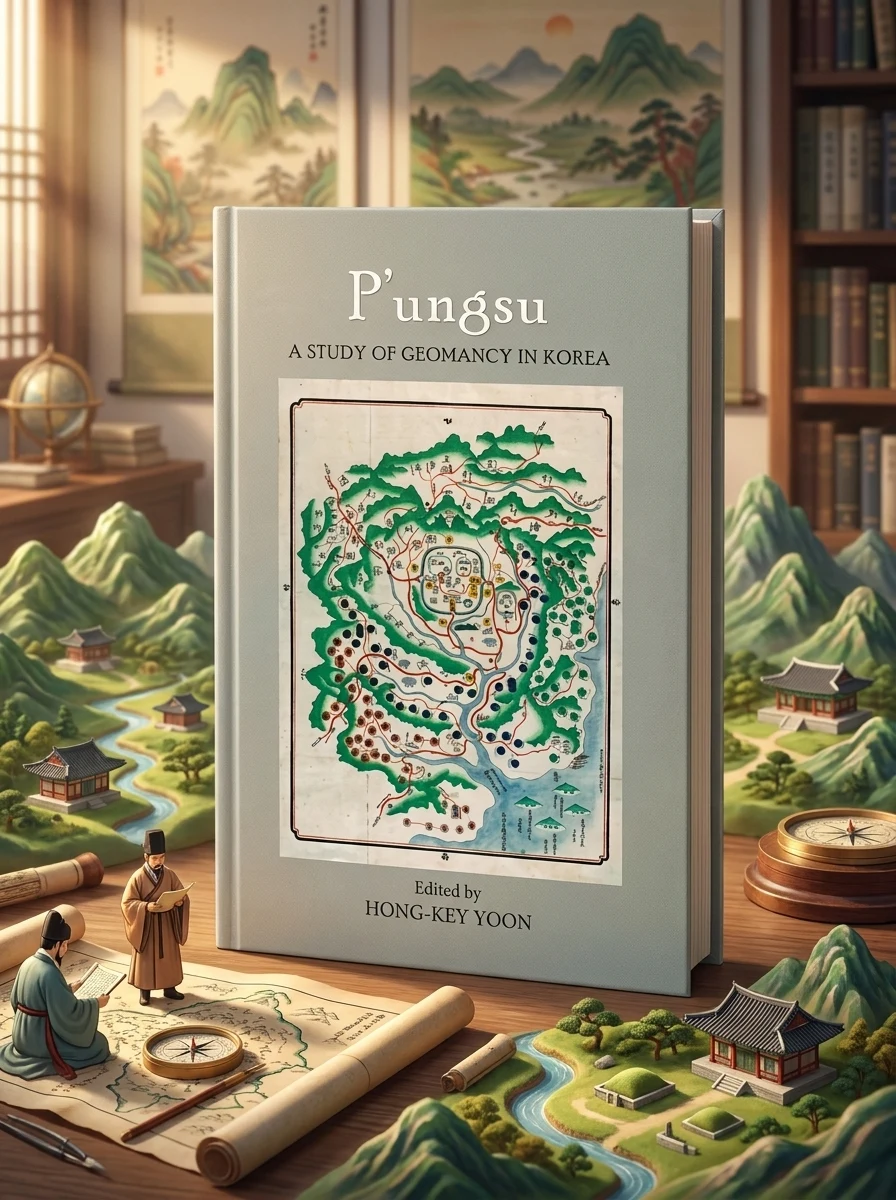
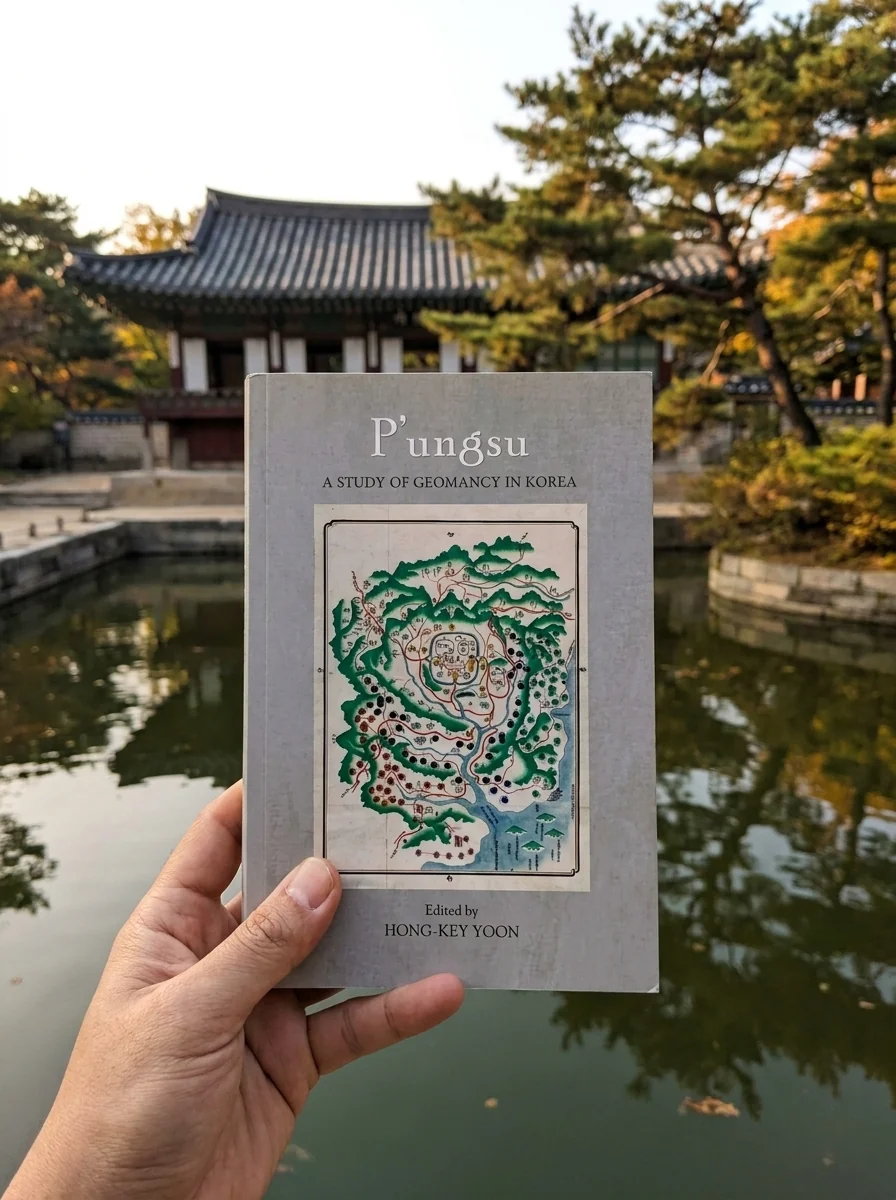
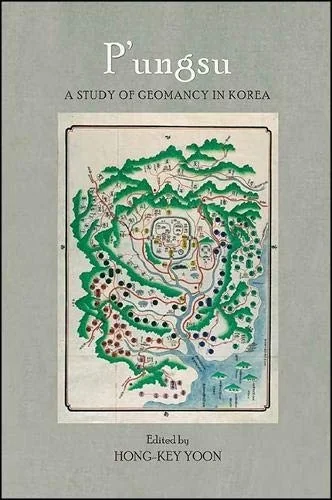
P'Ungsu: A Study of Geomancy in Korea
✍️ Yoon, Hong-KeyCurrently unavailable
This book is sold out right now. Leave your email — we'll let you know if it comes back, and you'll get 10% off any book today.
In stock now — readers of this book also loved:



This groundbreaking volume meticulously investigates *p'ungsu*, the Korean tradition of geomancy, revealing its profound influence on the nation's culture and environment. Unlike practical guides, it offers a rigorous academic exploration, drawing insights from diverse fields like geography, history, and religious studies. Author Yoon Hong-Key masterfully documents both historical and contemporary practices, illuminating the sophisticated ecological principles embedded within this ancient art. It's an essential resource for understanding how the land shapes identity and belief in Korea, offering a fresh perspective on a complex spiritual science.


Praise for this book
“The book is the product of an ambitious project that brought the seven authors together over a series of four workshops between 2009 and 2011 with ample opportunity to consult with each other and with the editor. Yoon himself has written more than half of the chapters yet he has also invited an array of distinctive specialist projects beyond the scope of a single scholar.”
“...a rich reading and learning experience ... I highly recommend reading P'ungsu as an appropriate introduction to the traditional theories and practices of East Asian geomancy.”
“...the book is a substantial, well-edited, and scholarly sound collection, which will be the chief reference on p'ungsu for years to come.”
📝 Description: P'Ungsu: A Study of Geomancy in Korea
📑 What's inside
- List of Figures and Tables Acknowledgments
- PART I. Toward a History of Geomancy in Korea An Overview of Its Development
- 1. Introduction: Historical and Cultural Studies of Geomancy in Korea Hong-key Yoon
- 2. The Eight Periods in the History of Korean Geomancy Hong-key Yoon
- 3. Geomancy and Major Social Upheavals (Armed Uprisings) in the History of Korea Hong-key Yoon
- 1 The Myoch'ŏng Rebellion 2 The Hong Kyŏngnae Rebellion 3 Chŏn Pongjun and the Tonghak Peasants' Movement 4 Summary Remarks on Geomancy and Social Upheavals
- 5. A Glimpse of Environmental Management through Geomancy in Korean History Hong-key Yoon
- 6. Principal Characteristics of Korean Geomancy Hong-key Yoon
- 7. Geomantic Practices of Water Acquisition and Management during the Chosŏn Dynasty Dowon Lee
- 1 Background 2 Acquisition and Management of Water Resources 3 Conclusions
- 8. Geomantic Folk Narratives on the Bamboo Groves in Chinju City: Landscape as a Sign of Geomantic and Confucian Ideology Kim Duk Hyun
- 9. Geomancy and Traditional Architecture during the Chosŏn Dynasty In-choul Zho
- 1 Introduction 2 Characteristics of Traditional Korean Architecture and Geomancy 3 Conclusion
- 10. Geomantic Aesthetics in a Traditional Korean Garden: With Reference to Kosan Yun Sŏndo's Garden Jongsang Sung
- 11. Geomantic Landscape of a Sailing Boat: An Examination of Cultural Ecological Links Hong-key Yoon
- 12. Geomantic Modification of Landforms: The Idea of Chosan Pibo Hong-key Yoon
- 13. Geomancy and Psychology: A Psychological Analysis of Geomancy Cheol Joong Kang
- 1 The Significance of a Psychological Study of Geomancy 2 Symbol and Psyche 3 Psychological Aspects of Auspicious Places 4 Reflective Remarks on a Psychological Analysis of Geomancy 5 Conclusion
- 14. Geomancy and Buddhism: An Examination of the Interaction during the Koryŏ Period Won-suk Choi
- 15. Geomantic Discourses of the Chosŏn Confucian Literati Hwa Lee
- 17. Concluding Remarks and Reflections Hong-key Yoon References List of Contributors Index
💎 Expert review
📖 Why choose it
Why this book is worth reading
Scholars and practitioners interested in the deep ecological roots of Korean identity will find immense value in this rigorous academic exploration. Yoon Hong-Key provides a fresh perspective on how ancient spiritual sciences continue to shape national culture and environment. By documenting both historical and contemporary practices through diverse disciplinary lenses, the book offers essential insights into the forces that have guided Korea's destiny. It is particularly rewarding for those seeking to understand the complex intersection of land, belief, and identity without relying on superficial practical advice.
⭐ Reader reviews
Reader rating
This groundbreaking volume meticulously investigates p'ungsu, revealing its profound influence on Korea’s culture through geography, history, and religious studies. Yoon masterfully illuminates sophisticated ecological principles embedded in this ancient art. However, readers seeking a hands-on manual for arranging furniture or selecting burial sites will be disappointed. This is not a practical guide but a scholarly examination of a complex spiritual science. It demands patience from those expecting accessible, everyday application, serving instead as an essential resource for understanding how land shapes identity and belief in a rigorous, academic context.
❓ Frequently asked questions
📖 Who should read this
For scholars, students, or curious minds fascinated by the intricate relationship between culture, environment, and spirituality, this book offers profound insights. If you seek an academically informed understanding of geomancy's enduring legacy in Korea, beyond practical guides, this is your definitive resource.
🎯 Key themes and symbolism
Interdisciplinary Insight into P'ungsu
This work stands out for its unique blend of perspectives, integrating disciplines from environmental science to psychoanalysis. It offers a holistic understanding of *p'ungsu* by examining its facets through the lenses of geography, history, architecture, and religious studies, providing a comprehensive scholarly view rarely seen in this field.
Korean Cultural Landscape
The book delves into how *p'ungsu* has profoundly shaped Korea's physical environment and social structures. It illustrates the pervasive influence of auspicious site selection on everything from urban planning to individual dwellings, demonstrating geomancy's integral role in the Korean identity and its manifestation across centuries.
Ecological Wisdom of Geomancy
Beyond mere superstition, this study uncovers the deep ecological understanding inherent in Korean geomantic traditions. Readers will appreciate how *p'ungsu* embodies ancient principles of environmental harmony and sustainability, offering insights into how traditional beliefs often contain sophisticated knowledge about living in balance with nature.
📜 Historical context
📚 Glossary
- P'ungsu
- Geomancy
- Fengshui
📔 Questions to reflect on
- How might understanding local geomantic traditions alter your perception of built environments in your own culture?
- Consider a place significant to you. How do its natural features or historical context align with, or diverge from, geomantic principles described in the book?
- If traditional ecological knowledge, like *p'ungsu*, were more widely integrated into modern planning, what societal or environmental changes might occur?
📖 Read on the blog
✍️ More books by this author Yoon, Hong-Key
All books by this author →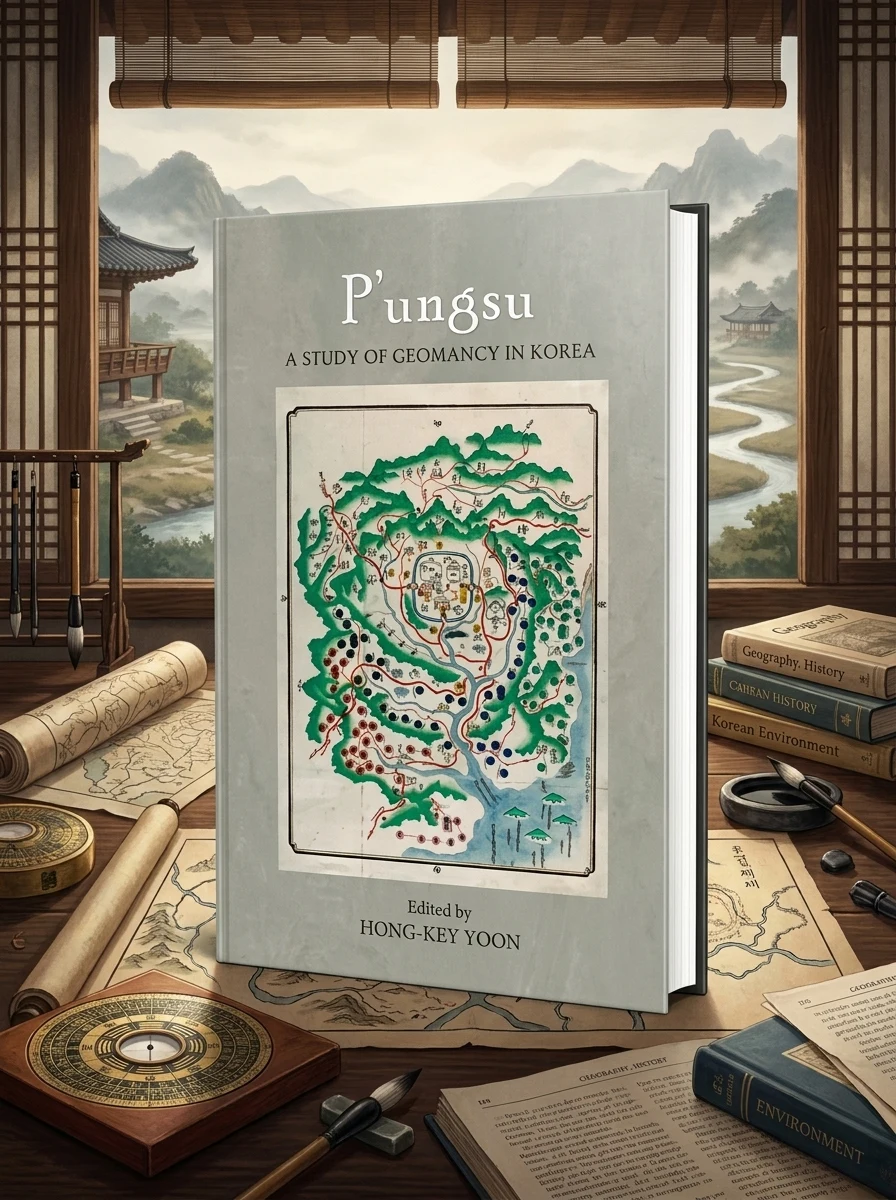
🏛 Books from this publisher State University of New York Press
All books from this publisher →


You might also like
See more →

Have a question about this item?
Ask about the edition, condition, delivery or anything else — we reply by email or phone, usually within a day.
