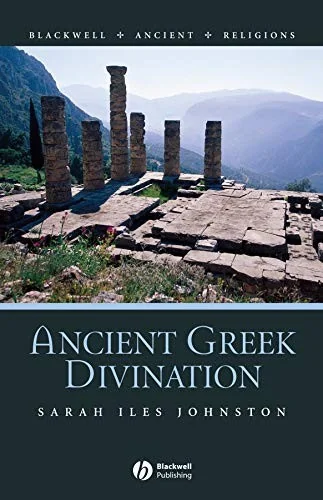
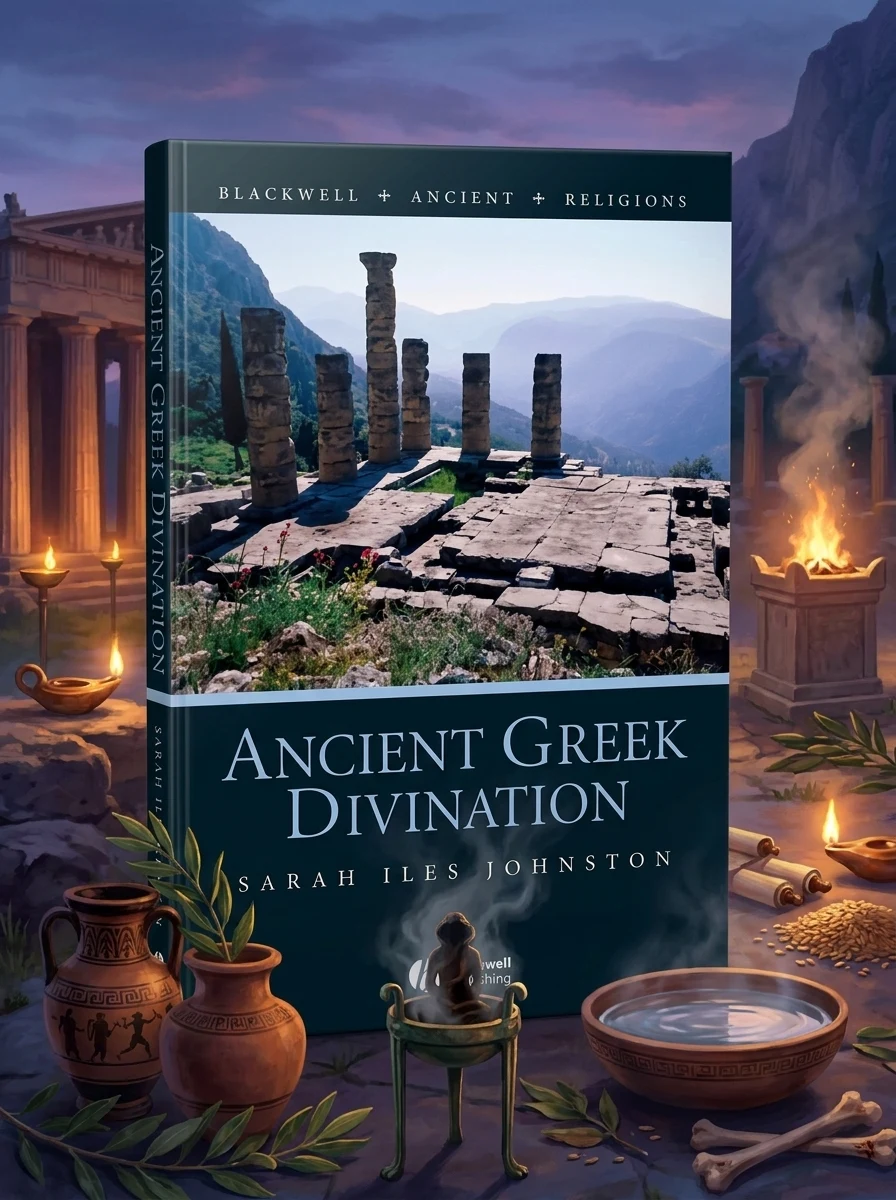
Ancient Greek Divination
✍️ Johnston, Sarah IlesA scholarly survey of ancient Greek methods for seeking divine counsel.
Johnston draws on her extensive background, including previous works like Hekate Soteira and Restless Dead, to analyze the mechanics of ancient prophecy. The book covers the period of ancient Greece and looks at how individuals interacted with the divine. It includes sections on why divination was practiced and lists figures and abbreviations for reference. The author also co-authored Ritual Texts for the Afterlife with Fritz Graf, adding depth to her expertise in ritual texts. This work connects mythological concepts with historical religious practices found in the ancient world.
This book sits within the study of Ancient Greek history and Religion History. It addresses Mind, Body, Spirit topics related to Divination. The work is published by Wiley-Blackwell and targets readers interested in the historical context of ancient spiritual practices and their societal role.


📝 Description: Ancient Greek Divination
📑 What's inside
- List of Figures
- Acknowledgments
- List of Abbreviations
- 1. Why Divination?
- 2. The Divine Experience Part One: Delphi and Dodona
- 3. The Divine Experience Part Two: Claros, Didyma and Others
- 4. Freelance Divination: The Mantis
- 5. The Mantis and the Magician
- Index Locorum
- Subject Index
💎 Expert review
📖 Why choose it
Why this book is worth reading
This book is an essential resource for those deeply interested in the spiritual landscape of antiquity and the enduring human quest for foresight. Readers who appreciate the intricate systems and beliefs underpinning Greek attempts to decipher the will of the deities will find immense value here. It serves as a comprehensive survey that meticulously details how the Hellenic world sought divine guidance, making it ideal for scholars, practitioners of esoteric traditions, and anyone curious about the profound methods used to converse with gods. By exploring everything from oracle murmurs to bird flights, it offers unparalleled insight into ancient divination.
⭐ Reader reviews
Reader rating
Sarah Iles Johnston provides a seminal, comprehensive English-language survey of ancient divinatory practices, making this a vital academic resource. The work meticulously illuminates the diverse methods used by Greeks to seek divine guidance, offering an unparalleled exploration of the era's spiritual landscape. However, this text is not suited for casual readers seeking quick, entertaining anecdotes or simplified summaries. It requires patience and a serious interest in historical analysis rather than practical instruction. Those looking for modern tarot interpretations or easy-to-digest myths will find this dense scholarly approach inaccessible. It is strictly for those ready to engage with the complex, intricate systems that underpinned ancient religious life.
❓ Frequently asked questions
📖 Who should read this
If you're fascinated by the intersection of history, religion, and the human desire for insight, this book is for you. Scholars of ancient Greece, students of comparative religion, and anyone curious about the roots of esoteric practices will find it indispensable.
🎯 Key themes and symbolism
Divine Consultation Methods
This book meticulously catalogues the vast array of techniques ancient Greeks employed to solicit divine wisdom. Readers will discover everything from omens gleaned from sacrifices and celestial observations to the profound pronouncements of oracular sites, providing a holistic view of their varied approaches to prophecy and fate.
Theology of Prophecy
Beyond mere techniques, Johnston delves into the theological underpinnings of Greek divination. She explores how these practices shaped their understanding of the gods' involvement in human affairs, the nature of fate, and the moral implications of interpreting divine messages within their polytheistic framework.
Cultural Significance of Divination
The text reveals how prophecy was not a fringe activity but a central pillar of ancient Greek society, influencing decisions from personal matters to statecraft and warfare. It contextualizes divination within daily life, demonstrating its pervasive impact on political, social, and religious structures of the era.
📜 Historical context
📚 Glossary
- Mantike
- Oracle
- Augury
📔 Questions to reflect on
- Reflect on a time you sought guidance from a source beyond conventional wisdom. How does this compare to the ancient Greek impulse for divine consultation?
- Consider how a pervasive belief in omens and prophecies might shape a society's ethical decisions or political landscape. What are the potential benefits and drawbacks?
- If you could consult an ancient Greek oracle about a contemporary issue, what question would you ask, and what form of answer would you hope to receive?
📖 Read on the blog
📖 From the series “Blackwell Ancient Religions”
All books in the series →


✍️ More books by this author Johnston, Sarah Iles
All books by this author →
🏛 Books from this publisher Wiley-Blackwell
All books from this publisher →

You might also like
See more →

Have a question about this item?
Ask about the edition, condition, delivery or anything else — we reply by email or phone, usually within a day.
