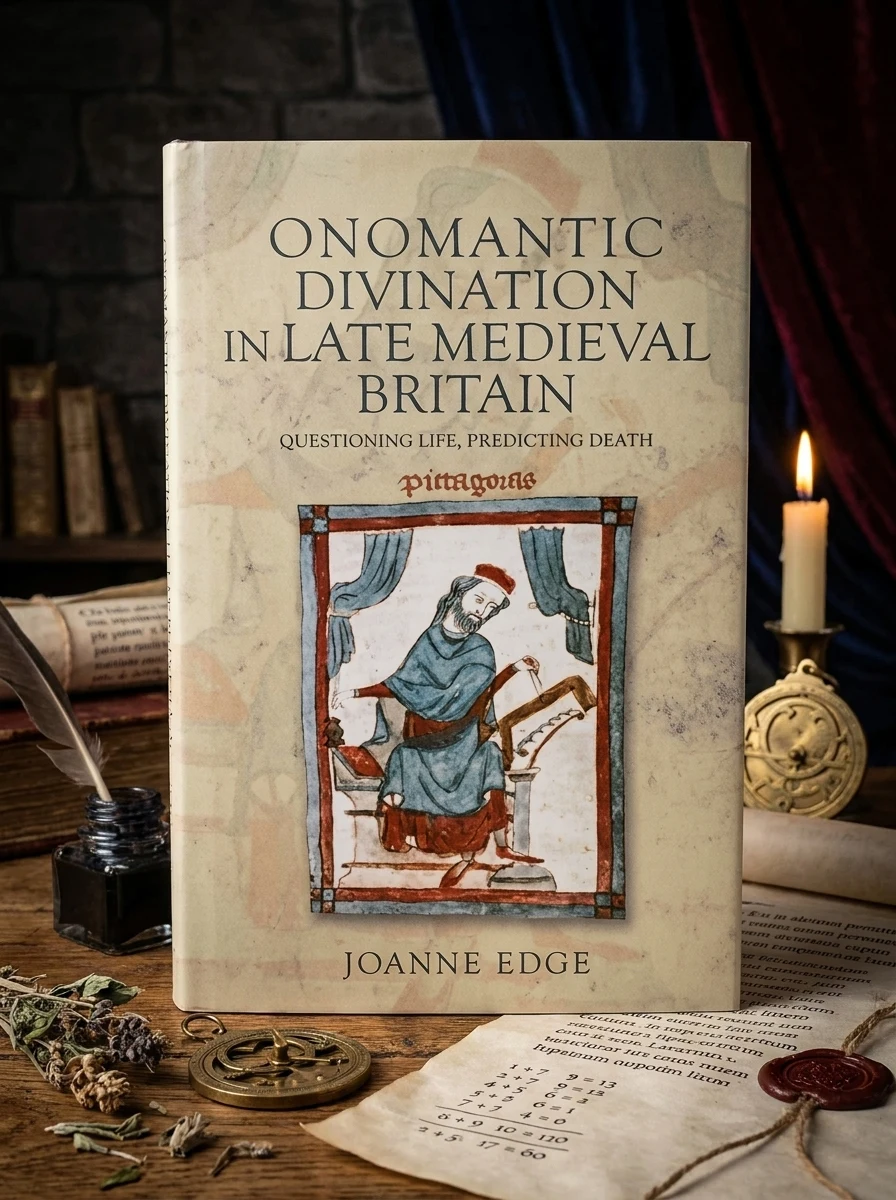
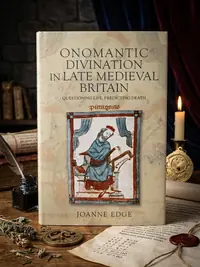
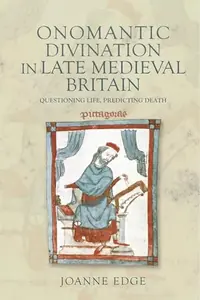
Onomantic Divination in Late Medieval Britain: Questioning Life, Predicting Death - Ingram Academic Edge, Joanne
 84
84
 Editorial score
How we rate
Editorial score
How we rate
Stock reported in the catalog; fulfillment is confirmed with your request.
Uncover medieval secrets of destiny, revealed through the hidden power of names.
Delve into the intriguing world of late medieval British onomancy, a surprisingly widespread form of divination that sought answers to life's profound questions through the numerical values of names. This scholarly exploration reveals how common people, from physicians to nobles and scholars, secretly embraced these seemingly forbidden practices to predict everything from childbirth to death. Despite canonical prohibitions, this often-overlooked divinatory art offers a unique window into the anxieties and hopes of a society grappling with an uncertain future, demonstrating its deep roots across various social strata.
This work sits within the study of late medieval British esoteric practices, specifically examining onomancy as a widespread yet often forbidden divinatory art. It bridges the gap between scholarly historical analysis and the lived spiritual anxieties of medieval society.


📝 Description: Onomantic Divination in Late Medieval Britain: Questioning Life, Predicting Death - Ingram Academic Edge, Joanne
💎 Expert review
📖 Why choose it
Why this book is worth reading
Readers deeply interested in the hidden undercurrents of medieval spirituality will find this book invaluable. It reveals how ordinary people, from physicians to nobles, navigated profound uncertainties about life and death through the numerical values of names. This text provides a unique window into the hopes and fears of a society grappling with an uncertain future, demonstrating that these practices were not merely fringe superstitions but deeply rooted across various social strata. It is essential for those seeking to understand the intersection of canonical prohibitions and popular belief in late medieval Britain.
⭐ Reader reviews
Reader rating
Joanne Edge offers a rigorous scholarly exploration of onomancy, exposing its surprising prevalence among late medieval British elites and commoners alike. While the historical insights are robust, this book is strictly academic and may not suit readers seeking accessible, narrative-driven occult histories or practical divinatory guides. Those expecting a light read or a collection of spells will likely find the dense analysis of social strata and canonical prohibitions tedious. It is best reserved for historians and serious students of esotericism who appreciate detailed examinations of how forbidden practices shaped societal anxieties about destiny.
❓ Frequently asked questions
📖 Who should read this
If you're fascinated by the hidden spiritual lives of medieval people, the intersection of belief and forbidden knowledge, or the historical roots of numerological divination, this book offers a meticulously researched journey into a secret world of prognostication and personal inquiry.
🎯 Key themes and symbolism
Prevalence of Forbidden Divination
Explores how onomancy, despite being officially condemned, was surprisingly common across medieval British society. It reveals the secret life of these prognostic techniques, showing their widespread use by individuals seeking answers to personal and societal uncertainties, challenging the notion of a monolithic religious worldview.
Social Reach of Onomancy
Details the diverse demographic who engaged with this practice, from learned university scholars and medical practitioners to the gentry and monastic communities. This analysis demonstrates that seeking guidance through names transcended social class, illustrating a shared human desire for foresight across different societal levels.
Onomancy's Historical Context
Examines the specific intellectual and physical environments where onomantic texts circulated between the 12th and 15th centuries. It sheds light on how these divinatory methods, often labeled "Pythagorean necromancy," were preserved and adapted within British manuscripts, offering insights into their forbidden yet enduring appeal.
💬 Quotes from the book
“The widespread appearance of onomastic texts across diverse manuscript collections challenges the prevailing narrative of divination as a purely marginal or clandestine activity within medieval society.”
“Examining the social strata of onomancy's practitioners reveals a shared human impulse to seek certainty amidst life's inherent unpredictability, transcending ecclesiastical injunctions.”
📜 Historical context
📚 Glossary
- Onomancy
- Prognostic Methods
- Canon Law
📔 Questions to reflect on
- Consider how modern societies, despite scientific advancements, still seek answers to life's uncertainties through various methods. What parallels can you draw with medieval onomancy?
- Reflect on the concept of "forbidden knowledge." How do societies, past and present, define and police what is permissible to know, and why do some forms of knowledge persist despite prohibitions?
- If you were living in late medieval Britain, facing an uncertain future, would you consult an onomancer despite the Church's condemnation? What would be your motivations?
You might also like
See more →
 91
91
 91
91