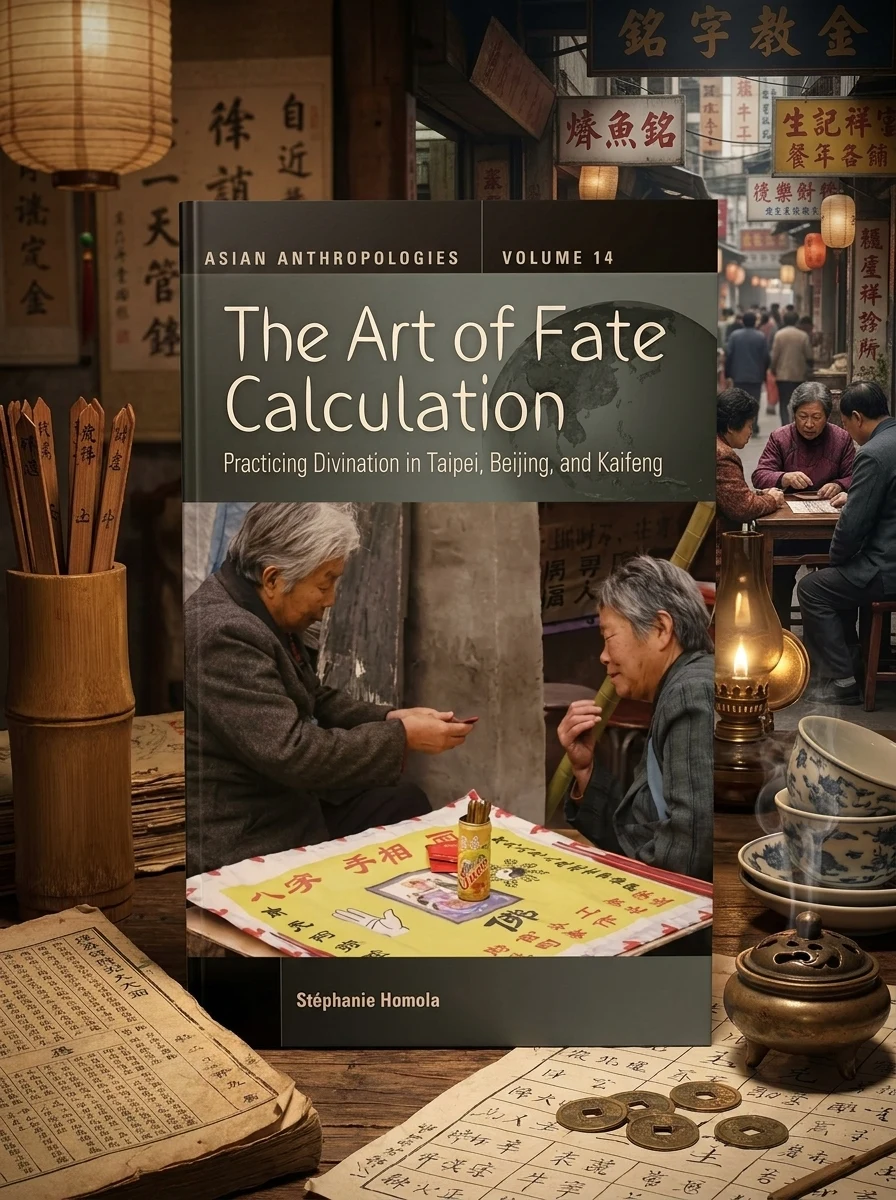
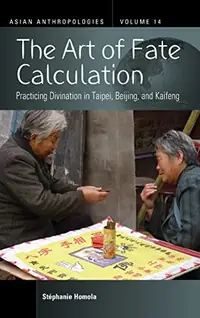
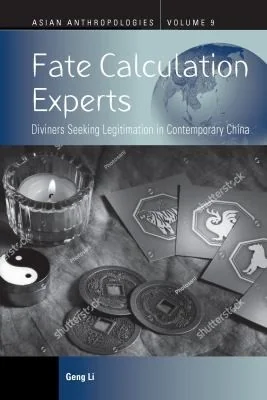
The Art of Fate Calculation: Practicing Divination in Taipei, Beijing, and Kaifeng - Ingram Academic Homola, Stéphanie
 83
83
 Editorial score
How we rate
Editorial score
How we rate
Stock reported in the catalog; fulfillment is confirmed with your request.
Journey into the heart of Chinese destiny, where fate is an art, not a fixed point.
Stéphanie Homola's insightful work delves into the pervasive practice of fate calculation across Taipei, Beijing, and Kaifeng. This anthropological study reveals how individuals from all societal strata, from homemakers to high-ranking officials, seek guidance from divination masters. The book meticulously examines the client's perspective on evaluating a diviner's skill, the intricate pathways to becoming a fortune-teller, and the varied methods used to interpret one's destiny. It explores why these profound cultural practices resist institutionalization, navigating both societal stigma and their own dynamic, decentralized nature.
This anthropological study situates itself within the contemporary practice of Chinese divination, exploring how ancient traditions of fate calculation persist and adapt in modern urban centers like Taipei, Beijing, and Kaifeng.


📝 Description: The Art of Fate Calculation: Practicing Divination in Taipei, Beijing, and Kaifeng - Ingram Academic Homola, Stéphanie
💎 Expert review
📖 Why choose it
Why this book is worth reading
This book offers a profound window into the lives of individuals who actively shape their destinies through esoteric practices. It is ideal for readers fascinated by the intersection of sociology, anthropology, and the occult. You will gain insight into how people from all walks of life, including officials and homemakers, navigate uncertainty through divination masters. The text explains the rigorous criteria clients use to judge skill and the decentralized nature of this spiritual economy. If you are curious about why fate calculation resists institutionalization despite its pervasiveness, this work provides essential context. It reveals fate not as a fixed point but as a dynamic art form practiced in daily life.
⭐ Reader reviews
Reader rating
Homola delivers a meticulous examination of the client-diviner relationship, offering valuable ethnographic details on skill evaluation and professional pathways. However, this is strictly an academic anthropological study, not a practical guide for learning divination techniques. It will likely disappoint those seeking immediate spiritual advice or simple ritual instructions. The dense focus on societal stigma and decentralization may feel too theoretical for casual readers interested only in the mystical aspects of fortune-telling. It suits scholars of Chinese religion but lacks the narrative flair expected by general esoteric enthusiasts.
❓ Frequently asked questions
📖 Who should read this
If you're fascinated by cultural anthropology, East Asian studies, or the intricate ways belief systems shape societies, this book offers a profound exploration. It's for those eager to understand divination not as a fringe practice, but as a deeply integrated aspect of Chinese and Taiwanese life.
🎯 Key themes and symbolism
Societal Divination Practices
Homola illuminates the widespread adoption of fate calculation across diverse social groups in China and Taiwan. She details who seeks these services, emphasizing that it's not limited to any single demographic but is a deep-seated cultural phenomenon impacting daily decisions and life trajectories for countless individuals, revealing a living tradition in modern contexts.
Mastery and Client Trust
The book explores the nuanced relationship between clients and diviners, examining how trust and perceived skill are established. It investigates the often-informal training and lineage of fortune-tellers, alongside the criteria clients employ to gauge a master's authenticity and efficacy, highlighting the personal and subjective elements involved in seeking such guidance.
Resistance to Standardization
Homola analyzes why fate calculation, despite its ubiquity, has resisted formal institutionalization or a singular, codified system. She attributes this to both the external pressures of being labeled 'superstition' and the inherent, dynamic nature of the practice itself, which thrives on adaptation and diverse methodologies rather than uniform adherence.
💬 Quotes from the book
“The assessment of a diviner's efficacy often hinges not merely on predictive accuracy, but on the perceived wisdom and empathetic guidance offered within the consultation.”
“Far from a monolithic system, fate calculation thrives through its adaptability and regional variations, resisting any singular institutional authority or doctrinal codification.”
📜 Historical context
📚 Glossary
- Fate Calculation
- Diviner/Master
- Uniformization
📔 Questions to reflect on
- Reflect on a time you sought guidance or insight into your own future. How did that experience compare to the cultural practices described in the book?
- Consider the concept of 'fate' versus 'free will' within your own cultural understanding. How might the perspectives presented in this book challenge or affirm your views?
- If divination practices are stigmatized as 'superstition,' why do you think they persist and even flourish across diverse social strata?
📖 From the series “Asian Anthropologies”
All books in the series →
🏛 Books from this publisher Berghahn Books
All books from this publisher →




You might also like
See more →



 91
91

 91
91