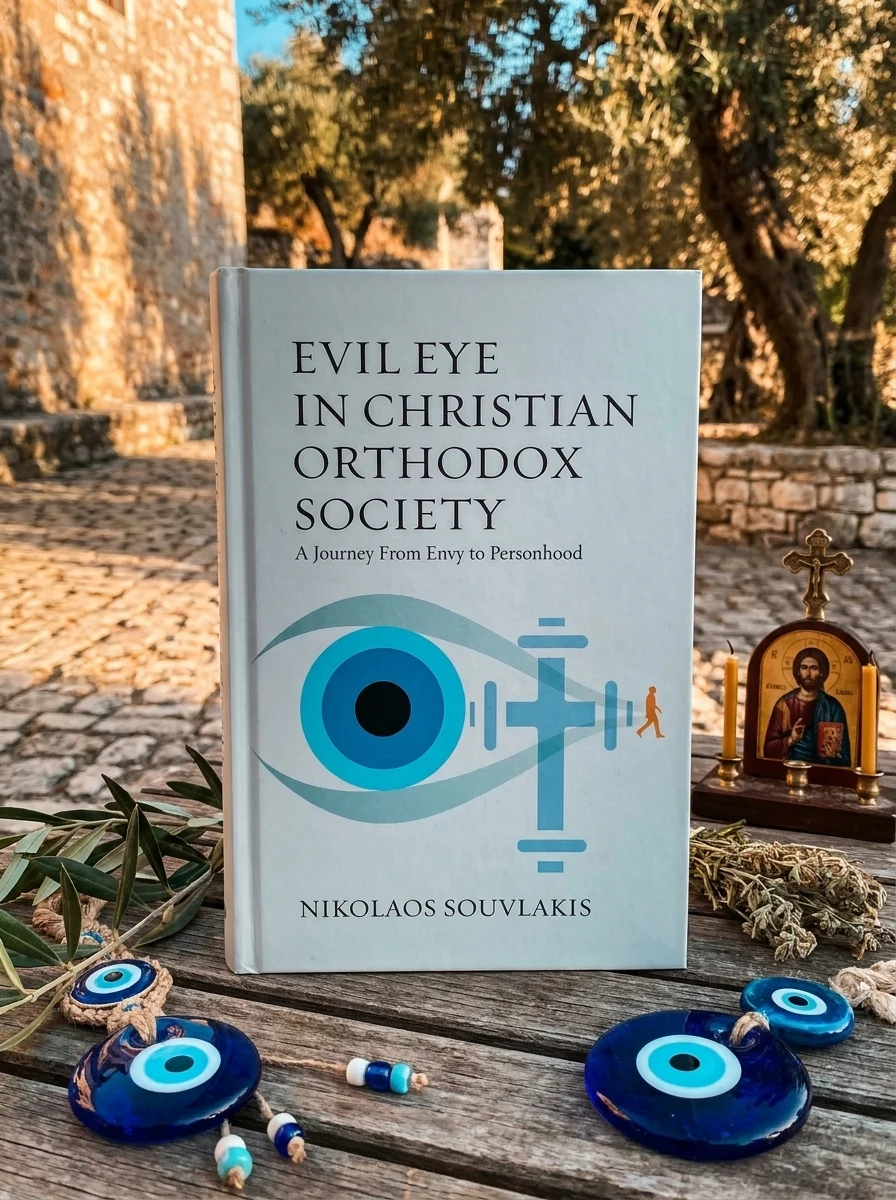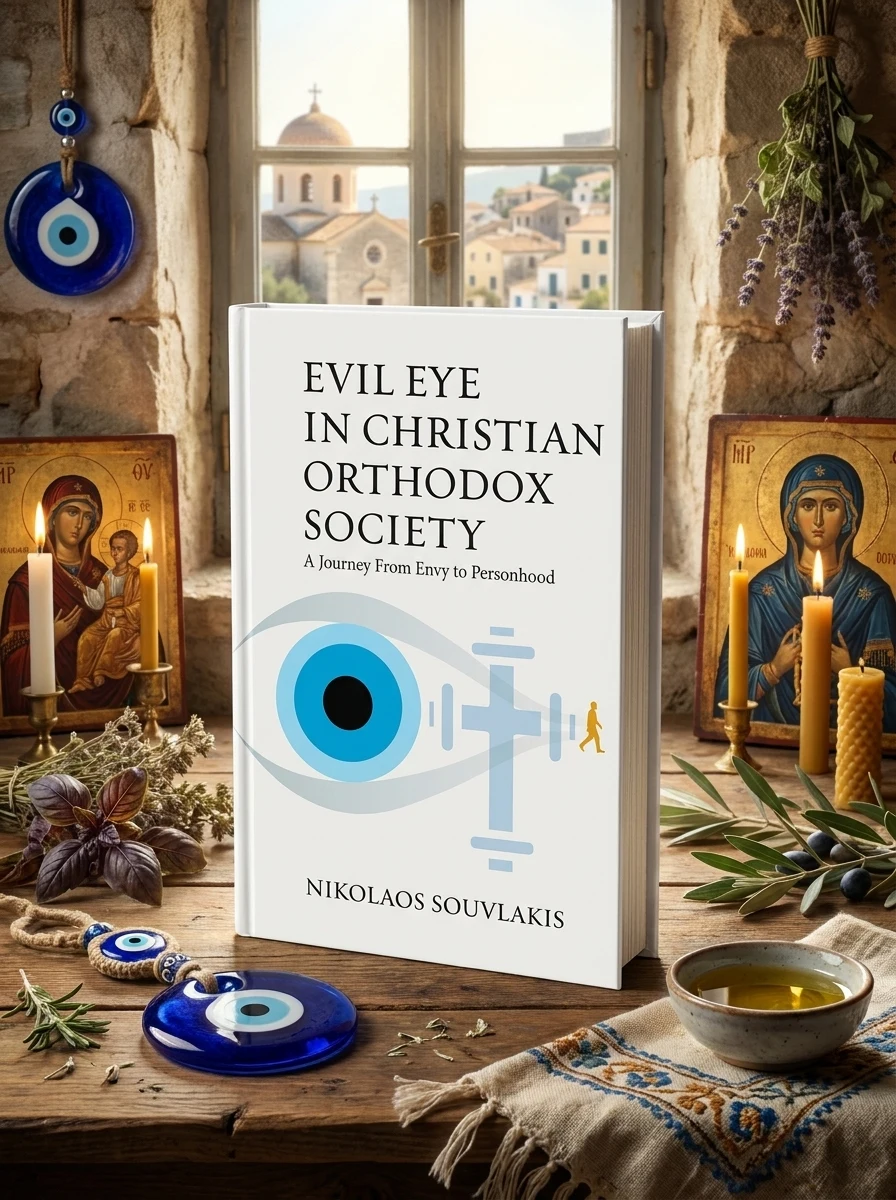
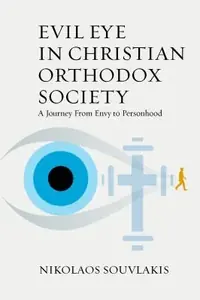
Evil Eye in Christian Orthodox Society: A Journey from Envy to Personhood
Souvlakis, Nikolaos 88
88
 Editorial score
How we rate
Editorial score
How we rate
Stock reported in the catalog; fulfillment is confirmed with your request.
Discover how the ancient Evil Eye, often feared, can paradoxically become a pathway to personal flourishing.
Nikolaos Souvlakis takes us on an insightful journey through Corfu, exploring the enduring phenomenon of the Evil Eye. This compelling interdisciplinary study meticulously examines how Christian Orthodox traditions influence local beliefs and individual responses to perceived misfortune. Challenging conventional notions, Souvlakis provocatively reinterprets the Evil Eye not merely as a source of harm, but as a potent catalyst for well-being, fostering a deeper sense of self and resilience within those who encounter its pervasive influence. It’s a fresh, anthropological look at a global superstition.
This work situates the ancient phenomenon of the Evil Eye within Christian Orthodox society, specifically examining its enduring presence in local traditions on Corfu. It bridges anthropological study with theological reflection to understand how religious frameworks shape individual experiences of misfortune and resilience.


📝 Description: Evil Eye in Christian Orthodox Society: A Journey from Envy to Personhood
💎 Expert review
📖 Why choose it
Why this book is worth reading
This book is an essential read for anthropologists, theologians, and anyone fascinated by the intersection of faith and superstition. If you are curious about how ancient fears transform into tools for personal growth, Souvlakis offers a profound perspective. It appeals to those who enjoy interdisciplinary studies that challenge conventional wisdom. Readers interested in the psychological impact of cultural beliefs will find this journey through Corfu’s traditions both enlightening and empowering. It is perfect for scholars seeking to understand the nuanced relationship between envy, personhood, and well-being in Orthodox communities. By reframing a common superstition as a catalyst for flourishing, it provides a fresh lens for viewing human resilience and self-discovery in the face of perceived malevolent forces.
⭐ Reader reviews
Reader rating
Souvlakis delivers a compelling, albeit dense, anthropological exploration that demands patience from the reader. While the thesis is provocative and intellectually stimulating, those seeking quick fixes or simple folklore collections may find it too academic. It does not suit readers who prefer definitive answers over nuanced cultural analysis or those uninterested in the specific context of Greek Orthodox society. However, for those willing to engage with complex ideas about envy and identity, it offers a rewarding, fresh look at a global phenomenon. The rigorous examination of how tradition influences individual response is its strength, though it may alienate casual readers looking for light entertainment rather than scholarly insight.
❓ Frequently asked questions
📖 Who should read this
If you're fascinated by the intersection of religion, folklore, and psychology, or if you appreciate critical re-evaluations of cultural phenomena, this book is for you. It invites you to reconsider ancient beliefs through a modern, nuanced lens.
🎯 Key themes and symbolism
Orthodox Faith & Folklore
This book meticulously investigates the intricate relationship between deeply held Christian Orthodox beliefs and the prevalent Evil Eye folklore in Corfu. It reveals how theological concepts and spiritual practices shape the interpretation, prevention, and remediation of the Evil Eye, demonstrating a unique cultural synthesis where ancient superstitions are filtered through a specific religious lens.
Evil Eye Reimagined
Souvlakis offers a groundbreaking perspective, transforming the Evil Eye from a simple harbinger of bad luck into an unlikely facilitator of personal growth. By analyzing individual and communal responses, the study argues that confronting the Evil Eye can lead to self-reflection, stronger community bonds, and an enhanced sense of identity, ultimately contributing to psychological and social well-being.
Cultural Anthropology Deep Dive
Through rigorous anthropological fieldwork, the author immerses us in the lived experiences of Corfiots, providing rich insights into their everyday engagement with the Evil Eye. This approach highlights the cultural nuances, social dynamics, and psychological impacts of such beliefs, illustrating how they are not isolated superstitions but integral components of a society's fabric.
💬 Quotes from the book
“The Evil Eye, as commonly understood, embodies the destructive power of envy, manifesting as illness or ill-fortune cast upon another through malicious gaze or thought.”
“Paradoxically, the very presence of Evil Eye beliefs can catalyze profound introspection, fostering resilience and a deeper sense of selfhood within the individual.”
📜 Historical context
📚 Glossary
- Evil Eye
- Orthodox Christianity
- Interdisciplinary Dialogue
📔 Questions to reflect on
- Reflect on a time you felt someone's envy directed at you. How did it make you feel, and how did you respond?
- Consider a cultural belief or superstition from your own background. How might it, like the Evil Eye, offer unexpected benefits or insights into human nature?
- If the Evil Eye truly can foster 'personhood,' what aspects of confronting misfortune do you believe contribute most to self-awareness or resilience?
✍️ More books by this author Souvlakis, Nikolaos
All books by this author →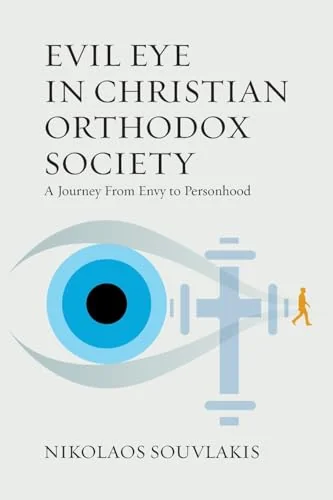
🏛 Books from this publisher Berghahn Books
All books from this publisher →






You might also like
See more →