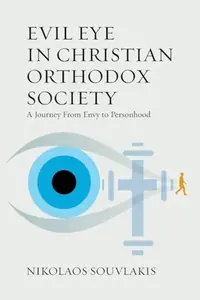
Evil Eye in Christian Orthodox Society: A Journey from Envy to Personhood
Souvlakis, NikolaosStock reported in the catalog; fulfillment is confirmed with your request.
Unravel the secret power of the Evil Eye, not as a curse, but a path to self-discovery.
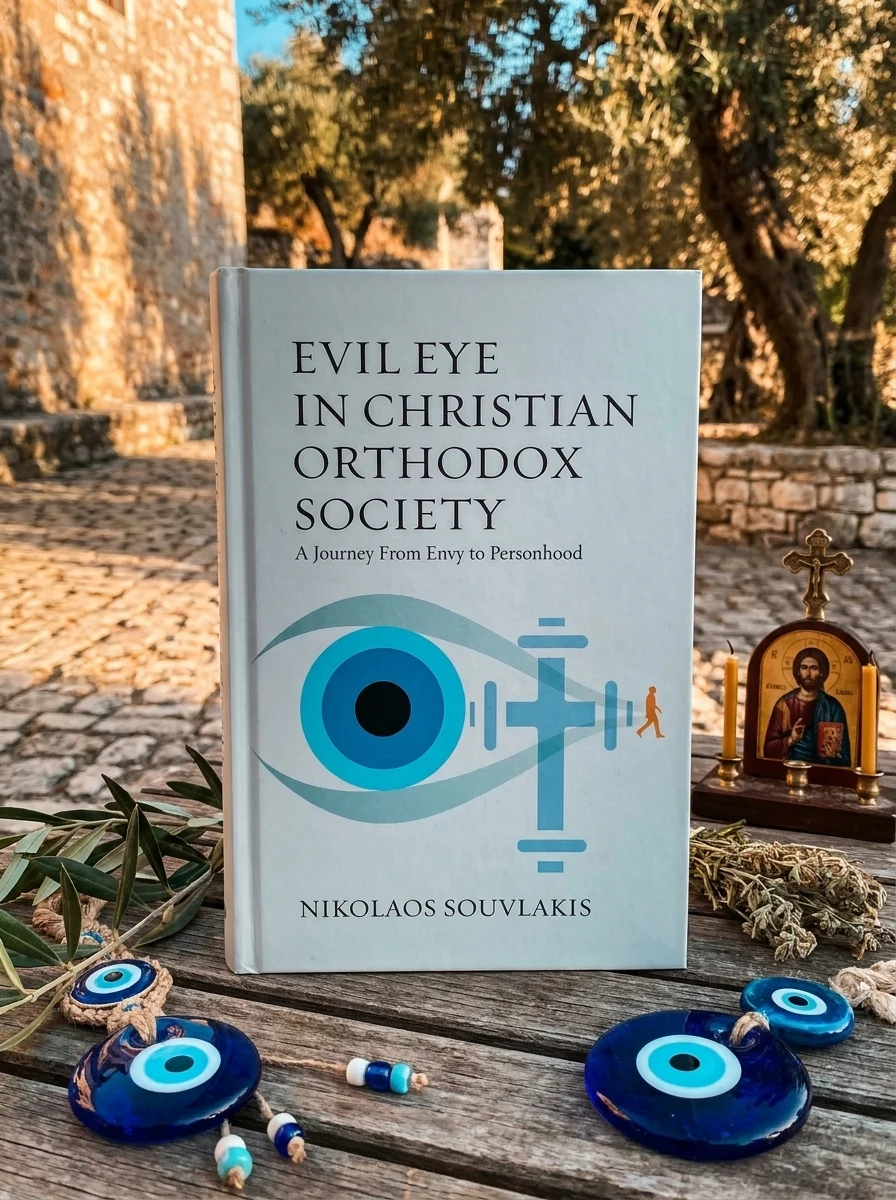
This compelling volume ventures into the heart of Corfu to meticulously examine the global phenomenon of the evil eye. Far from being a mere superstition, Nikolaos Souvlakis reveals its profound entanglement with Christian Orthodox beliefs and the nuanced ways individuals react to its perceived influence. Challenging conventional wisdom, the book posits a radical reinterpretation: the evil eye as a catalyst for personal well-being and a deeper understanding of self, rather than a harbinger of misfortune. It's an interdisciplinary journey into cultural anthropology, theology, and the human psyche.
This volume situates the ancient superstition of the evil eye within the specific theological and social framework of Christian Orthodox society, particularly through an ethnographic lens in Corfu. It bridges the gap between traditional folk beliefs and modern anthropological understanding.


📝 Description: Evil Eye in Christian Orthodox Society: A Journey from Envy to Personhood
💎 Expert review
📖 Why choose it
Why this book is worth reading
Readers fascinated by the intersection of theology, anthropology, and psychology will find this book particularly rewarding. It is ideal for those who wish to move beyond superficial interpretations of superstition and instead explore how deeply ingrained cultural beliefs shape individual identity and social interaction. If you are intrigued by the idea that negative phenomena like envy can serve as catalysts for self-discovery and personal well-being, this text offers a profound, interdisciplinary journey. It challenges conventional wisdom, inviting readers to reconsider the evil eye not merely as a curse but as a complex mechanism within Christian Orthodox society that influences personhood.
⭐ Reader reviews
Reader rating
Souvlakis presents a rigorous academic examination of the evil eye in Corfu, blending cultural anthropology with theology. While intellectually stimulating for scholars and serious students of esoteric traditions, this book may not suit casual readers seeking simple folklore or practical remedies for warding off bad luck. It is dense with interdisciplinary analysis, requiring patience and an interest in theoretical frameworks. Those looking for a light read or immediate spiritual solutions might find the academic tone distancing. However, for those willing to engage with nuanced arguments about envy and selfhood, it provides a compelling, radical reinterpretation of a global phenomenon.
❓ Frequently asked questions
📖 Who should read this
Are you a seeker drawn to the intersections of spirituality, cultural anthropology, and human psychology? If you're fascinated by how ancient beliefs persist and transform in modern contexts, or how perceived negativity might secretly foster growth, this book offers a truly unique lens.
🎯 Key themes and symbolism
The Envious Gaze
Explore the pervasive global belief in the evil eye, understood as misfortunes stemming from another's jealousy. This work delves into its manifestations and the societal implications of such a widely held conviction, particularly within a distinct cultural context, moving beyond a simple definition to understand its lived reality.
Orthodox Resonance
Discover how the ancient belief in the evil eye intertwines with the tenets of Christian Orthodoxy in a fascinating cultural fusion. The book uncovers the unique ways this religious framework shapes and is shaped by perceptions of the evil eye, influencing individual and communal responses to perceived malevolence and envy.
Catalyst for Selfhood
Prepare for a groundbreaking perspective: the evil eye as a surprising facilitator of personal growth and well-being. Rather than solely a source of calamity, Souvlakis argues that confronting these beliefs can lead to profound self-reflection, a stronger sense of personhood, and even spiritual development within the community.
💬 Quotes from the book
“The true power of the 'evil eye' lies not in its malevolent intent, but in its capacity to compel self-reflection and communal understanding.”
“Bridging the chasm between ancient folkloric belief and structured theological thought reveals a richer tapestry of human experience than either discipline alone can offer.”
📜 Historical context
📚 Glossary
- Evil Eye
- Christian Orthodox
- Personhood
📔 Questions to reflect on
- Consider a cultural belief you hold that might be considered 'superstitious' by others. How does it shape your understanding of self or community?
- If envy, traditionally seen as negative, can lead to self-awareness, what other 'negative' emotions might hold hidden keys to personal growth?
- Reflect on a time when a perceived misfortune or challenge actually forced you to grow or deepen your self-understanding. How does this resonate with the book's thesis?
✍️ More books by this author Souvlakis, Nikolaos
All books by this author →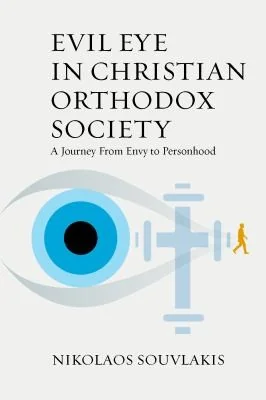
🏛 Books from this publisher Berghahn Books
All books from this publisher →






You might also like
See more →





 91
91