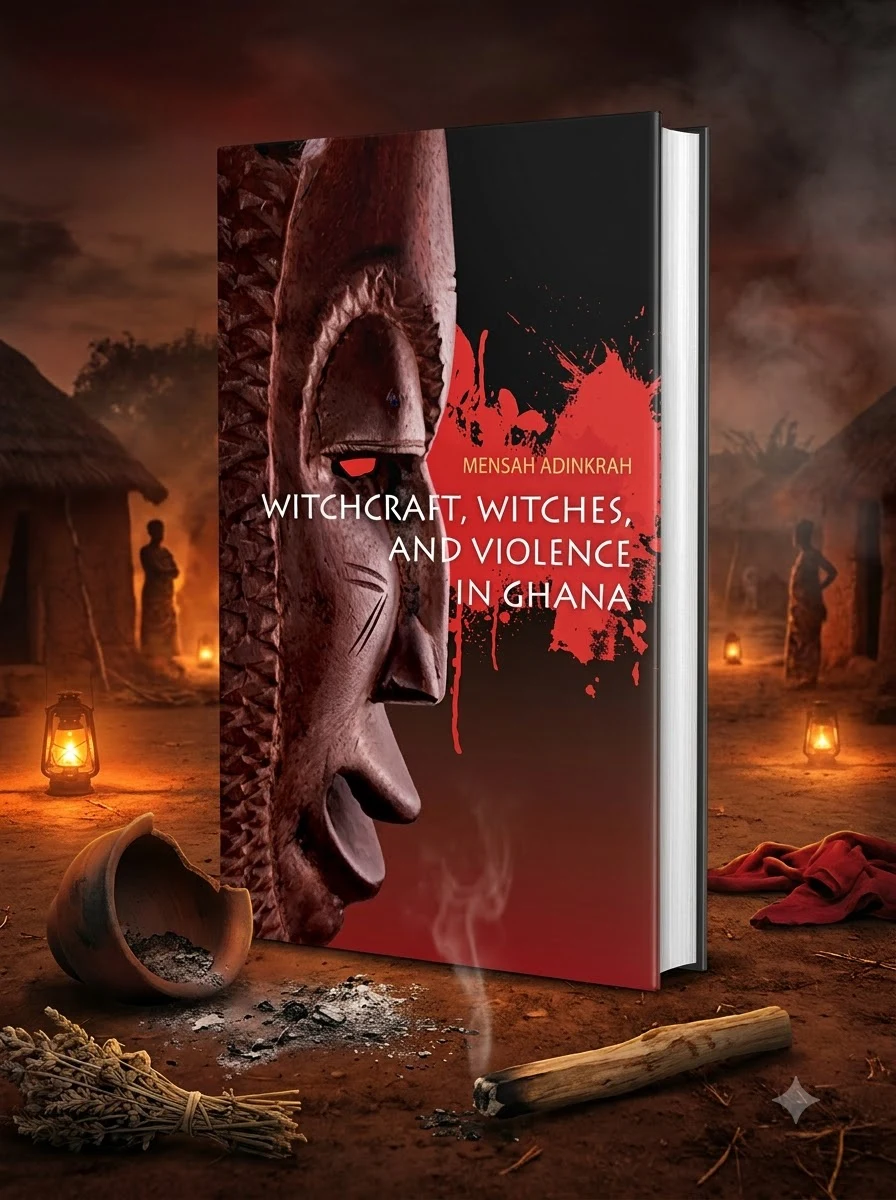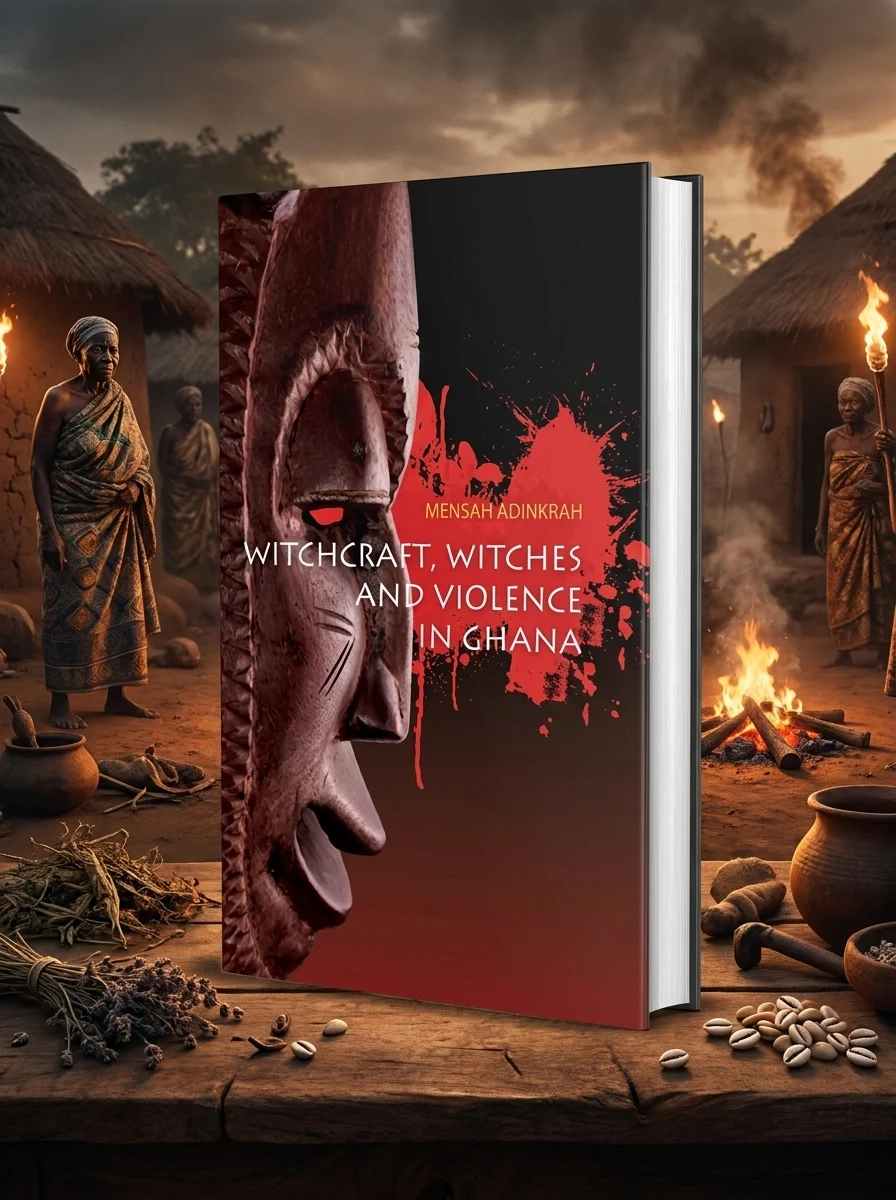
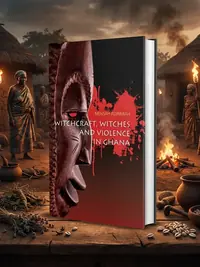
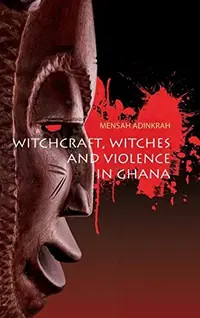
Witchcraft, Witches, and Violence in Ghana
Adinkrah, Mensah 81
81
 Editorial score
How we rate
Editorial score
How we rate
Stock reported in the catalog; fulfillment is confirmed with your request.
Unveiling the dark heart of witchcraft accusations and violence in contemporary Ghana.
This compelling academic work delves into the pervasive belief in witchcraft within Ghanaian society, meticulously detailing how such convictions fuel a cycle of accusation and brutal violence. Mensah Adinkrah examines the cultural mechanisms—from childhood socialization to media influence—that ensure these beliefs persist across generations. The book sheds light on the tragic reality faced by alleged witches, typically marginalized, elderly women, who are often blamed for inexplicable misfortunes and untimely deaths, leading to severe, often vigilante-led, attacks.
This academic work situates itself within contemporary anthropological studies of African societies, specifically addressing the intersection of traditional beliefs and modern social dynamics in Ghana. It contributes to the broader discourse on how indigenous spiritual frameworks interact with present-day civic structures.


📝 Description: Witchcraft, Witches, and Violence in Ghana
💎 Expert review
📖 Why choose it
Why this book is worth reading
This book serves as an essential resource for sociologists, anthropologists, and human rights advocates seeking to understand the complex mechanisms driving contemporary violence in West Africa. Readers interested in the intersection of culture, media, and social justice will find its analysis of how childhood socialization perpetuates harmful stereotypes profoundly insightful. By exposing the tragic plight of marginalized elderly women, it offers a critical lens for examining how collective belief systems can be weaponized against the vulnerable. It is particularly valuable for those wishing to grasp the specific cultural narratives that fuel vigilante justice, providing necessary context for policy makers and activists working to dismantle these cycles of fear and retribution in modern Ghanaian society.
⭐ Reader reviews
Reader rating
Adinkrah delivers a rigorous academic examination that demands patience from casual readers. While its meticulous detailing of cultural mechanisms is impressive, those seeking narrative flair or personal memoirs will find this text dry and dense. It is strictly for scholars and serious students of social dynamics who can handle heavy sociological theory without distraction. The focus on systemic causes over individual stories may alienate readers looking for emotional engagement or straightforward solutions to such a complex issue.
❓ Frequently asked questions
📖 Who should read this
If you are drawn to the intersection of anthropology, social justice, and the darker currents of human belief, this book is essential. Readers seeking a rigorous, academic examination of contemporary witchcraft phenomena and its societal repercussions will find this an invaluable resource.
🎯 Key themes and symbolism
Ghanaian Witchcraft Dynamics
The book offers an in-depth exploration of how witchcraft beliefs are specifically understood and integrated into daily life within Ghana. It details the cultural logic behind attributing illness, death, and misfortune to the malevolent acts of supposed witches, illustrating the profound impact these perceptions have on community interactions and individual fear.
Violence and Accusation
Adinkrah meticulously documents the devastating consequences of witchcraft accusations, from social ostracization to physical assaults. The narrative reveals how aggrieved individuals and vigilante groups often take justice into their own hands, perpetrating violence against those deemed responsible for societal ills, providing a stark look at the human cost.
Societal Transmission & Marginalization
This study uncovers the intricate ways witchcraft beliefs are perpetuated through societal structures, including family upbringing, educational institutions, and mass media. It highlights how these deeply entrenched narratives disproportionately target vulnerable populations—elderly, impoverished, and female—exposing the systemic marginalization at play.
💬 Quotes from the book
“The pervasive attribution of misfortune to malevolent spiritual forces shapes communal understanding and individual experience, justifying extreme responses.”
“Examination reveals that vulnerability to accusation is not random, but systematically targets the elderly, the poor, and particularly women, reflecting deeper societal inequities.”
📜 Historical context
📚 Glossary
- Witchcraft violence
- Putative witches
- Marginalized
📔 Questions to reflect on
- Reflect on how similar patterns of scapegoating or blaming marginalized groups for societal problems might manifest in other cultures or historical periods you are familiar with.
- Consider the role of media and institutional narratives in shaping public perception and perpetuating beliefs, whether positive or negative, in your own society.
- How do you think understanding the socio-cultural roots of such violence could inform strategies for protection or education in communities facing similar challenges?
✍️ More books by this author Adinkrah, Mensah
All books by this author →
🏛 Books from this publisher Berghahn Books
All books from this publisher →




You might also like
See more →