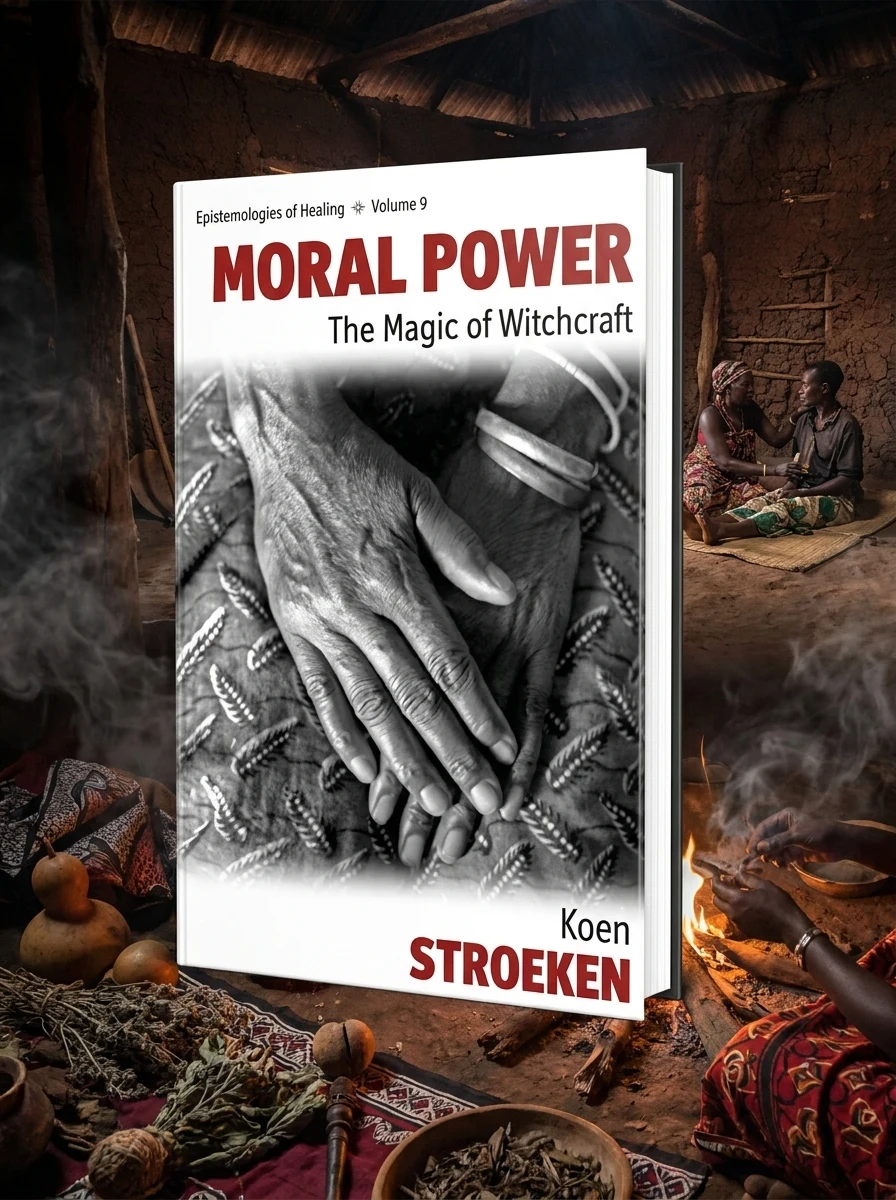
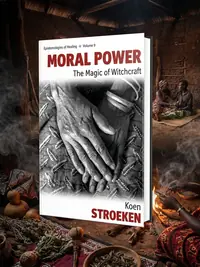
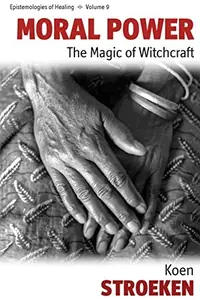
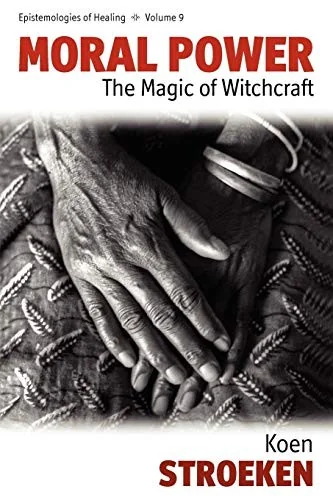
Moral Power: The Magic of Witchcraft - Ingram Academic Stroeken, Koen
Stroeken, Koen 91
91
 Editorial score
How we rate
Editorial score
How we rate
Stock reported in the catalog; fulfillment is confirmed with your request.
Unravel the elusive 'moral power' that shapes life and magic among Tanzania's Sukuma people.
Koen Stroeken delves into the profound concept of "moral power" as understood by the Sukuma farmers of Tanzania. During moments of intense crisis, this mysterious force is attributed to an unknown figure, the 'witch,' profoundly impacting individuals and communities. This anthropological work explores how the interplay of bodily experience and social dynamics can hinder recovery, offering a unique perspective on the universal human struggle with illness, agency, and the hidden forces believed to govern wellbeing within a distinct cultural framework.
This academic text sits at the intersection of medical anthropology and the study of African esoteric traditions, specifically focusing on the Sukuma people of Tanzania. It examines how indigenous frameworks of morality and illness intersect with concepts often categorized under witchcraft in Western occult discourse.


📝 Description: Moral Power: The Magic of Witchcraft - Ingram Academic Stroeken, Koen
💎 Expert review
📖 Why choose it
Why this book is worth reading
This book is essential for anthropologists, scholars of comparative religion, and readers deeply interested in the sociological underpinnings of magical beliefs. Koen Stroeken provides a rigorous examination of how the Sukuma people interpret crisis through the lens of 'moral power,' offering a nuanced view that moves beyond simplistic labels of superstition. Readers will gain insight into how bodily experience and social dynamics intertwine to shape community responses to illness and misfortune. It is particularly valuable for those seeking to understand the universal human struggle with agency in the face of inexplicable suffering, presented through a specific, well-documented cultural framework that challenges Western assumptions about health and morality.
⭐ Reader reviews
Reader rating
Stroeken’s work is a dense, scholarly analysis that demands patience and an academic mindset. It is not suitable for casual readers seeking practical witchcraft instructions or light entertainment. Those looking for immediate magical applications or sensationalist accounts of African sorcery will find this text dry and overly theoretical. However, for those willing to engage with complex anthropological arguments regarding the construction of moral agency and social cohesion during crises, it offers a profound, albeit demanding, intellectual experience that recontextualizes 'witchcraft' as a serious social mechanism rather than mere folklore.
❓ Frequently asked questions
📖 Who should read this
If you're drawn to the intricate dance between cultural belief, social structure, and individual experience, this book is for you. Anthropologists, students of global spiritual practices, and anyone fascinated by indigenous healing systems will find profound insights here.
🎯 Key themes and symbolism
Witchcraft as Social Commentary
Stroeken investigates how the Sukuma people interpret witchcraft not just as malevolent magic, but as a critical lens through which to understand societal tensions and personal misfortunes. The "witch" embodies a community's anxieties, making invisible social ruptures manifest and offering a framework for addressing collective ethical dilemmas during times of crisis.
Embodied Crisis & Recovery
The book explores the intricate connection between physical ailments and social disharmony, showing how the Sukuma perceive illness as deeply intertwined with "moral power." It highlights how personal recovery is not merely a biological process but is significantly shaped by communal perceptions, ethical standing, and the invisible influences attributed to witchcraft.
Cultural Concepts of Power
This work meticulously unpacks the Sukuma's distinct understanding of "moral power"—an intangible, yet potent, force that transcends conventional notions of strength or authority. It reveals how this culturally specific concept influences their worldview, their interpretations of misfortune, and their strategies for navigating personal and collective well-being.
💬 Quotes from the book
“The attribution of 'moral power' to an unknown witch serves not merely as a scapegoat mechanism but as a profound societal attempt to articulate and process profound anxieties regarding health, fortune, and communal equilibrium.”
“Within the Sukuma worldview, the path to healing is rarely a solitary, physiological journey; it is inextricably woven into the fabric of social relationships and the perceived moral standing of the afflicted.”
📜 Historical context
📚 Glossary
- Moral Power
- Sukuma
- Witchcraft (Sukuma context)
📔 Questions to reflect on
- How might the concept of "moral power" manifest in your own cultural context, even if not explicitly labeled as such? Consider unseen influences on wellbeing.
- Reflect on a time of personal crisis or illness. To what extent did social dynamics or perceived ethical issues play a role in your experience or recovery?
- If a "witch" figure emerged in your community to explain misfortune, what societal anxieties or moral imbalances might that figure represent?
📖 From the series “Epistemologies of Healing”
All books in the series →
✍️ More books by this author Stroeken, Koen
All books by this author →🏛 Books from this publisher Berghahn Books
All books from this publisher →
You might also like
See more →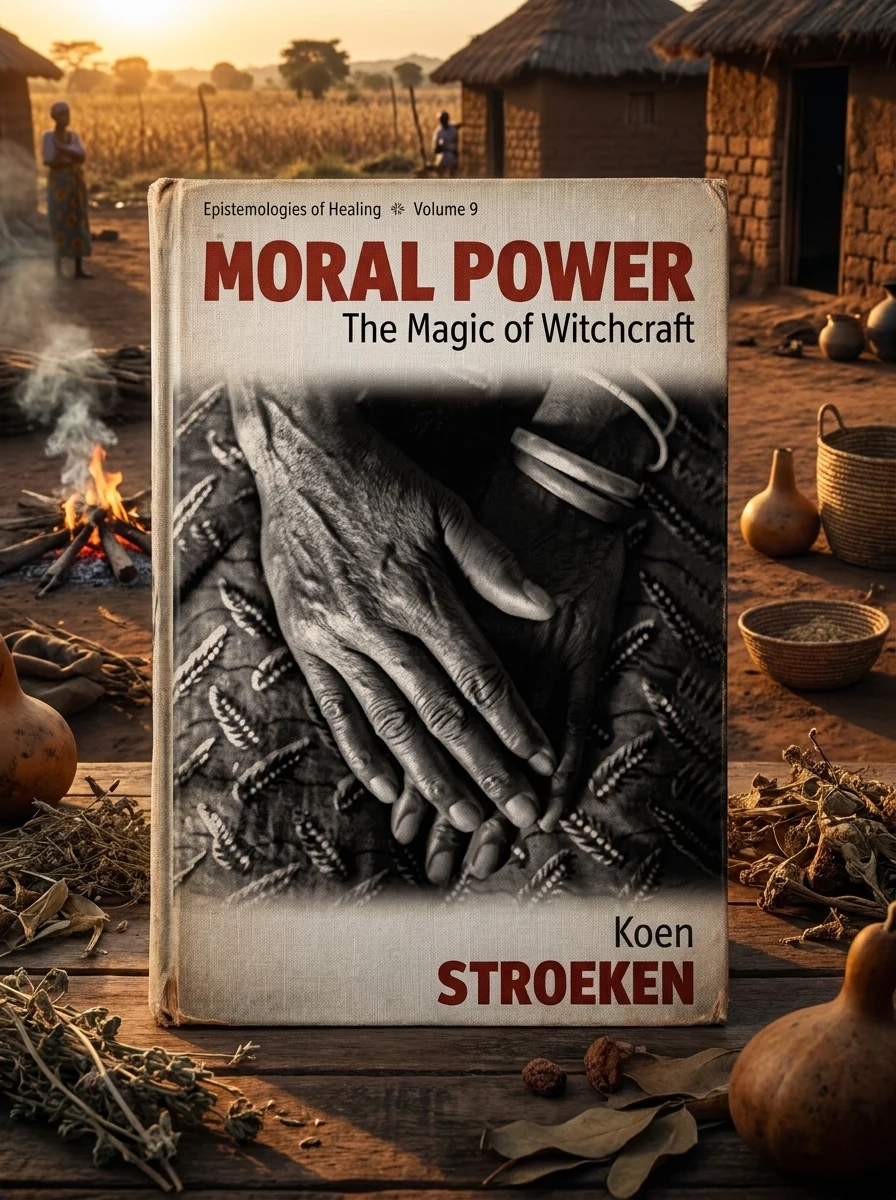
 81
81